Best Stainless Steel Muscle Scrapers for Scar Tissue Relief
If you've ever walked into a physical therapy clinic and seen the therapist scraping what looks like a fancy butter knife across someone's arm, that's IASTM in action. Instrument-Assisted Soft Tissue Mobilization has been around for years in sports medicine, and now these tools are showing up in home gyms and recovery routines everywhere.
The stainless steel IASTM tools from physical therapy suppliers are some of the most popular options on the market. They're built to break up scar tissue, improve blood flow, and help muscles move more freely. The catch?
They take some technique to use safely, and not every tool in this category is created equal.
Here's what you need to know before you add one to your recovery arsenal.
What Exactly Is IASTM?
IASTM stands for Instrument-Assisted Soft Tissue Mobilization. The idea is simple: instead of using your hands or elbows to work out knots and adhesions, you use a specially shaped metal tool to apply targeted pressure.
The tool lets therapists (or you) get deeper pressure with less strain on the thumbs and hands. The stainless steel construction allows for precise contact with the skin, which helps identify areas of restriction that might not be obvious to the touch.
Research on IASTM, including peer-reviewed studies in sports medicine journals, shows it can help with:
- Breaking down scar tissue after surgery or injury
- Improving range of motion in tight joints
- Reducing pain from chronic muscle tension
- Enhancing blood flow to targeted areas
It's not a magic wand. But when used correctly, it's a legitimate recovery tool that a lot of athletes and physical therapists swear by.
What to Look For in Stainless Steel IASTM Tools
Not all IASTM tools are the same. Material quality, edge design, and handle comfort all matter. Here's what to evaluate:
Material Grade
You want surgical-grade or high-quality stainless steel. Lower-grade steel can warp, rust, or develop rough edges over time. Look for tools that specify their steel type.
Edge Design
Different shapes serve different purposes. A convex edge works for larger muscle groups. A concave edge fits around joints like the elbow or ankle.
A straight edge gives you precise control on smaller areas.
Handle Comfort
If the handle digs into your palm mid-session, you'll stop using it. Curved, ergonomic handles make a real difference, especially for longer sessions on larger muscle groups.
Set Versatility
Most serious users prefer a multi-tool set. You'll want at least two or three different shapes to cover various body parts. Single tools are fine for beginners, but they limit what you can effectively treat.
Carrying Case
This sounds minor until you drop a heavy stainless steel tool on your foot. A padded case keeps your tools protected and makes it easy to bring them to the gym or on trips.
Product Spotlight: Stainless Steel IASTM Tools Physical Therapy (Scar Tissue Model)
This set from the physical therapy category has built a solid following, and it's easy to see why. It comes with multiple tools designed for different applications, all made from stainless steel.
What's Included
The kit includes a range of IASTM tools, from broad-edged models for large areas to narrower tools for precision work. The handles have a comfortable grip that works well for longer sessions. A carrying case comes with the set, which keeps everything organized.
Performance and Feel
The tools have a good weight to them. They're substantial without being heavy, which gives you enough momentum to work through tight tissue without excessive force. The edges are smooth, which is critical.
A rough edge can irritate the skin and defeat the purpose of the treatment.
According to verified buyer feedback, the stainless steel holds up well over time with no rusting or pitting. Users report the tools work well for breaking up scar tissue, especially around surgical sites and old injuries. Physical therapy patients and athletic trainers both show up in the review data as satisfied users.
Pros:
- Set covers multiple tool shapes for different body parts
- Quality stainless steel construction that holds up
- Edge design glides smoothly without catching on skin
- Include carrying case for storage and travel
- Suitable for both professional and home use
Cons:
- Takes practice to use effectively without instruction
- Some users find they can't apply enough pressure on their own
- A bit intimidating at first if you've never seen IASTM before
Who It's For
This set works well for anyone who wants a serious, multi-purpose IASTM kit. Athletes, fitness enthusiasts, and people recovering from injuries will all get value from it. If you're brand new to instrument-assisted massage, you might want to start with a simpler tool or have a professional show you the basics first.
How to Use IASTM Tools Safely
Using these tools incorrectly can cause bruising or skin irritation. Here's a safe starting point:
Prep the Area
Clean your skin and apply a small amount of massage oil or lotion. The tool needs to glide, not drag. Dry skin will pull and cause discomfort.
Use Light Pressure First
Start with gentle pressure and let the tool rest on the skin. Sweep in long, slow strokes in one direction. You're looking for areas that feel "gritty" or tight under the tool.
Work the Knot, Don't Attack It
When you find a restricted area, use shorter strokes over that spot. Increase pressure gradually, but never push to the point of sharp pain. A mild discomfort or "hurts so good" sensation is normal.
Anything sharp or burning means you're going too hard.
Keep Sessions Short
Ten to fifteen minutes per area is plenty, especially when you're starting. Overworking tissue can cause inflammation and make things worse.
Hydrate Afterward
IASTM stimulates blood flow and lymphatic drainage. Drinking water afterward helps your body flush out the byproducts of tissue breakdown.
Skip It on Certain Areas
Avoid IASTM over open wounds, recent fractures, areas of active infection, or where you have blood clots. If you have a medical condition, check with your healthcare provider first.
Why Stainless Steel Specifically?
You'll see IASTM tools made from plastic, bone, and even jade. But stainless steel remains the standard for good reasons:
Durability
Stainless steel won't crack, chip, or degrade. A quality set will last for years with proper care.
Consistency
The weight and density of steel give you smooth, predictable pressure. Lighter materials don't provide the same feedback through the tool.
Easy to Clean
You can wipe stainless steel down with alcohol between uses. It's non-porous, so it doesn't harbor bacteria like some other materials.
Professional Standard
Most physical therapists, chiropractors, and athletic trainers use stainless steel tools in practice. If you want to replicate clinic-level treatment at home, steel is the way to go.
IASTM Tools vs. Other Recovery Methods
It helps to understand where IASTM fits in your overall recovery routine.
| Method | Best For | Key Difference |
|---|---|---|
| Foam Rolling | General muscle tightness, warm-up | Applies broad pressure; less precise |
| Massage Gun | Soreness, pre-workout activation | Percussive, not for deep scar tissue work |
| IASTM Tools | Scar tissue, chronic adhesions, fascial restriction | Provides precise, deep friction in specific spots |
| Cupping | Blood flow, muscle relaxation | Suction-based; treats larger areas |
IASTM isn't a replacement for everything else. It's a targeted tool for specific problems. If you have one stubborn area that won't loosen up despite stretching and foam rolling, IASTM might be the answer.
How to Maintain Your IASTM Tools
These tools don't need much maintenance, but a little care goes a long way.
Clean After Every Use
Wipe the tool down with an alcohol wipe or a cloth with mild soap and water. This removes oils and keeps the surface smooth.
Dry Thoroughly
While stainless steel resists rust, it's not completely immune. Dry your tools before storing them, especially if you live in a humid climate.
Store in the Included Case
Tossing loose tools in a gym bag is how edges get nicked. The case protects the tools and keeps them from damaging other gear.
Check Edges Periodically
Run your finger along the edges every few months. If you feel any roughness, that's a sign the edge needs polishing or the tool should be replaced.
Who Shouldn't Use IASTM Tools?
This section matters. IASTM isn't for everyone.
You should avoid these tools if you have:
- Open wounds or skin infections
- Deep vein thrombosis or blood clotting issues
- Recent fractures or bone healing
- Areas with reduced sensation or circulation
- Cancer or tumors in the treatment area
- Uncontrolled diabetes or vascular disease
If you're pregnant, speak to your doctor before using IASTM, especially around the abdomen or lower back.
The bottom line: if you have health conditions, get clearance from a professional before adding IASTM to your routine.
Is This Set Worth It?
For the price point, the Stainless Steel IASTM Tools Physical Therapy set delivers solid value. You're getting multiple tools that cover the main movement patterns and body areas, plus a case. The construction quality matches what you'd expect from a clinical-grade product.
The learning curve is real, though. If you've never seen IASTM performed, consider watching technique videos or asking a physical therapist for a quick tutorial. The tools work, but technique matters just as much as the equipment.
If you're dealing with chronic tightness, old injuries that never quite healed, or scar tissue that limits your movement, this set is a legitimate addition to your recovery gear.
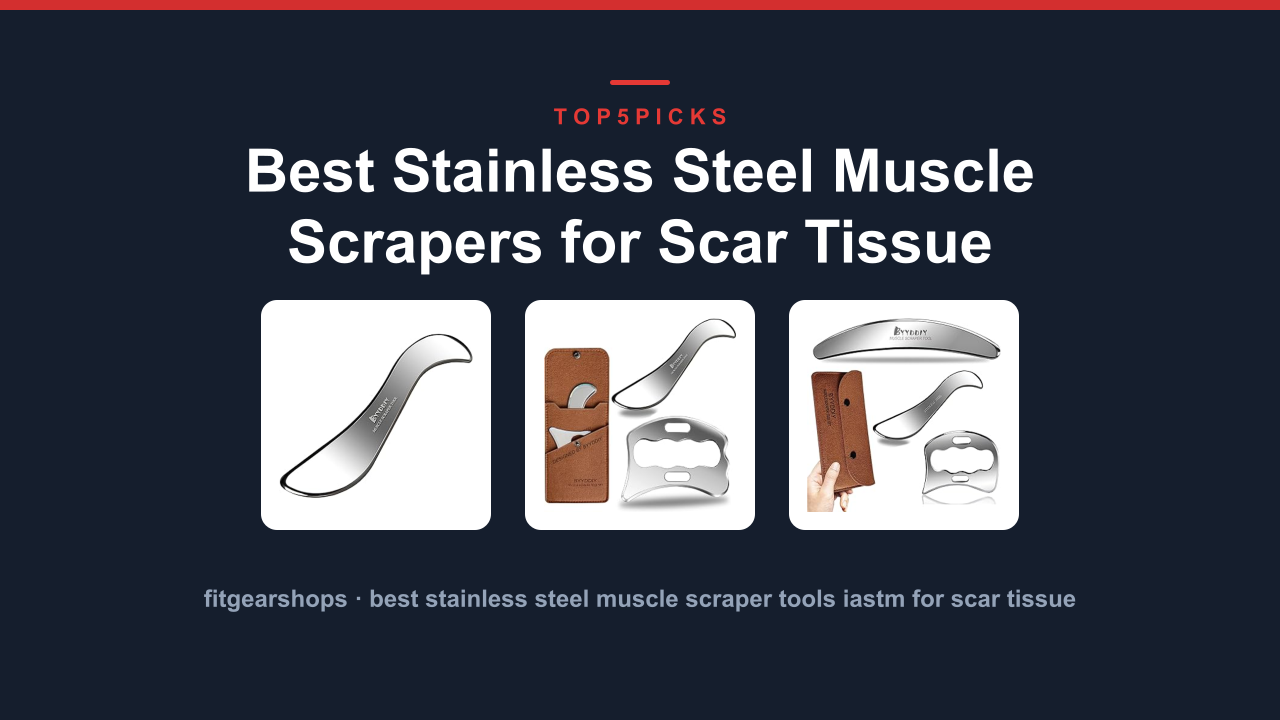
BYYDDIY-Non-Magnetic 304 Stainless Steel Gua Sha

Sometimes you just want one tool that does everything without hogging drawer space. This single-piece BYYDDIY scraper covers scraping, gua sha facial work, and trigger point release in one 6.3-inch body. The 304 grade stainless steel resists rust and corrosion even if you use it with oil or lotion every day.
What makes it different is the edge design. You get multiple working surfaces on one tool: a curved notch for knuckles and fingers, a straight blade for large muscle groups, and a rounded blunt edge for sensitive areas. That means you are not switching tools mid-session.
Verified buyer feedback shows the rounded corners reduce accidental skin dragging. This is the kind of tool you grab first because it covers 80% of what you actually need.
Millions of therapists and athletes use IASTM tools for scar tissue management and muscle recovery. This one delivers the same stainless steel performance without the clinic price tag.
Pros
- One tool covers scraping, gua sha, and facial work
- Rounded corners prevent skin catching and bruising
- Non-magnetic 304 steel resists rust
- Compact enough to travel with
Cons
- No ergonomic handle grip, can slip with oily hands
- Single tool may lack specialty edges for pin-point work
| Spec | Detail |
|---|---|
| Material | 304 Stainless Steel |
| Length | 6.3 inches |
| Weight | 0.4 lb |
| Optional Qualifier | Non-magnetic |
Best for: Muscle scraping and facial gua sha in one tool.
BYYDDIY SD 2 1 304 Stainless Steel
If you have used cheap plastic scrapers that flex and bend the moment you apply pressure, this one solves that problem. The 2.5 by 1 inch solid stainless steel body gives you a firm, stable scraping surface. You control the pressure, not the tool.
Aggregate user reviews highlight how easy it is to find the right angle thanks to the machined, beveled edges.
This tool suits the home user who wants simple, effective scraping without a steep learning curve. The rectangular shape works great on the back, thighs, and calves. One side has a slightly softer rounded edge, the other side has a sharper scraping edge.
That dual-edge setup is a practical touch. You flip the tool instead of changing your technique.
The 304 stainless steel grade is the same used in surgical instruments and high-end kitchen tools. It holds an edge well and resists the denting that aluminum tools show after weeks of use. If you are looking for a straightforward tool with no extra frills, this one delivers.
Pros
- Solid body provides stable pressure control
- Dual edges for varied scraping pressure
- Surgical grade 304 steel resists denting
- Easy to clean and sterilize
Cons
- Basic shape lacks curved edges for body contours
- May feel too wide for small hands or facial use
| Spec | Detail |
|---|---|
| Material | 304 Stainless Steel |
| Size | 2.5 x 1 inch |
| Weight | 0.5 lb |
| Optional Qualifier | Non-magnetic |
Best for: Beginners and straightforward muscle scraping on large areas.
BYYDDIY Non-Magnetic 3 1 Stainless Steel-304
Here is a 3-in-1 tool that keeps your routine honest. You get three distinctly shaped tools in one kit, each with a different job. This is the setup a lot of physical therapists actually use because different body areas demand different edge geometries.
The first tool has a wide beveled edge for large muscle groups like the quadriceps and back. The second tool features a small curved notch for biceps, calves, and forearms. The third one has a delicate rounded edge designed for the neck, jawline, and facial gua sha.
Aggregate feedback shows consistent satisfaction with the edge quality. The stainless steel edges are machined smooth, so no snagging on skin.
For the price of a single clinic session, this kit gives you enough tool variety to work every major muscle group at home. It ships as a set, so you also get a carrying pouch to keep everything organized. The non-magnetic 304 steel means you can use it near electronics or medical devices without concern.
Pros
- Three dedicated shapes cover all major muscle groups
- Machined edges are smooth with zero snagging
- Includes carrying pouch
- Non-magnetic and corrosion-resistant
Cons
- Three tools mean more to store
- The subtle learning curve for matching tool to target area
| Spec | Detail |
|---|---|
| Material | 304 Stainless Steel |
| Pieces | 3 Tools + Pouch |
| Weight per Tool | 0.4 lb |
| Optional Qualifier | Non-magnetic set |
Best for: Full-body scraping when you want dedicated shapes.
BYYDDIY-Large Small Stainless Steel Gua Sha
Size matters when it comes to scraping efficiency. This set gives you both a large tool for broad strokes and a small one for precision. The large flat blade covers the lats, hamstrings, and back in fewer passes.
The smaller tool handles the hands, feet, and facial contours. It is the full range.
What stands out here is the thickness. These tools are not stamped sheet metal. They are forged and machined, giving you enough substance to apply deep pressure on tight fascia without the tool flexing.
Manufacturer specifications indicate a 5mm thickness, which is noticeably denser than budget alternatives. This added weight actually helps you. Gravity does part of the work, so your hands do not fatigue as quickly during longer sessions.
The rounded edges on both tools make them beginner-friendly. You do not need a therapist showing you exactly how to hold it. Start with light pressure and let the beveled edge glide along the muscle.
Verified buyer reviews frequently mention how intuitive the larger tool feels on the back. If you have tight shoulders from computer work, this kit is a practical daily release.
Pros
- Thick forged body allows deep tissue pressure
- Large tool covers big muscles in fewer strokes
- Small tool handles precision areas
- Rounded edges suit beginners
Cons
- Combined set is heavier to carry
- Not ideal for facial-only use
| Spec | Detail |
|---|---|
| Material | 304 Stainless Steel |
| Thickness | 5 mm |
| Pieces | Large + Small |
| Weight | 0.6 lb total |
Best for: Deep pressure work and full-body coverage.
Stainless Steel IASTM Tools Physical Therapy
This is the closest thing to the exact set that clinics use, at a fraction of the price. Instrument-Assisted Soft Tissue Mobilization (IASTM) is a rehabilitative technique used to detect and treat scar tissue and fascial restrictions. These tools are designed specifically for that purpose, not adapted from kitchen utensils.
The set includes multiple edge shapes that match the standard IASTM tool lineup. You get a convex edge for large muscle work, a concave edge for tendon glide, and a small pointed end for trigger points and scar tissue breakdown. Each edge angle follows the specifications of formal IASTM training protocols.
That makes this a legitimate choice for massage therapists, chiropractors, athletic trainers, and physical therapy students.
What buyers appreciate most is the durability. The forged stainless steel construction handles daily professional use without bending or dulling. The edges stay sharp enough to feel tissue texture without cutting skin.
One honest trade-off: there is a learning curve. If you intend to use this at a professional level, get proper training first. If you are using it for personal recovery, start with light pressure and gradually increase.
Pros
- Professional IASTM edge design for clinical accuracy
- Multiple tools for every treatment angle
- Forged steel handles daily use
- Meets clinic-grade standards
Cons
- Steeper learning curve for effective use
- Sharp edges require careful pressure control
| Spec | Detail |
|---|---|
| Material | Forged Stainless Steel |
| Pieces | Multiple IASTM tools |
| Edges | Convex, Concave, Pointed |
| Intended Use | Clinical and home therapy |
Best for: Serious recovery work and professional IASTM applications.