

Have you ever wondered who created the sport soccer? You watch the game, cheer for your favorite team, and maybe even play it yourself—but do you know where it all began?
Discovering the origins of soccer can change the way you see the game. It’s more than just a sport; it’s a story of creativity, culture, and passion. Keep reading, and you’ll uncover the surprising facts behind the game you love.
Ancient Ball Games
Ancient ball games laid the foundation for modern soccer. People across the world enjoyed kicking, throwing, or hitting balls for fun or ritual purposes. These early games show the human love for competition and teamwork. Understanding these ancient sports helps us see how soccer evolved over time.
Early Forms Of Ball Games
Ball games date back thousands of years. Some used animal bladders or stitched cloth to make balls. Early players often used their feet, hands, or sticks to move the ball. Rules were simple or sometimes not written down at all. These games were more about skill and fun than strict competition.
Examples include:
- Cuju in China, played with a leather ball and feet
- Episkyros in ancient Greece, involving teams and ball passing
- Harpastum in Rome, a fast-paced game with a small ball
Cultures Engaging In Ball Games
Many cultures worldwide played ball games with unique styles. These games often connected to festivals or military training. In Mesoamerica, the Mayans played a ritual ball game with a rubber ball. In medieval Europe, villagers played rough football matches during celebrations.
These cultural ball games shared common features:
- Use of a ball made from local materials
- Team or individual competition
- Physical skill and strategy
- Community involvement and enjoyment
These early sports inspired the structure and spirit of modern soccer.
Credit: www.smithsonianmag.com
Medieval Soccer
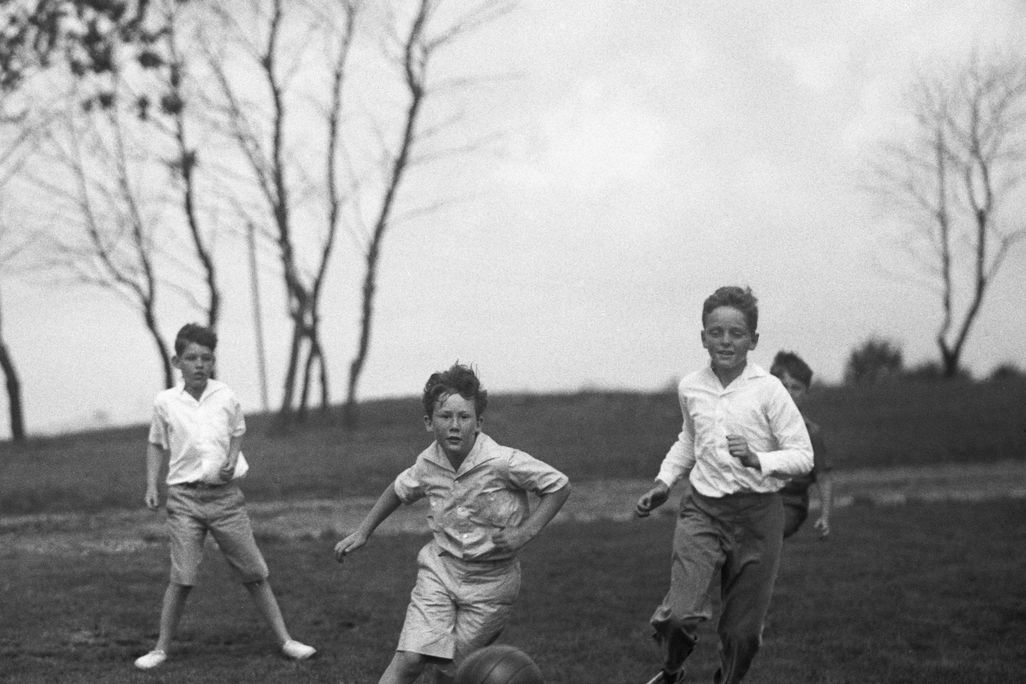
Medieval soccer was very different from the sport we know today. It was often a rough and chaotic activity played in towns and villages. People used a ball made from animal bladders or other materials. The rules were unclear, and many players could join in. This early form of soccer laid the groundwork for the modern game.
Soccer In Medieval England
In Medieval England, soccer was popular during festivals and holidays. Matches could involve entire villages with no set number of players. The game was often played in the streets or open fields. It was common for matches to be very physical and sometimes violent. Authorities sometimes banned it due to injuries and damage to property.
Influence Of Folk Football
Folk football influenced medieval soccer greatly. This traditional game varied by region and had no standard rules. The ball was moved by kicking, carrying, or throwing. Teams aimed to get the ball to a specific goal or area. These folk games helped shape the future rules of soccer.
Standardizing The Rules
Soccer’s early days were full of different rules across schools and towns. Players often faced confusion during matches. Standardizing rules became essential to create a fair and unified sport. This process shaped modern soccer and allowed it to grow worldwide.
The Cambridge Rules
In 1848, students at Cambridge University made an early attempt to unify soccer rules. They gathered ideas from various schools and created a clear set of guidelines. The Cambridge Rules banned handling the ball and focused on kicking. These rules helped reduce violence and confusion during games.
The Cambridge Rules influenced later versions of soccer laws. They introduced concepts like no tripping and no hacking. Many schools and clubs began adopting these rules, making soccer more organized.
Formation Of The Football Association
In 1863, a group of clubs in London met to create one set of rules. They formed The Football Association (FA), the first official body for soccer rules. The FA worked to end disagreements between clubs about how to play.
The FA rules banned carrying the ball and allowed only foot use. These rules became the foundation of modern soccer. The association published the first official rulebook, which clubs used nationwide. This step helped soccer become a popular and respected sport around the world.
Credit: www.goal.com
Global Expansion
The global expansion of soccer transformed a simple game into a worldwide passion. Its journey from local fields to international stadiums shows how sport can unite diverse cultures and communities. Understanding this growth helps you appreciate how soccer became more than just a game—it became a global language.
Soccer’s Spread Across Continents
Soccer’s roots trace back to England, but it didn’t stay there long. British sailors, traders, and workers introduced the game to South America, Africa, and Asia during the 19th and early 20th centuries.
Take Brazil, for example. British expatriates brought soccer there, but it was the local players who made it a national obsession. This pattern repeated worldwide—locals adapted the sport, adding their own flair and passion.
How did a simple ball game manage to cross oceans and cultures so effectively? The answer lies in its simplicity. You only need a ball and open space to start playing anywhere.
Role Of International Competitions
International competitions played a huge role in soccer’s global rise. The first FIFA World Cup in 1930 brought countries together on the same field, sparking national pride and fierce rivalries.
Events like the World Cup and the UEFA European Championship gave players a stage to showcase talent and fans a reason to unite. These tournaments turned soccer into a shared global experience.
Think about watching a World Cup match with friends from different countries. Doesn’t it make you feel part of something bigger? International competitions continue to fuel soccer’s expansion by connecting millions worldwide.
Influence Of Key Figures
The sport of soccer didn’t come from nowhere—it grew because of the vision and hard work of key figures. These individuals shaped how the game looks today, influencing rules, play styles, and the global love for the sport. Understanding their contributions helps you appreciate soccer beyond just watching the matches.
Pioneers In Soccer Development
One of the most important figures was Ebenezer Cobb Morley, who helped draft the first official rules in 1863. Without his work, soccer might have stayed a chaotic mix of local games.
Another pioneer was Charles William Miller, who introduced soccer to Brazil, a country now synonymous with the sport. His efforts show how one person’s passion can spark a national obsession.
- Ebenezer Cobb Morley: Formalized the rules of soccer.
- Charles William Miller: Spread soccer to Brazil.
- William McGregor: Founded the English Football League, creating organized competition.
Innovators Of Soccer Techniques
Did you know that the way players dribble, pass, and shoot has evolved thanks to innovators on the field? Take Pelé, for instance, who blended skill and creativity to inspire players worldwide.
More recently, Johan Cruyff introduced “Total Football,” a tactical innovation that changed how teams move and think during the game. This approach challenges you to think of soccer as a constantly evolving chess match.
- Pelé: Redefined attacking play with flair and precision.
- Johan Cruyff: Developed tactical flexibility with “Total Football.”
- Garrincha: Showed how dribbling skills could break defenses.
Which of these figures do you think had the biggest impact on how you watch or play soccer? Their stories remind us that the game is shaped by people willing to push boundaries and try new ideas.
Modern Soccer’s Impact
Modern soccer shapes cultures and economies worldwide. It connects people beyond borders and languages. The sport’s influence goes far beyond the field.
Cultural Significance Worldwide
Soccer brings communities together across the globe. It creates shared moments of joy and hope. Fans celebrate victories and face defeats as one.
The sport influences music, fashion, and art in many countries. It reflects local traditions and national pride. Soccer unites people from different backgrounds and ages.
Economic Influence Of Soccer
Soccer drives billions in revenue every year. It supports millions of jobs in clubs, media, and tourism. Major tournaments boost local economies with visitors and spending.
Clubs invest in youth programs and stadiums. Sponsorship deals and merchandise sales fuel growth. Soccer’s economic power impacts cities and nations alike.

Credit: www.bundesliga.com
Frequently Asked Questions
Who Invented The Sport Of Soccer?
Soccer originated in England during the mid-19th century. The modern rules were formalized by the Football Association in 1863. This organization standardized the game, making it the foundation of today’s global sport called soccer or football.
When Was Soccer Officially Created?
Soccer was officially created in 1863 when the English Football Association established the first formal rules. This event marked the birth of modern soccer, differentiating it from earlier ball games played worldwide.
What Country Started The Game Of Soccer?
England is credited with starting modern soccer. The Football Association in England codified the first official rules in 1863, shaping the sport into what is now known and played worldwide as soccer.
Who Wrote The First Rules Of Soccer?
The first official soccer rules were written by the English Football Association in 1863. These rules standardized the game, allowing it to spread and develop into the sport known globally today.
Conclusion
Soccer started long ago with many people shaping it. The modern sport grew mostly in England. Players and fans worldwide now enjoy the game. Soccer brings people together across different countries and cultures. Its simple rules make it easy to play and watch.
Understanding its history helps us value the sport more. Soccer’s story is about teamwork, passion, and fun. This beloved sport will keep growing every year.