

Are you curious about the thrilling winter sports that make the Olympics so exciting? Whether you love speed, skill, or graceful moves on ice and snow, the Winter Olympics have something for you.
Imagine the rush of watching athletes race down icy tracks or spin high above the ice. You’ll discover all the amazing winter sports featured in the Olympic Games. Keep reading, and get ready to see which events capture your imagination and maybe inspire your next adventure!
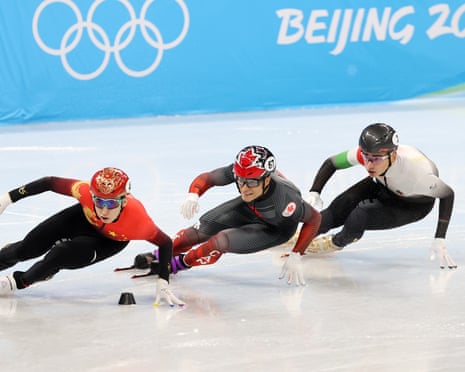
Credit: www.theguardian.com
History Of Winter Olympics
The Winter Olympics have a rich history that dates back to the early 20th century. These games showcase the best winter sports athletes from around the world, competing on snow and ice. Understanding the origins of the Winter Olympics can deepen your appreciation for the exciting events you watch today.
Origins And Early Years
The first Winter Olympic Games were held in 1924 in Chamonix, France. Initially, they were called the “International Winter Sports Week” and later recognized as the first official Winter Olympics. Only 16 events across 6 sports were included back then, highlighting the roots of winter sports competition.
Growth And Evolution Of Sports
Over the decades, the Winter Olympics expanded both in size and scope. New sports like snowboarding and freestyle skiing were added to reflect changing interests. Have you noticed how some sports have evolved dramatically in technique and equipment since their introduction?
Impact Of Global Events
World events like wars and political tensions have influenced the Winter Olympics significantly. Some games were canceled, and others saw boycotts affecting athlete participation. These moments remind us that sports often mirror the larger world around us.
Technological Advances And Media Coverage
Advances in technology have transformed how the Winter Olympics are experienced. From early black-and-white broadcasts to today’s high-definition streaming, you get to see every thrilling moment. How do you think technology will continue to change your viewing experience?
The Role Of Host Cities
Host cities have shaped the Winter Olympics through their culture and environment. Places like Lillehammer, Norway, brought a unique charm and emphasis on sustainability. What qualities do you think make a great host city for winter sports?
Popular Winter Sports
Winter sports bring energy and excitement to the Olympic Games. Fans around the world watch athletes compete on ice and snow. These sports test speed, skill, and teamwork. They create unforgettable moments in Olympic history. Some winter sports have become very popular due to their fast pace and thrilling action.
Ice Hockey
Ice hockey is a fast and physical team sport played on ice. Two teams try to score goals by hitting a puck into the opponent’s net. The game combines speed, skill, and strategy. Olympic ice hockey features the best players from many countries. It is one of the most watched winter sports worldwide.
Figure Skating
Figure skating is an elegant sport that mixes art and athleticism. Skaters perform jumps, spins, and dance moves on ice. Judges score their routines on technique and presentation. It includes singles, pairs, and ice dance events. Figure skating often captures hearts with its beauty and grace.
Skiing
Skiing covers many events, all held on snowy slopes. Alpine skiing focuses on speed and precision in downhill races. Cross-country skiing tests endurance over long distances. Ski jumping challenges athletes to fly far from a ramp. Skiing demands strength, balance, and courage in every event.
Adrenaline-pumping Events
Adrenaline-pumping events at the Winter Olympics push athletes to the edge of speed, skill, and daring. These sports captivate audiences with breathtaking stunts and heart-racing moments that keep you on the edge of your seat. If you crave excitement and love watching athletes test their limits, these events will not disappoint.
Snowboarding
Snowboarding combines speed and style, challenging competitors to perform tricks while racing down icy slopes. Events like the halfpipe and slopestyle demand precision and creativity, with athletes launching into the air to pull off spins and flips. Watching these riders twist and turn mid-air makes you wonder: how do they keep such perfect balance at these heights?
Try imagining yourself on a snowboard—feeling the cold wind and the rush of acceleration. That thrill is exactly why snowboarding has become a fan favorite, showcasing both athleticism and artistry in one fast-paced package.
Freestyle Skiing
Freestyle skiing features jaw-dropping jumps and rapid maneuvers over moguls and terrain parks. This sport requires incredible control and courage as skiers navigate bumps and launch into the air to perform flips and spins. You might ask yourself, how do they maintain such precision under pressure?
Watching freestyle skiing inspires you to think about the training behind every move. The combination of agility, timing, and fearlessness makes this event a must-watch for anyone who appreciates pure athletic skill mixed with creativity.
Bobsleigh
Bobsleigh is all about speed and teamwork as athletes hurtle down an icy track in a sleek sled. The start is crucial—explosive power from the team can shave precious seconds off the run. Have you ever wondered how they steer at such high speeds without losing control?
The intense focus and coordination required in bobsleigh highlight the importance of every team member’s role. The rush of watching a sled zip through twists and turns at over 80 miles per hour is unlike anything else in the Winter Olympics.
Precision And Skill Sports
Precision and skill define some of the most captivating winter Olympic sports. These events demand not only physical strength but also sharp focus and exact movements. Watching athletes execute with flawless accuracy can inspire you to appreciate the blend of mental and physical discipline required at this level.
Curling
Curling is often called “chess on ice” because it combines strategy with precise stone placement. Players slide heavy stones across the ice, aiming for a target area while teammates sweep the ice to control the stone’s speed and direction.
Have you ever considered how much teamwork and communication are involved? Each decision can change the game’s outcome, making every throw critical. It’s a sport where patience and precision meet in every match.
Biathlon
The biathlon merges cross-country skiing with rifle shooting, testing both endurance and calm under pressure. Skiers race against the clock, then stop to shoot at targets, where accuracy can make or break their final time.
Imagine racing your hardest, then needing to steady your breath and hand to hit small targets. This combination challenges your ability to switch from explosive energy to precise control instantly.
Speed Skating
Speed skating pushes athletes to zip around an ice track at breathtaking speeds. Despite the fast pace, skaters must maintain perfect form to avoid losing balance and to maximize efficiency.
Every fraction of a second counts, so you see competitors pushing their limits while staying incredibly focused. It’s a sport that highlights how skillful technique can turn speed into success.
Team Vs Individual Events
Winter Olympics feature a mix of team and individual events. Both types test different skills and bring unique excitement. Team events show cooperation and strategy. Individual competitions highlight personal skill and focus.
Team Events
Team events involve groups working together to achieve a goal. Athletes rely on each other’s strength and timing.
- Ice hockey is a fast-paced team sport with six players on ice.
- Relay races in cross-country skiing and biathlon require smooth handoffs.
- Team ski jumping combines scores from all jumpers to win.
- Figure skating has pairs and team events that mix individual performances.
Success in team sports depends on communication and trust among members.
Individual Competitions
Individual events focus on one athlete’s performance. Every move and decision affects the final result.
- Alpine skiing tests speed and control through downhill courses.
- Snowboarders race or perform tricks on their own.
- Speed skating is a race against the clock or other skaters.
- Figure skating singles showcase jumps, spins, and artistry.
Individual athletes must train hard to refine technique and stamina.
Women In Winter Olympics
Women have played a vital role in the Winter Olympics since they first joined the events. Their participation has grown steadily, showing strength and skill across many sports. The Winter Olympics now celebrate female athletes who compete at the highest level.
Women compete in many thrilling winter sports. Their performances inspire millions worldwide and break old records. The history of women in the Winter Olympics reflects progress and the spirit of competition.
History Of Women In Winter Olympics
Women first appeared in the Winter Olympics in 1924. At that time, only a few sports allowed female competitors. Over the years, more events opened to women. This change showed respect for their talents and dedication.
Early female athletes faced many challenges. Limited opportunities and social norms made it hard to compete. Today, women participate in almost all winter sports. Their journey marks a big shift in the Olympic movement.
Popular Winter Sports For Women
- Figure Skating – Known for grace and artistry on ice.
- Alpine Skiing – Tests speed and control on snowy slopes.
- Snowboarding – Combines style and daring tricks.
- Cross-Country Skiing – Demands endurance and strength.
- Ice Hockey – A fast-paced team sport with intense action.
- Biathlon – Mixes skiing speed with shooting accuracy.
Each sport challenges women in unique ways. They train hard to reach the Olympic stage. Their dedication brings excitement and pride to the games.
Notable Female Athletes In Winter Olympics
| Athlete | Sport | Achievements |
|---|---|---|
| Marja-Liisa Kirvesniemi | Cross-Country Skiing | 3 Olympic Gold Medals |
| Bonnie Blair | Speed Skating | 5 Olympic Gold Medals |
| Lindsey Vonn | Alpine Skiing | 4 Olympic Medals |
| Yuna Kim | Figure Skating | 2 Olympic Medals |
These women set high standards for future athletes. Their success stories motivate young girls worldwide.
Challenges Women Face In Winter Sports
Women often deal with less media coverage. This affects sponsorship and recognition. Some winter sports still have fewer female participants.
Equal pay and prize money remain issues. Training resources sometimes favor male athletes. Despite this, women continue to push boundaries.
Their resilience helps to change opinions and policies. Progress is ongoing, with each Olympics improving opportunities.
Emerging Winter Sports
The Winter Olympics have always been a stage for thrilling, high-speed action and breathtaking skill. But the games are not just about traditional sports like skiing or ice hockey anymore. Emerging winter sports are shaking things up, adding fresh excitement and new challenges that might just change how you see the winter season.
Mixed Gender Events
Mixed gender events are gaining momentum in the Winter Olympics. These events bring male and female athletes together on the same team, which creates a unique dynamic and strategy.
Take the mixed team ski jumping, for example. It combines the strengths of both men and women, making the competition more intense and balanced. This format encourages teamwork and showcases how different skills complement each other.
Have you noticed how mixed events make the games more inclusive and engaging? They also push athletes to adapt and improve in new ways, which can inspire your own approach to teamwork and collaboration.
New Additions
Every Olympic cycle tends to introduce new sports or disciplines that catch the public’s eye. Recently, sports like big air snowboarding and freestyle skiing slopestyle have been added, bringing a fresh vibe to the winter games.
These new events highlight creativity and style as much as speed and technique. Watching athletes perform jaw-dropping tricks on huge jumps can make you appreciate the blend of athleticism and artistry involved.
Could these additions influence which winter sports you want to try or watch next? They certainly push the boundaries of what winter sports can be, encouraging innovation and excitement.
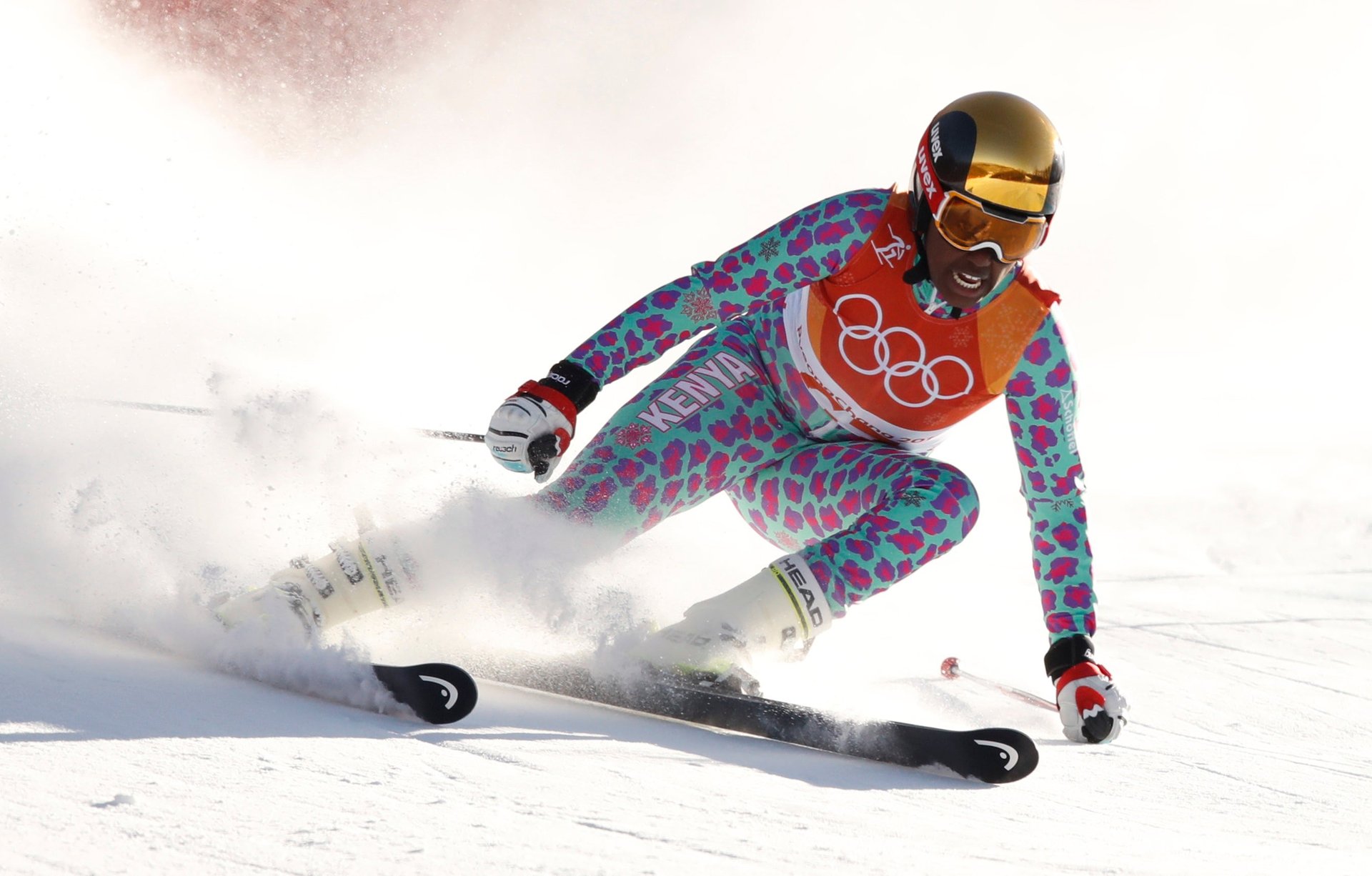
Credit: qz.com
Training And Preparation
Training and preparation are key for Olympic winter sports athletes. These sports demand high levels of skill, strength, and endurance. Athletes spend months, sometimes years, preparing their bodies and minds to compete at the highest level.
Training involves more than just physical exercise. Mental toughness and strategy play big roles. Coaches design programs that build speed, balance, and precision. Every practice session focuses on improving specific skills needed for competition.
Physical Conditioning For Winter Sports
Strong muscles and good stamina help athletes perform better. Exercises include weight training, running, and cycling. Many athletes train indoors during off-season to maintain fitness. Flexibility and core strength reduce injury risk.
Technical Skill Development
Practicing sport-specific moves is essential. Skiers work on turns and jumps. Ice skaters practice spins and footwork. Snowboarders perfect tricks and landings. Repetition helps build muscle memory and confidence.
Mental Preparation And Focus
Staying calm under pressure is crucial. Athletes use visualization to imagine success. Breathing techniques help control nerves. Setting clear goals keeps motivation high.
Nutrition And Recovery
Proper diet fuels training and speeds recovery. Balanced meals with proteins, carbs, and fats support energy needs. Hydration is vital during intense workouts. Rest days allow muscles to heal and grow stronger.
Future Of Winter Olympics
The future of the Winter Olympics holds exciting possibilities that could change how you experience winter sports on the global stage. As technology advances and audiences evolve, the Games are adapting to stay relevant and thrilling. You might wonder what new sports could join or how changes might affect athletes and fans alike.
New Sports and Events on the HorizonThe Winter Olympics are expanding, adding sports that attract younger viewers and new regions. Sports like ski mountaineering and freestyle big air have already made their debut, showing a trend towards more extreme and visually engaging events.
Could your favorite winter activity become an Olympic sport soon? The International Olympic Committee often tests new events in Youth Olympic Games before including them in the main program, so keep an eye on emerging trends in winter sports.
Technology’s Role in Enhancing the GamesTechnology is reshaping the Winter Olympics in many ways, from improved broadcasting techniques to athlete performance tracking. Virtual reality and augmented reality could let you experience events as if you were right there on the slopes or ice.
This tech leap not only helps fans but also aids athletes in training and injury prevention. Imagine having real-time data on your performance, helping you push boundaries safely.
Sustainability and Environmental ImpactWinter sports depend heavily on natural snow and cold conditions, which climate change threatens. The Olympics are working to reduce their carbon footprint and promote sustainability through better venue design and energy use.
How will these efforts affect future host cities and the sports themselves? You might see more artificial snow technology or even indoor venues becoming the norm to keep the Games going strong.
Inclusivity and Global ParticipationThe future Winter Olympics aims to be more inclusive, welcoming athletes from countries with less traditional winter sports backgrounds. This broadens the competition and inspires more people worldwide to take up these sports.
Are we about to see new faces and stories lighting up the Olympic stage? Expanding access means more diverse talent and unexpected champions, making the Games richer and more exciting for everyone.
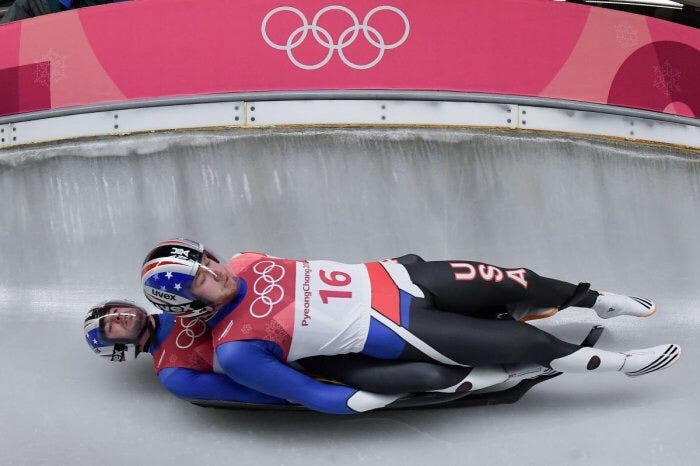
Credit: elijahcobb.medium.com
Frequently Asked Questions
What Winter Sports Are Included In The Olympics?
The Winter Olympics feature sports like skiing, ice hockey, figure skating, snowboarding, bobsleigh, and curling. These sports test speed, skill, and endurance on snow and ice, showcasing global winter athletic talent every four years.
How Many Winter Sports Are In The Olympics?
There are 15 winter sports in the Olympics, divided into various disciplines. These include alpine skiing, biathlon, cross-country skiing, figure skating, ice hockey, luge, skeleton, ski jumping, snowboarding, and more.
Which Winter Sport Is Most Popular In The Olympics?
Ice hockey is one of the most popular Winter Olympic sports. It attracts massive global audiences due to fast-paced action and strong national team rivalries, especially in countries like Canada, USA, and Russia.
Are Snowboarding Events Part Of The Winter Olympics?
Yes, snowboarding is a key Winter Olympic sport. It includes events like halfpipe, slopestyle, snowboard cross, and parallel giant slalom, highlighting athletes’ agility and style on snow.
Conclusion
Winter Olympic sports bring excitement and challenge. Athletes race, jump, and skate on ice and snow. Each sport tests strength, skill, and speed. Watching these events shows human effort and passion. Fans worldwide enjoy the thrill and drama. The Winter Olympics celebrate sports and global unity.
Remember the variety of sports and their unique appeal. Stay curious about future Winter Games and new sports. The spirit of competition never fades. Winter sports inspire us to try new adventures too.