What Sports Have the Most Concussions: Shocking Facts Revealed
Have you ever wondered which sports put you at the highest risk for concussions? Whether you play regularly or just watch from the sidelines, knowing which games come with the most head injuries can help you protect yourself and those you care about.
Concussions are more than just bumps on the head—they can affect your brain and your future. You’ll discover the sports where concussions happen most often, why they occur, and what you can do to stay safe. Keep reading to learn the surprising facts that could change how you approach your favorite sport.

Credit: www.researchgate.net
Concussion Overview
Concussions are more common in sports than many realize. They happen when your brain moves rapidly inside your skull, often after a hit or collision. Understanding concussions helps you recognize the risks and take action to protect yourself or someone you care about.
What Is A Concussion?
A concussion is a mild traumatic brain injury caused by a sudden impact to the head or body. It disrupts normal brain function, leading to symptoms like headaches, dizziness, confusion, and sometimes loss of consciousness. Even if you feel fine immediately after a hit, symptoms can show up hours or days later.
Why Are Concussions Serious?
Ignoring a concussion can make things worse. Repeated injuries can lead to long-term problems such as memory loss, mood changes, and difficulty concentrating. Taking time to heal and seeking medical advice is crucial for your brain’s health.
Common Signs And Symptoms
- Headache or pressure in the head
- Feeling dizzy or unsteady
- Confusion or feeling “foggy”
- Nausea or vomiting
- Blurred or double vision
- Sensitivity to light or noise
- Difficulty concentrating or remembering
If you or your teammate experience any of these symptoms after a hit, it’s important to stop playing and get checked by a healthcare professional.
How Concussions Happen In Sports
Concussions often occur during high-impact collisions or falls. Sports with frequent body contact or fast movements increase your risk. Even a seemingly minor bump can cause a concussion if the force is enough to shake your brain.
Protecting Yourself And Others
You can reduce concussion risks by wearing proper protective gear and following sport-specific safety rules. Coaches and players should prioritize safe techniques and never ignore symptoms. Your brain is too important to take chances.
High-risk Sports
Some sports carry a higher risk of concussions than others, due to the nature of physical contact and the speed at which players move. Understanding which sports are most prone to head injuries helps you make safer choices and take better precautions. Let’s look at a few high-risk sports where concussions are more common and why.
Football
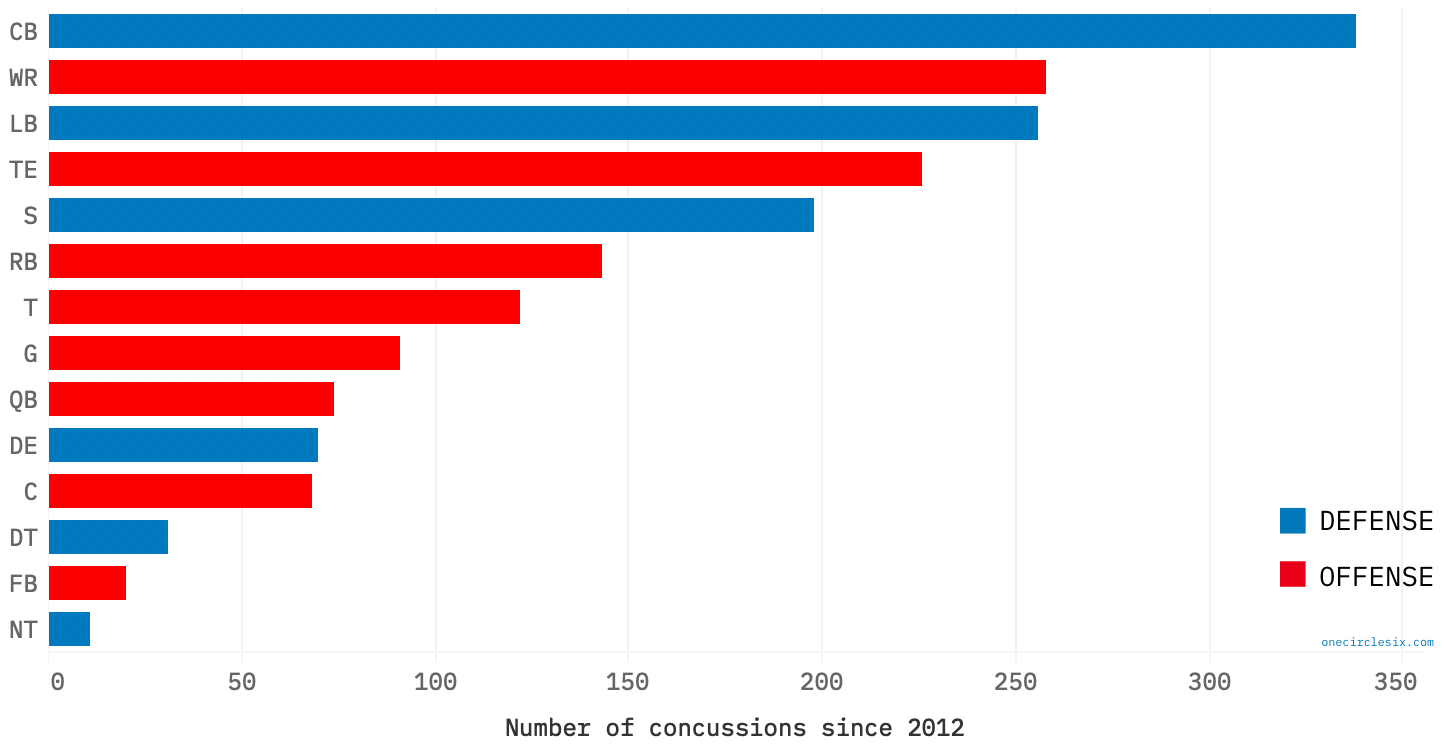
Football is one of the leading sports for concussion injuries. The game involves frequent, high-impact collisions that put players’ heads at serious risk.
Players often experience helmet-to-helmet hits or sudden tackles that cause their brains to shake inside the skull. If you play football, wearing proper protective gear and learning safe tackling techniques can reduce your chances of a concussion.
Ice Hockey
Ice hockey is fast-paced and physical, making it another sport with a high concussion rate. Body checks and accidental collisions against the boards are common causes of head injuries.
Skating at high speeds leaves little time to react, increasing the risk of falls and head impacts. If you skate or play hockey, practicing balance and awareness on the ice can help you avoid dangerous hits.
Rugby
Rugby allows intense physical contact without helmets, which raises the concussion risk. Tackling and scrumming put players in close contact, often leading to unexpected head collisions.
Because protective gear is minimal, technique and communication among teammates are critical for safety. If you play rugby, focusing on proper form and staying alert during play are key ways to protect your head.
Soccer
Soccer might not seem as rough, but it still has a notable concussion risk. Heading the ball and accidental player clashes can cause head injuries.
Even if you don’t use your hands, your head can take a hit from the ball or during a fall. Practicing safe heading techniques and staying aware of your surroundings can minimize your concussion risk in soccer.
Other Sports With Notable Incidences
Several sports show notable rates of concussions beyond the most common ones. These activities involve frequent collisions, falls, or rapid movements. Players in these sports face risks that can lead to head injuries. Understanding these sports helps raise awareness about concussion prevention.
Basketball
Basketball involves fast movements and close contact between players. Collisions while jumping, running, or changing direction can cause concussions. Falls to the hard court surface also increase risk. Players often hit heads during rebounds or loose ball scrambles.
Wrestling
Wrestling has constant physical contact and forceful impacts. Moves like throws and takedowns can cause head injuries. Wrestlers may hit the mat or each other’s bodies hard. The close nature of the sport raises concussion chances.
Lacrosse
Lacrosse combines speed and physical contact with sticks and bodies. Players often collide during plays or fights for the ball. Head impacts come from checks, falls, or accidental hits. Protective gear helps but does not eliminate concussion risks.

Credit: activesafe.ca
Comparative Statistics
Understanding which sports have the most concussions requires looking closely at comparative statistics. These numbers reveal where the risks lie and help you make safer choices or take better precautions. Let’s break down the injury rates, who’s most affected, and how age and gender play a role.
Injury Rates
Football consistently ranks highest for concussion rates among contact sports. Studies show players face about 0.6 to 1.0 concussions per 1,000 athlete exposures (practices or games). Hockey and rugby follow closely, with rates around 0.4 to 0.7 per 1,000 exposures.
Interestingly, sports like soccer and basketball have lower overall concussion rates but still see significant numbers due to their large participation. Soccer’s concussion rate is roughly 0.2 to 0.3 per 1,000 exposures, mostly from headers and collisions. Basketball often sees concussions from player contact or falls.
Demographics
Concussion risk varies widely depending on who is playing. High school athletes experience concussion rates almost double those of college players in comparable sports. This suggests younger, less experienced players might face higher injury risks.
Different sports attract different types of athletes, which affects concussion stats. For example, cheerleading has surprisingly high concussion rates, often overlooked because it’s not seen as a “contact” sport. These numbers challenge common assumptions about safety in various activities.
Age And Gender Factors
Age changes concussion risk and recovery. Younger athletes often take longer to heal, making early detection and care critical. Your age also influences how seriously you should take head impacts and when to return to play.
Gender differences are notable too. Female athletes report concussions at rates 1.5 to 2 times higher than males in comparable sports like soccer and basketball. This may be due to physiological differences or reporting habits, but it highlights the need for gender-specific safety measures.
Have you ever considered how your own age or gender might affect your concussion risk? Understanding these factors can help you advocate for better safety practices in your sport.
Long-term Impacts
Concussions can cause serious problems that last long after the injury. These effects often appear slowly and can change a person’s life. Understanding these long-term impacts helps athletes, coaches, and families make safer choices.
Cognitive Effects
Concussions can harm brain functions like memory and focus. Many people struggle to remember things or find it hard to concentrate. These problems may last for months or even years after the injury. Learning and decision-making skills can also weaken.
Mental Health Concerns
Brain injuries often cause changes in mood and feelings. Anxiety, depression, and irritability become common for those affected. Sleep patterns may be disturbed, making recovery harder. These mental health issues need attention to improve overall well-being.
Career Consequences
Repeated concussions can end sports careers early. Athletes may face challenges returning to their previous skill levels. Some find it difficult to keep jobs outside sports due to cognitive problems. Planning for life beyond sports becomes important for safety and success.
Prevention And Safety Measures
Preventing concussions in sports is crucial for athlete safety. Many sports have high risks, so safety measures help reduce injuries. Teams, leagues, and equipment makers focus on ways to lower concussion chances. These steps protect players and keep sports enjoyable.
Equipment Enhancements
Better gear plays a key role in concussion prevention. Helmets now include improved padding and designs to absorb impact. Mouthguards help reduce shock to the head and jaw. Sports organizations require safer equipment to protect athletes.
- Advanced helmet materials for stronger impact resistance
- Custom-fit gear for better protection and comfort
- New mouthguards designed to reduce brain movement
Rule Changes
Changing rules can lower the risk of head injuries. Many sports limit dangerous plays that cause hits to the head. Penalties discourage unsafe behavior on the field or court. These rule updates focus on making games safer without losing excitement.
- Banning helmet-to-helmet contact in football
- Strict penalties for high hits in hockey
- Rules to reduce collisions in soccer and rugby
Education And Awareness
Teaching players and coaches about concussions is vital. Knowing concussion signs helps players report symptoms early. Training on safe playing techniques reduces risky actions. Awareness campaigns highlight the importance of rest and recovery after injury.
- Concussion symptom checklists for quick recognition
- Workshops on safe tackling and playing methods
- Encouraging honest communication about head impacts
Future Trends In Sports Safety
The future of sports safety focuses on reducing concussions and protecting athletes. Advances in technology, new rules, and strong community support shape safer play. Progress aims to keep sports fun and healthy for everyone.
Technological Innovations
New helmets use smart sensors to detect impacts instantly. These sensors alert coaches and medical staff about possible injuries. Better materials make helmets lighter and more protective. Virtual reality helps players learn safer techniques without risk. Apps track player health and recovery after hits.
Policy Developments
Sports leagues now require strict concussion protocols for all players. Rules limit dangerous moves that cause head injuries. More training for coaches teaches how to spot concussion signs. Some leagues reduce game time to lower injury risk. Schools enforce safer play with clear guidelines.
Community Involvement
Parents and players join efforts to promote safety culture. Local groups run awareness programs about concussion dangers. Volunteers help spread knowledge on prevention and care. Coaches, families, and players work as a team. Shared responsibility makes sports safer for everyone.

Credit: premierneurologycenter.com
Frequently Asked Questions
Which Sports Have The Highest Concussion Rates?
Football, hockey, rugby, and soccer have the highest concussion rates. These contact sports involve frequent collisions, increasing head injury risks. Football leads due to tackles and impacts. Awareness and safety measures are improving, but risks remain significant in these sports.
Why Are Concussions Common In Football And Hockey?
Concussions are common in football and hockey due to high-speed collisions and physical contact. Players often experience direct hits to the head or body, causing brain movement inside the skull. The aggressive nature and protective gear limitations contribute to frequent concussions in these sports.
How Can Athletes Reduce Concussion Risks In Sports?
Athletes can reduce concussion risks by wearing proper helmets and protective gear. Learning correct techniques and following safety rules also help. Strengthening neck muscles and avoiding risky plays reduce head impacts. Education and awareness are essential for safer sports participation.
What Are The Signs Of A Concussion In Sports Players?
Common signs include headache, dizziness, confusion, nausea, and blurred vision. Players might also experience memory loss, sensitivity to light, or balance problems. Immediate medical evaluation is crucial if symptoms appear after a hit. Early detection helps prevent severe brain injury.
Conclusion
Sports like football, hockey, and soccer have the highest concussion risks. Players face strong hits and fast movements that cause injuries. Understanding these risks helps players stay safer on the field. Coaches and trainers must teach proper techniques to reduce head injuries.
Wearing the right gear also plays a big role in protection. Everyone involved should take concussions seriously and act quickly if symptoms appear. Safe play means enjoying sports while protecting the brain. Stay informed. Stay safe. Play smart.