What Sport Has the Most Concussions: Shocking Truth Revealed
Have you ever wondered which sport puts players at the highest risk of concussion? If you or someone you care about plays sports, knowing this can be crucial for staying safe.
Concussions can have serious effects on your brain and your future health. You’ll discover which sport leads the pack in concussion rates and why it happens. Understanding this can help you make smarter choices and protect yourself or your loved ones.
Keep reading to learn the surprising facts and what you can do to stay safe on the field.
Concussion Statistics In Sports
Concussions are a serious concern in sports worldwide. Understanding concussion statistics helps identify which sports pose higher risks. These stats guide players, coaches, and parents on safety measures. Tracking concussion rates also aids in improving rules and equipment to protect athletes.
Annual Concussion Rates
Each year, thousands of athletes suffer concussions across various sports. Contact sports like football, hockey, and rugby show the highest concussion rates. Football alone reports over 100,000 concussions annually in the United States. Soccer and basketball also have notable concussion numbers, especially at youth levels.
These rates vary depending on the sport’s physical intensity and rules. Sports with frequent collisions and tackles tend to cause more concussions. Protective gear reduces risks but does not eliminate the chance of injury. Tracking annual rates helps spotlight sports needing better safety protocols.
Age And Gender Factors
Concussion risk changes with age and gender. Younger athletes often face higher concussion rates than adults in the same sport. Their brains are still developing, making recovery slower and symptoms more severe. Coaches must emphasize safe play to protect young players.
Gender differences also appear in concussion statistics. Female athletes report concussions more frequently than males in sports like soccer and basketball. Some studies suggest females may be more vulnerable due to neck strength and hormonal factors. Awareness of these differences can guide tailored prevention strategies.

Credit: activesafe.ca
Football: A Leading Cause
Football is one of the top sports linked to concussions. The sport’s fast pace and physical nature increase the risk of head injuries. Players often face strong hits, causing the brain to move inside the skull. This movement leads to concussions, a common injury in football.
High-impact Collisions
Football involves many hard hits and tackles. Players run at full speed and collide with force. Helmets protect the head but cannot stop all impacts. These collisions cause the brain to jolt quickly. This quick movement can damage brain cells and cause concussions.
Positions like linebackers and running backs face more hits. They often take and give strong tackles. This increases the chance of concussion in these roles. Repeated hits over time can also lead to serious brain problems.
Youth Football Concerns
Young players are at risk too. Their brains are still developing and more sensitive to injury. Playing football too early or without proper safety can lead to concussions. Many youth leagues now focus on teaching safe tackling methods.
Parents and coaches must watch for signs of concussion in kids. Rest and medical care are important for recovery. Protecting young athletes helps lower the long-term effects of brain injuries.
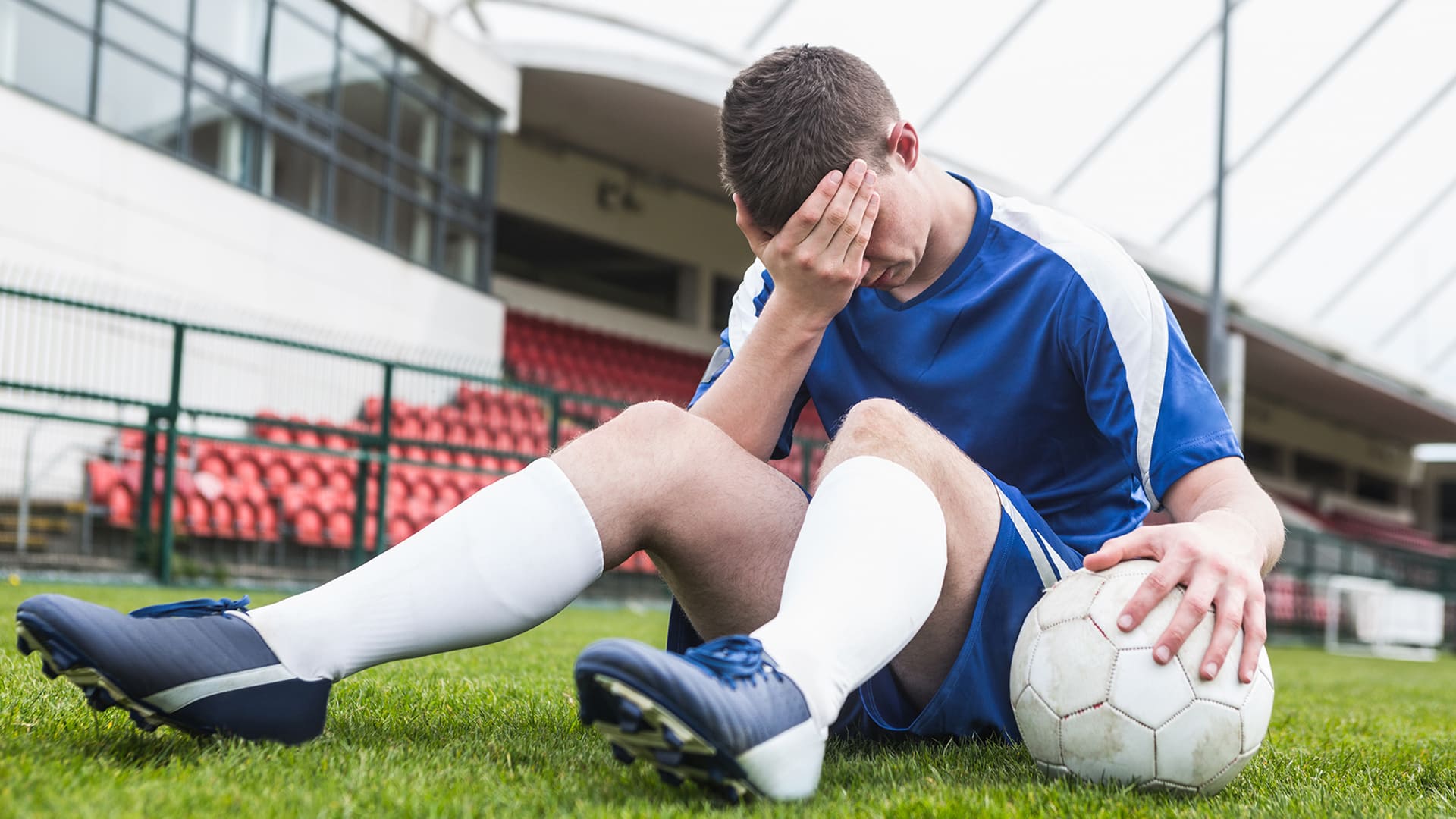
Soccer And Head Injuries
Soccer is often seen as a game of skill and agility, but it also comes with its share of risks—particularly head injuries. While many think of contact sports like football or hockey when discussing concussions, soccer’s unique challenges can be just as dangerous. Understanding how head injuries happen in soccer can help you protect yourself or your loved ones on the field.
Heading The Ball
Heading the ball is one of the most common causes of head injuries in soccer. Each time you head the ball, your brain experiences a small jolt, which can add up over time.
Repeated impacts, even if they don’t cause immediate symptoms, may lead to long-term issues. Some players don’t realize that even a subtle headache after heading the ball could be a warning sign.
Are you paying attention to how often you or your child heads the ball during practice or games? Reducing unnecessary headers, especially in younger players, can lower the risk of concussion.
Professional Vs. Amateur Risks
Professional players face higher risks due to the speed and intensity of the game. They head the ball more frequently and encounter stronger collisions with opponents.
Amateur players, however, might lack the training to protect themselves properly during headers or aerial challenges. Poor technique increases the chance of accidental hits to the head.
Consider this: coaches at all levels should emphasize safe heading techniques and educate players about concussion symptoms. Your awareness and training can make a big difference in preventing serious injuries.

Credit: www.researchgate.net
Hockey: Ice And Impact
Hockey is a fast-paced and physically demanding sport where the icy surface meets high-impact collisions. The nature of the game often puts players at risk of concussions due to the combination of speed, body contact, and hard surfaces. Understanding how these factors play a role in concussion incidents can help you stay safer on the ice.
Body Checks And Falls
Body checks are a key part of hockey and can cause sudden, forceful impacts to the head. When a player is slammed against the boards or falls hard onto the ice, the risk of a concussion spikes dramatically.
Even if you’re experienced, a quick, unexpected hit can leave you disoriented. The ice is unforgiving, and a fall can cause your head to strike the surface or another player.
Have you ever wondered why some hits seem worse than others? It often depends on the angle and speed at which the body check or fall happens, making every situation unique.
Protective Gear Challenges
Hockey helmets are designed to absorb and reduce impact, but they can’t prevent all concussions. The hard hits and sudden stops sometimes exceed what the gear can handle.
Additionally, improper fit or worn-out equipment can reduce protection. You might be surprised to know that even small gaps in helmet padding can increase concussion risk.
Are you checking your gear regularly? Ensuring your helmet fits snugly and is in good condition could be the difference between a mild hit and a serious injury.
Rugby And Physical Intensity
Rugby is known for its intense physical demands and high-contact nature. The sport pushes players to their limits, both mentally and physically. This intensity contributes significantly to the number of concussions seen in rugby compared to other sports.
Scrums And Tackles
Scrums are a unique and powerful aspect of rugby where players pack tightly together and push against the opposing team. This formation generates tremendous force, putting players at risk of head impacts and concussions.
Tackles in rugby are frequent and often high-speed collisions. Unlike some sports that limit tackling techniques, rugby allows full-body tackles, increasing the chance of head injuries. If you’ve ever been on the receiving end of a hard tackle, you know just how jarring it can be.
Comparative Injury Rates
Studies show rugby has one of the highest concussion rates among contact sports. Compared to American football or ice hockey, rugby players experience concussions more often per game hour.
| Sport | Concussions per 1,000 Player Hours |
|---|---|
| Rugby | 8.0 |
| American Football | 6.3 |
| Ice Hockey | 5.5 |
| Soccer | 2.0 |
Knowing these numbers, how do you think rugby training and safety protocols can evolve to better protect players? Awareness and education may be the first step to reducing these alarming concussion rates.
Basketball: Unexpected Risks
Basketball is often seen as a fast, skillful sport with little danger. Yet, it carries unexpected risks that lead to many concussions. Players face sudden collisions, falls, and sharp movements. These moments can cause serious head injuries. Understanding these risks helps players and coaches stay safe.
Contact Plays
Basketball involves close contact between players. This contact often causes head impacts. Jumping for rebounds or fighting for the ball can lead to collisions. Elbows, shoulders, and heads may accidentally hit each other. Even small bumps can cause concussions. Quick movements make it hard to avoid these impacts.
Some common contact plays that cause concussions include:
- Boxing out opponents under the basket
- Driving to the hoop and hitting defenders
- Accidental head clashes during fast breaks
- Falling after a jump or a block
Court Surfaces
The surface of the basketball court affects injury risk. Hardwood floors are hard and unforgiving. Falling or hitting the court can cause the head to bounce. This sudden impact can cause concussions even without player contact.
Some factors related to court surfaces include:
- Hardwood floors have little shock absorption
- Slippery surfaces increase the chance of falls
- Outdoor courts may have rougher or uneven surfaces
- Worn or damaged floors increase injury risk
Players must be careful on all court types. Wearing proper shoes and maintaining good balance helps reduce falls. Courts should be kept clean and smooth to prevent accidents.
Combat Sports: Boxing And Mma
Combat sports like boxing and MMA are known for their intense physicality and high risk of injuries. Among these, concussions stand out as a major concern. Both sports involve repeated impacts to the head, making them some of the leading contributors to sports-related concussions worldwide.
Direct Head Blows
In boxing and MMA, direct head blows are frequent and often unavoidable. Fighters aim for the head to knock out or weaken their opponents, which means your brain faces repeated trauma during matches and training.
These impacts can range from light taps to heavy punches and kicks, each increasing concussion risk. The force behind a well-placed punch can cause your brain to move rapidly inside the skull, leading to a concussion.
Think about the last time you saw a knockout in a fight. That moment usually involves a severe head blow, highlighting just how vulnerable your brain is in these sports.
Long-term Effects
Repeated concussions in boxing and MMA don’t just affect you in the short term; they can cause serious long-term damage. Many fighters experience memory loss, mood swings, and difficulty concentrating years after their careers end.
Chronic traumatic encephalopathy (CTE) is a condition linked to repeated head trauma, common among retired fighters. This shows how the consequences extend beyond the ring, impacting your quality of life.
Are you willing to accept these risks? If you choose to participate, it’s crucial to take protective measures and listen to your body carefully.
Preventive Measures In Sports
Preventing concussions in sports is a top priority for athletes and coaches. Simple changes and new tools help lower the risk of head injuries. Safety in sports improves with smart actions and better gear.
Helmet Innovations
Helmets protect players from severe head impacts. New helmet designs use advanced materials to absorb shock better. Some helmets have extra padding inside to reduce force on the skull. Sensors in helmets track impacts and alert coaches to possible concussions. These improvements help keep athletes safer during play.
Rule Changes
Sports leagues have changed rules to reduce risky plays. Rules now limit dangerous hits and tackles to the head. Penalties for illegal hits teach players to avoid unsafe moves. Some sports have introduced concussion protocols requiring players to be checked before returning. These rule changes promote safer sports environments.
Future Research And Developments
The future of concussion research in sports focuses on better understanding and prevention. Scientists and experts work to reduce risks and improve player safety. New tools and rules aim to protect athletes in all sports.
Technological Advances
Technology plays a key role in concussion research. Sensors in helmets track impacts to the head. These devices provide real-time data to coaches and medical staff. Advanced imaging techniques help detect brain injuries early. Virtual reality is used for safer training and testing. Wearable technology improves monitoring during games and practice sessions.
Policy Implications
Research influences new rules and safety policies in sports. Many leagues now limit contact during practice to reduce injury. Return-to-play protocols have become stricter to protect players. Schools and clubs implement concussion education programs. Policies focus on better diagnosis and treatment of concussions. Ongoing studies guide lawmakers to improve athlete care and safety standards.
Credit: storelli.com
Frequently Asked Questions
What Sport Causes The Most Concussions Worldwide?
American football leads in concussion rates due to frequent high-impact collisions. It has the highest number of reported concussions among contact sports.
Why Are Concussions Common In Contact Sports?
Contact sports involve physical collisions that can jolt the brain. This increases the risk of concussion from impacts and falls during play.
How Does Soccer Rank In Concussion Statistics?
Soccer has a notable concussion rate, especially from heading the ball and player collisions. It is among the top sports for concussion incidents.
Can Concussion Rates Vary By Sport Level?
Yes, professional and youth sports show different concussion rates. Skill, protective gear, and rules affect concussion frequency in each level.
Conclusion
Sports with the most concussions often involve heavy contact. Football, hockey, and rugby top the list. Players face risks every time they compete. Understanding these risks helps players and fans stay safe. Wearing proper gear and following rules reduce injury chances.
Coaches and trainers must prioritize concussion awareness. Everyone should respect the importance of brain health. Safety in sports is a shared responsibility. Awareness leads to better protection for all players. Stay informed and support safer sports practices.