What is Water Fitness: Ultimate Guide to Benefits & Workouts
Have you ever wondered how you can get a full-body workout without putting stress on your joints? Water fitness might be the perfect solution for you.
It’s a fun and effective way to improve your strength, flexibility, and endurance—all while staying cool and comfortable in the water. Whether you’re new to exercise or looking for a low-impact option, water fitness offers benefits that can fit your needs.
Keep reading to discover what water fitness is and how it can transform your approach to staying active.
Water Fitness Basics
Water fitness is a low-impact exercise done in water. It helps improve strength, flexibility, and endurance. The water supports your body, reducing stress on joints. This makes water fitness perfect for all ages and fitness levels.
Exercises use water resistance to build muscle and burn calories. The buoyancy also helps with balance and coordination. Water fitness can be done in a pool or a natural water body. It includes activities like water walking, aqua aerobics, and swimming drills.
What Makes Water Fitness Unique?
Water fitness uses the natural properties of water. The resistance is smooth and constant, unlike weights. It challenges muscles without harsh impact. This reduces injury risk and aids recovery. Water also cools the body during exercise, preventing overheating.
Common Types Of Water Fitness Exercises
- Water walking and jogging
- Aqua aerobics classes
- Swimming laps
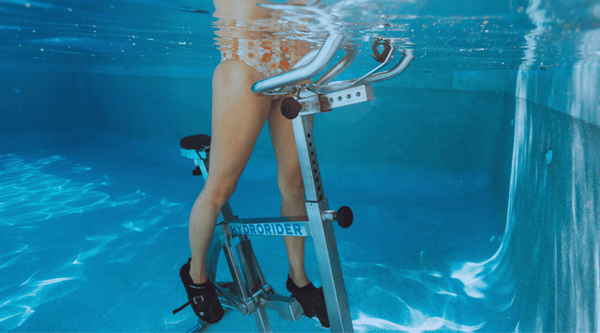
- Water resistance training with equipment
- Stretching and balance exercises in water
Who Can Benefit From Water Fitness?
Water fitness suits people of all ages and abilities. It helps seniors stay active safely. People with arthritis or joint pain find relief. Athletes use it for cross-training and rehab. Beginners can start easily and increase intensity over time.
Basic Equipment Used In Water Fitness
- Water dumbbells for resistance
- Kickboards for support
- Pool noodles for balance
- Water shoes for grip
- Flotation belts for buoyancy
Credit: waterresist.com.au
Benefits Of Water Fitness
Water fitness offers many health benefits for people of all ages. Exercising in water supports the body and reduces strain on joints. This makes workouts safer and more comfortable. The resistance of water helps build strength and improve endurance. Many find water fitness fun and refreshing, which keeps them motivated to stay active.
Improved Cardiovascular Health
Water fitness increases heart rate and improves blood circulation. It helps strengthen the heart without putting too much pressure on it. This type of exercise promotes better lung capacity and oxygen use. Regular sessions can reduce the risk of heart disease and high blood pressure.
Enhanced Muscle Strength
The natural resistance of water works muscles hard during every movement. It tones muscles evenly and builds strength without heavy weights. Water workouts engage multiple muscle groups at once. This leads to improved overall body strength and endurance.
Low-impact Exercise
Water supports body weight and reduces stress on joints. It lowers the risk of injury and pain during exercise. This makes water fitness ideal for people with arthritis or injuries. It allows a full workout without harsh impact on bones and muscles.
Stress Relief And Relaxation
Being in water has a calming effect on the mind and body. Water fitness helps reduce stress hormones and anxiety levels. The gentle movements and warm water promote relaxation. Many feel refreshed and peaceful after each session.
Flexibility And Mobility
Water fitness improves joint flexibility and range of motion. The buoyancy of water encourages smooth, controlled movements. This helps increase mobility and reduce stiffness. People often find better movement in daily activities after training in water.
Popular Water Fitness Activities
Water fitness offers a variety of activities that suit different interests and fitness levels. You can find options that boost your strength, improve flexibility, or simply keep you moving while having fun. Here are some popular water fitness activities you might want to try.
Aquatic Aerobics
Aquatic aerobics combines traditional aerobic exercises with the resistance of water. The water cushions your joints, making every movement easier and less painful. I once tried a class and noticed how my usual workout felt gentler yet equally challenging.
These classes often include moves like jumping jacks, leg lifts, and arm circles, all done in water. You get a full-body workout without the harsh impact on your body. Have you ever thought about how water resistance could add intensity without strain?
Water Yoga
Water yoga takes traditional yoga poses into the pool. The buoyancy helps with balance and allows you to stretch deeper than on land. It felt surprisingly calming to hold poses with the water supporting my body weight.
This activity improves flexibility and promotes relaxation. Plus, the water’s gentle pressure can reduce swelling and improve circulation. Could this be the gentle yet effective exercise your body needs?
Swimming
Swimming remains one of the most effective water fitness activities. It works every muscle, builds endurance, and increases cardiovascular health. When I started swimming regularly, I noticed better stamina and less joint pain within weeks.
Whether you swim laps or do water drills, it’s a low-impact exercise that suits all ages. What stroke do you enjoy most, and have you tried mixing styles to keep it interesting?
Water Pilates
Water Pilates adapts traditional Pilates exercises to the pool, focusing on core strength and muscle tone. The water adds resistance, making movements slower and more controlled. This helped me engage muscles I didn’t even realize I had.
It’s great for improving posture and balance while being gentle on the body. Would a stronger core in a low-impact setting improve your daily comfort?
Aqua Zumba
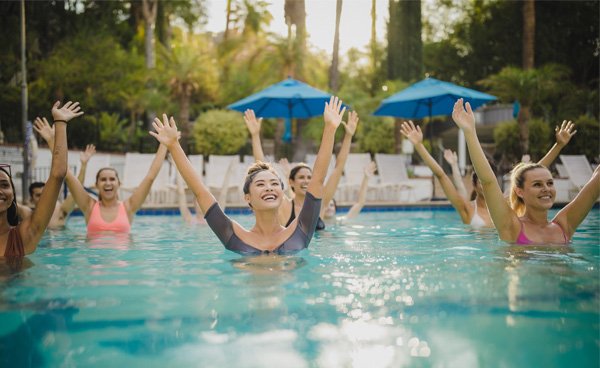
Aqua Zumba blends dance and water exercise into a lively workout. The music and group energy make it feel more like a party than a workout. I found myself smiling and sweating at the same time, which kept me coming back.
This activity burns calories and improves coordination without stressing your joints. Could this be the fun workout that keeps you motivated longer?
Choosing The Right Water Fitness Gear
Choosing the right water fitness gear is key to a safe and effective workout. The correct equipment improves comfort and helps you perform better. It also protects your body from injuries and keeps you confident in the water. Knowing what gear suits your needs makes your sessions more enjoyable and productive.
Swimwear Essentials
Swimwear should fit snugly and allow free movement. Look for materials that dry quickly and resist chlorine damage. One-piece swimsuits and swim trunks are popular choices. Avoid loose clothing that can drag in the water. Comfortable swimwear helps maintain focus during exercises.
Aquatic Footwear
Water shoes protect feet from rough surfaces and slippery floors. They provide stability during balance exercises. Choose shoes with good grip and quick-drying material. Lightweight options improve agility in the pool. Proper footwear reduces the risk of cuts and falls.
Resistance Equipment
Resistance tools add intensity and variety to workouts. Common options include water dumbbells, resistance gloves, and ankle weights. These items increase muscle strength and endurance. Use equipment that matches your fitness level. Start with lighter resistance and progress gradually.
Safety Accessories
Safety gear ensures confidence and protection during sessions. Goggles protect eyes from chlorine and improve visibility. Swim caps keep hair out of the face and reduce drag. Floatation belts assist with balance and buoyancy. Always choose safety items that fit well and feel comfortable.
Creating A Water Fitness Routine
Creating a water fitness routine helps you stay active and enjoy the benefits of exercise. Water workouts reduce stress on joints and improve strength. A well-planned routine keeps you motivated and ensures steady progress.
Setting Goals
Clear goals guide your water fitness routine. Decide what you want to achieve, like improving endurance, losing weight, or building muscle. Set small, realistic targets to track progress easily. Goals help maintain focus and give a sense of achievement.
Frequency And Duration
Plan how often and how long to exercise in water. Aim for at least 3 sessions per week to see results. Start with 20 to 30 minutes per session. Gradually increase time as your strength and stamina improve. Consistency is key for lasting benefits.
Mixing Different Activities
Variety keeps your routine fun and effective. Combine swimming, water aerobics, and resistance exercises. Use water weights or noodles for strength training. Mixing activities targets different muscle groups. It prevents boredom and helps avoid plateaus.
Tips For Beginners
Starting water fitness is exciting and can improve health quickly. Beginners should prepare well to enjoy workouts safely and effectively. Simple tips can help build confidence and make exercise fun. Focus on comfort, learning pace, and tracking improvements for the best experience.
Finding A Suitable Facility
Choose a pool with warm water and good cleanliness. Look for places with trained instructors and beginner classes. Check if the pool has shallow areas for easy movement. A friendly environment helps reduce worries and encourages regular visits.
Starting Slowly
Begin with short sessions to avoid fatigue. Learn basic movements before trying harder exercises. Use flotation devices if needed for support. Pay attention to your body and rest when tired. Gradually increase time and intensity over weeks.
Monitoring Progress
Keep a simple journal of your workouts and feelings. Note changes in strength, flexibility, and energy. Celebrate small improvements to stay motivated. Ask instructors for feedback on your technique. Tracking progress helps maintain focus and reach goals.
Common Misconceptions
Water fitness is often misunderstood, leading many to overlook its benefits or dismiss it as too easy or limited. These misconceptions can stop you from trying a workout that might perfectly suit your needs and goals. Let’s clear up some common myths that might be holding you back.
Water Fitness As A Sole Workout
Some believe water fitness is only a gentle activity and not enough for a complete workout. But water exercises can be intense and effective, targeting different muscle groups and improving cardiovascular health.
Think about how water resistance works. It naturally adds challenge without harsh impact on your joints. You can get a full-body workout, build strength, and boost endurance, all in one session.
Complexity Of Exercises
Many people assume water fitness routines are simple and repetitive. The truth is, there is a wide range of exercises you can try, from basic movements to advanced techniques that require coordination and strength.
For example, water jogging, leg lifts, and resistance band exercises in water are more complex than they appear. Are you ready to experiment with different moves that keep your workout fresh and exciting?
Age And Water Fitness
Another misconception is that water fitness is only for older adults or those with injuries. While it’s true that water workouts are excellent for these groups, they also suit people of all ages and fitness levels.
Water fitness can be adapted to your personal pace and ability. Whether you’re a teenager, middle-aged, or senior, it offers a safe and fun way to stay active. What if water fitness became your new favorite workout, regardless of your age?
Advanced Water Fitness Techniques
Advanced water fitness techniques push your workout beyond simple movements. They increase intensity and build strength efficiently. These methods use water resistance to challenge your muscles and improve endurance. Water’s natural buoyancy reduces joint stress, making exercise safer and effective.
These techniques combine cardiovascular and strength training. They improve flexibility, balance, and overall fitness. Practicing advanced water fitness can tone muscles and burn calories faster. Here are some key techniques used in advanced water workouts.
Interval Training
Interval training alternates between high and low effort periods. You swim or move fast for a short time, then slow down to recover. This pattern repeats several times. It boosts heart rate and improves aerobic capacity quickly. Water resistance adds challenge while protecting your joints.
High-intensity Workouts
High-intensity workouts in water raise your effort close to maximum. Movements include fast kicks, jumps, and punches against water resistance. These exercises burn more calories in less time. They also increase muscle strength and stamina. Short bursts of hard work followed by rest make the workout effective.
Underwater Strength Training
Underwater strength training uses water weights or resistance tools. Exercises focus on muscle building and toning. Water slows down movements, increasing muscle work. This method strengthens core, arms, legs, and back muscles. It is gentle on joints but tough on muscles.
Water Fitness For Special Populations
Water fitness offers unique benefits for special populations by providing a safe, low-impact environment for exercise. The buoyancy of water reduces stress on joints and muscles, making it easier to move and build strength. Whether you’re a senior, expecting mother, or recovering from an injury, water workouts can be tailored to your needs and abilities.
Seniors And Water Fitness
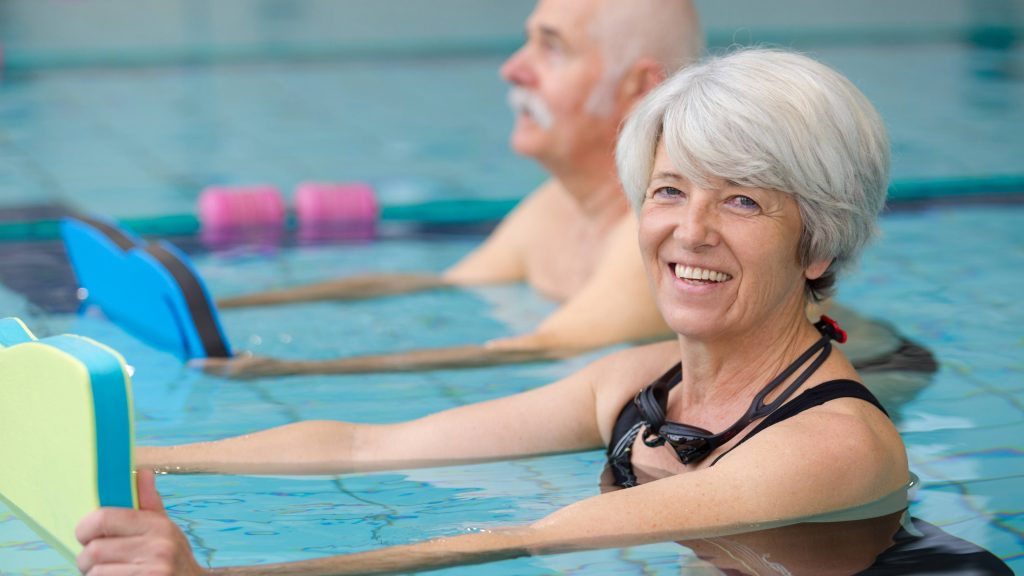
Water fitness is ideal if you’re a senior looking to stay active without risking joint pain or injury. The water supports your body, allowing you to perform movements that might be difficult on land. This can improve balance, flexibility, and cardiovascular health.
Many seniors report feeling more confident and energized after water workouts. Have you noticed how water reduces the fear of falling? This makes it easier to try new exercises and maintain a consistent routine.
Pregnancy And Water Exercise
Pregnancy can bring physical challenges, but water exercise offers relief and strength without overheating or strain. The water’s buoyancy supports your growing belly, reducing back pain and swelling.
Swimming or gentle water aerobics can help keep your muscles toned and improve circulation. Do you experience fatigue during pregnancy? Water workouts often leave you feeling refreshed instead of drained.
Rehabilitation And Recovery
If you’re recovering from surgery or injury, water fitness can speed up healing by allowing you to move without putting weight on affected areas. The water’s resistance helps rebuild strength gradually and safely.
Therapists often recommend water exercises to regain mobility and reduce stiffness. Have you tried exercises like water walking or leg lifts? These can be gentle yet effective ways to regain your strength and confidence.
Credit: newsnetwork.mayoclinic.org
Credit: glenivy.com
Frequently Asked Questions
What Is Water Fitness And How Does It Work?
Water fitness involves exercises performed in water to improve strength and flexibility. The water’s resistance adds intensity without straining joints. It’s ideal for low-impact workouts and suits all fitness levels.
What Are The Main Benefits Of Water Fitness?
Water fitness improves cardiovascular health, builds muscle strength, and enhances flexibility. It reduces joint stress and helps with weight management. It’s also great for rehabilitation and overall body conditioning.
Who Can Practice Water Fitness Safely?
Water fitness is safe for all ages, especially seniors and those with joint problems. Pregnant women and people recovering from injuries benefit from its low-impact nature. Beginners can start with guided classes for best results.
How Does Water Fitness Compare To Traditional Workouts?
Water fitness offers resistance training with less joint impact than traditional workouts. It burns calories effectively and improves endurance. The buoyancy supports body weight, reducing injury risk while enhancing muscle tone.
Conclusion
Water fitness offers a gentle way to stay active and healthy. It works your muscles without harsh impact on joints. Many people enjoy its fun and refreshing nature. You can improve strength, balance, and endurance in water. It suits all ages and fitness levels.
Try water exercises to feel stronger and energized. Simple moves in water make a big difference. Give water fitness a chance for a healthier life.