How Should.Shoes Fit: Ultimate Guide for Perfect Comfort
Have you ever bought a pair of shoes that looked great but left your feet sore by the end of the day? The secret isn’t just style—it’s about how your shoes fit.
Wearing shoes that fit well can change the way you feel, move, and even your health. But how do you know if your shoes fit the right way? You’ll discover simple tips to find the perfect fit that keeps your feet comfortable, supported, and pain-free.
Keep reading to learn how to make every step feel just right.
Credit: treadlabs.com
Importance Of Proper Shoe Fit
Proper shoe fit matters more than many realize. Shoes that fit well keep feet healthy and comfortable. They prevent pain, blisters, and long-term foot problems. Wearing the right size protects your posture and balance. It helps you walk and run with ease.
Poor shoe fit causes pressure and friction. This can lead to calluses, corns, or even infections. Tight shoes squeeze toes, reducing blood flow. Loose shoes cause slipping and instability. Both can increase the risk of injury.
Choosing shoes that fit properly supports your daily activities. It improves your overall foot function. Proper fit boosts confidence by making movement pain-free. Healthy feet contribute to a better quality of life.
Foot Health And Comfort
Good shoe fit reduces foot fatigue and soreness. It allows natural toe movement and arch support. Cushioned soles absorb shock and protect joints. Comfortable shoes encourage longer walking or standing without pain.
Preventing Foot Problems
Ill-fitting shoes cause blisters, bunions, and hammertoes. Tight shoes deform toes and restrict circulation. Loose shoes create friction, leading to skin damage. Proper fit helps avoid these common issues.
Improved Posture And Balance
Shoes that fit well support your feet’s natural shape. This alignment improves posture and reduces back pain. Stable footing enhances balance and prevents falls. Properly fitted shoes are essential for overall body health.

Credit: www.youtube.com
Measuring Your Feet
Measuring your feet is the first step to finding shoes that fit well. Feet can change size over time due to many reasons like age or activity. Knowing your exact foot size helps avoid discomfort and foot problems. It also ensures better support and balance.
Measure feet at the end of the day. Feet tend to swell after walking or standing. Wear the socks you plan to use with the shoes. Use the correct tools for accuracy. Follow a simple process to get the right size.
Tools Needed
- A ruler or measuring tape
- A piece of paper larger than your foot
- A pen or pencil
- A flat surface to stand on
- A chair for sitting while measuring
Step-by-step Guide
- Place the paper on the flat surface.
- Sit down and put your foot firmly on the paper.
- Trace the outline of your foot with the pen.
- Mark the tip of your longest toe and the back of your heel.
- Remove your foot and use the ruler to measure the length between marks.
- Measure the width at the widest part of your foot.
- Repeat with the other foot, as sizes may differ.
- Note the measurements in inches or centimeters.
Different Shoe Types And Their Fit
Different types of shoes serve different purposes, and their fit should reflect how you use them. Wearing the wrong size or shape can cause discomfort, pain, or even injury. Understanding how each shoe type should fit helps you choose the right pair and wear them comfortably for longer.
Athletic Shoes
Athletic shoes need to provide support, flexibility, and cushioning. Your toes should have enough room to wiggle but not slide forward when you run or jump. A snug fit around the heel prevents blisters and keeps your foot stable during intense activities.
Try on athletic shoes at the end of the day when your feet are slightly swollen. This helps avoid buying shoes that feel tight after a workout. If you plan to wear thick socks, bring them along to get the best fit.
Dress Shoes
Dress shoes often have a narrower shape, so paying attention to fit is crucial to avoid pinching. Your foot should feel secure but never cramped, especially in the toe box. Keep in mind that leather dress shoes may stretch slightly over time, so a snug fit at first is okay but not painful.
Check if the shoe’s arch support matches your foot’s curve. Poor support can make long wear uncomfortable, especially at events or work. Walking around the store for a few minutes helps you notice any pressure points early.
Casual Shoes
Casual shoes offer more flexibility in fit but should still feel comfortable from the start. They often have softer materials, so avoid buying too loose to prevent rubbing or blisters. Make sure the sole supports your daily activities, whether you walk a lot or just wear them around town.
Think about the shoe’s purpose: Do you need extra cushion for long walks or a lighter feel for quick errands? Trying on different styles helps you find what fits your lifestyle and foot shape best. How do your casual shoes feel after a few hours of wear?
Signs Of Poor Shoe Fit
Shoes that do not fit well cause many problems. You may notice some signs right away. Other signs appear after wearing shoes for a long time. Recognizing these signs helps protect your feet and overall health.
Physical Discomfort
Shoes that are too tight or too loose create pain. You might feel:
- Blisters or sores on your feet
- Redness or swelling in certain areas
- Numbness or tingling sensations
- Pressure points that hurt while walking
- Chafing or rubbing inside the shoe
Such discomfort makes walking hard and unpleasant. Your feet should feel supported, not squeezed or loose.
Long-term Health Issues
Wearing poorly fitting shoes over time can cause serious problems. These include:
- Foot deformities like bunions or hammertoes
- Chronic pain in feet, knees, or hips
- Changes in your walking pattern
- Increased risk of falls or injuries
- Development of calluses and corns
Ignoring poor shoe fit can affect your overall body health. Comfortable shoes support your feet and keep you active.
Tips For Trying On Shoes
Trying on shoes the right way helps you find a perfect fit. It stops discomfort and foot pain later. Follow simple tips to make shoe shopping easier and more effective.
Timing Your Shoe Shopping
Feet swell during the day, especially after walking or standing. Shop for shoes in the afternoon or evening. This ensures the shoes fit well when your feet are at their largest. Avoid buying shoes in the morning. They may feel tight later in the day.
Understanding Shoe Size Variations
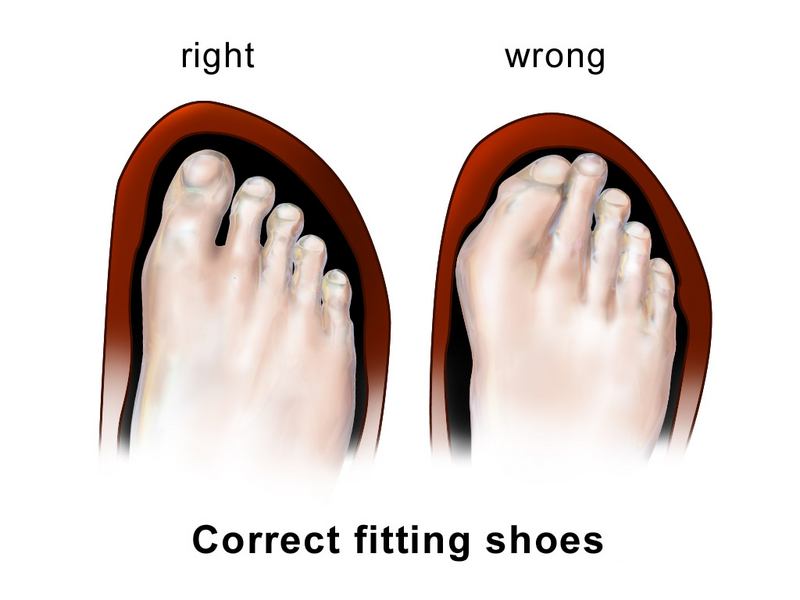
Shoe sizes can differ between brands and styles. Always try on both shoes and walk around the store. Check for enough space at the toes—about a half-inch is good. Look for snugness around the heel to prevent slipping. Sizes may change if the shoe is made of different materials.
Credit: www.facebook.com
Common Shoe Fit Problems
Shoe fit problems affect comfort and foot health. Many people face issues that cause pain or blisters. Understanding common fit problems helps you choose better shoes.
Too Tight
Shoes that are too tight squeeze your feet. This limits blood flow and causes discomfort. Tight shoes can lead to blisters, corns, and bunions. Your toes may feel cramped or bent. Avoid shoes that press hard on your foot sides or top.
Too Loose
Shoes that are too loose cause your feet to slide inside. This creates friction and can lead to blisters. Loose shoes reduce stability and may cause ankle twists. Your heel might slip out when walking. Ensure shoes hold your feet firmly without squeezing.
Pressure Points
Pressure points happen where shoes press too hard on small areas. These spots cause pain, redness, or sores. Pressure points often appear near seams or stiff parts of the shoe. Padding or adjusting laces can reduce pressure. Look for shoes with soft materials and good cushioning.
Choosing The Right Shoe Material
Choosing the right shoe material plays a crucial role in how your shoes fit and feel throughout the day. The material affects flexibility, breathability, durability, and overall comfort. Understanding the pros and cons of different materials can help you pick shoes that support your feet perfectly.
Leather
Leather shoes mold to the shape of your feet over time, providing a custom fit that many find comfortable. They are durable and often look better with age, which adds value to your investment. However, leather can be stiff initially, so consider breaking them in gradually to avoid discomfort.
Have you noticed how some leather shoes seem to adapt uniquely to your foot contours? That’s why they often become favorites in your wardrobe. Just remember to check if the leather is soft or rigid before buying, as this affects how soon they’ll feel comfortable.
Synthetic Fabrics
Synthetic materials offer lighter weight and often come in vibrant designs that leather can’t match. They tend to be more affordable and easier to clean, making them a practical choice for active lifestyles. But synthetic fabrics might lack the breathability and flexibility that natural materials provide.
If you spend lots of time on your feet, ask yourself whether durability or ease of maintenance matters more. Some synthetic shoes can feel stiff or cause sweating, so try them on and walk around before committing. You want a shoe that works with your daily routine, not against it.
Breathable Options
Materials like mesh or knit fabrics excel at letting air circulate, helping to keep your feet cool and dry. This can prevent odor and reduce the risk of blisters caused by moisture buildup. Breathable shoes are especially useful in warm weather or during intense physical activities.
Think about how your feet react during long walks or workouts. Do they get hot or sweaty? If yes, choosing shoes with breathable uppers might make a noticeable difference in comfort. Pairing breathability with good arch support could be the key to happier feet all day long.
Custom And Orthopedic Solutions
Finding shoes that fit perfectly can be a real challenge, especially if you have unique foot shapes or specific health needs. Custom and orthopedic solutions offer a tailored approach that standard shoes often miss. These options focus on comfort, support, and long-term foot health, making your footwear not just a fashion choice but a wellness investment.
Custom-made Shoes
Custom-made shoes are crafted specifically for your feet. They take into account your foot size, shape, and any special conditions like bunions or high arches. Imagine shoes that don’t pinch, rub, or cause blisters because they are designed just for you.
Working with a specialist to measure your feet ensures precision. This process can feel like a game-changer if you’ve struggled with off-the-shelf shoes that never feel quite right. Would you believe that a well-fitted custom shoe can actually improve your walking posture and reduce fatigue?
Orthotic Inserts
Orthotic inserts are another powerful solution for improving shoe fit and foot comfort. These are specially designed pads or supports that you place inside your shoes. They help correct foot alignment, provide extra cushioning, and relieve pressure points.
Many people notice immediate relief from foot pain after adding orthotic inserts to their everyday shoes. Whether you have flat feet, plantar fasciitis, or just need better arch support, orthotics can make a big difference. Have you tried inserts before, or do you think your feet might benefit from that extra level of support?
Caring For Your Shoes
Caring for your shoes helps keep them comfortable and lasting longer. Proper care maintains their shape and appearance. It also prevents damage from dirt and moisture. Simple habits can make a big difference in shoe life.
Cleaning Tips
Remove dirt and dust regularly with a soft brush or cloth. Use mild soap mixed with water for stubborn stains. Avoid soaking shoes completely to protect materials. For leather shoes, apply a leather cleaner and conditioner. Let shoes air dry naturally, away from direct heat sources.
For suede shoes, use a suede brush to lift dirt gently. Avoid using water on suede, as it may cause stains. Clean the shoe soles with a damp cloth or old toothbrush. Regular cleaning keeps shoes looking fresh and prevents odor build-up.
Storage Solutions
Store shoes in a cool, dry place to avoid mold and mildew. Use shoe trees to keep shape and absorb moisture. If shoe trees are unavailable, stuff shoes with clean paper. Keep shoes away from direct sunlight to prevent color fading. Use breathable shoe bags or boxes for protection against dust.
Rotate shoes to allow time for airing and rest. Avoid piling shoes on top of each other to prevent damage. Proper storage helps maintain shoe fit and appearance for longer.
Frequently Asked Questions
How Tight Should Shoes Fit On My Feet?
Shoes should fit snugly but not tightly. There must be enough room to wiggle your toes. Avoid shoes that pinch or cause discomfort.
How Much Space Is Needed At The Shoe Toe?
Leave about a half-inch space between your longest toe and shoe tip. This prevents pressure and allows natural foot movement.
Should Shoes Feel Comfortable Right Away?
Yes, shoes should feel comfortable immediately. They may stretch slightly but should not cause pain or blisters during first wear.
Can Shoes Be Too Loose And Cause Problems?
Yes, loose shoes can cause blisters and instability. Proper fit avoids slipping and provides necessary support for walking.
Conclusion
Choosing the right shoe fit keeps your feet healthy and comfortable. Shoes that fit well support your steps and reduce pain. Always check the space around your toes and heel. Remember, tight shoes cause blisters and foot problems. Take your time when trying new shoes.
Walking in them helps you feel the true fit. Good shoes make daily walking easier and safer. Your feet deserve shoes that fit just right.