What is Sports Massage Therapy: Ultimate Guide to Recovery & Relief
Have you ever wondered how athletes bounce back so quickly from tough workouts or injuries? The secret often lies in sports massage therapy.
This specialized massage goes beyond relaxation—it targets your muscles, helping to reduce pain, improve performance, and speed up recovery. Whether you’re an athlete or someone who just wants to feel better after physical activity, understanding sports massage therapy can change the way you care for your body.
Keep reading to discover how this powerful technique can help you move easier, feel stronger, and stay injury-free.

Credit: otsnj.com
Benefits Of Sports Massage Therapy
Sports massage therapy offers a wide range of benefits that go beyond simple muscle relief. Whether you’re an athlete or someone who enjoys regular physical activity, understanding these benefits can change how you approach your recovery and performance. The effects of sports massage reach your body and mind, helping you feel better and perform stronger.
Physical Benefits
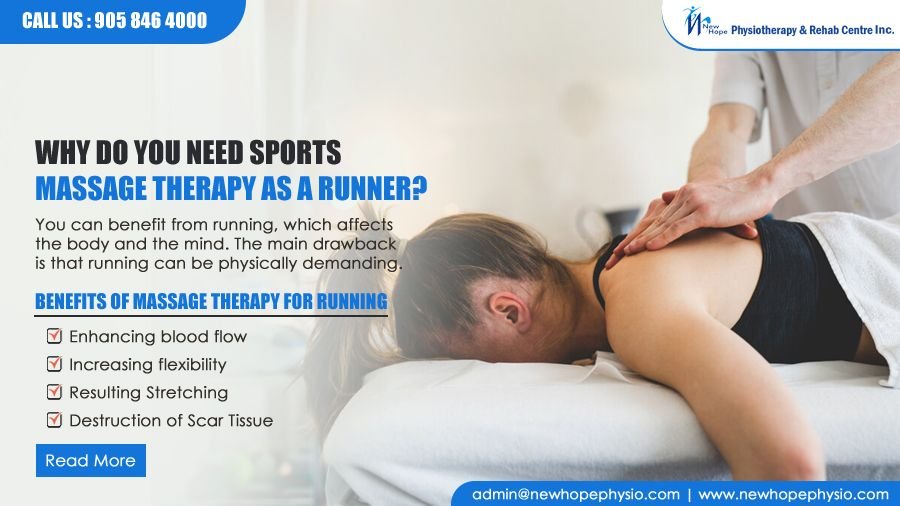
Sports massage therapy helps reduce muscle tension and stiffness. This can prevent injuries by keeping your muscles flexible and ready for action. It also promotes better blood flow, which speeds up the healing of sore or damaged tissues.
You might notice quicker recovery times after intense workouts. For example, athletes often feel less soreness and tightness after a session. This means you can get back to training or your favorite activity sooner and with less discomfort.
Mental Benefits
Massage doesn’t just relax your muscles; it calms your mind too. It lowers stress hormones and can help reduce anxiety levels. Many people report feeling more focused and less mentally exhausted after a session.
Think about how much tension builds up during intense training or competition. Sports massage helps you release that tension, making it easier to stay motivated and positive. You might even find that your sleep improves, which is essential for both mental and physical health.
Performance Enhancement
Regular sports massage can actually improve your athletic performance. By reducing muscle tightness and improving circulation, your body moves more efficiently. This can increase your strength, speed, and endurance.
Have you ever felt held back by tight muscles or nagging pain? Addressing these issues with massage can help you push past plateaus and reach new personal bests. Many athletes use massage as a key part of their training routine to stay at the top of their game.
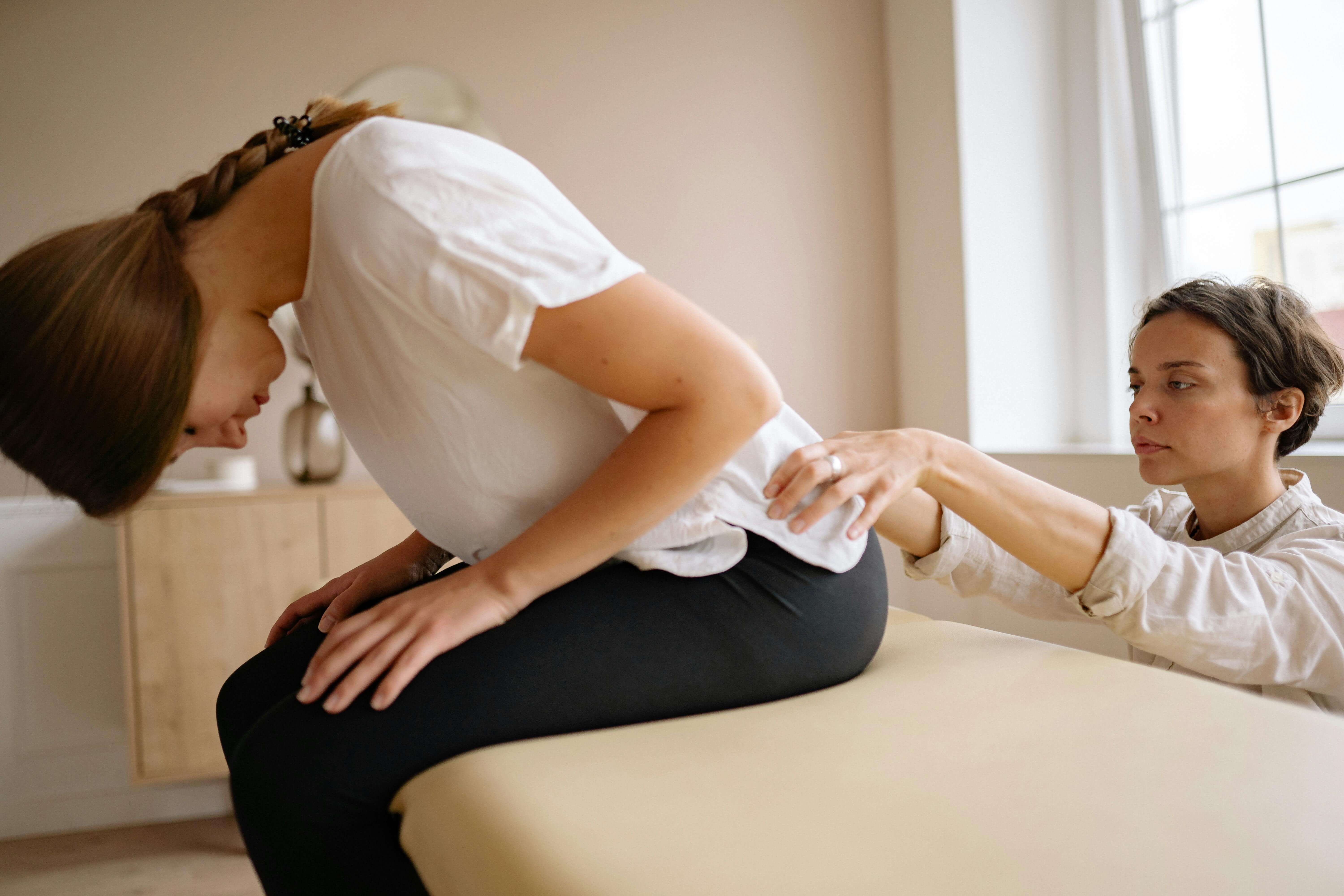
Credit: www.aiam.edu
Techniques Used In Sports Massage
Sports massage therapy uses several key techniques to improve muscle function and recovery. These techniques help reduce pain, increase blood flow, and relax tight muscles. Each method targets the body in a specific way to support athletic performance and healing.
Effleurage
Effleurage involves long, smooth strokes over the skin. It warms up muscles and increases circulation. This gentle technique prepares the body for deeper massage work.
Petrissage
Petrissage uses kneading and rolling motions on muscles. It loosens tight tissue and breaks down knots. This technique helps improve muscle flexibility and movement.
Friction
Friction applies deep pressure in small, circular movements. It targets scar tissue and adhesions. This technique aids in healing and reduces stiffness.
Tapotement
Tapotement uses rhythmic tapping or pounding on muscles. It stimulates nerves and promotes relaxation. This method increases blood flow and energizes muscles.
Vibration
Vibration involves rapid shaking or trembling of muscles. It helps release tension and calm the nervous system. This technique can reduce muscle soreness and improve recovery.
Common Injuries Treated
Sports massage therapy targets injuries common in athletes and active people. It helps reduce pain, improve movement, and speed recovery. Knowing which injuries it treats helps understand its benefits.
Muscle Strains
Muscle strains happen when fibers stretch or tear. This causes pain and stiffness. Sports massage therapy loosens tight muscles and improves blood flow. This eases pain and helps muscles heal faster.
Ligament Sprains
Ligament sprains occur when ligaments stretch too far or tear. This injury causes swelling and weakness. Massage therapy can reduce swelling and improve joint movement. It supports faster healing of ligaments.
Tendonitis
Tendonitis means inflammation of a tendon. It causes pain and limits motion. Sports massage reduces inflammation and breaks down scar tissue. This helps tendons heal and regain strength.
Delayed Onset Muscle Soreness (doms)
DOMS is muscle pain after intense exercise. It usually appears 24 to 72 hours later. Massage therapy relieves soreness and reduces muscle tightness. It speeds recovery and prepares muscles for the next workout.
Who Can Benefit From Sports Massage
Sports massage therapy offers benefits that extend far beyond professional athletes. Whether you push your body hard during workouts or simply want to feel better in daily life, this therapy can support your physical health in meaningful ways. Understanding who can benefit helps you decide if sports massage fits into your wellness routine.
Athletes
Athletes often face muscle tightness, soreness, and injuries from intense training. Sports massage helps reduce recovery time and improves flexibility, allowing you to perform at your best. If you’ve ever experienced that deep muscle ache after a tough game or race, sports massage can target those specific areas to speed healing and prevent future strain.
Fitness Enthusiasts
If you regularly hit the gym or enjoy activities like running, cycling, or yoga, sports massage can enhance your results. It helps release muscle tension and boosts circulation, which means less soreness and quicker recovery between sessions. Imagine feeling less stiff after a workout and more ready to tackle your next challenge—that’s the kind of advantage sports massage offers.
Non-athletes
You don’t have to be an athlete to gain from sports massage. People with desk jobs, chronic pain, or stress-related muscle tightness can find relief. Have you noticed how sitting all day affects your neck and shoulders? Sports massage can target those problem areas, easing discomfort and improving your overall mobility.
Preparing For A Sports Massage
Preparing for a sports massage helps you get the most benefits. Proper preparation makes the session more comfortable and effective. It also helps your body respond better to the therapy. Below are key points to consider before your appointment.
What To Wear
Wear loose and comfortable clothes. Avoid tight outfits that limit movement. Sportswear or gym clothes work well. You may need to change into a robe or towel provided by the therapist. Choose clothing easy to remove or adjust.
Hydration Tips
Drink plenty of water before your massage. Staying hydrated helps muscles relax and recover. Avoid alcohol or caffeine as they can dehydrate your body. Aim to drink water steadily throughout the day before your session.
Pre-massage Instructions
- Arrive a few minutes early to relax and fill out any forms.
- Inform the therapist about injuries or pain areas.
- Avoid heavy meals at least one hour before the massage.
- Take a warm shower to loosen muscles if possible.
- Turn off your phone to prevent interruptions.
Post-massage Care
After a sports massage therapy session, how you care for your body can make all the difference in how effective the treatment is. Post-massage care helps your muscles heal, reduces soreness, and maintains the benefits of the massage. Paying attention to simple steps can speed up recovery and keep you feeling your best.
Hydration
Drinking plenty of water after your massage is crucial. Massage helps release toxins from your muscles, and water flushes them out of your system. Aim to drink at least 8 to 10 glasses of water within the next 24 hours to support this detox process.
If you’ve ever felt stiff or tight after a massage, dehydration might have been the cause. Keeping a water bottle nearby after your session can remind you to stay hydrated. Herbal teas or electrolyte drinks are also good options if you prefer something warm or flavored.
Rest And Recovery
Giving your body time to rest after a sports massage is essential. Avoid intense workouts or heavy physical activity for at least 24 hours. This allows your muscles to relax and repair properly.
Light stretching or gentle walking can help maintain circulation without stressing your body. Think about how your body feels—if you’re tired or sore, listen and give yourself permission to slow down. Have you noticed how resting after massage improves your overall performance?
Follow-up Appointments
Scheduling follow-up sessions keeps your muscles in top shape and prevents injuries. Your therapist can tailor treatments based on how your body responds each time. Regular visits can catch tight spots early before they turn into serious problems.
Don’t wait until pain returns to book another appointment. Instead, treat massage therapy as part of your regular wellness routine. How often you need follow-ups depends on your activity level and goals, so discussing this with your therapist can create a personalized plan.
Choosing A Sports Massage Therapist
Choosing the right sports massage therapist can make a big difference in your recovery and performance. It is important to find someone who understands your needs and has the proper skills. The right therapist will help relieve pain, improve flexibility, and prevent injuries.
Certification And Experience
Check the therapist’s certifications to ensure they have formal training. Certified therapists have completed specific courses and passed exams. Experience matters too. Therapists who have worked with athletes understand common sports injuries better. They use techniques tailored to your sport and body.
Client Testimonials
Read reviews and testimonials from previous clients. Honest feedback shows how effective the therapist is. Look for comments about professionalism, technique, and results. Positive testimonials build trust and confidence in their service.
Specialization
Some therapists focus on specific sports or injury types. Choose one who specializes in your sport or condition. Specialized therapists know the best methods to treat your unique needs. This focus helps achieve faster and better recovery.
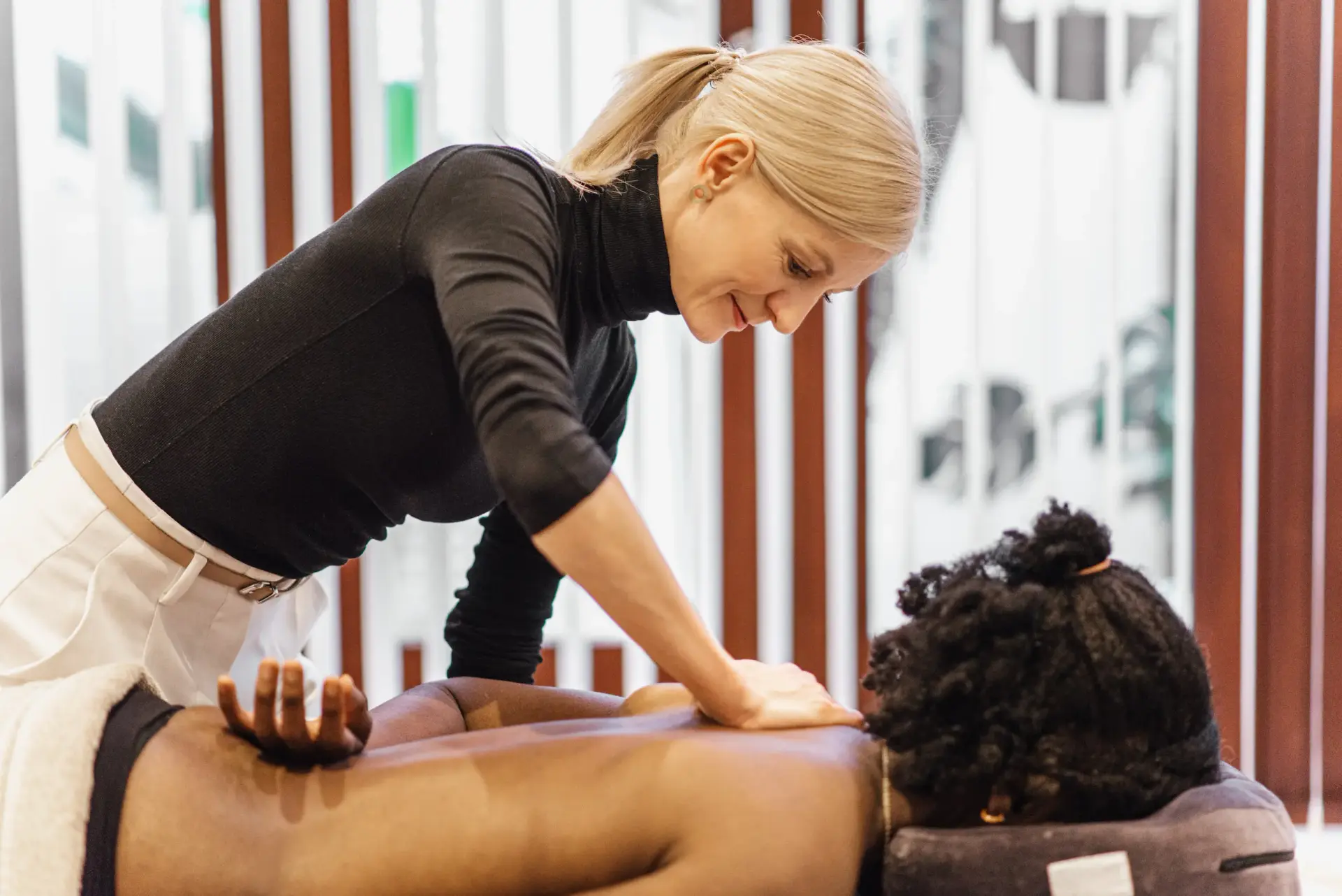
Credit: massagetherapy.london
Frequently Asked Questions
What Is Sports Massage Therapy Used For?
Sports massage therapy helps reduce muscle tension and improve flexibility. It aids recovery from injuries and boosts athletic performance.
How Does Sports Massage Differ From Regular Massage?
Sports massage targets specific muscle groups used in sports. It uses techniques like deep tissue and stretching, unlike general relaxation massages.
When Should I Get A Sports Massage?
Ideal times for sports massage are before and after exercise. It prepares muscles for activity and speeds up recovery post-workout.
Can Sports Massage Prevent Injuries?
Yes, it improves muscle flexibility and circulation. This reduces the risk of strains, sprains, and other common sports injuries.
Conclusion
Sports massage therapy helps muscles heal faster after exercise. It reduces pain and stiffness in the body. This therapy improves blood flow and flexibility. Athletes and active people often use it to avoid injuries. Regular sessions can support better performance.
It also helps relax the mind and body. Understanding sports massage can guide you to better care. Try it to feel stronger and recover well. Simple, safe, and effective. A useful tool for anyone who moves a lot.