Is Kickball a Sport: Unveiling the Truth Behind the Game
Have you ever wondered if kickball really counts as a sport? Maybe you played it as a kid during recess or on a casual weekend with friends, but does it deserve a spot alongside soccer, baseball, or basketball?
You’re not alone in asking this question. Understanding what makes an activity a sport can change how you see kickball—and even how you feel about joining a game. Keep reading, and you’ll discover why kickball might be more than just a fun pastime.
This could change the way you think about your next game—and maybe even inspire you to play again.

Credit: www.independent.co.uk
Origins Of Kickball
Understanding the origins of kickball helps you see why many consider it a true sport. It’s not just a backyard game; kickball has roots that stretch back over a century. Knowing where it started gives you insight into how it became a popular activity enjoyed by millions worldwide.
Historical Background
Kickball was first introduced in the early 1900s. It was created as a way to teach children baseball skills without the need for expensive equipment.
The game’s simplicity made it accessible. Schools quickly adopted kickball as a fun, physical activity for kids during recess and gym class.
Interestingly, the sport was inspired by older games like baseball and soccer but designed to be easier to play. This mix gave it a unique identity right from the start.
Evolution Over Time
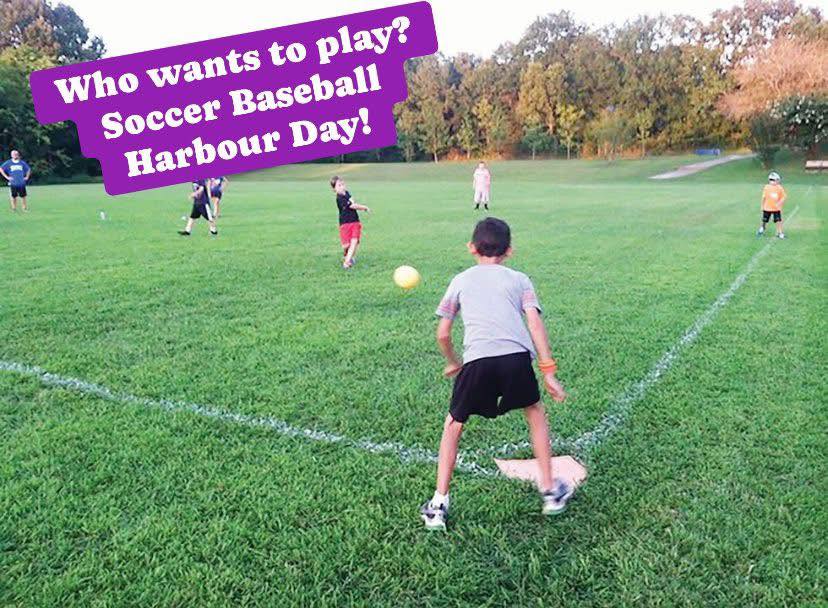
Kickball has changed a lot since its early days. Originally a children’s game, it slowly gained popularity among adults, leading to organized leagues and tournaments.
Rules have been adjusted to make the game faster and more competitive. For example, some leagues introduced timed innings and modified field sizes to suit players of all ages.
Today, you can find kickball communities around the world. Whether you play casually with friends or in a competitive league, the game continues to bring people together in a way few other sports do.
Credit: www.facebook.com
Kickball Rules And Gameplay
Kickball is a fun and simple game many enjoy playing. Understanding its rules and gameplay helps everyone join in easily. The game mixes elements of baseball and soccer, making it easy to learn.
Basic Rules
- Two teams play against each other, usually with 8-11 players each.
- The goal is to score runs by kicking the ball and running bases.
- Each team takes turns kicking and fielding.
- A player is out if the ball is caught in the air or they are tagged while running.
- Games typically last for 5 to 7 innings.
Equipment Needed
- A large, soft rubber ball, around 8.5 to 10 inches in diameter.
- Four bases placed in a diamond shape like baseball.
- Cones or markers to set the playing field boundaries.
- Comfortable shoes suitable for running and kicking.
- Optional gloves for fielders, but not necessary.
Gameplay Mechanics
The pitcher rolls the ball toward the kicker.
The kicker tries to kick the ball and run to bases.
Fielders try to catch or retrieve the ball quickly.
Players run bases to score runs without getting tagged out.
Turns switch after three outs are made by the fielding team.
Kickball As A Competitive Activity
Kickball is more than just a fun playground game. It has grown into a serious competitive activity. Players and teams compete in organized settings. The game requires skill, strategy, and teamwork. This section explores how kickball functions as a competitive sport.
Leagues And Tournaments
Many cities host kickball leagues for adults and youth. These leagues offer regular games during a season. Teams practice to improve and win matches. Tournaments bring teams from different areas together. These events often last several days. They provide a chance to see top-level play. Winning a tournament is a goal for many teams.
- Local and regional leagues exist worldwide
- Season schedules include multiple matches per week
- Tournaments feature knockout or round-robin formats
- Prizes and trophies reward success
Player Skills And Strategies
Success in kickball requires more than kicking hard. Players develop various skills to excel. Good runners know when to steal bases. Fielders must catch and throw accurately. Teams use strategies to outsmart opponents. Positioning and communication play key roles. Coaches often plan defensive and offensive tactics.
- Strong kicking improves scoring chances
- Quick reflexes help in fielding
- Base running demands speed and timing
- Teamwork supports coordinated plays
Kickball In Popular Culture
Kickball has moved far beyond playgrounds and schoolyards to become a recognizable part of popular culture. Its presence in media and celebrity circles adds layers to how people view it—not just as a casual game, but as a sport with social and entertainment value. How does this visibility affect your perception of kickball?
Media Representation
Kickball often pops up in TV shows and movies, usually as a nostalgic nod to childhood or a fun team-building activity. Shows like “The Office” and movies such as “Dodgeball” use kickball scenes to create relatable, lighthearted moments that many viewers remember from their own lives.
This media exposure helps normalize kickball as more than just a kids’ game. It highlights teamwork, strategy, and friendly competition—elements you find in many sports. Have you noticed how these portrayals make you want to join a game yourself?
Celebrity Involvement
Celebrities have embraced kickball as a way to connect with fans and promote charity events. Stars from various fields organize celebrity kickball tournaments, blending fun with fundraising and community engagement.
When famous people show up on the field, it sends a message that kickball is worth taking seriously. It also encourages you and others to see the game as a legitimate sport, not just a pastime.
Comparison With Traditional Sports
Kickball often sparks debates about its status as a sport. Comparing it with traditional sports helps clarify its place. Both share some common ground but also have unique traits. This section explores these aspects and the cultural role of kickball.
Similarities And Differences
Kickball and traditional sports share basic rules like teams, scoring, and competition. Both require physical activity and strategy. Players run, catch, and kick, testing coordination and speed.
- Kickball uses a rubber ball and kicking instead of hitting with a bat.
- Traditional sports like baseball use bats and harder balls.
- Kickball fields are often simpler and smaller.
- Both sports encourage teamwork and fair play.
Kickball’s rules are easier to learn, making it accessible to all ages. Traditional sports may have more complex strategies and regulations.
Cultural Impact
Kickball has strong roots in schoolyards and community parks. It brings people together for fun and exercise. It often serves as a casual sport for families and friends.
Traditional sports like football and basketball have larger professional leagues and worldwide audiences. They influence culture through media and big events.
- Kickball promotes social bonding in informal settings.
- Traditional sports drive economic and entertainment industries.
- Kickball encourages participation regardless of skill level.
- Traditional sports often require more equipment and organization.
Kickball’s cultural impact lies in its simplicity and inclusiveness. It offers a way to enjoy sport without pressure or high costs.
Benefits Of Playing Kickball
Playing kickball offers a range of benefits that go beyond just having fun. It’s a game that gets you moving, helps you connect with others, and can boost your overall well-being. Whether you play casually or competitively, kickball can positively impact your life in unexpected ways.
Physical Health Advantages
Kickball gets your body active without feeling like a workout. Running bases and kicking the ball engage your legs, while throwing and catching involve your arms and coordination. This mix helps improve your cardiovascular health, balance, and muscle strength.
Did you know that just a 30-minute game can burn around 200-300 calories? It’s a practical way to stay fit without needing a gym membership or special equipment. Plus, playing outdoors in the fresh air can boost your mood and energy levels.
Social And Community Benefits
Kickball is a social game by nature. It encourages teamwork and communication, which can help you build stronger relationships. You get to interact with people of all ages and backgrounds, making it easier to feel connected.
Think about the last time you played a team sport. How did working toward a common goal change your connection with the group? Kickball creates shared experiences that foster trust and friendship. It can even be a great way to meet new people in your neighborhood or workplace.
Debate: Is Kickball A Sport?
The question “Is kickball a sport?” often sparks lively discussions among players, coaches, and fans alike. While some see it as a fun playground game, others argue it holds all the qualities of a legitimate sport. Let’s dive into both sides of this debate and see where you might stand.
Arguments For
Many people believe kickball qualifies as a sport because it requires physical skill and strategy. Players need to run, kick, catch, and throw—all of which demand coordination and fitness.
Teams compete with clear rules and objectives, just like baseball or soccer. This organized competition adds to the argument that kickball is more than just a casual game.
Think about your own experience: Have you ever felt your heart race during a close game? That adrenaline and teamwork often mirror traditional sports.
Arguments Against
On the flip side, some argue kickball is too informal to be called a sport. It’s often played casually in schoolyards or parks without strict regulations.
Unlike professional sports, kickball lacks widespread leagues, official governing bodies, and consistent training programs. This can make it seem less serious.
Also, the simplicity of the game leads some to view it as a children’s activity rather than a competitive sport. But does simplicity always mean less value?

Credit: m.youtube.com
Frequently Asked Questions
Is Kickball Recognized As A Sport?
Yes, kickball is recognized as a sport. It combines elements of baseball and soccer, requiring skill, strategy, and teamwork. Many schools and leagues officially include kickball as a competitive sport.
What Skills Are Needed To Play Kickball?
Kickball requires kicking accuracy, running speed, and catching ability. Players must also have good teamwork and strategic thinking. These skills make kickball both fun and competitive.
How Is Kickball Different From Baseball?
Kickball uses a larger, softer ball and players kick instead of hit with a bat. The rules are simpler, making it easier for all ages to play and enjoy.
Can Kickball Improve Physical Fitness?
Yes, kickball improves cardiovascular health, coordination, and agility. It encourages active movement, which helps build endurance and muscle strength in a fun way.
Conclusion
Kickball blends fun with physical activity and team play. It uses skills like running, kicking, and catching. Many people enjoy it for exercise and social time. It meets many criteria that define a sport. So, kickball deserves a spot among popular sports.
It offers health benefits and builds friendships. Playing kickball can be great for all ages. Try it out and see how much fun it brings.