What are the 5 Health Related Components of Fitness: Essential Guide
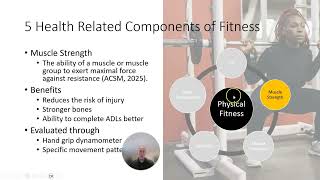
Are you ready to take charge of your health and feel your best every day? Understanding the 5 health-related components of fitness is the key to building a strong, balanced body that works for you.
These components don’t just help you look good—they improve your energy, protect you from injury, and boost your overall well-being. Keep reading, and you’ll discover exactly what these five components are and how focusing on each one can transform your fitness routine and your life.
Don’t miss out on unlocking your full potential!

Credit: www.teacherspayteachers.com
Cardiovascular Endurance
Cardiovascular endurance is the ability of your heart, lungs, and blood vessels to supply oxygen during physical activity. It helps your body perform tasks for a longer time without fatigue. This component of fitness supports overall health and daily functioning.
Importance For Heart Health
Good cardiovascular endurance keeps your heart strong and efficient. It lowers the risk of heart disease and high blood pressure. Your heart beats slower and pumps blood better. This reduces strain and improves circulation. Healthy cardiovascular function also supports better energy and mood.
Exercises To Improve
Activities that raise your heart rate help build endurance. Choose exercises you enjoy for consistency. Here are some effective options:
- Brisk walking or jogging
- Cycling
- Swimming
- Dancing
- Jump rope
Try to exercise at least 3 times a week for 20-30 minutes. Gradually increase intensity or duration as your fitness improves.
Muscular Strength
Muscular strength is the power your muscles have to exert force. It affects how well you perform everyday tasks, from lifting groceries to climbing stairs. Building muscular strength makes your body more efficient and less prone to injury.
Benefits For Daily Activities
Strong muscles make daily chores easier and faster. Carrying heavy bags, pushing a lawnmower, or even playing with your kids requires muscle strength. When your muscles are strong, you use less energy and feel less tired throughout the day.
Have you noticed how simple tasks become difficult when your muscles are weak? Strength helps you maintain good posture, reducing back pain and strain. It also supports your joints, lowering the risk of falls and injuries as you age.
Strength Training Techniques
To build muscular strength, focus on exercises that challenge your muscles. Weight lifting, resistance bands, and bodyweight exercises like push-ups and squats are great options. Aim to work all major muscle groups for balanced strength.
Start with a weight or resistance level that feels challenging but manageable. Gradually increase the difficulty to keep your muscles adapting and growing. Remember, consistency is key—regular sessions yield the best results.
- Use proper form to avoid injuries.
- Rest muscles between sessions to allow recovery.
- Combine strength training with good nutrition for optimal muscle growth.
What small change can you make today to add strength exercises into your routine? Even short sessions can make a big difference over time.
Muscular Endurance
Muscular endurance is the ability of muscles to perform repeated contractions over time. It helps your body work longer without feeling tired. This fitness component supports daily activities and sports that need stamina. Building muscular endurance improves overall health and keeps muscles strong and active.
Difference From Muscular Strength
Muscular strength is about lifting heavy weights once or twice. Muscular endurance focuses on doing many repetitions with lighter weights. Strength is about maximum force, while endurance is about lasting effort. Both are important but serve different fitness goals.
Endurance Building Workouts
Workouts for muscular endurance use low weights with many repetitions. Exercises include:
- Push-ups done slowly and repeatedly
- Bodyweight squats for multiple sets
- Lightweight lifting with 15-20 reps
- Planks held for longer times
- Resistance band exercises with high reps
These workouts train muscles to resist fatigue. Rest periods between sets are usually short. This helps muscles stay active for longer periods in daily life.

Credit: www.facebook.com
Flexibility
Flexibility is the ability of your joints to move through their full range of motion. It plays a key role in everyday activities and overall fitness. Good flexibility helps your muscles stretch and move easily without pain or stiffness.
Having flexible muscles and joints supports better posture and balance. It also makes physical tasks easier and more comfortable. Flexibility varies by person and can improve with regular practice.
Role In Injury Prevention
Flexible muscles reduce the risk of strains and sprains. They absorb shock better during sudden movements. Tight muscles can cause imbalances that lead to injuries. Flexible joints move smoothly, lowering the chance of damage. Stretching before exercise prepares muscles and tendons for activity. This preparation helps avoid tears and pulls.
Stretching Exercises
Stretching improves flexibility by lengthening muscles. It is best to stretch after warming up or exercising. Hold each stretch gently for 15 to 30 seconds. Avoid bouncing or forcing a stretch. Common stretches include:
- Hamstring stretch
- Quadriceps stretch
- Shoulder stretch
- Calf stretch
- Neck stretch
Consistent stretching enhances muscle elasticity and joint mobility. This leads to better performance and less pain during movement.
Body Composition
Body composition is a key part of fitness. It shows the ratio of fat to lean mass in the body. Lean mass includes muscles, bones, and organs. A healthy body composition means having more lean mass and less fat. This balance helps improve strength, endurance, and overall health.
Tracking body composition gives a clearer picture than just weight. Two people can weigh the same but have very different body compositions. Knowing your body fat percentage helps set realistic fitness goals. It also helps monitor progress more accurately.
Understanding Body Fat Percentage
Body fat percentage is the amount of fat in your body compared to total weight. It is important because excess fat can lead to health problems. Too little fat is also unhealthy, as fat protects organs and stores energy. Healthy ranges vary by age and gender. For adults, men typically have 6-24% body fat, women 14-31%. Athletes usually have lower percentages.
Monitoring body fat helps improve diet and exercise plans. It ensures fat loss, not just weight loss. It also helps maintain muscle during workouts. A balanced body fat percentage supports better fitness and reduces disease risk.
Methods To Assess
- Skinfold Measurements:Uses calipers to pinch fat at specific body sites.
- Bioelectrical Impedance Analysis (BIA):Sends a small electrical current through the body to estimate fat.
- Dual-Energy X-ray Absorptiometry (DEXA):A scan that measures bone, fat, and muscle precisely.
- Hydrostatic Weighing:Measures body density by weighing underwater.
- Body Circumference Measurements:Uses tape to measure waist, hips, and other areas.
Each method varies in accuracy and cost. Choosing the right one depends on personal needs and resources. Regular assessment tracks changes and guides fitness improvements.

Credit: www.teacherspayteachers.com
Frequently Asked Questions
What Are The Five Health-related Fitness Components?
The five health-related components include cardiovascular endurance, muscular strength, muscular endurance, flexibility, and body composition. These elements help improve overall health and physical performance. Focusing on all five ensures balanced fitness and reduces the risk of chronic diseases.
Why Is Cardiovascular Endurance Important For Health?
Cardiovascular endurance boosts heart and lung efficiency. It helps deliver oxygen to muscles during exercise. Improving this component reduces heart disease risk and enhances stamina for daily activities.
How Does Muscular Strength Benefit Overall Fitness?
Muscular strength improves the ability to lift heavy objects and perform daily tasks. It supports joint health, enhances metabolism, and prevents injuries by stabilizing the body.
What Role Does Flexibility Play In Fitness?
Flexibility increases the range of motion in joints. It reduces muscle stiffness, prevents injuries, and improves posture. Regular stretching enhances flexibility and overall mobility.
Conclusion
Understanding the five health-related fitness components helps you stay healthy. Each part plays a key role in your body’s strength and endurance. Focus on flexibility, strength, endurance, body composition, and cardiovascular fitness. Regular exercise improves these areas and boosts overall well-being.
Small steps every day lead to big changes over time. Keep moving, stay active, and feel better every day. Fitness is a journey, not a quick fix. Choose habits that support your health for life.

Similar Posts