What are Analytics in Sports: Unlocking Game-Changing Insights
Have you ever wondered how coaches make split-second decisions or how teams spot their next star player? The secret lies in sports analytics.
These numbers and data points aren’t just stats on a screen—they hold the power to change the game. If you want to understand how analytics can boost performance, predict outcomes, and give your favorite teams the winning edge, keep reading.
This article will break down what analytics in sports really means and why it matters to you.

Credit: medium.com
Evolution Of Sports Analytics
The evolution of sports analytics has reshaped how athletes, coaches, and teams approach the game. It started with simple statistics and has grown into a complex field powered by cutting-edge technology. Understanding this journey helps you appreciate how data influences every play and decision today.
From Statistics To Advanced Analytics
Sports analytics began with basic numbers like points scored, rebounds, or batting averages. These stats offered a snapshot but didn’t reveal the full story behind performance.
Over time, analysts started digging deeper. They began combining multiple data points to measure player efficiency, team dynamics, and even predict future outcomes. Metrics like Player Efficiency Rating (PER) or Expected Goals (xG) emerged, giving a more detailed view of player and team contributions.
Have you ever wondered why some players shine under pressure while others don’t? Advanced analytics helps answer questions like this by looking beyond surface numbers.
Influence Of Technology
Technology has been the driving force behind the leap from simple stats to complex analytics. High-speed cameras, wearable sensors, and GPS trackers collect a massive amount of data during games and training sessions.
Machine learning and AI analyze this data to identify patterns that humans might miss. For example, teams use video analysis software to break down opponents’ strategies or monitor player fatigue to prevent injuries.
Imagine having real-time insights while watching a game—knowing exactly when a player is about to make a critical move. This is no longer science fiction but a result of technology’s impact on sports analytics.
Types Of Sports Analytics
Sports analytics covers a wide range of data-driven approaches aimed at improving different aspects of sports. Understanding the types of sports analytics can help you see how teams, athletes, and organizations make smarter decisions. These analytics fall into key categories that focus on performance, health, and fan interaction.
Performance Analysis
This type of analytics tracks how athletes perform during training and games. It looks at metrics like speed, accuracy, and stamina to spot strengths and weaknesses. Coaches often use this data to tailor training plans and strategies.
Think about a soccer player whose shooting accuracy improves after reviewing match stats. This shows how performance data can directly impact results. What if you could measure your own performance in real time during workouts?
Health And Injury Prevention
Keeping athletes healthy is crucial. Analytics in this area monitor physical stress, recovery times, and injury risks. Wearable devices collect data like heart rate and muscle fatigue to prevent injuries before they happen.
Imagine a runner who avoids a serious injury by adjusting their training based on daily health data. This practical use of analytics saves careers and improves longevity. How often do you consider your body’s data when pushing your limits?
Fan Engagement
Sports analytics also enhance how fans connect with their favorite teams and players. Data on fan behavior, preferences, and social media interactions help create personalized experiences. This keeps fans more involved and excited.
A basketball team might use analytics to offer targeted promotions or interactive content that you would actually want to see. How much more enjoyable would watching games be if everything felt designed just for you?
Data Collection Methods
Data collection is the base of analytics in sports. It provides facts and numbers for analysis. Various tools and techniques gather detailed data on players and games. This data helps coaches and teams improve performance and strategy.
Wearable Technology
Wearable devices track physical activities and health stats. Athletes wear gadgets like wristbands and chest straps. These devices measure heart rate, speed, distance, and calories burned. Real-time data helps monitor fitness levels and prevent injuries. Coaches use this info to plan training sessions carefully.
Video Analysis
Video analysis captures game footage for detailed study. Cameras record every move on the field or court. Analysts review videos to assess player techniques and team tactics. Slow motion and zoom features highlight key moments. This method helps identify strengths and areas needing improvement.
Sensor-based Tracking
Sensors installed in equipment or playing surfaces collect precise data. These sensors detect movements, impacts, and ball trajectories. They provide accurate measurements of speed and position. Teams use sensor data to analyze player performance and game dynamics. This method offers valuable insights beyond what the eye can see.
Impact On Team Strategy
Analytics have transformed how teams approach their game plans and strategies. They provide a solid foundation for decisions that were once based mostly on intuition or past experience. This shift means teams can now rely on data to gain a competitive edge and improve their chances of winning.
Informed Decision Making
Data helps coaches and managers make smarter choices about players, formations, and tactics. Instead of guessing which lineup works best, you can analyze past performances and matchups to select the ideal team. This reduces risks and increases the probability of success.
Imagine knowing exactly which player performs well under pressure or against specific opponents. That insight allows you to build strategies tailored to your team’s strengths and the opponent’s weaknesses.
Predictive Modeling
Predictive models use historical data to forecast future outcomes. This means you can anticipate how a game might unfold based on different scenarios. It’s like having a game plan for multiple “what if” situations.
For example, if your star striker is injured, analytics can help you see which substitute is most likely to maintain your scoring rate. This foresight helps you prepare better and avoid surprises.
Real-time Adjustments
During a game, analytics provide live feedback on how well your strategy is working. You can track player movements, stamina, and opponent tactics instantly. This lets you tweak your approach on the fly, rather than waiting until halftime or after the match.
Have you ever wondered how some coaches seem to outsmart others mid-game? Real-time data gives them the edge to make quick, effective decisions that can change the course of the match.
Role In Player Development
The role of analytics in player development is transforming how athletes improve their game. It offers precise data that highlights strengths and pinpoints areas needing work. With this insight, players and coaches can focus their efforts where they matter most, making progress more measurable and targeted.
Skill Enhancement
Analytics tracks detailed performance metrics like shooting accuracy, sprint speed, and reaction times. This helps you understand exactly which skills require improvement. Instead of guessing, you can rely on clear numbers to guide your practice sessions.
Imagine a basketball player who struggles with free throws. Data can reveal the exact moments their form breaks down, allowing them to correct it quickly. This level of feedback speeds up skill development and builds confidence.
Personalized Training Plans
Every athlete learns differently and faces unique challenges. Analytics helps create training plans tailored to your specific needs and goals. It considers your physical condition, playing style, and past performance to design drills that maximize your growth.
Personalized plans also reduce the risk of injury by balancing workload and recovery. You won’t waste time on generic routines that may not suit your body or position. Instead, you’ll train smarter, not just harder.
Talent Identification
Analytics plays a crucial role in spotting emerging talent early. It evaluates raw potential through measurable criteria rather than just subjective opinions. This levels the playing field and helps coaches make objective decisions.
For instance, a young soccer player might not stand out in a crowded field but shows exceptional endurance and ball control metrics. Analytics can bring such hidden gems to light, giving them a fair chance to shine.
What if you could use analytics to discover your own untapped potential? How would that change your approach to training and competition?
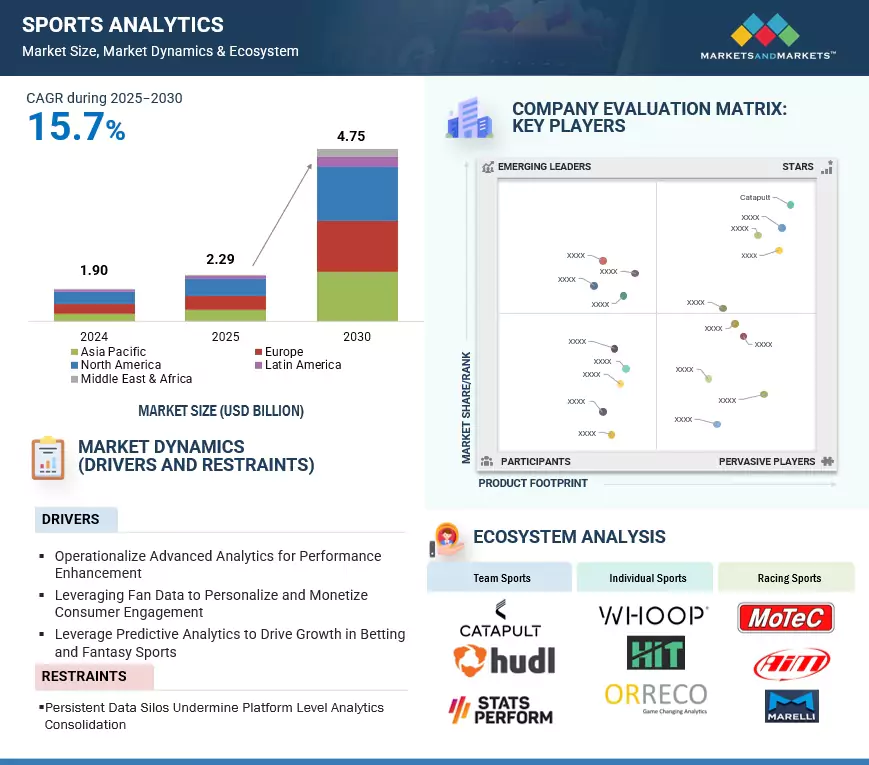
Credit: www.marketsandmarkets.com
Challenges And Limitations
Analytics in sports offer incredible potential to enhance performance and strategy. However, they come with their own set of challenges and limitations that can impact their effectiveness. Understanding these hurdles helps you make smarter decisions when using sports data.
Data Privacy Concerns
Collecting data on athletes often involves sensitive personal information. You need to consider how this data is stored and who has access to it. Breaches or misuse can harm players’ trust and even lead to legal troubles.
Think about wearable devices tracking heart rates or GPS locations during games. If this data falls into the wrong hands, it could be exploited for unfair advantages or invade player privacy. How do you ensure data protection without limiting the insights you gain?
Interpreting Complex Data
Sports analytics produce vast amounts of information, but raw data alone isn’t useful. You must translate numbers into actionable insights. This requires expertise that many teams or coaches might lack.
Sometimes, data points contradict what you see on the field. For example, a player’s stats might look poor while their real impact on the game is crucial. Can you trust analytics without considering the human side of sports?
Cost And Accessibility
High-quality analytics tools and expert analysts often come with a steep price tag. Not every team, especially at amateur or semi-professional levels, can afford these resources. This creates a gap between those who benefit from data and those who don’t.
Even if you have access to basic tools, advanced software and training can be out of reach. How can smaller teams compete fairly when analytics favors those with deeper pockets?
Future Of Sports Analytics
The future of sports analytics looks bright and full of promise. Technology will drive new ways to understand player performance and game strategies. Teams and fans will both benefit from smarter data use. The impact will reach beyond the field, changing how sports are played and enjoyed.
Ai And Machine Learning
AI and machine learning will analyze vast amounts of sports data quickly. These tools will predict player injuries and suggest training improvements. Coaches will receive detailed insights about opponents. AI will help create tailored game plans. It will also improve decision-making during matches.
Global Expansion
Sports analytics will spread to many countries and sports. Smaller leagues will use data to compete with bigger ones. This growth will create new jobs and opportunities worldwide. Data tools will become more affordable and easier to use. Fans everywhere will gain access to advanced stats and analysis.
Enhanced Fan Experience
Fans will enjoy more interactive and personalized experiences. Data will power live stats, replays, and player tracking on apps. Virtual and augmented reality will bring fans closer to the action. Fans can explore data to understand the game better. This will make watching sports more engaging and fun.

Credit: moldstud.com
Frequently Asked Questions
What Are Analytics In Sports?
Analytics in sports refers to collecting and analyzing data to improve team and player performance. It helps in decision-making, strategy development, and injury prevention. Teams use stats, video analysis, and advanced metrics to gain a competitive edge.
How Do Sports Analytics Improve Team Performance?
Sports analytics identify strengths, weaknesses, and trends by examining player stats and game data. Coaches use this information to create better strategies, optimize training, and make informed decisions during matches, ultimately enhancing team performance.
What Tools Are Used In Sports Analytics?
Common tools include data tracking software, video analysis systems, wearable sensors, and AI-powered platforms. These tools collect real-time data on player movements, health, and game events, enabling detailed performance evaluation and strategic planning.
Why Is Data Important In Sports Analytics?
Data provides objective insights into player and team performance. It helps identify patterns and predict outcomes. Using data reduces guesswork, allowing teams to make evidence-based decisions to improve results and reduce injury risks.
Conclusion
Sports analytics helps teams make smarter choices and improve performance. It uses data to study players, games, and strategies. Coaches and players gain clear insights from this information. Fans also enjoy better understanding of the sport. Analytics continues to grow and shape sports worldwide.
It brings facts to support decisions on and off the field. In short, sports analytics makes the game smarter and more exciting for everyone involved.