
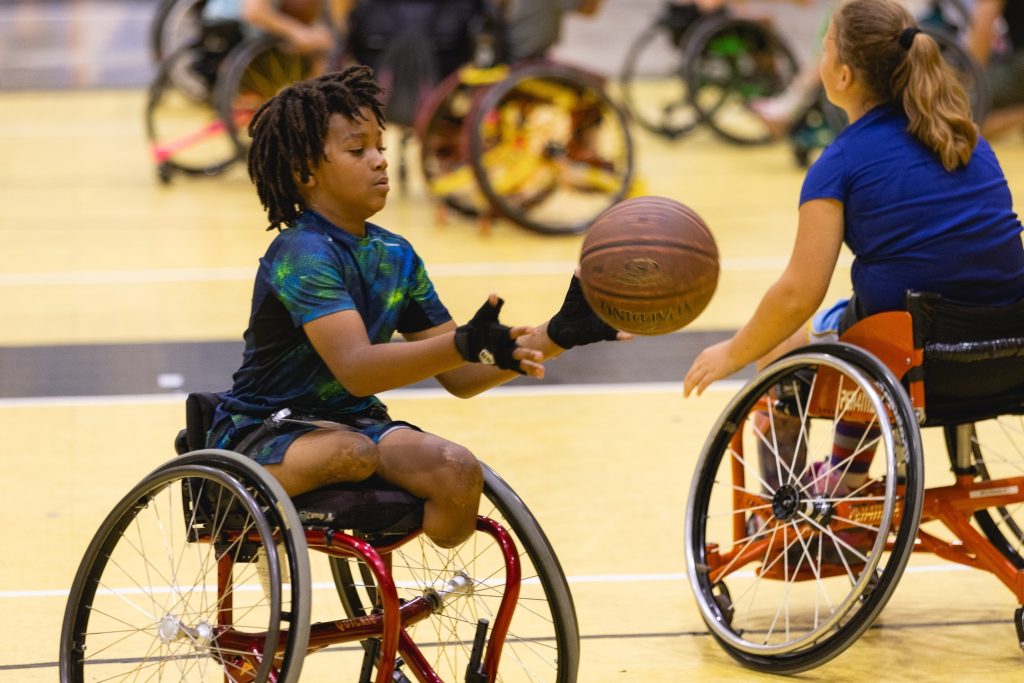
Have you ever wondered how sports can be made accessible to everyone, no matter their physical abilities? Adaptive sports open up a whole new world of opportunities for people with disabilities to stay active, compete, and enjoy the thrill of the game.
Whether you’re curious about trying something new or want to understand how these sports break barriers, this article will guide you through what adaptive sports are and why they matter to you. Keep reading to discover how these games can inspire, challenge, and empower you or someone you care about.
Understanding Adaptive Sports
Understanding adaptive sports is key to appreciating how these activities transform lives. These sports are designed for people with disabilities, allowing them to compete, stay active, and connect with others. They break down barriers and create opportunities for everyone to enjoy physical activity.
What Are Adaptive Sports?
Adaptive sports are modified versions of traditional sports to accommodate athletes with physical, sensory, or cognitive disabilities. The modifications can be in equipment, rules, or playing environments. This ensures that everyone, regardless of their abilities, can participate fully and safely.
Who Can Participate In Adaptive Sports?
People with a wide range of disabilities take part in adaptive sports. This includes those with mobility impairments, visual or hearing impairments, and intellectual disabilities. Even if you have never played sports before, adaptive sports offer a chance to get involved and enjoy physical activity.
Examples Of Popular Adaptive Sports
- Wheelchair basketball – played with specially designed wheelchairs
- Sitting volleyball – played on a smaller court with a lower net
- Adaptive skiing – using sit-skis or outriggers for balance
- Goalball – a sport designed specifically for athletes with visual impairments
These examples show how adaptive sports cover a wide range of activities, so you can find something that fits your interests and abilities.
How Adaptive Sports Impact Participants
Participating in adaptive sports boosts confidence and improves physical health. It also offers a social outlet where you can meet others who understand your experiences. Have you ever noticed how being part of a team can change your mindset and motivation?
Equipment And Accessibility In Adaptive Sports
Equipment plays a huge role in making sports accessible. From customized wheelchairs to hearing aids that work during competition, technology helps level the playing field. Accessibility goes beyond equipment; it also involves creating inclusive environments where everyone feels welcome.

Credit: www1.grousemountain.com
Types Of Adaptive Sports
Adaptive sports offer a wide range of activities designed to include people with different physical abilities. These sports are tailored to meet individual needs, making physical activity accessible and enjoyable for everyone. Understanding the types of adaptive sports can help you find the right fit for your interests and abilities.
Individual Sports
Individual adaptive sports focus on personal skill and endurance. They include activities like wheelchair racing, para swimming, and adaptive cycling.
These sports allow you to set your own pace and challenge yourself. Many athletes find individual sports empowering because they push personal limits and build confidence.
Have you considered how competing against yourself can be just as rewarding as competing against others?
Team Sports
Team adaptive sports bring people together to work toward a common goal. Examples include wheelchair basketball, sitting volleyball, and goalball.
Playing on a team helps you build social connections and develop teamwork skills. It’s also a great way to stay motivated and engaged through shared effort.
What role does teamwork play in your motivation to stay active?
Water Sports
Water adaptive sports use the buoyancy of water to reduce impact and support movement. Adaptive sailing, para kayaking, and swimming are popular options.
Water sports offer a unique sense of freedom and can be very therapeutic. They often improve balance, strength, and cardiovascular health in an enjoyable setting.
Have you tried how moving through water can feel different from land-based activities?
Winter Sports
Winter adaptive sports allow participation in cold-weather activities with specialized equipment. Sit-skiing, para ice hockey, and adaptive snowboarding are examples.
These sports challenge your balance and coordination while offering thrilling experiences on snow and ice. They also open opportunities to enjoy winter outdoors regardless of physical limitations.
Are you ready to discover how winter sports can redefine your idea of adventure?
Benefits Of Adaptive Sports
Adaptive sports offer more than just a chance to play—they bring real, measurable benefits to your life. Whether you’re recovering from an injury or managing a disability, engaging in adaptive sports can significantly improve various aspects of your well-being. Let’s look closely at how these activities can positively impact your physical health, mental state, and social connections.
Physical Health Improvements
Adaptive sports help you build strength, improve flexibility, and boost cardiovascular health. These activities are tailored to your abilities, so you can safely challenge your body and see progress over time. For example, wheelchair basketball enhances upper body strength and coordination while providing a full workout.
Regular participation can reduce the risk of secondary health issues such as obesity, diabetes, and heart disease. Have you noticed how even small movements can lead to better energy levels and less fatigue? That’s the power of staying active through adaptive sports.
Mental Health Boosts
Playing adaptive sports can lift your mood and reduce feelings of anxiety and depression. Exercise releases endorphins, but the sense of accomplishment after mastering a new skill or winning a game is just as powerful. I’ve seen individuals gain newfound confidence simply by joining a local adaptive sports team.
These activities also provide a healthy distraction from everyday challenges. How often do you get to focus entirely on something you enjoy while improving your mental resilience? Adaptive sports give you that chance.
Social Inclusion
Adaptive sports create opportunities to meet others who share similar experiences and challenges. This sense of community can be a game-changer for people feeling isolated. Joining a team or group fosters friendships and improves your communication skills.
Have you ever considered how being part of a team can enhance your sense of belonging and purpose? Adaptive sports break down barriers and make social connection possible for everyone.
Adaptive Sports Equipment
Adaptive sports equipment plays a crucial role in making sports accessible and enjoyable for everyone. It transforms traditional sports tools to meet the unique needs of athletes with disabilities. This equipment not only levels the playing field but also boosts confidence and independence.
Wheelchairs And Prosthetics
Sports wheelchairs are designed specifically for different activities, such as basketball, racing, or tennis. They are lightweight, agile, and built to withstand intense movement. Prosthetics used in sports often include specially designed limbs that improve balance, speed, and comfort.
Imagine how a runner’s blade prosthetic can help you sprint faster than ever before. These innovations let athletes focus on performance, not limitations. Have you ever considered how much engineering goes into these devices?
Specialized Gear
Specialized gear includes items like adaptive bats, balls, or grips tailored to individual needs. These modifications can be as simple as adding straps or as complex as reshaping equipment for easier handling. Such gear makes it possible to enjoy various sports without compromising on skill or fun.
Think about how a modified tennis racket can change your game. This gear opens doors to new challenges and opportunities. What kind of equipment could help you push your limits?
Technology Enhancements
Technology has introduced smart sensors, adjustable frames, and even AI-driven training aids in adaptive sports equipment. These advancements provide real-time feedback and improve technique. They help athletes refine their skills and prevent injuries.
Have you tried gear that learns and adapts to your movements? The blend of technology and sports equipment is reshaping what’s possible. How might these tools change the way you train and compete?
Inclusive Opportunities In Adaptive Sports
Adaptive sports open doors for everyone to engage in physical activity, regardless of ability. They create spaces where people with disabilities can compete, learn, and grow. Inclusive opportunities in adaptive sports bring communities together and challenge what you might think about sports and participation.
Community Programs
Community programs play a vital role in making adaptive sports accessible to many. Local clubs and organizations offer activities tailored to different needs, from wheelchair basketball to sitting volleyball. These programs often provide equipment and trained coaches, helping you get started without barriers.
Have you ever thought about how a simple community event can change someone’s perspective on ability and strength? Joining or supporting a local adaptive sports group can spark new friendships and boost confidence for everyone involved.
International Competitions
International competitions highlight the skill and dedication of adaptive athletes on a global stage. Events like the Paralympics showcase diverse sports, proving that competitive spirit knows no limits. Watching these athletes might inspire you to rethink what you believe about physical challenges and achievement.
These competitions also encourage countries to invest in adaptive sports programs. What if your country hosted more adaptive sports events? Would that encourage more people to participate or support these athletes?
School And College Initiatives
Schools and colleges are increasingly including adaptive sports in their programs, offering students chances to try new activities and build teamwork skills. Some institutions provide scholarships and dedicated teams, opening pathways for both recreational and competitive play. This inclusion helps students feel valued and part of a larger community.
Imagine a school where every student can join a sports team that fits their abilities. How would that change the school culture? You might find that supporting adaptive sports in education helps break down social barriers and fosters respect among all students.

Credit: www.facebook.com
Challenges And Barriers
Adaptive sports open doors for many, but they come with their own set of challenges and barriers. Understanding these obstacles helps you see why participation isn’t always easy, even when the will is strong. Let’s break down some common issues that affect both athletes and organizers.
Accessibility Issues
Not all sports facilities are designed with adaptive athletes in mind. Wheelchair ramps, accessible locker rooms, and specialized equipment can be hard to find. This limits where and how you can train or compete.
Transportation also plays a big role. If you can’t easily reach the venue, participation becomes nearly impossible. Have you ever faced a situation where the location itself stopped you from joining an activity?
Funding Constraints
Adaptive sports often require costly equipment, such as customized wheelchairs or prosthetics. These expenses can be a huge barrier if there isn’t enough financial support. Many programs rely heavily on donations and grants, which aren’t always steady or sufficient.
Without funding, it’s tough to maintain equipment or hire trained coaches. This can affect your progress and safety. How much would you be willing to invest to access the right gear and expert guidance?
Awareness And Attitudes
Many people still don’t fully understand adaptive sports or the abilities of those who participate. This lack of awareness can lead to unfair judgments or low expectations. Sometimes, even family and friends may unintentionally discourage involvement.
Changing attitudes takes time and education. When you share your story or invite others to watch adaptive sports, you help break down these barriers. What impact could your voice have in shifting perceptions around you?
Success Stories In Adaptive Sports
Success stories in adaptive sports highlight the incredible potential within athletes who overcome physical challenges. These stories not only celebrate individual achievements but also inspire communities worldwide. They show how determination and innovation create new paths for athletes to thrive.
Inspiring Athletes
Consider Tatyana McFadden, a wheelchair racer who won multiple medals across Paralympic Games. Her journey from a difficult childhood to becoming a world-class athlete shows what focus and resilience can achieve. You might ask, what drives someone to push beyond limits every day?
Another example is Blake Leeper, a double amputee sprinter who dreams of competing alongside able-bodied athletes. His story encourages you to rethink what’s possible when passion meets perseverance. These athletes prove that your circumstances don’t define your potential.
Breakthrough Achievements
Adaptive sports have seen remarkable milestones, like the introduction of advanced prosthetics that enhance performance. Oscar Pistorius, known as the “Blade Runner,” challenged traditional views by competing in the Olympics with prosthetic legs. How could technology continue to reshape the boundaries of sport for you?
Records are regularly broken in swimming, wheelchair basketball, and other adaptive events. These achievements push the entire sports community to innovate and support inclusive competition. You can learn from these breakthroughs by embracing tools and strategies that maximize your own abilities.
Global Impact
Adaptive sports have grown into a worldwide movement, promoting inclusion and changing attitudes about disability. Events like the Paralympic Games attract millions of viewers, shining a spotlight on the skill and dedication of adaptive athletes. How does seeing these competitions affect your view on ability and competition?
Communities benefit as adaptive sports programs increase access to physical activity and social connection. This global reach encourages you to support or participate in adaptive sports, fostering diversity and empowerment. Your involvement can help build a more inclusive world where everyone’s talents are recognized.
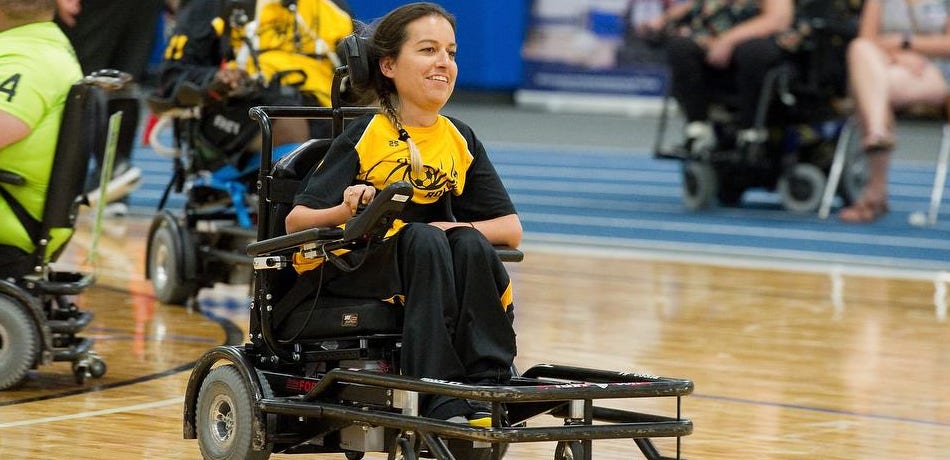
Credit: www.braunability.com
Frequently Asked Questions
What Are Adaptive Sports?
Adaptive sports are modified sports designed for individuals with disabilities. They provide equal opportunities for physical activity and competition. These sports use specialized equipment or rule changes to accommodate different abilities. Adaptive sports promote inclusion, fitness, and social interaction among participants.
Who Can Participate In Adaptive Sports?
People with physical, sensory, or cognitive disabilities can participate in adaptive sports. These sports cater to various ability levels and ages. Many organizations offer programs for veterans, children, and adults. Adaptive sports encourage independence and improve overall well-being.
What Types Of Adaptive Sports Exist?
Adaptive sports include wheelchair basketball, sitting volleyball, and para-swimming. Other examples are adaptive skiing, handcycling, and goalball. Each sport adapts rules or equipment to meet participants’ needs. These options support diverse interests and physical capabilities.
How Do Adaptive Sports Benefit Participants?
Adaptive sports improve physical health, mental well-being, and social skills. They boost confidence and foster teamwork. Participation also helps reduce isolation and promotes a sense of community. Adaptive sports contribute to a healthier, more active lifestyle.
Conclusion
Adaptive sports bring people together through physical activity. They help improve health, confidence, and social skills. Everyone can find a sport that fits their needs and abilities. These sports show that limits can be overcome with creativity and support. Trying adaptive sports can open new doors and create joy.
Everyone deserves the chance to play and be active. Adaptive sports inspire strength, teamwork, and hope in many lives. They change how we think about sports and ability.


