
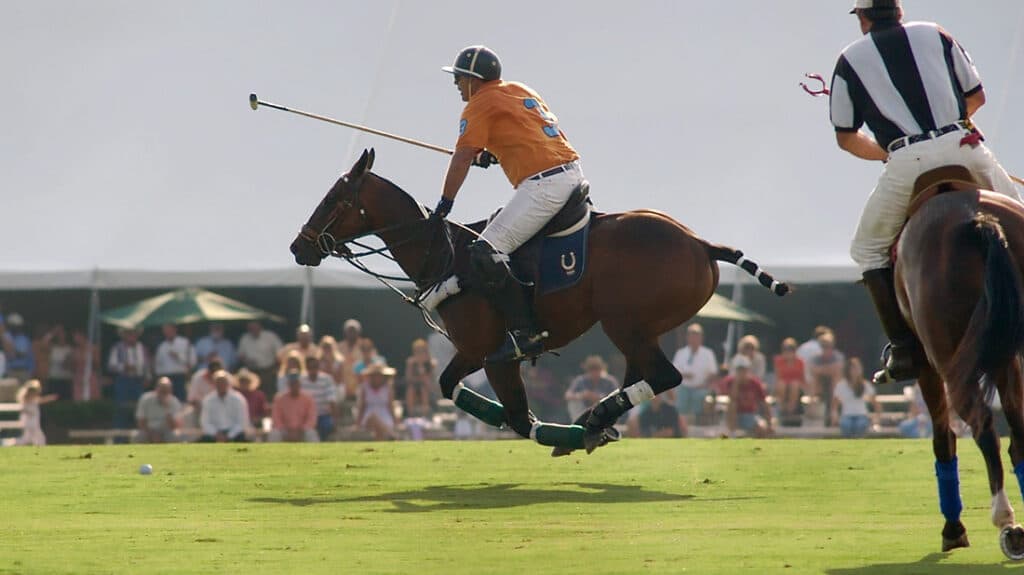
Have you ever wondered if polo is really a sport? You might think it’s just a game played on horseback, but there’s much more behind it.
Polo combines skill, speed, and teamwork in ways that can surprise you. If you want to understand what makes polo unique and why it deserves a spot in the sports world, keep reading. This article will give you clear answers and reveal some fascinating facts that might change the way you see polo forever.
Ready to find out? Let’s dive in.
History Of Polo
The history of polo traces back thousands of years, revealing its evolution from a simple game to a sophisticated sport enjoyed worldwide. Understanding its origins helps you appreciate why polo is much more than just a game with horses. It’s a cultural journey filled with tradition, strategy, and skill.
The Ancient Beginnings Of Polo
Polo started as a training game for cavalry units in ancient Persia around 600 BC. The game was used to develop the skills of warriors, focusing on teamwork, precision, and horsemanship. Imagine the thrill of controlling a horse while aiming to score goals — a challenge that still defines polo today.
Polo’s Spread Across Asia And Beyond
From Persia, polo spread to other parts of Asia, including India, China, and Tibet. The Mughal emperors in India were particularly fond of the game, which helped it gain royal status. This royal patronage played a crucial role in shaping polo’s rules and style, many of which influence modern play.
The Introduction Of Polo To The Western World
British officers stationed in India discovered polo in the 19th century and brought it back to England. The game quickly gained popularity among the British elite, who formalized many of its rules. This period marked the transition of polo from a regional pastime to a global sport.
Modern Polo And Its Global Reach
Today, polo is played professionally in countries across the Americas, Europe, and Asia. The sport combines tradition with modern athleticism, requiring you to master both horse riding and teamwork. Have you ever thought about how the ancient skills of warriors translate into today’s competitive polo matches?
Basics Of Polo
Understanding the basics of polo is essential whether you’re watching the game or thinking about playing it yourself. Polo combines speed, skill, and strategy, making it a unique sport. Let’s break down the core elements that make polo what it is.
Objective Of The Game
The main goal in polo is simple: score more goals than the opposing team by hitting a small ball into their goal using a long-handled mallet while riding a horse.
Each team usually has four players, and the game is divided into periods called chukkas, typically lasting 7 minutes each. Your team must work together to control the ball and defend your goal.
Have you ever tried coordinating with others while moving at high speed? Polo demands that level of teamwork and quick decision-making under pressure.
Polo Equipment
Polo players need specific gear for safety and performance:
- Mallet:A wooden stick with a long handle used to hit the ball.
- Helmet:Protects the player’s head during fast-paced play.
- Boots and Knee Guards:Provide protection and support while riding.
- Gloves:Improve grip on the reins and mallet.
- Ball:A small, hard ball made of plastic or wood, about 3 inches in diameter.
On top of personal gear, the horse plays a vital role. Polo ponies are specially trained for agility and speed. Have you ever thought about how much trust between rider and horse influences the game?
Polo Field Dimensions
The polo field is one of the largest in sports, measuring 300 yards long and 160 yards wide. That’s nearly the length of three football fields laid end to end!
| Dimension | Length | Width |
|---|---|---|
| Standard Polo Field | 300 yards (275 meters) | 160 yards (146 meters) |
The goals are placed at each end of the field, and the vast space allows for fast breaks and strategic positioning. Can you imagine the stamina required from both the player and the horse to cover such a large area?
Polo Players
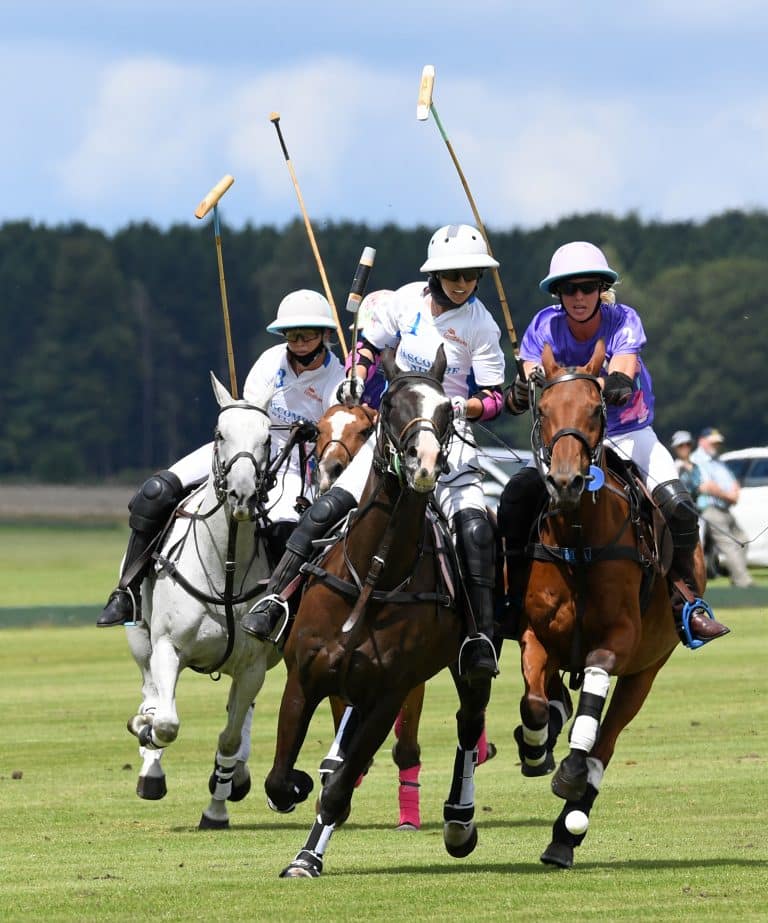
Polo is a fast-paced sport played by teams of four players on horseback. Each player has a specific role and skill set. Understanding the players helps to see why polo is more than just riding and hitting a ball.
Role Of Each Player
Each polo player has a clear job on the field. The team works like a unit, with roles divided to cover offense and defense.
- Number 1:The most offensive player. Focuses on scoring goals and attacking.
- Number 2:A forward player who supports the attack and defends when needed.
- Number 3:The team captain on field. Controls game flow and sets strategy.
- Number 4:The main defender. Protects the goal and blocks the opposing team.
Each player moves constantly, switching between offense and defense quickly.
Skills Required
Polo players need a mix of riding and ball skills. Riding a fast horse with control is essential.
- Excellent horseback riding ability to keep balance at high speeds.
- Strong hand-eye coordination to hit the ball accurately.
- Quick decision-making to respond to fast changes in play.
- Teamwork to pass and cover teammates effectively.
- Physical fitness to endure the fast pace and long matches.
Players train hard to develop these skills. The best players blend speed, strength, and strategy.
Credit: www.glion.edu
Polo Horses
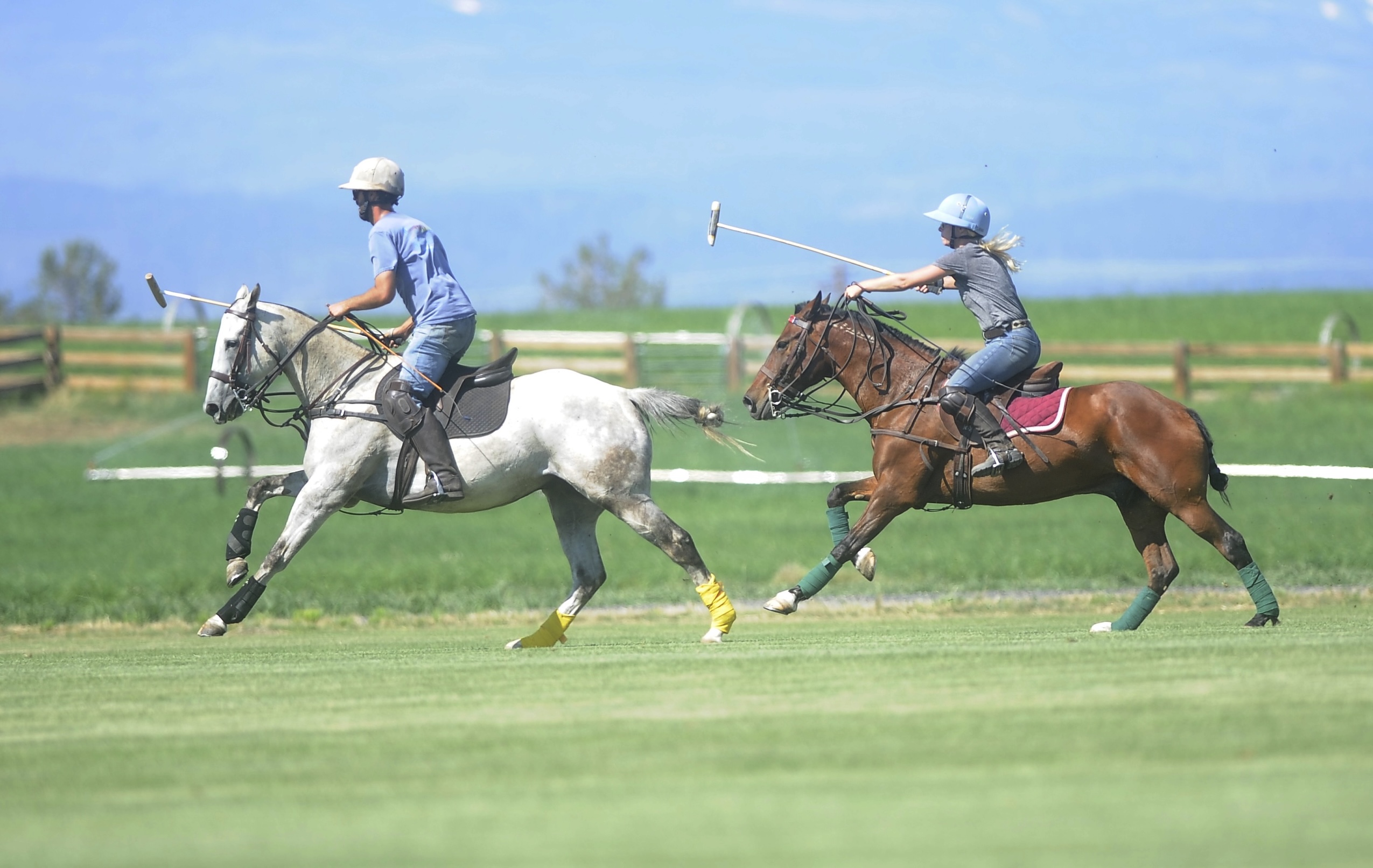
Polo horses, often called polo ponies, play a vital role in the fast-paced game of polo. These horses are specially selected and trained to meet the unique demands of the sport. Their speed, agility, and responsiveness can make the difference between winning and losing on the field.
Characteristics Of Polo Ponies
Polo ponies are not actually ponies but full-sized horses, usually standing between 14.2 and 16 hands high. They need to be quick, agile, and able to make sharp turns at high speeds. A calm temperament is equally important because the game can be intense and noisy.
- Speed and Stamina:Polo ponies cover a lot of ground quickly and need excellent endurance.
- Agility:They must turn sharply and accelerate rapidly without hesitation.
- Temperament:A steady, trainable nature helps them stay focused amid the chaos of the game.
Have you ever watched a polo match and wondered how these horses manage such quick, precise movements? Their physical traits combined with expert training make it possible.
Training And Care
Training a polo pony starts with basic groundwork and progresses to intense, sport-specific exercises. Horses learn to respond instantly to the rider’s commands and to remain calm despite sudden changes in pace or direction.
Regular conditioning keeps them fit and ready for the game. This includes galloping drills, strength exercises, and rest periods to prevent burnout.
- Diet:High-quality hay, grains, and supplements support energy needs and muscle recovery.
- Hoof Care:Frequent trimming and shoeing help maintain balance and prevent injuries on the field.
- Veterinary Attention:Routine check-ups and vaccinations keep the horses healthy and game-ready.
Taking care of a polo pony requires dedication. If you think about it, their wellbeing directly affects your performance. How well do you understand the needs of the horse beneath you?
Rules And Regulations
The rules and regulations in polo are designed to keep the game fair and exciting. They guide players on how to score, what counts as a foul, and how penalties are decided. Understanding these rules can deepen your appreciation of the sport and help you follow the fast-paced action more closely.
Scoring System
In polo, scoring is straightforward but demands precision. Each time the ball crosses the opposing team’s goal line, a goal is awarded, earning one point.
The game is divided into periods called chukkas, usually lasting seven minutes each. Teams try to score as many goals as possible within these chukkas.
Have you ever noticed how quickly the score can change? That’s because players constantly switch between offense and defense, making every goal critical.
Fouls And Penalties
To keep the game safe and fair, polo has strict rules against fouls. These include dangerous riding, hitting the ball in a way that endangers others, or interfering with an opponent’s swing.
When a foul occurs, the opposing team often receives a free hit from a specific distance, depending on where the foul happened. This rule ensures fairness without stopping the game’s flow.
Penalties also vary based on the severity of the foul. Serious infractions can lead to player suspension or even team penalties.
Have you considered how these rules impact the strategy? Players must balance aggressive play with caution to avoid costly penalties.
Credit: bendbulletin.com
Popular Polo Tournaments
Polo is more than just a sport; it’s a thrilling blend of skill, strategy, and tradition. Its popularity shines brightest during major tournaments that attract top players and passionate fans worldwide. These events showcase the best of polo’s excitement and heritage, offering a chance to witness the sport at its finest.
International Polo Events
International polo tournaments bring together teams from different countries, making the competition intense and exciting. Events like the Argentine Open Polo Championshipare famous for high-goal polo, where some of the world’s best players compete at a breathtaking pace.
The U.S. Open Polo Championshipis another key event, held annually in the United States, drawing large crowds and showcasing a mix of seasoned pros and rising stars. Watching these tournaments, you realize how much teamwork and precision go into every play.
Have you ever wondered how international teams manage to coordinate their styles and strategies? These tournaments highlight the global language of polo, where skill speaks louder than words.
Historic Competitions
Some polo tournaments carry a rich history that adds depth to the competition. The Queen’s Cupin England is one such tournament, dating back to 1960, celebrated for its prestige and royal patronage.
Another historic event is the Hurlingham Club Tournament, one of the oldest polo competitions, which helped shape modern polo rules. These tournaments remind you that polo isn’t just about speed and goals—it’s about honoring traditions that have lasted centuries.
Thinking about how history influences today’s game can deepen your appreciation for polo. The passion and legacy behind each tournament make watching or playing polo a unique experience.
Polo Culture
Polo culture is rich and vibrant, extending far beyond the game itself. It blends sport, social life, and tradition into a unique experience that attracts players and fans worldwide. Understanding this culture can deepen your appreciation for polo and reveal why it remains popular among diverse communities.
Social Aspects
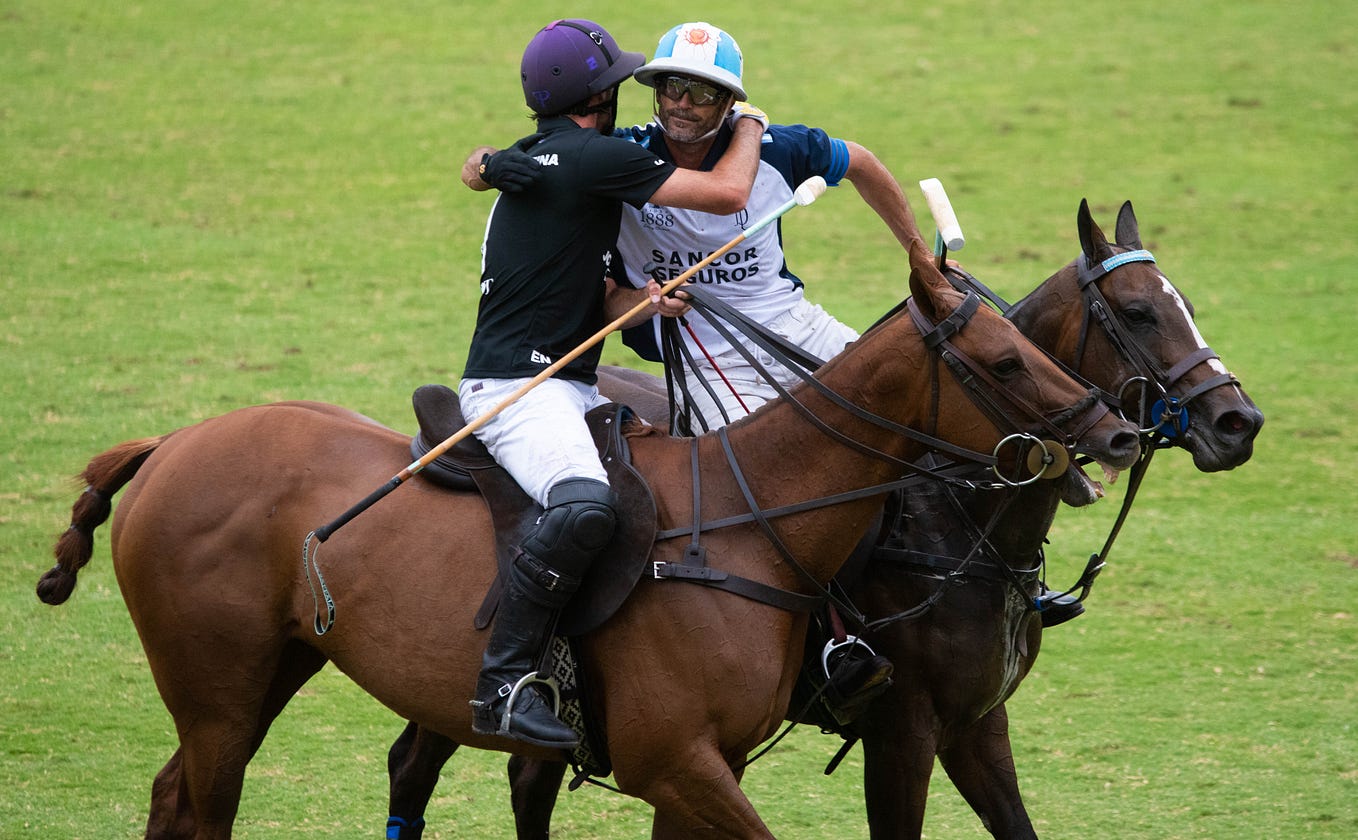
Polo events are more than just competitions; they are social gatherings where friendships and business connections thrive. Attending a polo match often means mingling with a diverse crowd—from seasoned players to enthusiastic newcomers.
The atmosphere encourages networking and relaxation, with many people arriving early to enjoy picnics and live music. Have you ever thought about how a sport can bring so many different people together in one place?
These social moments create lasting memories and foster a sense of belonging. Whether you’re a player or a spectator, polo culture invites you to be part of a vibrant community.
Fashion And Tradition
Polo’s fashion is iconic, combining elegance with practicality. Players wear crisp white pants, knee-high boots, and helmets, while spectators often dress in smart casual or formal attire, reflecting the event’s upscale vibe.
This style isn’t just about looks; it honors the sport’s history and respect for tradition. You might notice how the attire connects past and present, giving polo a timeless appeal.
Have you ever wondered why certain colors or fabrics dominate at polo events? These choices often carry symbolic meaning or practical benefits, like comfort during play or shade in the sun.
Embracing polo fashion means participating in a tradition that values respect, discipline, and style. It’s a way to show your appreciation for the sport and its unique cultural heritage.
Polo’s Global Reach
Polo has long been recognized as a sport with deep historical roots, but its influence stretches far beyond traditional strongholds. The game’s appeal crosses continents and cultures, connecting players and fans worldwide. Understanding polo’s global reach helps you appreciate how this sport continues to evolve and attract new audiences everywhere.
Countries Playing Polo
Polo is played in many countries, each bringing its own style and passion to the field. Argentina remains a giant in the sport, producing some of the best players and hosting world-famous tournaments.
Other key players include:
- United Kingdom – home to prestigious clubs and events like the British Open Polo Championship.
- India – with a history of polo dating back centuries, it still maintains strong regional interest.
- United States – growing polo communities, especially in California and Florida, draw diverse crowds.
- Australia and South Africa – both have vibrant polo scenes tied to their equestrian traditions.
Have you ever wondered why some countries embrace polo more enthusiastically? It often comes down to cultural ties and access to resources like horses and open fields.
Emerging Markets
New polo hubs are appearing in unexpected places, reflecting the sport’s expanding global footprint. Countries in Asia and the Middle East are investing in polo infrastructure and training programs.
Places like China and the United Arab Emirates are building modern polo clubs and hosting international competitions, aiming to attract younger players and global audiences.
This growth raises interesting questions: How will these emerging markets shape polo’s future? Will new styles and strategies develop as the sport adapts to different cultures?
For your part, exploring polo beyond traditional centers offers fresh perspectives. You might find inspiration in how new players bring energy and innovation to this age-old sport.
The Future Of Polo
The future of polo is bright and full of potential changes that could reshape how the sport is played and enjoyed. As the world evolves, so does polo, blending tradition with new ideas to keep players and fans engaged. Let’s look at some key areas that are driving this transformation.
Innovations In The Game
Technology is starting to play a bigger role in polo. From better equipment to tracking systems that monitor horse and player performance, the game is becoming smarter. These innovations help improve safety and strategy, making matches more exciting for everyone involved.
For example, GPS trackers on horses can give real-time feedback on speed and stamina. This allows players to adjust their tactics during the game. Imagine knowing exactly when your horse needs a break before it’s too late—this can prevent injuries and improve performance.
Also, polo fields are seeing upgrades with better turf and lighting, allowing for longer and more comfortable playtime. These changes open doors for evening matches and tournaments in new locations.
Youth And Polo
The future of any sport depends on its younger generation, and polo is no different. Encouraging youth participation is essential to keep the game alive and vibrant. Schools and clubs around the world are starting programs that make polo more accessible and less intimidating for beginners.
Community outreach and affordable training sessions help attract young players who might never have thought polo was for them. When I watched a youth polo camp in action, the enthusiasm and quick learning amazed me. It’s clear that giving kids a chance to play can spark lifelong passion.
What could happen if more young people get involved? The sport could grow in new regions and cultures, bringing fresh energy and ideas. Are you ready to support or even join this new wave of polo players?
Credit: polohub.medium.com
Frequently Asked Questions
Is Polo Recognized As A Sport Worldwide?
Yes, polo is officially recognized as a sport globally. It involves horseback riding and team competition to score goals. Polo has international governing bodies and is played competitively in many countries.
What Skills Are Needed To Play Polo Effectively?
Polo requires advanced horseback riding, hand-eye coordination, and strategic teamwork. Players must control the horse and hit the ball accurately while moving fast. Fitness and quick decision-making are also essential.
How Is Polo Different From Other Equestrian Sports?
Polo is unique because it combines team play, fast-paced action, and use of a mallet to hit a ball. Unlike dressage or show jumping, it focuses on scoring goals in a field game.
Can Beginners Learn To Play Polo Easily?
Beginners can learn polo but need riding experience first. Basic horse control and mallet handling take practice. Lessons from professionals and gradual skill building are important for safety and success.
Conclusion
Polo is definitely a sport with skill and speed. It requires strong teamwork and quick thinking. Players ride horses and hit a small ball with a mallet. The game tests balance, control, and strategy. Many enjoy polo for its excitement and challenge.
It is both a traditional and fast-paced sport. Whether watching or playing, polo offers unique thrills. Its blend of horse riding and ball skills makes it special. Polo continues to grow and attract fans worldwide. A true sport that combines athleticism and grace.