Is Judo an Olympic Sport: Discover Its Thrilling Olympic Journey
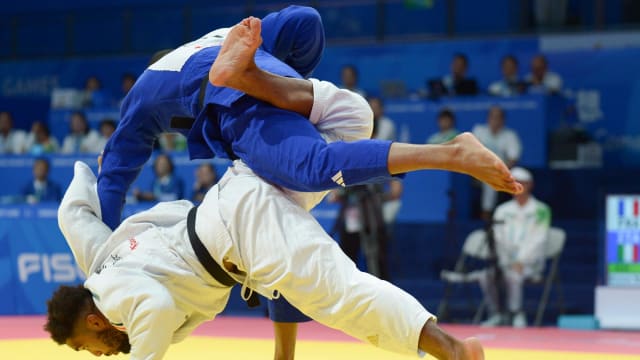
Are you curious whether Judo is an Olympic sport? You might have seen exciting matches on TV or heard about it from friends, but wonder if it truly belongs on the Olympic stage.
Understanding Judo’s place in the Olympics can change how you view this dynamic martial art and its global impact. You’ll discover the truth about Judo’s Olympic status and why it continues to captivate athletes and fans around the world. Keep reading to find out how Judo became more than just a sport—it became a symbol of strength, skill, and honor in the Olympic Games.

Credit: www.threads.net
Judo’s Olympic Debut
Judo’s Olympic debut marked a major moment for martial arts worldwide. It introduced a sport combining skill, discipline, and respect. The inclusion brought new excitement and global attention.
First Appearance
Judo first appeared at the 1964 Tokyo Olympics. The host country, Japan, proudly showcased its traditional martial art. Only men competed in the beginning. The sport quickly gained popularity during the Games. This debut set the stage for judo’s Olympic future.
Historic Moments
- Anton Geesink from the Netherlands won gold in 1964. He broke Japan’s dominance in judo. His victory inspired many outside Japan.
- Women’s judo was added in the 1992 Barcelona Olympics. This inclusion expanded opportunities for female athletes. It boosted the sport’s global reach.
- Judo rules and weight classes evolved over time. These changes made competitions fairer and more exciting.
- Olympic judo now features athletes from all continents. It truly became an international sport.
Evolution Of Judo In The Olympics
Judo entered the Olympic stage in 1964, marking a major milestone for this martial art. Its Olympic journey has seen many changes that shaped how the sport is played and viewed worldwide. These shifts helped judo stay exciting and fair for athletes and fans alike.
Rule Changes
Olympic judo rules have evolved to improve safety and competition fairness. Early matches allowed more aggressive moves, but some were risky. Over time, rules banned dangerous techniques and emphasized sportsmanship. Scoring systems also changed. Judges now reward clean, effective throws and holds more clearly. Match durations adjusted to balance endurance and skill. These changes made judo easier to watch and understand for global audiences.
Impact On Global Popularity
Judo’s Olympic presence boosted its worldwide appeal. The sport gained fans from many countries beyond Japan. Olympic exposure inspired more people to practice judo. National teams grew stronger, raising competition levels. Judo’s values of respect and discipline attracted schools and clubs. The Olympics helped judo reach new cultures and ages. Today, judo is one of the most popular martial arts in the world.
Notable Olympic Judo Champions
Judo has produced many memorable Olympic champions who shaped the sport’s history. These athletes display skill, strength, and spirit that inspire fans worldwide. Their stories highlight the dedication needed to succeed at the highest level.
Iconic Athletes
- Teddy Riner from France. He won multiple Olympic golds and dominated heavyweight judo.
- Ryoko Tani of Japan. Known for her speed and technique, she earned two gold medals.
- Neil Adams from Great Britain. Famous for his tactical skill and Olympic silver medals.
- Yasuhiro Yamashita of Japan. Undefeated in competition, he won gold in 1984.
Record-breaking Performances
- Teddy Riner claimed 10 World Championship titles along with Olympic golds.
- Ryoko Tani competed in five Olympics, winning medals in all but one.
- Masato Uchishiba won two Olympic golds in different weight categories.
- Wang Ki-chun from South Korea won consecutive World Championships and Olympic medals.
)
Credit: www.business-standard.com
Judo’s Influence On Other Olympic Sports
Judo’s influence stretches beyond its own mat, shaping techniques and training approaches in many Olympic sports. Its principles of balance, leverage, and timing offer valuable lessons that athletes from various disciplines use to improve their performance. Understanding judo’s impact can help you see how interconnected Olympic sports truly are.
Cross-training Benefits
Many athletes add judo to their training to improve agility and core strength. The sport’s emphasis on quick, explosive movements helps enhance overall body control. For example, wrestlers and mixed martial artists often use judo drills to sharpen their takedown skills and improve reaction time.
You might be surprised how judo’s groundwork techniques build endurance and mental toughness. Practicing judo can improve your balance and coordination, which translates well into sports like gymnastics and even fencing. Have you ever considered how a judo-inspired workout could change your training routine?
Shared Techniques
Judo shares many techniques with other Olympic sports, especially those involving grappling or close contact. Throws, pins, and joint locks in judo can be found in wrestling, sambo, and Brazilian jiu-jitsu. These shared moves show how judo’s principles form a technical foundation for multiple sports.
Take the hip throw, a classic judo move, which is also common in wrestling. Learning it in judo can help you understand body mechanics better, no matter your primary sport. Would exploring judo techniques give you a fresh perspective on your own sport’s movements?
Challenges Faced By Judo In The Olympics
Judo has faced several challenges since it became an Olympic sport. These challenges affect the sport’s growth and perception worldwide. Issues around rules, judging, and global representation have sparked debate. The sport must address these problems to stay relevant and fair.
Controversies
Judging disputes often arise during Olympic matches. Some decisions seem unclear or unfair to athletes and fans. This causes frustration and questions about the sport’s transparency.
Rule changes sometimes confuse players and viewers. Sudden shifts in scoring or penalties disrupt the flow of competition. This can lower audience interest and make the sport hard to follow.
Another issue is the dominance of certain countries. Some nations win most medals, which limits global competition. This may discourage smaller judo communities from investing in the sport.
Future Prospects
Efforts to improve judging aim to make decisions clearer and fairer. Technology may help referees and reduce errors. This can boost trust in the sport.
Standardizing rules worldwide can help athletes prepare better. Consistency across tournaments will attract more fans and participants.
Promoting judo in underrepresented countries can grow the sport’s reach. More diverse competition would increase excitement at the Olympics.
With these steps, judo can overcome challenges and thrive as an Olympic sport.

Credit: m.facebook.com
Frequently Asked Questions
Is Judo An Olympic Sport?
Yes, Judo is an official Olympic sport. It was first included in the 1964 Tokyo Olympics and has been part of the Games since then. Both men and women compete in various weight categories in the Summer Olympics.
When Was Judo Introduced In The Olympics?
Judo debuted as an Olympic sport in the 1964 Tokyo Summer Olympics. It was introduced to showcase Japanese martial arts on a global stage. Since then, it has become a regular and popular Olympic event.
Are There Weight Categories In Olympic Judo?
Yes, Olympic Judo features multiple weight categories for men and women. This ensures fair competition and matches athletes with similar body weights. Categories range from lightweight to heavyweight divisions.
How Is Olympic Judo Scored?
Olympic Judo scoring is based on throws, holds, and submissions. Points are awarded for successful techniques like ippon, waza-ari, and yuko. The highest score, ippon, ends the match immediately.
Conclusion
Judo is definitely an Olympic sport. It has been part of the Olympics since 1964. Athletes from many countries compete with skill and respect. The sport teaches discipline, strength, and fairness. Watching judo at the Olympics shows great excitement and honor.
It brings people together through fair competition. Judo remains a popular choice for many young athletes. The Olympic stage helps judo grow worldwide. It is a sport that values both mind and body. Judo’s Olympic presence is strong and inspiring.

Similar Posts