How to Size a Sports Bra: Ultimate Guide for Perfect Fit
Finding the right sports bra can make all the difference in your workout comfort and performance. But how do you know if you’re wearing the correct size?
If your sports bra feels too tight, too loose, or just not supportive enough, it’s time to learn how to size it properly. In this guide, you’ll discover simple steps to measure yourself accurately and choose a sports bra that fits perfectly.
Keep reading to feel confident, comfortable, and supported every time you move.
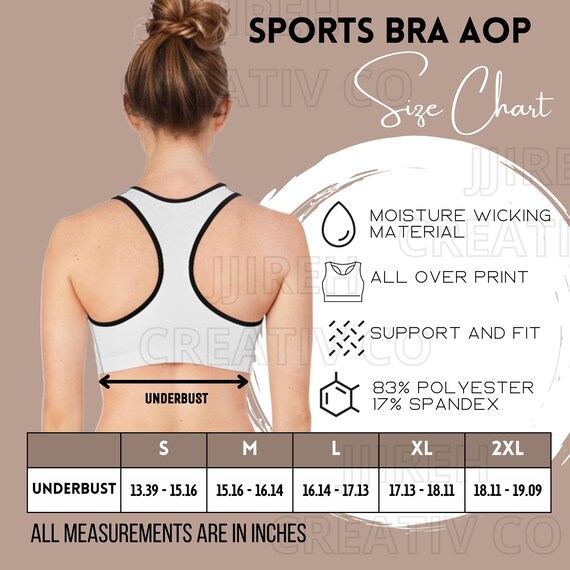
Credit: www.etsy.com
Importance Of Correct Sports Bra Size
Wearing the correct sports bra size is essential for comfort and support during exercise. A well-fitted sports bra reduces pain and prevents injuries. It allows better movement and keeps you focused on your workout. Choosing the right size improves your posture and boosts confidence.
Sports bras that do not fit well cause chafing, bouncing, and discomfort. This can make exercising painful and less enjoyable. Proper sizing helps avoid these problems and protects breast tissue from damage. It also ensures the bra stays in place during intense activities.
Protects Breast Health
A correct sports bra size supports breast tissue firmly. It minimizes excessive movement that can stretch ligaments. This support helps prevent sagging and long-term damage. Proper fit is a key part of breast care during physical activity.
Enhances Comfort And Performance
A well-fitted sports bra feels comfortable on the skin. It reduces pressure points and avoids pinching or digging into the skin. Comfort allows better focus and improved performance during workouts. You can exercise longer without pain or distraction.
Prevents Pain And Injury
Wrong sports bra size can cause back, shoulder, and chest pain. Poor support increases the risk of muscle strain and fatigue. Correct sizing distributes weight evenly and reduces pressure on these areas. This lowers the chance of injury and discomfort.
Improves Confidence
A sports bra that fits well makes you feel secure and confident. It shapes your body nicely under workout clothes. Feeling good in your gear motivates you to stay active and consistent. Confidence boosts your overall exercise experience.
)
Credit: www.swegmark.com
Measuring Your Band Size
Measuring your band size is the first step to finding a sports bra that fits well. The band supports most of your bust, so it needs to be snug but comfortable. A band that is too tight can cause discomfort, while one that is too loose won’t offer enough support.
Use a soft measuring tape and stand in front of a mirror. Make sure the tape lies flat and straight around your ribcage.
Wear A Light Or No Bra
Measure your band size without wearing a padded bra. A light or no bra ensures an accurate measurement. Thick bras can add extra inches and give a wrong size.
Measure Just Below Your Bust
Place the tape directly under your breasts. Keep the tape snug but not tight. This measurement reflects your ribcage size, which determines the band size.
Keep The Tape Level
Check in the mirror to ensure the tape is level all the way around. A crooked tape can make the measurement too big or small. Adjust it until it is parallel to the floor.
Take A Comfortable Reading
Relax your body and breathe normally while measuring. Avoid pulling the tape too tight. The tape should feel firm but comfortable, allowing you to move easily.
Round The Measurement Correctly
Note the measurement in inches. If it is an even number, add 4 inches. If odd, add 5 inches. This calculation helps find the band size that fits best.
- Example: If you measure 29 inches, add 5 inches → band size 34.
- Example: If you measure 30 inches, add 4 inches → band size 34.
Finding The Right Cup Size
Finding the right cup size is essential for comfort and support during sports activities. A well-fitted cup prevents bounce and reduces strain on your chest. It also helps avoid skin irritation and keeps you focused on your workout.
To find the correct cup size, you need two measurements: the band size and the bust size. The difference between these two tells your cup size. This step ensures the bra fits well around your chest and holds the breasts properly.
Use a soft measuring tape to measure around your ribcage, just below your breasts. Keep the tape snug but not tight. Make sure it is level all around. Round to the nearest whole number. If the number is even, add 4 inches; if odd, add 5 inches. This final number is your band size.
Measuring Your Bust Size
Measure around the fullest part of your breasts. Keep the tape level and not too tight. Stand straight and breathe normally. Round this number to the nearest whole inch. This is your bust measurement.
Calculating Your Cup Size
Subtract the band size from the bust size. The difference gives your cup size:
| Difference (inches) | Cup Size |
|---|---|
| 1 | A |
| 2 | B |
| 3 | C |
| 4 | D |
| 5 | DD or E |
Use this chart to find your cup size. Every brand may vary slightly, so try different bras for the best fit.
Signs Of A Perfect Cup Fit
- No spillage over the top or sides
- No gaps between breasts and cup
- Cups lie flat and smooth on the breast
- Support without discomfort or pinching
Credit: newbalanceau.zendesk.com
Assessing The Fit
Assessing the fit of a sports bra is crucial for comfort and support. A well-fitted bra reduces movement and prevents pain during exercise. It should feel snug but not tight. Check each part of the bra to ensure it fits your body properly.
Checking Band Comfort
The band should sit firmly around your ribcage. It must not ride up or dig into your skin. You should be able to fit two fingers under the band comfortably. A tight band causes discomfort, while a loose one offers little support.
Evaluating Cup Coverage
The cups must fully cover your breasts without spilling over. Avoid gaps or wrinkling in the fabric. Proper coverage keeps your breasts secure during movement. Cups that are too small cause bulging, while too large cups allow excess motion.
Testing Strap Support
Straps should stay in place without slipping off your shoulders. They must feel supportive but not dig into your skin. Adjust straps so they provide lift without causing pain. Balanced strap tension helps distribute weight evenly.
Common Fit Issues
Getting the right fit for your sports bra can be tricky, and many women face similar issues that affect comfort and support. Identifying common fit problems helps you adjust your size or style to feel confident during any workout. Let’s look at some frequent fit challenges and how to spot them.
Band Riding Up
If you notice the band creeping up your back during exercise, your sports bra is likely too loose. The band should sit snugly and horizontally across your ribcage, providing most of the support. A band that rides up can cause discomfort and reduce stability, making your workout less effective.
Try tightening the band or moving to a smaller size. If the band feels tight initially but loosens after a few wears, consider bras with a stretchier fabric or adjustable hooks. Have you ever felt your bra shift mid-run? That’s your body telling you the band needs better support.
Cup Spillage
Spillage happens when your breasts overflow from the cup edges, creating bulges or gaps. This is a clear sign the cup size is too small and can cause pain or chafing during movement. Proper cup fit keeps your breasts fully enclosed without squeezing or gaps.
Look for bras with larger cup sizes or styles designed for high impact to better contain your shape. If you feel your breasts spilling over while stretching or jumping, it’s time to size up or try a different cut. Have you checked if the seams align with your breast tissue? Misalignment often hints at cup issues.
Strap Digging
Straps that dig into your shoulders signal too much pressure on a small surface area, often due to an ill-fitting band or cup. Straps should provide lift without causing pain or leaving red marks after use. If your straps hurt, your sports bra might be doing half the job.
Consider bras with wider, padded straps or those designed to distribute weight evenly. Sometimes loosening the straps can help, but if they slip off, the band or cup size probably needs adjustment. Have you tried adjusting your straps only to find the discomfort persists? That’s a sign to reconsider your fit altogether.
Types Of Sports Bras
Sports bras come in different styles to suit various activities and support needs. Choosing the right type helps keep you comfortable and secure during exercise. Understanding these types makes sizing easier and improves your workout experience.
Compression Bras
Compression bras press the breasts close to the chest. They reduce movement by squeezing the tissue firmly. These bras work best for low to medium impact activities. Ideal for running, cycling, and gym workouts. They usually have a simple design without separate cups.
Encapsulation Bras
Encapsulation bras have individual cups to support each breast. They lift and shape, reducing bounce effectively. These bras suit medium to high impact exercises well. Good for sports like tennis, aerobics, and hiking. They provide more structure and comfort than compression bras.
Combination Bras
Combination bras mix compression and encapsulation features. They offer strong support and reduce movement from all angles. These bras fit well for high-impact sports and intense workouts. Perfect for activities such as running, jumping, and dancing. They often have adjustable straps and padded cups for extra comfort.
Choosing Based On Activity Level
Choosing a sports bra based on your activity level helps ensure comfort and support. Different activities require different levels of support. Wearing the right bra reduces bounce and prevents discomfort. It also helps avoid long-term damage to breast tissue. Understanding your activity’s impact level guides your choice.
Low Impact Sports
Low impact activities include walking, yoga, and stretching. These sports cause minimal breast movement. A light support bra or a bralette often works well. Look for soft fabrics and comfortable straps. You want freedom of movement without tight compression.
Medium Impact Sports
Medium impact sports are cycling, hiking, and dancing. These activities cause moderate breast movement. Choose bras with more support and wider straps. Look for features like adjustable bands and moisture-wicking fabric. The bra should hold breasts firmly but not restrict breathing.
High Impact Sports
High impact sports include running, aerobics, and jumping. These activities cause strong breast movement. A high support sports bra is essential. Look for bras with encapsulation and compression features. Thick straps and a snug band provide extra stability. The bra must minimize bounce and keep breasts secure.
Material And Design Considerations
Choosing the right sports bra isn’t just about the size—it’s also about the material and design. These factors affect comfort, support, and how well the bra performs during your activities. Paying close attention to these details can make a big difference in your workout experience.
Fabric Breathability And Moisture-wicking
Look for fabrics that keep you dry and comfortable. Materials like nylon, polyester, and spandex blend well to wick sweat away from your skin. Have you ever worn a bra that felt soggy mid-run? Choosing breathable fabric helps avoid that.
Mesh panels or perforated areas add ventilation. This keeps air flowing where you need it most. It’s a simple feature but can boost comfort dramatically.
Stretch And Support Balance
The fabric should stretch enough to move with you but still hold you firmly. Too much stretch means less support, while too little can feel restrictive. Think about your favorite sports bra—does it let you move freely without bouncing?
Look for materials with four-way stretch for flexibility. Design elements like wide straps and a sturdy band also add support without sacrificing comfort.
Seam Placement And Construction
Seams can either enhance or irritate your fit. Flatlock seams prevent chafing and feel smooth against your skin. If you’ve ever had a painful rub during a workout, seam placement might be the culprit.
Some designs avoid seams in sensitive areas altogether. This reduces friction and makes long sessions more comfortable.
Design Features For Specific Activities
Different workouts need different support. High-impact activities like running need bras with compression and encapsulation to minimize bounce. Yoga or pilates might call for lighter support and more flexibility.
Adjustable straps and removable padding offer customization. Do you prefer a snug fit or a little extra shape? These features help you tailor your bra to your needs.
Tips For Shopping In-store
Shopping for a sports bra in-store gives you the chance to try on different sizes and styles right away. This hands-on approach can help you find a fit that feels comfortable and supports your activities. Here are practical tips to make the most of your in-store sports bra shopping experience.
Bring Your Usual Size And Be Ready To Adjust
Start by bringing your regular bra size, but stay open to trying sizes up or down. Sizing can vary widely between brands and styles, so what fits in one might not in another. Trying on several sizes can help you discover your true fit.
Wear The Right Clothing For Trying On
Wear a thin, fitted top or a sports tank when you go shopping. This makes it easier to assess the bra’s fit and support without bulky layers getting in the way. You’ll see how the sports bra moves with your body during light activity.
Check The Band And Strap Fit Carefully
The band should feel snug but not tight, sitting level around your ribcage without riding up. Straps need to stay in place without digging into your shoulders. Adjust the straps and test the fit by moving your arms and jumping lightly if possible.
Test Support By Moving Around
Don’t just stand still—jump, jog in place, or stretch while wearing the bra. This reveals if it offers enough support and keeps everything comfortably in place. If you feel bouncing or discomfort, try a different size or style.
Ask For Help From Store Staff
Sales associates often know which brands run small or large and which styles suit different breast shapes. Don’t hesitate to ask for their advice or for different sizes to try. Their input can save you time and frustration.
Online Shopping Strategies
Buying a sports bra online can be tricky without trying it on. Use smart strategies to find the right size. These tips help ensure comfort and support after purchase.
Check The Size Chart Carefully
Each brand has its own size chart. Compare your measurements with the chart before buying. Measure your bust and underbust with a soft tape. Note the numbers in inches or centimeters. Pick the size closest to your measurements.
Read Customer Reviews
Reviews show if the bra fits true to size. Look for comments about tightness or looseness. Pay attention to reviews by customers with similar body shapes. This insight helps avoid surprises.
Look For Adjustable Features
Choose bras with adjustable straps or bands. These allow a better fit after buying. Adjustable parts can fix minor size issues. They add comfort during workouts.
Understand Return Policies
Check the store’s return and exchange rules. Some allow free returns if the size is wrong. Knowing this reduces the risk of wasting money. Keep the tags until you confirm the fit.
Consider Fabric And Stretch
Fabric affects fit and comfort. Stretchy materials adapt better to your shape. Read product descriptions for fabric details. This helps choose bras that fit well and feel good.
Caring For Your Sports Bra
Caring for your sports bra extends its life and keeps it comfortable. Proper care protects the fabric and support. Small habits make a big difference in performance and durability.
Washing Instructions
- Use cold water to keep fabric elastic.
- Hand wash or use a gentle cycle in the machine.
- Use mild detergent without bleach or fabric softeners.
- Place bras in a mesh laundry bag to avoid damage.
- Air dry flat; avoid dryers to prevent shrinking.
Storage Tips
- Store bras flat or hang them by straps to keep shape.
- Avoid folding padded cups inside out to prevent creases.
- Keep them in a clean, dry drawer away from direct sunlight.
- Separate sports bras from heavy items to avoid stretching.
Replacement Guidelines
- Replace sports bras every 6 to 12 months with regular use.
- Watch for loss of stretch or support as a sign to replace.
- Replace if straps or fabric show visible wear or damage.
- Changes in fit or discomfort mean it’s time for a new bra.
Frequently Asked Questions
How Do I Measure For A Sports Bra Size?
Measure your band size just below your bust with a snug tape. Measure your bust at the fullest part. Subtract the band from bust measurement to find your cup size.
What Is The Difference Between Sports Bra Sizes And Regular Bras?
Sports bras focus on support and compression rather than shaping. They often use simpler sizing like small, medium, large, or standard band/cup sizes with extra stretch and firm materials.
How Tight Should A Sports Bra Fit?
A sports bra should fit snugly but not restrict breathing. It must minimize bounce and stay in place during activity without causing discomfort or digging into your skin.
Can I Wear A Sports Bra For Everyday Use?
Yes, sports bras offer comfort and support for daily wear. Choose a style with less compression for all-day comfort and breathability outside workouts.
Conclusion
Choosing the right sports bra size helps you stay comfortable and supported. Measure your band and bust carefully for the best fit. Remember, sizes can change with different brands and styles. Try bras on and move around to check support.
A good fit reduces pain and improves workout performance. Keep your measurements updated as your body changes. The right sports bra makes exercise safer and more enjoyable. Take time to find the size that suits you best. Your body will thank you.