Have you ever wondered how many sports are featured in the Paralympics? If you think it’s just a handful, think again.
The Paralympic Games showcase a wide range of exciting sports designed for incredible athletes with different abilities. Knowing the variety of sports can change the way you see these games and inspire you in unexpected ways. Keep reading to discover the full list and learn how each sport challenges both the body and spirit—this might just surprise you!
Credit: www.paralympic.org
Paralympic Sports List
The Paralympic Games showcase an inspiring range of sports designed to highlight the talents and competitive spirit of athletes with disabilities. Each sport is adapted to ensure fair competition, making the games both exciting and inclusive.
Knowing the sports included can deepen your appreciation for the event and the incredible athletes who participate. Are you curious about which sports challenge these athletes and how they differ from their Olympic counterparts? Let’s look at the detailed list.
Summer Paralympic Sports
- Archery:Tests precision and control using adapted bows and equipment.
- Athletics:Includes running, jumping, and throwing events with classifications for different disabilities.
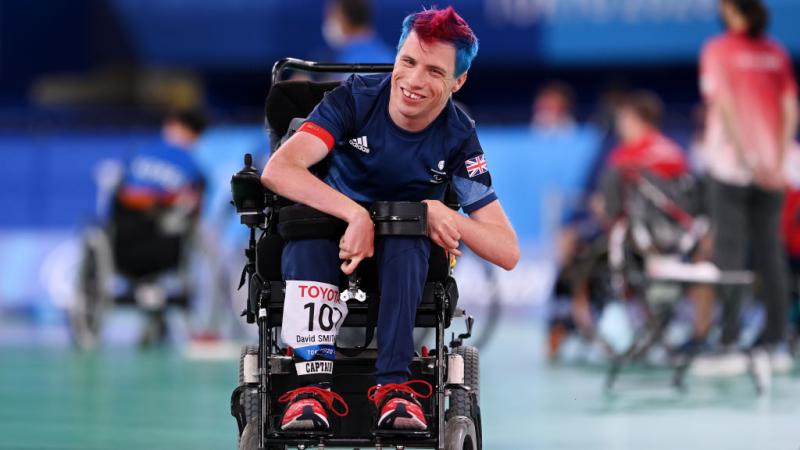
- Boccia:A precision ball sport similar to bocce, designed for athletes with severe physical disabilities.
- Cycling:Features road and track events with handcycles and tandem bikes.
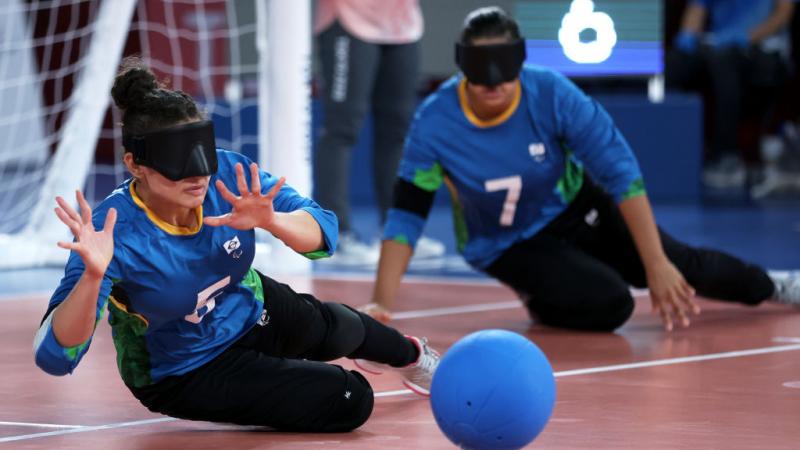
- Goalball:A unique team sport for visually impaired athletes, relying on sound and touch.
- Judo:Adapted for visually impaired athletes with specific rules for balance and grip.
- Powerlifting:Focuses on the bench press, open to athletes with various physical impairments.
- Rowing:Includes single and mixed boat classes for athletes with different disabilities.
- Sitting Volleyball:A fast-paced version of volleyball played sitting down to accommodate mobility impairments.
- Swimming:Features a wide range of strokes and distances, with classifications based on functional ability.
- Table Tennis:Played standing or seated, with equipment and rules modified to suit players’ needs.
- Taekwondo:A striking martial art adapted for athletes with limb impairments.
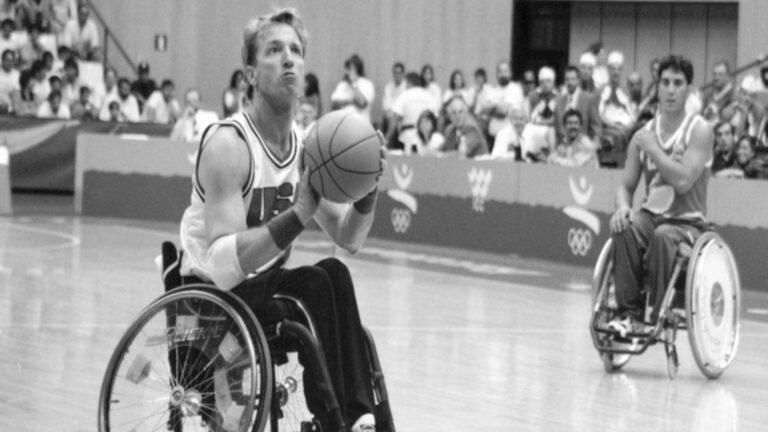
- Wheelchair Basketball:Fast and strategic, played by athletes with lower limb disabilities.
- Wheelchair Fencing:Combines speed and skill with weapons, adapted for seated players.
- Wheelchair Rugby:A high-contact team sport for athletes with upper and lower limb impairments.
- Wheelchair Tennis:Similar to able-bodied tennis but allows two bounces of the ball.
Winter Paralympic Sports
- Alpine Skiing:Downhill races adapted for sitting, standing, or visually impaired athletes.
- Biathlon:Combines cross-country skiing and shooting, with adaptations for athletes with disabilities.
- Cross-Country Skiing:Includes various distances and styles, with classifications to ensure fairness.
- Ice Sledge Hockey:Played on sledges for athletes with lower body impairments, fast and physical.
- Snowboard:Features events like snowboard cross, adapted for balance and limb differences.
Each sport has its own set of rules and classifications to ensure that athletes compete on an even playing field. Understanding these sports might change how you watch the games, making you more aware of the skill and dedication involved.
Which Paralympic sport do you find most intriguing? Could trying one yourself change your perspective on ability and competition?
Summer Vs Winter Sports
The Paralympics showcase incredible athletic talent across two main seasons: summer and winter. Each season features unique sports adapted for athletes with disabilities. The variety in sports highlights different skills and physical demands. Summer sports generally have more events than winter sports. This difference reflects the wider range of activities suited to warmer weather.
Summer and winter sports in the Paralympics differ in equipment, venues, and athlete preparation. Summer sports often take place outdoors on tracks, fields, or pools. Winter sports require cold conditions and specialized gear like skis or sleds. Both seasons focus on inclusion and competition at the highest level.
Summer Paralympic Sports
- Athletics (track and field)
- Swimming
- Wheelchair basketball
- Para-cycling
- Wheelchair rugby
- Para-rowing
- Para-triathlon
- Para-equestrian
- Goalball
- Sitting volleyball
Summer sports offer a broad range of events for different impairments. They include both individual and team competitions. Many sports use modified equipment to suit athlete needs. The summer games are more extensive and attract larger crowds.
Winter Paralympic Sports
- Alpine skiing
- Cross-country skiing
- Biathlon
- Sledge hockey
- Wheelchair curling
Winter sports focus on snow and ice disciplines. They test endurance, speed, and precision in cold environments. Fewer sports compete compared to summer, but the challenge is just as intense. Adaptive technology plays a key role in athlete performance.
Classification Categories
Classification categories in the Paralympics ensure fair competition. They group athletes by the type and level of their disabilities. This system helps athletes compete with others who have similar abilities.
Each sport has specific classification rules. These rules consider how an athlete’s impairment affects their performance. The goal is to make races, matches, and contests balanced and competitive.
Physical Impairment Classes
These classes cover athletes with mobility issues. It includes amputations, muscle weakness, and limited joint movement. Athletes may compete in wheelchairs or use prosthetics depending on their class.
Visual Impairment Classes
Athletes with vision loss compete in this category. They are grouped based on how much sight they have. Some use guides or special equipment during events.
Intellectual Impairment Classes
This group includes athletes with learning and cognitive difficulties. The classification ensures they compete fairly in sports that test strategy and skill. It helps maintain equal chances for success.
Sport-specific Classifications
Every Paralympic sport has unique rules for classification. For example, swimming and athletics have different class codes. This system adapts to the demands of each sport.
Credit: www.theguardian.com
Popular Paralympic Disciplines
The Paralympics showcase a wide range of sports designed to challenge athletes with different types of disabilities. These sports are adapted to ensure fair competition and highlight incredible skill and determination. Understanding the popular Paralympic disciplines can give you a deeper appreciation for the diversity and excitement of the Games.
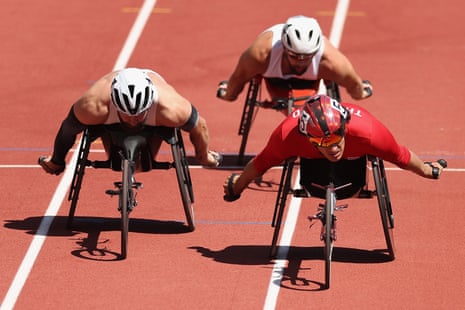
Para AthleticsPara Athletics is one of the most popular and widely recognized Paralympic sports. It includes track and field events such as sprints, long-distance running, jumping, and throwing. Watching athletes break records in wheelchairs or with prosthetic limbs shows how innovation meets athleticism.
Have you ever considered how much training it takes to master both technique and adapt to equipment? Each event is classified to ensure athletes compete fairly based on their abilities, making every race thrilling and unique.
Wheelchair BasketballWheelchair Basketball is a fast-paced, action-packed sport that combines teamwork, strategy, and skill. The game follows similar rules to able-bodied basketball but is modified to suit wheelchair users. It’s a sport where agility, speed, and precise ball handling make all the difference.
Imagine the coordination needed to maneuver your wheelchair while dribbling and shooting. This sport often grabs attention because it’s easy to follow and full of dramatic moments.
Para SwimmingSwimming is a classic Paralympic discipline that includes various strokes and distances. Athletes are classified by their physical, visual, or intellectual impairments to compete fairly. The water becomes a level playing field where strength and technique shine.
Swimming requires incredible endurance and control, which makes every race intense. Do you think swimming feels more liberating or challenging for athletes with disabilities? The answer varies, but the determination is unmistakable.
Para CyclingPara Cycling includes both road and track events, featuring bicycles, tricycles, handcycles, and tandem bikes for visually impaired athletes. This sport demands power, balance, and strategy. The adaptations allow athletes to push their limits in speed and endurance.
Have you seen how handcyclists use their upper body strength to race at high speeds? It’s a powerful reminder that sports can be transformed to fit different needs without losing excitement.
GoalballGoalball is a unique team sport created specifically for visually impaired athletes. Players rely on sound to track the ball, which contains bells, and defend their goal. It’s a game of intense concentration and communication.
Playing Goalball challenges your senses differently than most sports. It asks you to listen, react, and work with your team in a completely new way.
- These popular disciplines demonstrate the Paralympics’ commitment to inclusivity.
- Each sport offers a different challenge and showcases unique athletic skills.
- What sport would you be most excited to try if you had the chance?
New Sports Added Recently
New sports are added to the Paralympics to reflect the evolving interests and abilities of athletes with disabilities. These additions often bring fresh excitement and open doors for more athletes to compete on the world stage. Have you ever wondered how these new sports impact the overall diversity and inclusivity of the Games?
Para Badminton
Para Badminton made its debut at the Tokyo 2020 Paralympic Games. It offers a fast-paced, thrilling experience similar to Olympic badminton but adapted for athletes with physical impairments. Watching these players showcase agility and precision challenges common perceptions about disability and athleticism.
Taekwondo
Another recent addition is Para Taekwondo, which also started at Tokyo 2020. This martial art emphasizes speed, strategy, and skill, allowing athletes with limb impairments to compete in a dynamic combat sport. Introducing Taekwondo has expanded the range of Paralympic sports that combine physical and mental challenges.
Why Adding New Sports Matters
Adding new sports keeps the Paralympics fresh and inclusive. It provides opportunities for athletes who may not fit into traditional categories. Could your favorite sport be the next to join the Paralympic roster?
Sports Removed Over Time
The Paralympic Games have evolved significantly since their inception, and the lineup of sports has changed along the way. Some sports that once featured in the Games have been removed for various reasons. Understanding which sports have been dropped and why offers insight into how the Paralympics adapt to changing interests, athlete participation, and logistical challenges.
Early Sports That No Longer Appear
Several sports featured in the early Paralympics are no longer part of the competition. For example, dartchery, a mix of darts and archery, was once a popular event. It was removed as the Games focused more on mainstream sports with wider global appeal.
Another discontinued sport is lawn bowls, which was part of the Paralympics until the 1990s. Though it remains popular in some countries, the Paralympic Committee decided to concentrate on sports with larger international participation.
Reasons Behind Removing Certain Sports
Sports are removed from the Paralympics for multiple reasons. Low athlete participation can make it hard to justify keeping a sport. If only a handful of countries compete, it limits the competitive spirit and global representation.
Another factor is the complexity of classification systems. Some sports had classification challenges that made fair competition difficult. Simplifying the lineup helps create a more streamlined and understandable Games for fans and athletes alike.
Impact Of Removal On Athletes And Fans
When a sport is removed, athletes often face tough choices—switching sports or ending their Paralympic careers. This can be disheartening, especially for those who have trained for years. It raises the question: how can the Paralympic community better support these athletes through transitions?
Fans, too, may miss certain sports that held personal significance. Yet, the changes often reflect a broader goal: to keep the Paralympics relevant and exciting. What sports do you think should be added or brought back to engage more viewers and participants?
Global Participation Impact
The Paralympics brings together athletes from all over the world. This global participation shows the power of sports to unite people. It highlights the importance of inclusion and equal opportunities for athletes with disabilities.
Each country sends its best athletes to compete in many different sports. This diversity promotes cultural exchange and understanding. It also inspires people everywhere to value perseverance and strength.
Worldwide Representation
More than 160 countries take part in the Paralympics. This wide representation makes the event truly global. Athletes from small and large nations showcase their skills on the world stage.
Promoting Disability Awareness
The Paralympics raises awareness about disability issues. It changes how people view disabilities in society. Stories of athletes overcoming challenges create respect and support.
Boosting Local Sports Development
Many countries invest in sports programs for people with disabilities. The Paralympics motivates governments and organizations to improve facilities and training. This growth helps athletes prepare for future competitions.
Encouraging Youth Participation
The event inspires young people with disabilities to try sports. Seeing role models succeed builds confidence and dreams. This encouragement leads to stronger future generations of athletes.
Credit: usopm.org
Future Paralympic Sports Trends
The future of Paralympic sports is full of exciting possibilities. New sports are being considered, and existing ones are evolving to be more inclusive and engaging. This means you might soon see fresh opportunities for athletes and fans alike.
Emerging Sports On The Paralympic Horizon
Sports like para-surfing and para-climbing are gaining traction. They offer new ways for athletes to showcase skill and determination. Adding these sports could attract more viewers and participants, expanding the Paralympic community.
Technology’s Role In Shaping Future Events
Advances in prosthetics and adaptive gear continue to change what athletes can achieve. Imagine how enhanced equipment could level the playing field further. This tech boost will likely lead to faster, stronger, and more thrilling competitions.
Inclusive Classification Systems
Classification is key to fair competition. Future trends point toward more precise and flexible systems to better group athletes by ability. This will help ensure every athlete has a fair chance to shine.
Growing Global Participation
More countries are investing in Paralympic programs. Increased participation means a richer mix of cultures and styles in each sport. Could this diversity bring new strategies and excitement to the games?
Fan Engagement And Media Coverage
Interactive broadcasts and virtual reality experiences are set to change how you watch the Paralympics. These innovations aim to bring you closer to the action than ever before. How would you like to experience the games from an athlete’s point of view?
Frequently Asked Questions
How Many Sports Are Included In The Paralympics?
The Paralympics feature 22 official sports. These sports cater to athletes with various disabilities. Each sport is adapted for fair competition.
What Are The Most Popular Paralympic Sports?
Popular Paralympic sports include athletics, swimming, wheelchair basketball, and cycling. These sports draw the largest athlete participation and audience interest.
Are New Sports Added To The Paralympics Regularly?
Yes, the Paralympic program evolves. New sports may be added based on global interest and athlete inclusion. This keeps the games dynamic.
How Are Paralympic Sports Classified By Disability?
Each sport uses a classification system. It groups athletes by the type and level of their disability. This ensures fair competition.
Conclusion
The Paralympics feature many exciting sports for athletes with disabilities. Each sport shows skill, strength, and determination. The variety allows many athletes to compete and inspire others. Watching these sports helps us appreciate true courage and teamwork. The Paralympics remind us that limits exist only in the mind.
Everyone can find joy in the games. Keep supporting and learning about these incredible sports. They bring hope and change perceptions worldwide.