

Are you thinking about switching up your Apple Watch band but wonder if every band fits every Apple Watch? It’s a question many Apple Watch owners ask before making a purchase.
You want a band that looks great, feels comfortable, and fits perfectly without any hassle. But with different Apple Watch sizes and models out there, can you really use any band with your watch? Keep reading, and you’ll discover exactly what you need to know to choose the right band for your Apple Watch—no confusion, no guesswork.
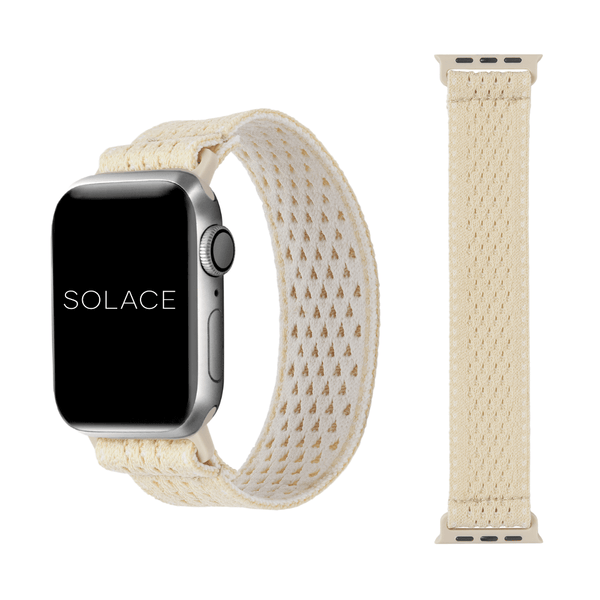
Credit: solacebands.com
Compatibility Of Apple Watch Bands
Apple Watch bands vary by size and model compatibility. Choosing the right band ensures a perfect fit and comfort. Not all bands fit every Apple Watch. Understanding the compatibility helps you pick the right band easily.
Band Sizes And Apple Watch Case Sizes
Apple Watch bands come in two main sizes. These sizes match the watch case sizes. The smaller bands fit 38mm, 40mm, and 41mm cases. The larger bands fit 42mm, 44mm, and 45mm cases. Checking your watch case size is key before buying a band.
Compatibility Across Different Apple Watch Series
Most bands fit across different Apple Watch series. Bands designed for earlier series often work with newer ones. Apple keeps the band connector design consistent. This means you can reuse bands if the sizes match. Some special edition bands may have unique designs and sizes.
Third-party Bands And Compatibility
Many third-party bands fit Apple Watches well. These bands often follow Apple’s size standards. Always check the band size before purchasing. Some third-party bands offer adjustable sizes. This flexibility can help if you are unsure about your size.
How To Identify Your Apple Watch Size
- Look at the back of your watch case.
- Find the size number engraved there.
- Use the Apple Watch app to check model details.
- Check your watch box or purchase receipt.
Knowing your size helps you select a compatible band quickly.
Understanding Apple Watch Sizes
Understanding Apple Watch sizes is key to choosing the right band. Apple Watch models come in different case sizes. Each size affects which bands fit properly. Not all bands fit all watches. Knowing your watch size helps you pick compatible bands. This ensures comfort and style.
Apple Watch Case Sizes Through The Years
Apple Watch sizes started small and grew over time. Early models had 38mm and 42mm cases. Later, Apple introduced 40mm, 44mm, 41mm, and 45mm sizes. Each size change affects band compatibility. Bands designed for one size may not fit another.
How Band Sizes Match Apple Watch Cases
Apple designs bands to fit specific case sizes. Bands for smaller cases fit smaller wrists. Larger cases need longer bands. The company groups sizes into two main categories:
- 38mm, 40mm, 41mm cases use small bands
- 42mm, 44mm, 45mm cases use large bands
Bands within each group are interchangeable. Mixing groups usually causes fit issues.
Checking Your Apple Watch Size
Find your watch size on the back of the case. It shows the millimeter number. You can also check in the Watch app. Knowing this helps pick the right band size. Avoids buying incompatible bands that don’t fit well.
Generational Differences In Watch Bands
Apple Watch bands have evolved alongside the device itself, and not all bands fit every model. Understanding the generational differences in watch bands helps you avoid buying a band that won’t work with your watch. Let’s break down these differences so you can find the perfect fit for your Apple Watch.
Size Variations Between Generations
Apple Watch bands are designed to fit specific case sizes. The first few generations offered 38mm and 42mm options, while newer models introduced 40mm, 41mm, 44mm, and 45mm sizes.
You need to match the band size to your watch case size. For example, a band for a 38mm watch won’t fit a 42mm watch properly.
Compatibility Across Different Series
Apple maintained backward compatibility for band sizes from Series 1 through Series 6, meaning bands made for older watches generally fit newer models of the same size.
However, the introduction of the Apple Watch Ultra with a 49mm case size and unique band connectors means some bands won’t fit this model.
Band Connector Design Changes
Older Apple Watch models have a different band connector design compared to the Ultra series. This affects how securely the band attaches to the watch.
If you have an Ultra, you need bands specifically designed for its wider and sturdier connectors. Trying to use a traditional band may result in a loose fit or the band not attaching at all.
Material And Style Considerations
Besides size and connector differences, some materials work better with certain watch models. For instance, leather bands may wear differently depending on how you use your watch.
Ask yourself if you want a band for workouts, formal occasions, or everyday wear. Picking the right material and style enhances your Apple Watch experience and comfort.
How To Identify The Right Band For Your Watch
Check your Apple Watch’s case size, which you can find on the back of the watch or in the settings. Then, confirm the band size compatibility listed by Apple or band manufacturers.
Sometimes, sellers include compatibility charts to make this easier. Don’t hesitate to double-check before buying to avoid returns or frustration.
Material And Design Considerations
Choosing the right Apple Watch band involves more than just size. Material and design play key roles in comfort and style. Different materials suit different activities and skin types. Designs affect how the band fits and looks on your wrist.
Materials Used In Apple Watch Bands
Apple Watch bands come in many materials. Each offers unique benefits and feels. Common materials include:
- Silicone: Soft, flexible, and water-resistant. Great for sports.
- Leather: Classic look, comfortable, but not ideal for water.
- Stainless Steel: Durable and stylish, but heavier on the wrist.
- Nylon: Lightweight and breathable, perfect for everyday wear.
Material choice affects skin comfort and durability. Some materials may cause irritation for sensitive skin.
Design Features Affecting Fit And Comfort
Design impacts how the band fits your wrist. Apple offers various styles like:
- Sport Bands with adjustable holes for a snug fit.
- Loop Bands that use magnets or velcro for easy adjustment.
- Link Bracelets with metal links that can be added or removed.
- Solo Loops that stretch to fit without clasps or buckles.
Design also influences how easy it is to put on or take off the band. Choose a design that matches your daily routine and preferences.
How To Choose The Right Band
Choosing the right Apple Watch band can feel overwhelming. There are so many styles, materials, and sizes to consider. But focusing on a few key points can make your decision easier and ensure your band fits perfectly and suits your lifestyle.
Check Your Apple Watch Size
Your Apple Watch size is the first thing to verify. Bands are designed to fit specific case sizes, like 38mm, 40mm, 41mm, or 42mm, 44mm, 45mm. If you pick a band for a different size, it simply won’t attach securely.
Remember, newer models often share band sizes with previous ones. For example, bands made for the 40mm fit the 41mm models too. Always double-check your watch’s case size before buying a band.
Choose The Right Material For Your Lifestyle
Think about how you use your watch daily. Are you active, working out a lot, or mostly in an office setting? Different materials offer various benefits.
- Silicone or fluoroelastomer bandsare great for workouts and water resistance.
- Leather bands
- Metal bands
Choosing a material that matches your daily activities will help you enjoy your watch more.
Consider Your Personal Style And Comfort
How does the band look and feel on your wrist? Comfort is key since you wear your watch all day. Some bands are adjustable, while others have fixed lengths.
Think about colors and patterns that fit your wardrobe. A bright band might be fun for casual wear but less suited for formal occasions. Don’t settle for a band that irritates your skin or feels too tight or loose.
Look At Compatibility With Watch Features
Some bands work better with certain Apple Watch features. If you use the heart rate sensor or blood oxygen monitor often, make sure the band doesn’t cover or interfere with the sensors.
Also, check if the band supports your watch’s water resistance level, especially if you swim or shower wearing your watch.
Think About Your Budget
Apple Watch bands come in a wide price range. You can find affordable third-party options or high-end Apple originals.
Ask yourself how much you’re willing to spend and what features matter most. Sometimes paying a bit more means better quality and longer life, saving money in the long run.
Third-party Band Options
Choosing a third-party Apple Watch band can open up a world of style and affordability. These bands often offer unique designs and materials you won’t find in Apple’s official lineup. But before you buy, it’s crucial to understand how compatibility works.
Compatibility Considerations
Not all third-party bands fit every Apple Watch model. Apple Watch bands are sized based on the watch case size—either 38mm, 40mm, 41mm or 42mm, 44mm, 45mm, and 49mm for the Ultra model.
Third-party manufacturers usually label their bands with these sizes. If you have a 44mm watch, you need a band that fits 42mm, 44mm, or 45mm cases since they are compatible.
Quality And Material Choices
Third-party bands come in various materials like silicone, leather, nylon, and stainless steel. Some offer surprising quality at a fraction of Apple’s prices.
However, check customer reviews and product photos to avoid bands that feel cheap or wear out quickly. A well-made third-party band can last just as long as an official one.
Unique Styles And Features
If you want a band that stands out, third-party options can deliver. From vibrant patterns to vintage leather styles, you have plenty of choices.
Some bands also add features like quick-release pins or adjustable clasps, making it easier to swap bands without tools. Have you found a style that truly reflects your personality?
Price And Warranty Differences
Third-party bands usually cost less, but warranties vary widely. Some brands offer guarantees, while others don’t cover defects at all.
Think about how important warranty and customer support are to you before purchasing. Sometimes paying a bit more is worth the peace of mind.
Tips For Band Maintenance
Keeping your Apple Watch band in top shape makes a big difference in how it looks and feels every day. Proper maintenance helps you avoid wear and tear, keeping your band comfortable and stylish. Let’s dive into some smart tips that you can easily apply to extend the life of your watch bands.
Cleaning Your Band Regularly
Regular cleaning prevents dirt and sweat buildup that can cause stains or odors. Use a soft, damp cloth for basic cleaning, and mild soap if needed. Avoid harsh chemicals that might damage the material.
For silicone bands, a quick rinse under water and gentle scrubbing with a soft brush can refresh them. Leather bands need a different approach—wipe gently with a dry cloth and avoid soaking to preserve the texture.
Proper Storage When Not In Use
Where you keep your band affects its durability. Store your watch band away from direct sunlight to prevent fading and material breakdown. A cool, dry place is best to avoid moisture damage or warping.
Think about rotating your bands if you have several. This prevents one from wearing out too quickly and keeps your collection looking fresh longer.
Avoiding Exposure To Extreme Conditions
Extreme heat, cold, and humidity can harm your band’s material. For instance, leaving a leather band in hot sunlight can cause cracking. If you’re heading to the gym or the pool, consider swapping to a water-resistant or sport band instead.
Ask yourself: Is your band suited for the activity you’re about to do? Choosing the right band for your lifestyle can save you from damage and extra costs.
Handling With Care
Simple habits like removing your watch gently and avoiding excessive pulling on the band can prevent unnecessary stress. Check the connectors regularly to ensure they are secure and clean to avoid accidental drops.
From personal experience, I’ve found that being mindful when swapping bands keeps them intact much longer. Don’t rush the process—your bands will thank you.

Credit: goldenerre.com
Future Trends In Watch Band Design
The future of Apple Watch bands is exciting and full of innovation. Designers focus on comfort, style, and technology. New materials and smart features are shaping what comes next. Watch bands will do more than just hold your watch.
Expect bands that adjust automatically to your wrist size. Materials will become more durable yet softer for long wear. Sustainability will play a big role, with eco-friendly options rising.
Smart Bands With Health Monitoring
Watch bands will include sensors to track health data. They can monitor hydration, skin temperature, or stress levels. These bands work alongside the Apple Watch’s built-in sensors. This adds more insight without extra devices.
Customizable And Interchangeable Designs
Future bands will offer more ways to personalize your look. Users can swap colors, textures, and patterns easily. Magnetic and clip systems will make changing bands fast. This suits daily style changes or special occasions.
Eco-friendly And Sustainable Materials
Apple and other brands focus on reducing waste. Bands made from recycled plastics, plant fibers, or biodegradable materials will grow. These choices help protect the environment without losing quality or style.
Enhanced Comfort With Advanced Materials
New fabrics and flexible metals will improve comfort. Breathable and sweat-resistant materials keep wrists dry. Lightweight designs reduce strain for all-day wear. Comfort will be a top priority in future band designs.

Credit: bandletic.com
Frequently Asked Questions
Do Apple Watch Bands Fit All Models?
No, Apple Watch bands fit specific case sizes only. Bands for 38mm, 40mm, and 41mm fit smaller watches. Bands for 42mm, 44mm, and 45mm fit larger models. Check your watch size before buying bands for compatibility and proper fit.
Can I Use Older Bands On New Apple Watches?
Yes, bands designed for earlier Apple Watch sizes usually fit newer models. Apple maintains band compatibility within size groups (small or large). However, always verify your watch’s case size to ensure the band fits perfectly without gaps or looseness.
Are Third-party Apple Watch Bands Compatible?
Many third-party bands are compatible if they match your watch’s case size. Quality and fit vary, so buy from reputable sellers. Ensure the band fits the specific Apple Watch size (e. g. , 40mm or 44mm) for secure attachment and comfort.
How To Choose The Right Apple Watch Band Size?
Measure your Apple Watch case size—either 38mm/40mm/41mm or 42mm/44mm/45mm. Select a band matching that size group for a secure fit. Consider your wrist size for comfort, as bands come in various lengths to suit different wrists.
Conclusion
Not all Apple Watch bands fit every model. Different sizes and designs matter. Check your watch size before buying a band. This helps avoid fitting problems later. Many bands work with multiple models, but some do not. Choosing the right band keeps your watch secure and comfortable.
Always match your band to your specific Apple Watch size. This simple step saves time and money. Enjoy your Apple Watch with the perfect band every time.


