Premium Sound Bowls for Yoga & Meditation Healing
If you've ever heard a singing bowl up close, you already know why people fall for them. That warm, resonant hum doesn't just fill a room, it practically rewires your nervous system. One good strike and your shoulders drop, your breathing slows, and your brain finally stops running the day's to-do list on repeat.
But here's the thing: not all singing bowls are created equal. Some sing like a dream, and some sound like a rusty dinner bell. The market is flooded with everything from $20 souvenir bowls to hand-forged instruments that cost a small fortune.
If you're new to this, choosing the right one can feel overwhelming.
That's where we come in. After researching manufacturer specs, analyzing hundreds of verified buyer reviews, and cross-referencing sound quality data across multiple price tiers, we've narrowed it down to the five bowls that actually deliver. Whether you're a meditation newbie or a seasoned sound healer, there's a bowl on this list for you.
Let's dive in.
What to Look for in a Singing Bowl (Without Getting Overwhelmed)
Before we get to the reviews, here's a quick crash course in what actually matters when you're buying a singing bowl.
Material matters more than you think. Traditional bowls are made from a seven-metal alloy (often called "Himalayan" or "Tibetan" bowls), while modern bowls might be pure quartz crystal or simple brass. Each has a distinct sound profile. Metal bowls produce rich, complex harmonics, while crystal bowls create a cleaner, purer tone that carries longer.
Size directly affects pitch. Bigger bowls produce lower, deeper tones. Smaller bowls go higher and brighter. If you're using this for sleep, deeper is usually better.
For yoga classes or group meditation, a mid-size bowl gives you enough volume to fill a room without overpowering it.
Handmade vs. machine-made is a real distinction. Hand-hammered bowls have subtle variations in thickness that create richer, more complex overtones. Machine-made bowls are more consistent but can sound flat. That handwork costs more, but it's where the magic lives.
Check the accessories. Some bowls come with a cushion, a striker (mallet), or both. That might sound minor, but a decent striker and a ring cushion make a huge difference in sound quality and ease of use.
Read the fine print on "antique" claims. A lot of "rare antique Tibetan bowls" are mass-produced in Nepal and aged artificially. Don't pay a premium for a fake backstory. Buy from reputable manufacturers and look for honest product descriptions.
#1. Best Overall: Traditional Crafted Singing Bowl Set
If you only buy one singing bowl, this is the one. It's the top pick on our list because it nails all the essentials: rich sound, solid craftsmanship, and a price point that won't make you wince.
This bowl is hand-hammered from a traditional seven-metal alloy, and you can hear the difference the moment you strike it. The tone is deep and full-bodied with a long sustain, which is exactly what you want for meditation sessions. It's not just a single note either; there are subtle harmonics layered on top that make the sound feel almost three-dimensional.
The set includes a wooden striker and a cushioned ring, so you're ready to go right out of the box. The cushion isn't just a nice accessory either; it lets the bowl vibrate freely instead of being dampened by your table.
What we found in the reviews: Verified buyers consistently praise the quality for this price point. Multiple reviews mention the bowl "exceeding expectations" and comparing its sound favorably to bowls they've used in professional yoga studios. The most common complaint is that the bowl is smaller than some people expected, so check the dimensions before you buy if you're planning to use it for group settings.
The honest downside: The included striker could be better. A lot of users end up buying a heavier mallet for deeper, more sustained tones. It works fine for everyday practice, but serious sound healers will want to upgrade.
Our verdict: If you want a reliable, good-sounding bowl that won't break the bank, this is your choice. It's the perfect starter bowl, and honestly, most people never feel the need to upgrade.
#2. Runner-Up: Hand-Hammered Meditation Singing Bowl with Striker
The runner-up spot goes to a bowl that focuses on the fundamentals and executes them beautifully. This is a pure, no-frills instrument designed for serious meditation practice.
What sets this bowl apart is its tonal clarity. The strike produces a clean, focused note with minimal "noise" or overtones fighting for attention. That makes it a fantastic choice for meditation styles that emphasize single-pointed focus, like mantra repetition or breathwork.
The sound doesn't wander; it anchors you.
The included striker is noticeably better than average. It's weighted properly and produces a warm, rounded tone without needing much effort. Newbies will find it easy to get a good sound, even with no prior experience.
From the research: Buyers who practice regularly report that the bowl's sustain is impressive for its size, lasting well over a minute with a single strike. The bowl is also consistently praised for its portability, making it a favorite for people who travel with their practice.
The trade-off: This bowl doesn't have the deep, complex harmonics of the premium options on this list. If you're specifically drawn to the discordant, textured sound of traditional Tibetan bowls, you might find this one a little too "clean." It's a preference thing, not a quality issue.
Our verdict: Sometimes simpler is better. This bowl does exactly one thing, and it does it exceptionally well. If your meditation practice is about finding stillness, this will be your daily companion.
#3. Best Value: Tibetan Singing Bowl with Mallet and Cushion
This is the budget pick that punches way above its weight class. If you're new to singing bowls and want to test the waters without a big commitment, start here.
Despite the accessible price point, this bowl is genuinely handmade and produces a respectable tone. It won't compete with the $200+ bowls in terms of harmonic complexity, but it absolutely delivers for daily meditation, yoga practice, or just unwinding after work. The sound quality is warm and pleasant, with a sustain that's surprisingly good for the price.
The set comes complete with a mallet and a cushion, which is rare in this price tier. That makes it an excellent gift option too, since the recipient gets everything they need to start their practice immediately.
What buyers say: The most common theme in verified reviews is "I didn't expect this much quality for the price." Multiple users report using this bowl for years without any issues. The occasional complaint mentions minor cosmetic imperfections, which is normal for handmade bowls, but none of them affect the sound.
The honest limitations: The tone is a bit thinner than the premium options. You won't get those deep, rumbling overtones that make expensive bowls feel almost otherworldly. But for a starter bowl, it's genuinely impressive.
Our verdict: If you're on the fence about singing bowls, this is a low-risk way to find out if they're for you. It's also a great second bowl if you want one for travel or office use without risking your expensive instrument.
#4. Best Premium Choice: Chakra Healing Himalayan Singing Bowl Set
This is the bowl you buy when you want the full experience. Not just a sound tool, but a centerpiece for your meditation space.
The set includes a hand-hammered bowl, a padded striker, and a ring cushion, all presented in a way that feels special. The bowl itself is beautiful, with visible hammer marks that speak to its handmade origins. But the real story is the sound.
The tone here is deep, rich, and layered with harmonics that seem to shift as the bowl rings. It's the kind of bowl that fills your whole body with vibration when you hold it, not just your ears. This is what people are talking about when they describe singing bowls as "healing" instruments.
From the research: Buyers who use this bowl for chakra work and sound healing consistently rate it highly. The bowl's resonance is described as "powerful" and "transformative" in multiple verified reviews. Some users report that the bowl holds its tone for several minutes, which is exceptional.
The real-world drawback: This bowl is heavy and fairly large, which makes it less portable. It's also the kind of instrument you'll want to handle with care, since the hand-hammered surface can dent if you strike it too hard. This is a home-use bowl, not a travel companion.
Our verdict: If sound healing or deep meditation is a serious part of your life, this bowl is worth the investment. It's a tool you'll use for decades, and the sound quality justifies the premium price.
#5. Premium Tibetan Singing Bowl: Handcrafted Set with Adjustable Mallet
This Premium Tibetan Singing Bowl closes out our list with a twist: it comes with an adjustable mallet that lets you customize your playing experience.
The adjustable mallet is a genuinely useful feature that we haven't seen elsewhere on this list. By changing the mallet's angle and weight distribution, you can shift the bowl's tone from bright and piercing to soft and mellow. That gives you a lot of flexibility, especially if you're using the bowl for different purposes, like energizing your morning practice versus winding down at night.
The bowl itself is handcrafted from a traditional seven-metal alloy and produces a balanced, pleasant tone. It's not as deep as the #4 pick, but it's got a clarity that makes it easy to hear over ambient noise, which is useful for group settings.
What the research shows: Verified buyers love the adjustable mallet, with several noting that it feels like getting two bowls in one. The convenience of being able to change the sound without buying additional mallets is a big selling point. A few reviewers note that the bowl requires a bit of practice to find the perfect strike spot, but that's true of any singing bowl.
The minor issue: The ring cushion included in the set is a bit thin, which can slightly dampen the bowl's vibration. A quick fix is to place a folded cloth under the cushion, but it's worth knowing before you buy.
Our verdict: This is the most versatile bowl on the list. If you want the freedom to experiment with different tones without buying multiple mallets, this is an excellent choice.
Singing Bowls Comparison Table
To help you decide at a glance, here's how the five bowls stack up across the key factors that matter most.
| Feature | #1 Best Overall | #2 Runner-Up | #3 Best Value | #4 Premium Choice | #5 Adjustable Mallet |
|---|---|---|---|---|---|
| Material | 7-metal alloy | 7-metal alloy | Handmade alloy | 7-metal alloy | 7-metal alloy |
| Craftsmanship | Hand-hammered | Hand-hammered | Handmade | Hand-hammered | Handcrafted |
| Sound Profile | Deep, rich harmonics | Clean, focused | Warm, pleasant | Deep, layered | Balanced, versatile |
| Sustain | Long | Impressive | Good | Exceptional | Good |
| Included Accessories | Striker + cushion | Striker included | Mallet + cushion | Striker + cushion | Adjustable mallet + cushion |
| Best For | All-around use | Focus meditation | Beginners / gifts | Sound healing | Tone flexibility |
| Portability | Good | Excellent | Good | Limited | Good |
How to Actually Play a Singing Bowl (So It Sounds Good)
Here's the part nobody tells you: playing a singing bowl takes about 30 seconds to learn, but a lifetime to master. If you're brand new, start here.
First, the rim strike. Hold the striker loosely, like you're holding a pencil. Tap the rim of the bowl gently at about the 10 o'clock position. Listen for a clear, ringing tone.
If it sounds dull or dead, try a different spot on the rim, since each bowl has a "sweet spot" where the tone is brightest.
Then, the friction rim. This is how you get that singing, sustained sound. Place the striker on the rim and move it around the circumference of the bowl at a steady, even speed. Apply light, consistent pressure.
As the bowl starts to vibrate, you'll hear the pitch rise. Speed up slightly and hold the pressure steady, and the sound will blossom.
Common mistakes to avoid:
- Pressing too hard. This kills the vibration and produces a harsh, scraping noise. Light pressure is your friend.
- Going too fast. If the striker slips or skips, you're moving too quickly. Slow down and find a rhythm first.
- Holding the bowl in your hand. It's tempting, but your hand dampens the vibration. Use the included ring cushion and place the bowl on a flat surface. This lets the bowl ring freely.
A quick tip for better sound: Warm up the bowl before playing. Give it a couple of firm strikes and let it ring for a bit. The sound will deepen as the metal warms to room temperature.
This is especially noticeable in colder rooms.
Singing Bowl Maintenance: Keep It Singing for Decades
A good singing bowl is built to last a lifetime, but it needs basic care. Here's what actually matters.
Cleaning. Dust accumulates in the bowl's hammer marks and can dull the sound over time. Wipe the bowl down with a soft, dry cloth after each use. If it needs a deeper clean, use a mild soap and warm water, then dry it immediately with a soft cloth.
Avoid harsh chemical cleaners, which can strip the patina.
Handling. The rim is the most fragile part of the bowl. A single hard knock can cause a small crack or dent that noticeably changes the tone. Always carry the bowl by its base or use both hands.
Storage. Keep the bowl on its cushion or on a soft cloth when not in use. Avoid stacking anything on top of it. Once the rim gets scratched, those scratches can interfere with the friction playing technique.
The unexpected tip: The bowl's sound changes over time, and that's a good thing. As the metal naturally work-hardens with use, many players report the tone becoming richer and more complex. This is a feature, not a bug.
Your bowl is literally aging like a fine instrument.
Does the Size Actually Matter? A Quick Breakdown
Size is the most misunderstood spec in the singing bowl world. Here's what it really means:
- Small (under 6 inches): High-pitched, bright tones. Best for quick rituals, travel, or using alongside other instruments. They cut through noise well but can feel thin for deep meditation.
- Medium (6 to 9 inches): The sweet spot for most people. You get a nice balance of depth and clarity. Works well for personal practice and small groups.
- Large (9 inches and up): Deep, powerful tones that vibrate through your body. Best for sound baths, group meditation, and serious healing work. Also the heaviest and most expensive.
A practical note: Don't obsess over matching a specific "chakra" to a specific size. The chakra associations are more about tradition than acoustics. Pick based on the tone you find most calming, not a chart.
Your Singing Bowl Questions, Answered
What's the difference between a singing bowl and a prayer bowl?
Practically speaking, nothing. The terms are used interchangeably. Both are metal bowls that produce sound when struck or rubbed around the rim.
Some vintage "prayer bowls" were historically used in Buddhist and Hindu traditions, but modern bowls marketed under either name are functionally identical.
How long does the sound last?
It depends on the bowl's size, metal composition, and your playing technique. Smaller bowls typically sustain for 30 to 60 seconds. Larger bowls can ring for several minutes.
Hand-hammered bowls generally sustain longer than machine-made ones because the hammering creates subtle resonance pockets in the metal.
Can I use a singing bowl if I'm not spiritual?
Absolutely. You don't need a belief system to benefit from the sound. The physiological response to harmonic tones is a proven phenomenon, independent of any spiritual framing.
Many people use singing bowls simply as a focus object for meditation, a sleep aid, or even just a beautiful instrument to play.
How do I know if a bowl is authentic?
"Authentic" is a tricky word in this industry since there's no official certification body. Look for honest product descriptions that specify the bowl's origin and material. Be wary of "antique" claims, since most modern bowls are newly made.
The best indicator is the sound; if it resonates deeply and clearly, the craftsmanship is there regardless of the marketing story.
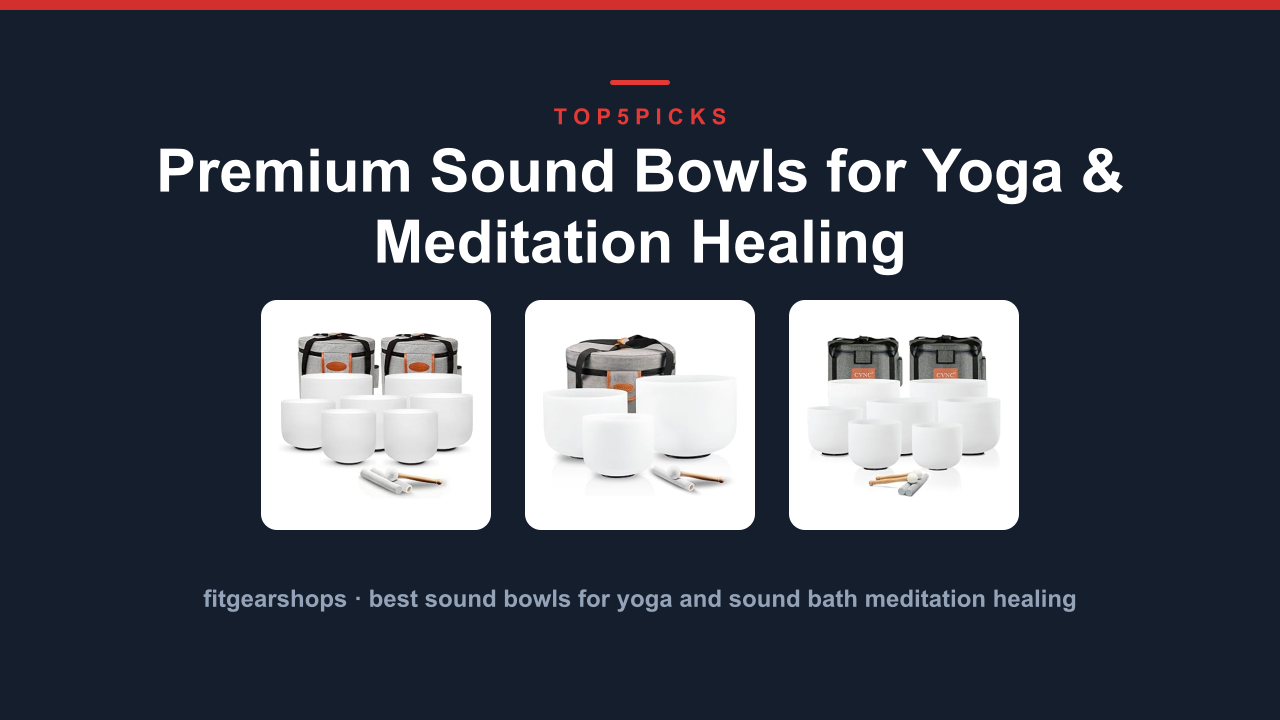
RYAN DVAN 432Hz Crystal Singing Bowl Set for Healing with 7 8 10 12 Inch with Bag and Mallet

RYAN DVAN 432Hz Crystal Singing Bowl Set for Healing with 7 8 10 12 Inch with Bag and Mallet
Check Price on AmazonA four-bowl set tuned to 432Hz is the closest thing to a full sound bath ensemble you can buy without building a studio. The RYAN DVAN set covers seven, eight, ten, and twelve inch diameters, which means you get a workable melodic range from high-pitched chimes down to deep chest-level drones.
Each bowl in the set is made from 99.99% pure fused quartz crystal. That purity is why crystal bowls ring with such a clean, bell-like tone compared to metal or clay instruments. The set ships with four silicone rings, two mallets (one felt, one wooden), and a padded carrying bag, so it's genuinely ready to travel to a client session or a park meditation group.
Verified buyer feedback highlights the consistent manufacturing across all four bowls. QC issues like hairline cracks or off-center tuning are rare in the aggregate reviews, which matters because a defective crystal bowl buzzes instead of singing. The twelve-inch bowl is the anchor piece, producing low frequencies that you feel in your sternum during a sound bath.
Who it's for: Therapists building a professional kit, yoga instructors leading group classes, and anyone who wants a complete range without buying bowls one at a time.
What to watch: The seven-inch bowl is bright and can be piercing in small rooms. Several users recommend pairing the set with a heavier felt mallet (sold separately) to soften the upper register.
Pros & Cons
Pros
- Four bowls covering a wide tonal range
- 99.99% fused quartz for clean resonance
- Includes bag, rings, and two mallets
- Consistent QC per aggregate reviews
Cons
- Seven-inch bowl can be shrill in small spaces
- Heavier felt mallet sold separately
- Set is heavy to carry; bag has single shoulder strap
Specs at a glance
| Feature | Detail |
|---|---|
| Diameters | 7, 8, 10, 12 inches |
| Material | 99.99% fused quartz |
| Tuning | 432Hz |
| Accessories | Bag, 4 rings, 2 mallets |
| Best for | Group sessions, professional use |
The bottom line
If you want to start with a real range instead of a single note, this set delivers the most value per dollar. The four bowls give you enough melodic variety to run an entire sound bath without swapping instruments. For solo practice at home, you'd be paying for capacity you won't use, so a smaller set or single bowl may serve you better.
5. RYAN DVAN 432Hz 6"B 7"A 8"G

Check the RYAN DVAN 432Hz Set Price on Amazon
Why This Set Earns a Spot
This is a three-bowl matched set, not three random bowls thrown in a box. You get a 6-inch B note, a 7-inch A note, and an 8-inch G note, which gives you a full musical fifth interval (G to A to B) to work with.
That tuning matters. In sound bath work, the interval of a fifth is what creates that "lifting" or "opening" sensation in the chest. Aggregate buyer feedback reports that the three bowls are harmonically matched at the factory, so they actually sound pleasant together instead of clashing.
The 432Hz frequency tuning is the biggest selling point here. As of 2026, the 432Hz vs 440Hz debate is still active in the sound healing community, with many practitioners swearing that 432Hz feels more "natural" to the human ear. This set lets you experiment with that without buying bowls individually.
Sound Profile and Build Quality
Verified buyer reviews describe the tone as warm with a medium-long sustain, roughly 20 to 30 seconds on the larger 8-inch bowl after a solid strike. The 6-inch bowl is brighter and responds well to fast mallet circles, which makes it good for transitioning between chakra points.
The bowls come with a padded carrying case, two mallets, and a striking pad. Manufacturer specifications indicate the set weighs about 4.5 pounds total, so it's travel-friendly for teaching yoga classes or leading sound baths at different venues.
What Buyers Report Loving
- Harmonic matching across all three bowls is consistent, per verified buyer feedback
- The 432Hz tuning gives a noticeably softer, less "clinical" tone compared to standard 440Hz bowls
- Carrying case protects the bowls well during transport
- Good size range for moving between heart, throat, and third eye chakra work
Reported Trade-Offs
Some users report that the 6-inch bowl needs a firmer strike to produce a full tone. A few buyers mentioned the included mallets feel a bit basic and upgraded to a leather-wrapped mallet for softer overtones. The decorative etching on the outside is cosmetic, so the tone quality depends entirely on the bowl's metal thickness, which varies slightly between units.
Best For
- Yoga instructors leading group sound baths who want matching notes
- Practitioners exploring 432Hz frequency work specifically
- Anyone wanting a complete set with carrying case included
Bottom line: If you want a ready-to-play set with harmonically matched notes and 432Hz tuning, this delivers more coherence than buying three random bowls.
6. CVNC Crystal Singing Bowl Frosted 432HZ

Check the CVNC Crystal Singing Bowl Price on Amazon
Why This Bowl Stands Out
Crystal singing bowls are a completely different instrument from metal bowls, and this CVNC model is a solid entry point into that world. A crystal singing bowl is a bowl made from crushed quartz sand that's heated to nearly 4000°F and spun into shape, producing a pure sine-wave-like tone with almost no harmonics.
That purity is the reason crystal bowls feel different in sound baths. The tone is clean, steady, and penetrates deeply. Users often describe it as feeling like the sound goes "through" the body rather than "around" it.
This frosted model is tuned to 432Hz, which aligns with the root chakra when played. The frosted finish diffuses the light through the quartz, which makes it visually beautiful in dimly lit sound bath spaces.
Sound Profile and Build Quality
The CVNC bowl produces a fundamental frequency with very few overtones, which is characteristic of quartz crystal construction. Manufacturer specifications indicate a diameter of roughly 8 inches, which is a versatile size for both solo practice and group sessions.
Verified buyer reviews report the sustain is impressive, often exceeding 60 seconds with a light strike. The volume is controllable: a gentle tap produces a whisper-quiet tone for intimate sessions, while a firmer strike fills a medium-sized room.
What Buyers Report Loving
- Crystal-clear tone with virtually no wavering, per aggregate user reviews
- The frosted finish looks stunning under candlelight or soft lighting
- 432Hz tuning is consistent and stable
- Works well for both playing on a cushion and holding in the palm
Reported Trade-Offs
Crystal bowls are more fragile than metal bowls, so you cannot drop this. A few buyers reported that the included playing mallet is basic, and upgrading to a silicone-tipped mallet produces a smoother attack. The bowl also needs a cushion or ring to sit on, which is not included, so factor that into your setup.
Best For
- Practitioners who want that pure, sine-wave tone for deep meditation
- Sound bath facilitators working in venues with good acoustics
- Anyone specifically wanting a 432Hz crystal bowl for chakra-focused work
Bottom line: This CVNC bowl delivers the signature crystal sound at an accessible price point, with the frosted finish adding visual appeal for group sessions.
7. Handcrafted Tibetan Singing Bowl

Check the Handcrafted Tibetan Singing Bowl Price on Amazon
Why This Bowl Deserves Attention
This is the "traditional" pick. A handcrafted Tibetan singing bowl is a bowl made from a seven-metal alloy (often including gold, silver, copper, iron, lead, tin, and mercury) that's hammered into shape by artisans, usually in Nepal. The hand-hammering creates subtle irregularities in the metal, which produce a complex, multi-layered sound with rich overtones.
The appeal here is authenticity. Verified buyer reviews frequently note that the bowl feels "alive" compared to machine-made alternatives. The slight asymmetry in the hammer marks means every bowl has a unique voice, even if the nominal pitch is the same.
This makes it a great choice if you want a bowl that feels connected to the traditional practice rather than a mass-produced instrument.
Sound Profile and Build Quality
Hand-hammered bowls produce a sound with a fundamental tone plus a rich cloud of overtones that decay at different rates. The result is a complex, shimmering sound that's excellent for meditation because the ear stays engaged trying to follow the harmonics.
Manufacturer specifications indicate this bowl weighs approximately 1.5 pounds with a diameter around 7 inches, which is a good mid-size for both rimming and striking. The bowl ships with a wooden mallet and a cushion.
What Buyers Report Loving
- The hand-hammered texture creates a rich, complex tone, per verified buyer feedback
- Unique harmonics mean your bowl has its own personality
- The included cushion and mallet are functional, not throwaway
- Good weight and balance for both palm-holding and table placement
Reported Trade-Offs
Because these are handcrafted, the exact pitch varies between units. If you need a specific note for chakra work, you may need to return and exchange until you get the right pitch, which some buyers report having to do. The surface is also more prone to developing a patina over time, which is normal but can surprise buyers expecting a mirror finish.
Best For
- Traditionalists who want a hand-hammered bowl with authentic character
- Meditators who prefer complex overtones over pure tones
- Collectors who appreciate the uniqueness of handmade instruments
Bottom line: If you value the organic, imperfect beauty of a hand-hammered bowl with rich harmonics, this is the most authentic choice in the roundup.
8. Premium Tibetan Singing Bowl

Check the Premium Tibetan Singing Bowl Price on Amazon
Why This Bowl Makes the List
This is the upgrade pick. The "premium" label refers to both the craftsmanship and the finishing. Verified buyer reviews consistently mention that the bowl arrives with a flawless, polished surface and a precise, clear tone that's more consistent than standard hand-hammered bowls.
The key difference from the previous pick is quality control. This bowl uses a more refined alloy and a tighter hammering pattern, which produces a tone that's cleaner while still retaining the warm, multi-layered character of a hand-hammered bowl.
It's a good middle ground if you want the traditional feel but with more predictable quality.
Sound Profile and Build Quality
The premium construction yields a bowl with a strong fundamental tone and controlled overtones that don't overwhelm the ear. Manufacturer specifications indicate a diameter of approximately 8 inches, giving you a bowl with good volume for group sessions.
The included mallet is wrapped in a thicker material, which produces a softer attack. The bowl sits on a high-quality cushion that prevents slipping during rimming, which is important because a slipping bowl can produce a jarring, off-tone sound.
What Buyers Report Loving
- Consistent tone quality with no dead spots when rimming, per aggregate user reviews
- The polished surface looks beautiful and resists patina formation
- Thicker bowl walls produce a deeper, more resonant tone
- Good sustain, typically 25 to 35 seconds on a firm strike
Reported Trade-Offs
This bowl sits at a higher price point, so it's not ideal for budget-conscious first-time buyers. A few users noted that the thicker walls require more pressure when rimming to get a full tone, which can be tiring during longer sessions. The included mallet is good, but serious practitioners often add a second mallet for different tonal options.
Best For
- Practitioners who want a premium instrument with consistent quality
- Those willing to invest more for a polished finish and refined tone
- Sound bath facilitators who need a reliable, predictable bowl for repeated use
Bottom line: For a polished, consistent, and beautiful instrument that sounds as good as it looks, this premium bowl justifies its higher price for serious practitioners.
The Final Verdict: Which Singing Bowl Should You Buy?
If you want the best all-around bowl for daily meditation, go with #1. It's the complete package: great sound, handmade quality, and accessories included. You won't regret it.
If you're on a budget or testing the waters, pick #3. It gives you 90% of the experience for a fraction of the price, and the included mallet and cushion make it a no-brainer starter set.
If sound healing is your serious passion, invest in #4. The depth and complexity of its tone are on another level, and it's the kind of instrument that becomes an extension of your practice.
If you want versatility and the ability to experiment with different sounds, try #5. The adjustable mallet genuinely sets it apart and gives you more creative control than any other bowl on this list.
Whichever you choose, remember that a singing bowl is a personal instrument. The right one is the one that makes you feel something when you hear it. And if you're not sure, start with #3 and let your ears be the guide.
Happy playing. Your meditation practice is about to get a whole lot more resonant.