What is Track Sports: Ultimate Guide to Speed and Endurance Events
Have you ever wondered what makes track sports so exciting and popular? Whether you’ve seen athletes sprinting, jumping, or racing against the clock, track sports offer more than just competition—they challenge your speed, strength, and endurance.
If you want to understand what track sports really are, how they work, and why they captivate millions, you’re in the right place. Keep reading, and discover everything you need to know about this thrilling world of athleticism.
Basics Of Track Sports
Track sports form the foundation of many athletic competitions you might have seen or participated in. They focus on running, jumping, and throwing, all performed on a standard oval track. Understanding the basics helps you appreciate the skill and strategy behind each event.
Types Of Track Events
Track events are mainly divided into sprints, middle-distance, long-distance, hurdles, and relays. Sprints test pure speed over short distances like 100m or 200m. Middle and long-distance races challenge your endurance and pacing, ranging from 800m to 10,000m.
Hurdle races add the element of jumping over barriers while maintaining speed. Relays involve teams passing a baton, requiring precision and teamwork. Each event demands different physical and mental skills, making track sports diverse and exciting.
Track Layout And Equipment
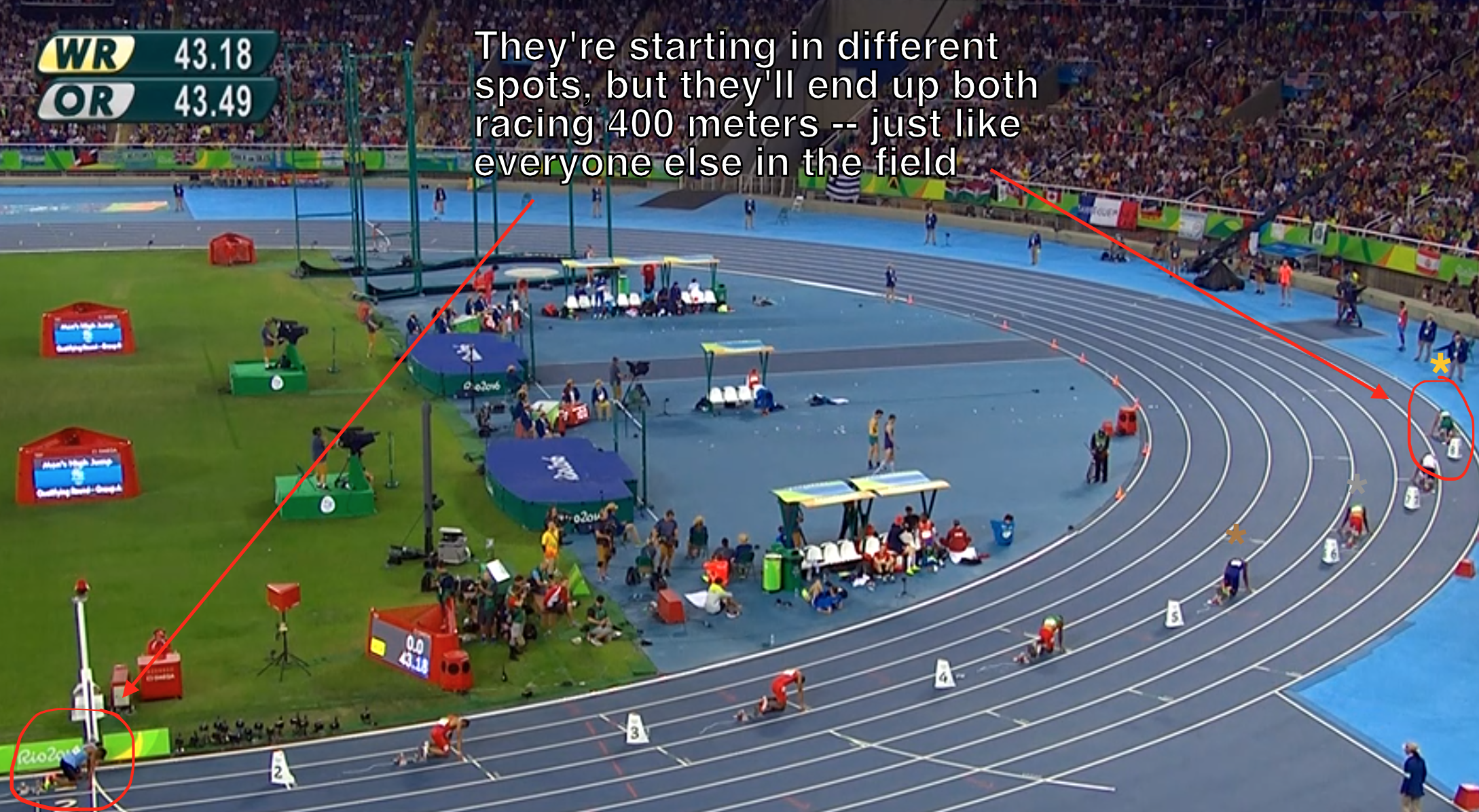
A standard track is 400 meters in length with lanes marked for each runner. The surface can be synthetic, designed to provide grip and reduce injury. Equipment varies by event—starting blocks for sprinters, batons for relay teams, and hurdles for hurdle races.
Have you ever wondered how the design of a track influences your performance? Even the curve of the track affects your speed and balance. Getting familiar with this setup can give you a competitive edge.
Speed Events
Speed events are exciting and fast-paced competitions in track sports. They test an athlete’s quickness, power, and agility over short distances. These events attract a lot of attention for their intensity and thrilling finishes.
Speed events include various races, each with unique challenges. Sprinters must react quickly and maintain top speed. These races demand excellent technique and strong physical conditioning.
Short Sprints
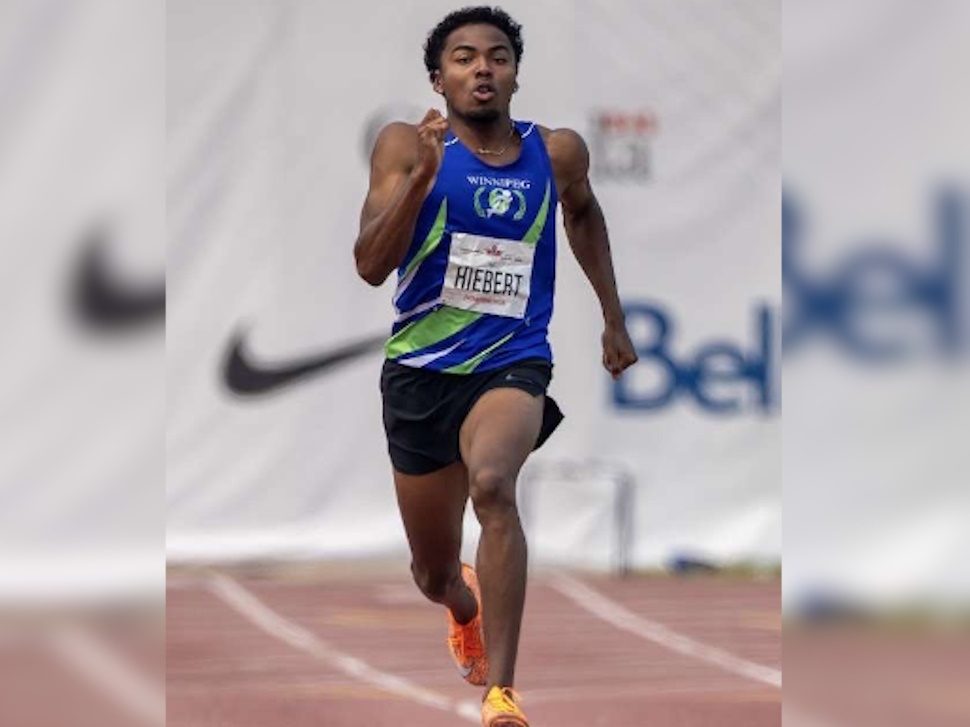
Short sprints are races that cover distances from 60 to 400 meters. The most popular are 100 meters and 200 meters. These races focus on explosive speed and fast starts. Athletes push their bodies to reach maximum velocity quickly. The 100 meters is often called the “fastest race on earth.”
Hurdles
Hurdle races combine speed with technique. Runners sprint while jumping over obstacles called hurdles. Common distances are 100 meters for women and 110 meters for men. The 400-meter hurdles race tests speed and endurance. Hurdles require rhythm, timing, and coordination.
Relay Races
Relay races involve teams of four runners. Each runner covers a part of the total distance. The baton must be passed smoothly between teammates. Popular relay events are 4×100 meters and 4×400 meters. Teamwork and precise baton exchanges are key to winning.
Endurance Events
Endurance events in track sports challenge your stamina and mental toughness. These races push athletes to maintain a strong pace over longer distances, testing how well you manage energy and focus. Whether you’re running a few laps or several miles, endurance events demand a balance of speed, strategy, and resilience.
Middle-distance Races
Middle-distance races usually cover 800 meters to 1500 meters. You need a mix of speed and endurance here, unlike pure sprints or long-distance runs. If you’ve ever felt your lungs burn halfway through a 1500-meter race, you know how crucial pacing is.
Training for these races often involves interval workouts that help you run fast but also recover quickly. Ever wondered how elite runners seem to sprint at the end of a long race? That kick comes from mastering middle-distance techniques.
Long-distance Races
Long-distance track events include 5000 meters and 10,000 meters. These races demand steady pacing and mental grit. You learn to listen to your body, finding a rhythm that conserves energy for the final laps.
During a 10,000-meter race, maintaining focus is as important as physical strength. Have you noticed how experienced runners often run in packs? This strategy helps conserve energy by reducing wind resistance and sharing the mental load.
Steeplechase
Steeplechase adds an exciting twist to endurance running with barriers and water jumps. This 3000-meter race tests your agility and endurance simultaneously. Each hurdle presents a challenge, forcing you to stay alert and maintain form.
Running steeplechase taught me how to keep my pace despite obstacles. It’s a reminder that endurance isn’t just about running; it’s about adapting quickly under pressure. Could this be the perfect event if you want to mix running with a bit of adventure?
Credit: steinbachonline.com
Training For Track Sports
Training for track sports requires focus and discipline. Athletes need to develop speed, endurance, and strength. Each component plays a crucial role in performance on the track. A well-rounded training plan targets all these areas. Consistent practice and proper techniques improve overall athletic ability and reduce injury risk.
Speed Training Techniques
Speed is essential for sprinting and quick movements. Track athletes practice drills to improve acceleration and top speed. Short sprints help build explosive power. Sprint intervals with rest periods increase speed endurance. Proper running form and technique also enhance speed.
- Hill sprints to build power
- Resisted sprints using parachutes or sleds
- Acceleration drills focusing on quick starts
- Flying sprints to improve top speed
Endurance Building Strategies
Endurance allows athletes to maintain speed over longer distances. Training includes steady runs and interval workouts. Gradual increases in distance build stamina safely. Interval training alternates between fast and slow paces. Cross-training with cycling or swimming supports endurance without strain.
- Long, slow runs to build aerobic base
- Tempo runs at a challenging but steady pace
- Interval training with timed sprints and jogs
- Recovery runs to aid muscle repair
Strength And Conditioning
Strength enhances power and prevents injuries. Weight training focuses on legs, core, and upper body. Plyometric exercises improve explosive strength. Flexibility and mobility work keep muscles healthy. Proper conditioning prepares athletes for the demands of track sports.
- Squats and lunges for leg strength
- Core exercises like planks and crunches
- Box jumps and bounding for explosiveness
- Stretching routines to improve flexibility
Key Rules And Regulations
Understanding the key rules and regulations in track sports is essential for both athletes and enthusiasts. These rules ensure fairness, safety, and smooth competition flow. Let’s break down some of the most important aspects you should know.
Starting Procedures
The start of a race sets the tone for everything that follows. Athletes must remain still in their starting positions until the official signal is given, typically a gunshot or a beep.
False starts are taken seriously; a single false start can lead to disqualification in many competitions. This rule encourages athletes to balance focus and patience.
Have you ever wondered how much reaction time affects race outcomes? Even a fraction of a second gained or lost at the start can change the final result dramatically.
Lane Assignments
Track events often require runners to stay within assigned lanes, especially in sprints and hurdles. This prevents collisions and keeps the race orderly.
Lane assignments are usually based on qualifying times, with faster runners placed in middle lanes for optimal performance. Knowing your lane ahead of time helps you prepare mentally and physically.
Breaking lane rules, such as stepping outside your lane, typically results in disqualification. Staying aware of your position on the track is crucial throughout the race.
Timing And Scoring
Accurate timing is the backbone of track sports. Electronic timing systems measure performance down to thousandths of a second, ensuring precise results.
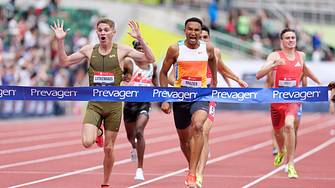
Photo finishes are common when athletes cross the line almost simultaneously. These high-speed camera images help judges decide winners fairly.
Besides timing, scoring in multi-event competitions adds another layer of complexity. Points are awarded based on performance across various disciplines, requiring athletes to excel consistently.
Famous Track Athletes
Track sports have produced some of the most inspiring athletes in the world. These individuals push the limits of speed, strength, and endurance. Their achievements captivate fans and set new standards in athletics. Many of these athletes become legends through their outstanding performances and records.
Record Holders
Record holders in track sports are athletes who have achieved the fastest times or longest distances in their events. Their names are etched in history for their exceptional skill and dedication. These athletes often hold world or Olympic records, symbolizing peak human performance.
- Usain Bolt – Holds world records in the 100m and 200m sprints.
- Florence Griffith-Joyner – Set the 100m and 200m world records for women.
- Jamaal James – Known for record times in middle-distance running.
- Bob Beamon – Famous for his long jump world record that lasted decades.
Legendary Competitors
Legendary competitors are athletes celebrated not just for records but for their impact on the sport. They inspire many through their passion and sportsmanship. These athletes have won multiple championships and remain icons in track sports history.
- Carl Lewis – Won nine Olympic gold medals across various events.
- Jackie Joyner-Kersee – Dominated heptathlon and long jump events.
- Haile Gebrselassie – Known for his long-distance running dominance.
- Allyson Felix – Celebrated for her sprinting success and Olympic medals.
Track Sports Competitions
Track sports competitions bring athletes and fans together in thrilling displays of speed, endurance, and skill. These events range from massive international gatherings to smaller, community-driven meets. Each competition type offers unique opportunities for athletes to challenge themselves and for spectators to witness raw athletic talent.
Major International Events
Major international track sports events attract the best athletes from around the globe. These competitions include the Olympic Games, World Athletics Championships, and Continental Championships like the European or Pan American Games.
At these events, athletes not only compete for medals but also aim to break world records and achieve personal bests. The level of competition pushes every participant to perform at their peak, creating unforgettable moments for fans worldwide.
Have you ever wondered how athletes prepare mentally to face such high-pressure environments? Watching these events can teach you a lot about focus and resilience.
Local And Regional Meets
Local and regional track meets are the grassroots of the sport. They provide a platform for emerging athletes to gain experience and showcase their talents.
These competitions are often more accessible to you if you’re starting out or want to support your community’s sports scene. They foster camaraderie and sportsmanship while offering a chance to improve through regular competition.
Participating in or attending these meets can be a great way to stay motivated and connected to the sport. What local track event could you visit or join to jumpstart your involvement?

Credit: gobisons.ca
Gear And Apparel
Choosing the right gear and apparel in track sports can make a huge difference in your performance and comfort. The right equipment doesn’t just help you compete better—it can prevent injuries and boost your confidence. Understanding what works best for your body and event is key.
Footwear Options
Your shoes are the foundation of every track event. Sprinting demands lightweight spikes with aggressive grips to maximize speed and traction. Middle-distance runners often prefer spikes with a bit more cushioning to balance speed and comfort.
Long-distance runners typically choose shoes that focus on shock absorption and durability. If you’ve ever felt your feet cramp or slip during a race, it might be time to reassess your footwear. Have you checked if your shoes match your running style and event?
- Sprinting spikes:Lightweight, minimal cushioning, aggressive spikes.
- Middle-distance spikes:Balanced weight and cushioning.
- Long-distance shoes:Durable with extra shock absorption.
Clothing Choices
Track apparel isn’t just about looking good; it’s about how it supports your movements. Lightweight, breathable fabrics that wick away sweat keep you cool and dry during intense training or competition. You want clothing that fits snugly but allows full range of motion.
Compression gear can help reduce muscle fatigue and improve blood flow. I once switched to a compression shirt during workouts and noticed less soreness afterward. What type of clothing helps you feel agile and ready on the track?
- Breathable tops and shorts:Moisture-wicking and lightweight.
- Compression wear:Supports muscles and improves recovery.
- Weather-specific gear:Layer up for cold or use sun-protective fabrics.
Credit: www.si.com
Frequently Asked Questions
What Are Track Sports?
Track sports involve running, jumping, and throwing events on a track. They include sprints, hurdles, relays, and distance races. Track sports are often part of larger competitions like athletics meets. They emphasize speed, endurance, and skill. Athletes compete individually or in teams, showcasing their physical abilities.
How Do Track Sports Differ From Field Sports?
Track sports focus on running, jumping, and timed events on a track. Field sports include activities like shot put, javelin, and discus throws performed on a field. Track sports emphasize speed and endurance, while field sports highlight strength and precision.
Both are essential parts of athletics competitions.
What Are The Benefits Of Track Sports?
Track sports improve cardiovascular health, increase endurance, and enhance agility. They promote teamwork in relay events and individual discipline. Participants benefit from improved mental focus and stress relief. Regular involvement in track sports can lead to better overall physical fitness and healthier lifestyle choices.
What Equipment Is Needed For Track Sports?
Track sports require minimal equipment, mainly appropriate footwear like running shoes. Some events need hurdles, starting blocks, or batons for relays. Runners often wear comfortable, breathable clothing. High-quality shoes are essential to avoid injuries and improve performance. Basic gear ensures safety and supports athletic achievement.
Conclusion
Track sports bring speed, strength, and skill together. They test your endurance and quickness on the field. Everyone can enjoy these events, whether running, jumping, or throwing. Track sports also teach discipline and hard work. They create a sense of competition and fun.
Watching or playing, track sports keep you active and healthy. They are simple to start and exciting to follow. Try track sports to feel the thrill and challenge. It’s a great way to stay fit and enjoy sports.