Is Weight Lifting a Sport: Unveiling the Truth Behind Strength
Have you ever wondered if weight lifting is really a sport? You might think of sports as games with balls, teams, and competitions on a field.
But what about the intense focus, skill, and strength that weight lifting demands? If you want to understand whether weight lifting fits into the world of sports—and why it matters to you—keep reading. This article will break down the facts and surprise you with what you discover.
Your view of weight lifting might just change forever.
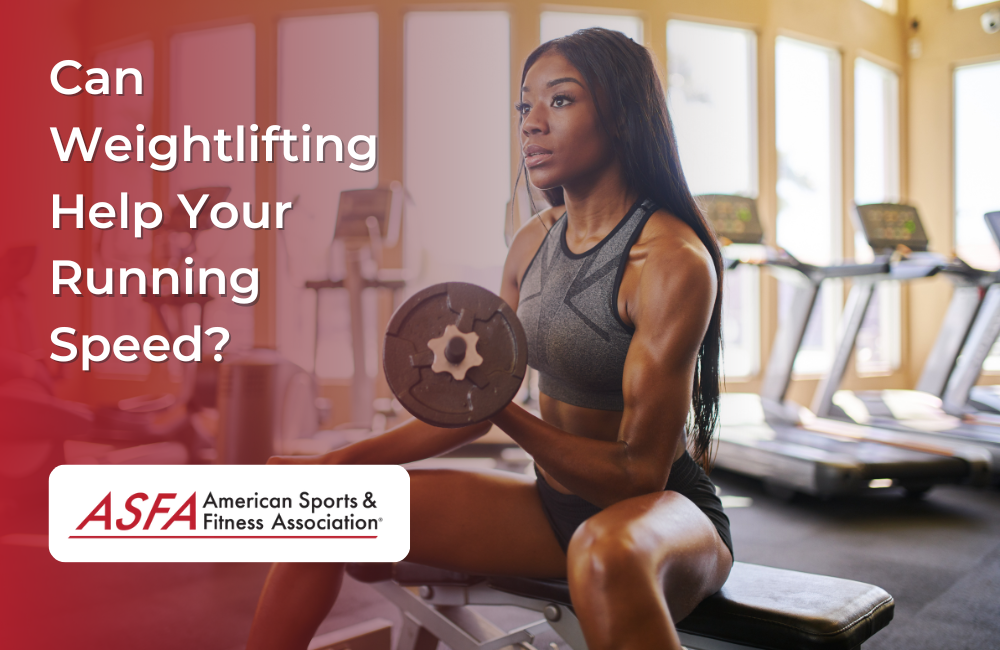
Credit: www.americansportandfitness.com
What Is Weight Lifting
Weight lifting is a physical activity focused on lifting heavy objects. It tests strength, technique, and control. People practice weight lifting for fitness, competition, or personal goals. It builds muscles and improves overall health. Weight lifting can be simple or complex, depending on the style and purpose.
Types Of Weight Lifting
There are several main types of weight lifting. Each has unique rules and techniques.
- Olympic Weightlifting:Involves two lifts: the snatch and the clean and jerk. These lifts require speed, power, and precision.
- Powerlifting:Focuses on three lifts: squat, bench press, and deadlift. It tests maximum strength.
- Bodybuilding:Uses weight training to build muscle size and shape. It is less about lifting heavy and more about muscle control.
- Strongman:Involves lifting odd or very heavy objects. Events include lifting stones or pulling vehicles.
Historical Background
Weight lifting has ancient roots. People lifted heavy stones to show strength.
In ancient Greece, lifting heavy objects was part of training for warriors. The sport grew in popularity in the 19th century. It became part of the first modern Olympic Games in 1896.
Over time, weight lifting developed formal rules and competitions. Today, it is a global sport with millions of participants.
Weight Lifting As A Competitive Activity
Weight lifting is more than just a gym routine; it stands as a serious competitive activity that tests strength, technique, and mental focus. Athletes from around the world train rigorously to lift impressive weights under strict conditions. Understanding the competitive side of weight lifting can change how you view the sport and might even inspire you to participate.
Major Weight Lifting Competitions
There are several big competitions where weight lifters showcase their skills on global stages. The Olympic Games is the most famous, drawing top lifters from many countries.
Other major contests include:
- The World Weightlifting Championships, held annually and featuring the best in the sport.
- The Pan American Weightlifting Championships, popular among athletes from the Americas.
- The European Weightlifting Championships, a key event for European lifters.
Each competition highlights different weight classes and categories, creating a level playing field for all competitors.
Rules And Regulations
Understanding the rules is crucial if you want to compete or even just appreciate the sport fully. Weight lifting competitions mainly consist of two lifts: the snatch and the clean and jerk.
Key rules include:
- Lifters have three attempts for each lift to achieve the highest weight possible.
- Judges watch closely to ensure proper form and adherence to technique.
- Failure to meet the technical standards in any lift results in a no-lift decision.
Have you ever considered how much discipline it takes to master these lifts within strict guidelines? The combination of physical strength and mental precision makes weight lifting a demanding and rewarding sport.
Physical And Mental Demands
Weight lifting challenges both your body and mind in unique ways. It demands more than just brute force; precision and control are key. The physical and mental demands work together to push your limits and shape your performance.
Strength And Technique
Strength alone won’t get you far in weight lifting. You need proper technique to lift safely and efficiently. Even small mistakes in form can lead to injury or missed lifts.
For example, controlling your breathing and maintaining posture during a squat can make the difference between success and failure. It’s not just about how much weight you add; it’s about how you handle that weight.
Have you ever felt your muscles give out before your mind was ready? That’s where technique helps you manage energy and maximize your strength.
Mental Focus And Discipline
Weight lifting requires intense mental focus. You must block out distractions and stay fully present during every lift. This level of concentration builds mental toughness over time.
Discipline plays a huge role too. Showing up consistently, pushing through plateaus, and following a training plan demand strong self-control. It’s easy to skip a session, but the gains come from persistence.
Think about the last time you hit a personal record. Wasn’t there a moment when your mind told you to stop? Overcoming that mental barrier is part of what makes weight lifting a sport.
Comparison With Other Sports
Weight lifting shares many traits with other sports but also stands apart in key ways. Comparing it helps understand its unique nature and challenges. Sports often require a mix of skill, strength, and endurance. Weight lifting demands a special blend of these qualities. Examining skill and athleticism highlights how it fits within the sports world.
Skill Requirements
Weight lifting needs precise technique. Every movement must be controlled and exact. Small errors can cause failure or injury. This focus on form is similar to gymnastics or diving. These sports also rely on perfect execution under pressure.
Unlike team sports, weight lifting is more individual. Athletes compete against their personal bests. They must master complex lifts such as snatch and clean and jerk. These lifts require coordination, timing, and body awareness.
Athleticism And Conditioning
Weight lifters develop explosive power and strength. Their training includes speed, flexibility, and endurance exercises. This conditioning matches many other sports but centers on lifting maximal weights.
Sports like sprinting or football also build power and agility. Weight lifting shares these athletic traits but focuses on short, intense efforts. Athletes need strong muscles and fast reflexes to succeed.
In summary, weight lifting demands unique skills and high athleticism. It stands as a sport with its own set of challenges and rewards.
Recognition By Sports Organizations
Weight lifting has gained respect as a serious athletic activity. Recognition by sports organizations plays a big role in this respect. These organizations set rules, organize competitions, and promote the sport worldwide. Their acknowledgment helps weight lifting grow and reach more people.
International Olympic Committee
The International Olympic Committee (IOC) officially recognizes weight lifting as a sport. It has been part of the Olympic Games since 1896. The IOC supports strict rules and fair competition. This recognition gives weight lifting a global platform. It also helps athletes showcase their strength on a big stage.
National Sports Bodies
Many countries have national sports bodies that govern weight lifting. These organizations create local rules and organize competitions. They train athletes and promote the sport in schools and clubs. National bodies work closely with international groups. Their role is vital in developing talent and spreading interest in weight lifting.

Credit: www.instagram.com
Common Misconceptions
Many people confuse weight lifting with other fitness activities, leading to some common misconceptions. These misunderstandings can prevent you from appreciating the full scope and challenge of weight lifting as a sport. Let’s clear up some of these myths by comparing it with related activities.
Weight Lifting Vs Bodybuilding
Weight lifting is often mistaken for bodybuilding, but they have very different goals. Weight lifting focuses on lifting maximum weights in specific movements like the snatch or clean and jerk. Bodybuilding, on the other hand, prioritizes muscle size, symmetry, and appearance rather than the amount of weight lifted.
Think about it this way: a weight lifter might lift heavier than a bodybuilder but may not have the same muscular definition. Your training and diet will differ greatly depending on which path you choose.
Strength Training Vs Weight Lifting
Strength training is a broader term that covers any exercise aimed at increasing strength. Weight lifting is a specific sport with set rules, techniques, and competitions. You can do strength training without ever stepping onto a weight lifting platform.
Have you ever tried to compare your gym routine with an Olympic lifter’s workout? The intensity and precision required in weight lifting go far beyond typical strength training exercises. Understanding this difference can help you set realistic goals and appreciate the skill behind the sport.
Impact On Health And Fitness
Weight lifting is often seen just as a way to build muscle or compete in strength contests, but its impact on health and fitness goes far beyond that. Whether you’re lifting for sport or personal goals, the effects on your body and mind can be profound. How does weight lifting change your overall wellbeing and fitness levels? Let’s break down the benefits and also consider the risks involved.
Benefits Of Weight Lifting
Lifting weights improves muscle strength and endurance, which helps you perform daily tasks with more ease. Strong muscles support your joints and bones, reducing the chance of injuries in everyday life.
It also boosts your metabolism, making it easier to manage your weight. You burn calories even when resting because muscle tissue needs more energy than fat.
Weight lifting positively affects your mental health too. Many people report feeling more confident and less stressed after regular sessions. Have you noticed how a good workout can lift your mood instantly?
- Increases muscle mass and bone density
- Enhances metabolic rate for better weight control
- Improves posture and balance
- Supports mental health by reducing anxiety and boosting confidence
Potential Risks
Weight lifting isn’t without risks if done incorrectly. Poor technique or lifting too heavy can lead to injuries such as muscle strains or joint problems.
Overtraining without enough rest can cause fatigue and weaken your immune system. It’s important to listen to your body and avoid pushing too hard too fast.
Do you pay attention to your form and recovery time? Small changes can prevent long-term damage and keep your progress steady.
- Risk of muscle strains and joint injuries with improper form
- Potential for overtraining and burnout without adequate rest
- Possible strain on heart if lifting too heavy without proper conditioning
Cultural And Social Influence
Weight lifting shapes cultures and social circles worldwide. It influences how people see strength and discipline. The sport connects individuals and creates shared experiences. This impact goes beyond just physical exercise. It builds identity and community pride in many places.
Weight Lifting In Popular Media
Weight lifting appears often in movies, TV shows, and ads. It shows power, effort, and personal growth. Characters who lift weights inspire audiences with their dedication. This portrayal helps make weight lifting more popular. It spreads messages about health and strength to many people.
Famous athletes and influencers often share their lifting journeys. Their stories motivate beginners to try the sport. Media coverage of competitions highlights the skill and sport aspect. This visibility boosts respect for weight lifting as a serious activity.
Community And Support Networks
Weight lifting creates strong community bonds. Gyms and clubs become social hubs for lifters. People share tips, celebrate progress, and encourage each other. This support helps individuals stick to their goals and grow stronger.
- Local competitions bring people together in friendly rivalry.
- Online forums connect lifters from different places.
- Coaches and trainers guide newcomers with expert advice.
The sense of belonging and shared passion makes weight lifting more than just sport. It becomes a way of life for many, shaping social ties and personal identity.
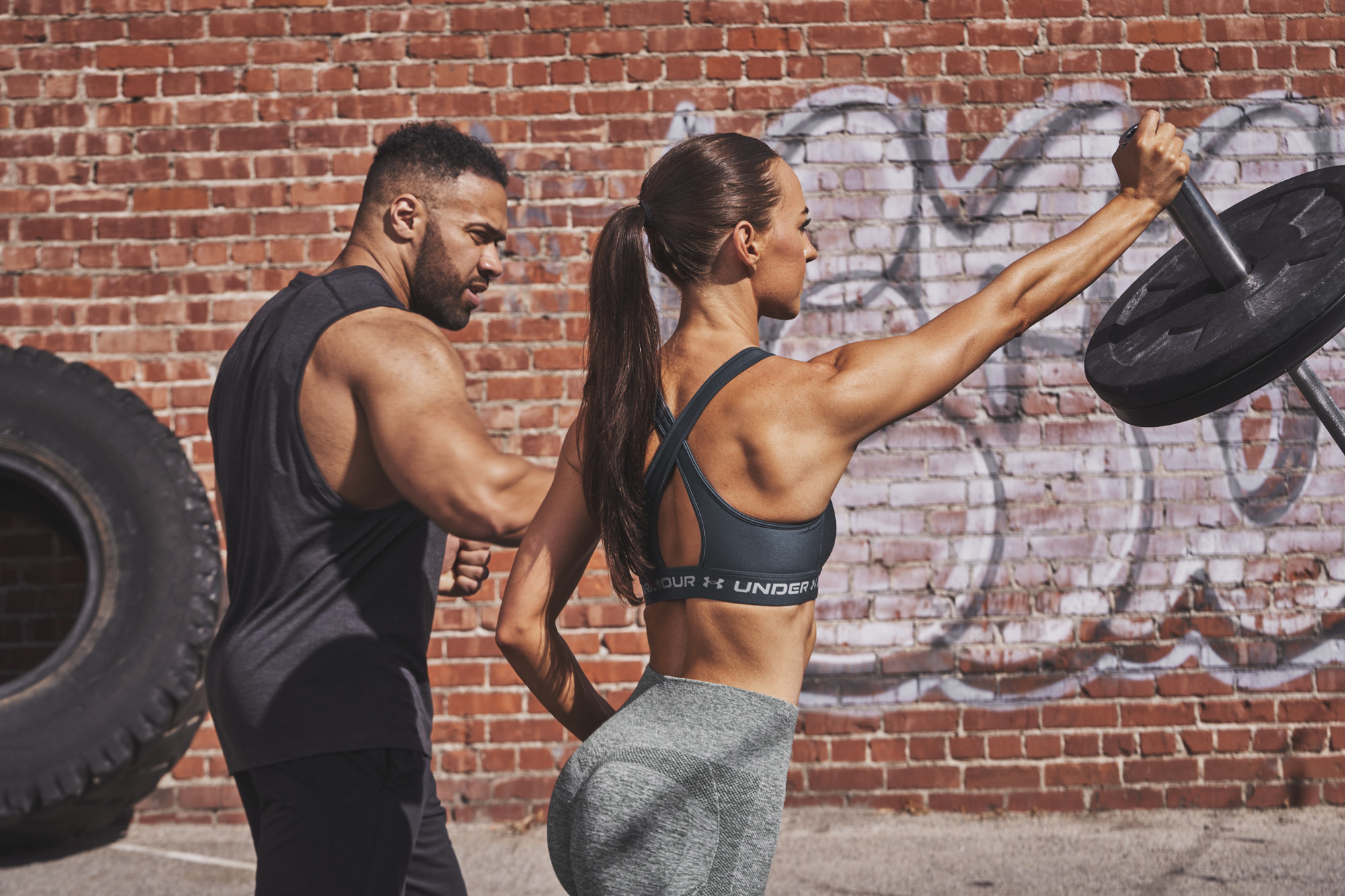
Credit: fitnessmentors.com
Frequently Asked Questions
Is Weight Lifting Considered A Sport?
Yes, weight lifting is indeed considered a sport. It involves competitive events where athletes lift weights to showcase strength. It requires skill, training, and physical prowess. Weight lifting is recognized by international sporting bodies and featured in global events like the Olympics.
What Are The Benefits Of Weight Lifting?
Weight lifting offers numerous benefits, including improved muscle strength and bone health. It can enhance metabolism, aid in weight management, and boost mental health. Regular lifting can increase endurance, flexibility, and overall physical fitness, contributing to a healthier lifestyle.
How Does Weight Lifting Differ From Bodybuilding?
Weight lifting focuses on strength and lifting maximum weights in competitions. Bodybuilding emphasizes muscle size, symmetry, and aesthetics. While both require rigorous training, weight lifting is more about performance, whereas bodybuilding is about physical appearance and presentation.
Can Weight Lifting Help With Weight Loss?
Yes, weight lifting can aid in weight loss. It boosts metabolism and increases muscle mass, which burns more calories. Combining weight lifting with a balanced diet enhances fat loss and promotes a healthier body composition over time.
Conclusion
Weight lifting clearly fits the definition of a sport. It requires skill, training, and competition. Athletes push their limits to lift heavier weights. It tests strength, focus, and discipline. Many people compete in local and international events. The sport also promotes health and fitness.
Anyone can enjoy weight lifting at their own pace. It offers a sense of achievement and community. So yes, weight lifting is a sport worth recognizing.