

Have you ever wondered what makes equestrian sports so special? These sports combine the grace of horses with the skill of riders, creating a unique and exciting experience.
Whether you’re a beginner or just curious, understanding equestrian sports can open a door to a world full of passion and challenge. You’ll discover what equestrian sports are all about, why they captivate so many people, and how you can get involved.
Ready to learn more? Keep reading to find out!

Credit: www.kreedon.com
Equestrian Sports Overview
Equestrian sports offer a unique blend of athleticism, skill, and a deep connection between rider and horse. These sports challenge both your physical abilities and your understanding of your equine partner. Whether you’re a casual observer or an aspiring rider, knowing the variety and history of equestrian sports can deepen your appreciation and inspire your own journey.
Types Of Equestrian Sports
Equestrian sports cover a wide range of activities, each requiring different skills and training. Here are some of the most popular types:
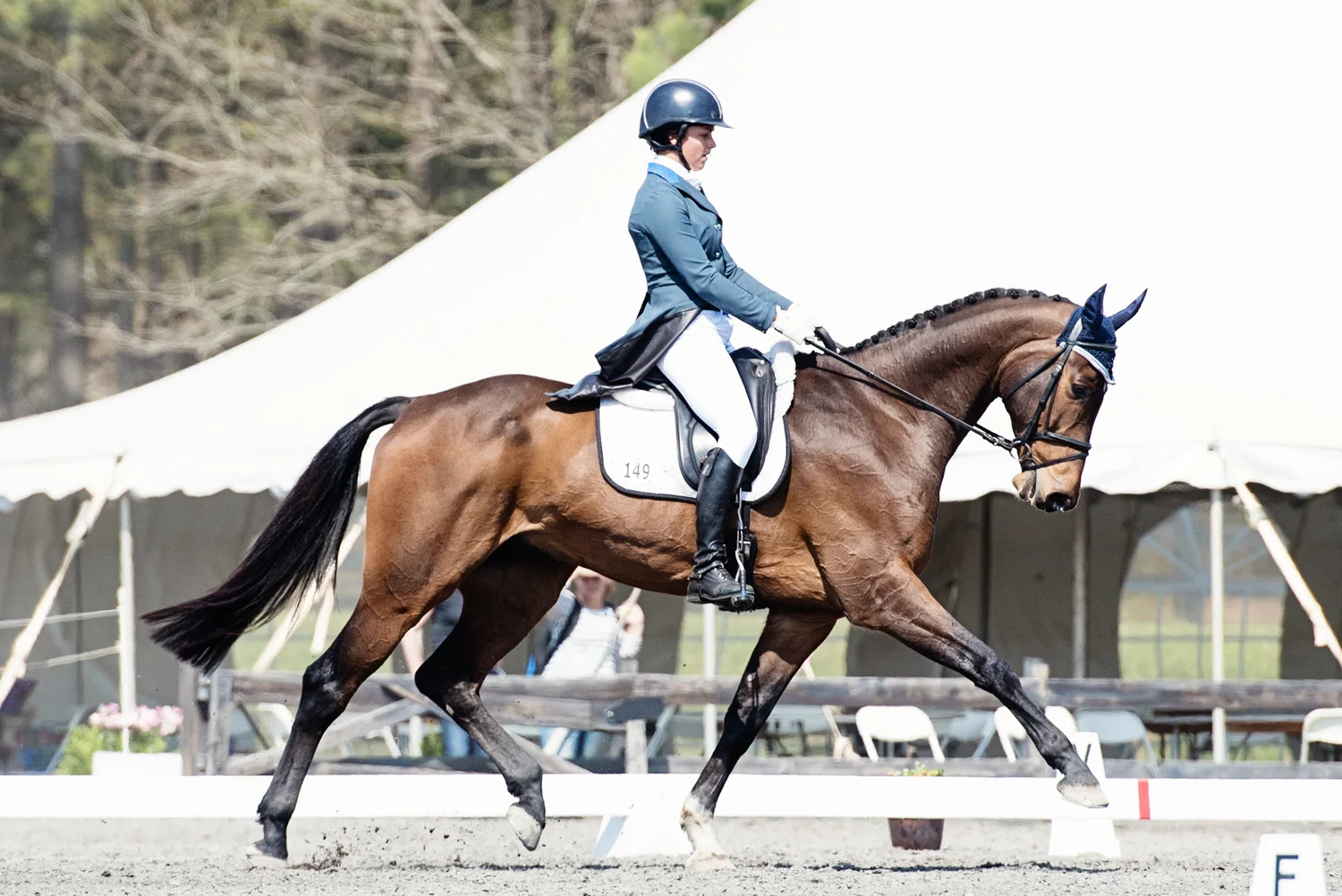
- Dressage:Often described as “horse ballet,” dressage focuses on precision, control, and harmony between horse and rider.
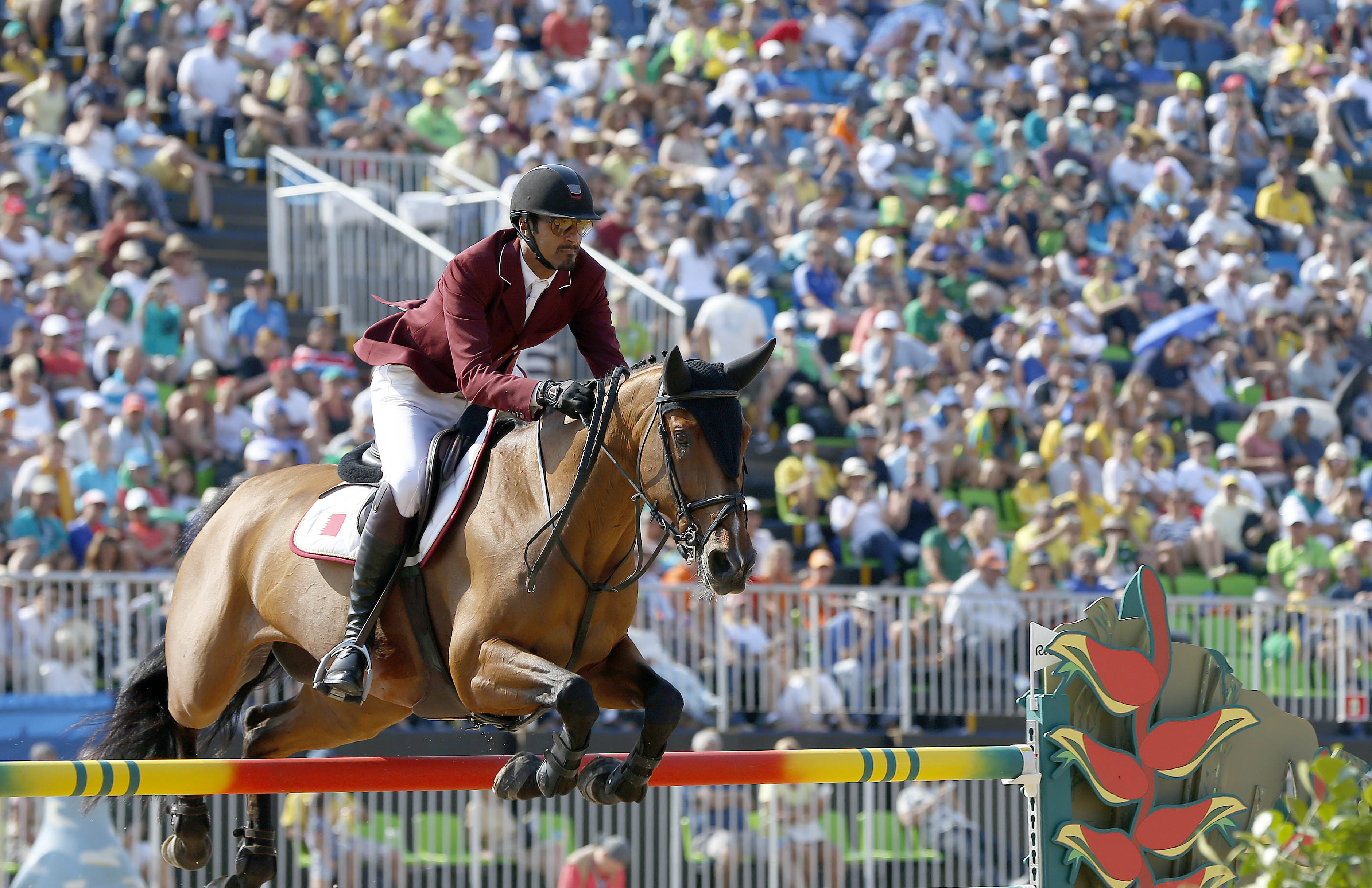
- Show Jumping:This sport tests speed and accuracy as riders guide horses over a series of obstacles.
- Eventing:A combination of dressage, cross-country, and show jumping, challenging both stamina and versatility.
- Endurance Riding:Long-distance races that test the stamina of horse and rider over varied terrain.
- Reining:A Western riding competition where riders perform precise patterns involving spins, stops, and circles.
Each type offers a different way to engage with horses and develop your skills. What type would challenge you the most?
History And Evolution
Equestrian sports have roots stretching back thousands of years, evolving from practical uses of horses to competitive disciplines. Initially, riding was essential for transportation, warfare, and agriculture.
Over time, these practical skills transformed into formal competitions. Ancient civilizations like the Greeks and Romans held horse races and cavalry contests. Fast forward to today, and equestrian sports are global, with standardized rules and international competitions.
Understanding this history helps you see how tradition and innovation coexist in every ride. How does knowing the past shape your view of these sports?
Popular Equestrian Disciplines
Equestrian sports include many popular disciplines that test the skill and bond between horse and rider. Each discipline has unique rules and challenges. Riders develop different skills based on the sport they choose. These disciplines have strong traditions and attract many fans worldwide.
Dressage
Dressage is often called horse ballet. Riders guide horses through precise movements and patterns. Judges score based on accuracy and grace. It requires patience, control, and harmony. Dressage shows the horse’s training and responsiveness.
Show Jumping
Show jumping challenges horses to clear obstacles within time limits. The course includes various jumps and turns. Mistakes like knocking bars or refusals add penalties. Speed and accuracy are key. It is exciting for spectators and tests agility.
Eventing
Eventing combines dressage, cross-country, and show jumping. It tests versatility and endurance of horse and rider. Cross-country involves natural obstacles and rough terrain. Eventing takes place over several days. It demands strong teamwork and fitness.
Endurance Riding
Endurance riding covers long distances over varied terrain. It tests stamina and pace management. Riders must care for their horses’ health during the race. It can last for many hours or days. This discipline emphasizes resilience and strategy.
Polo
Polo is a fast team sport played on horseback. Players use mallets to hit a ball into the goal. It requires speed, coordination, and quick decisions. Polo matches are lively and attract large crowds. It blends skill with teamwork on the field.
Skills And Training
Equestrian sports demand a blend of skill, trust, and training between rider and horse. Both need practice to perform well and stay safe. Developing these skills takes time, patience, and consistent effort.
Rider Techniques
Riders learn to control the horse using body position, balance, and subtle cues. Good posture helps communicate clearly. Hands, legs, and seat work together to guide the horse’s movement.
Breathing calmly keeps riders steady under pressure. Riders practice different gaits like walk, trot, and canter to gain control. Timing and rhythm play key roles in smooth riding.
Horse Training Methods
Training horses involves building trust and teaching commands step-by-step. Horses learn to respond to voice, reins, and leg pressure. Positive reinforcement like treats and praise encourages good behavior.
Exercises focus on balance, flexibility, and strength. Regular routines help horses stay fit and ready for competition. Trainers also work on reducing fear and building confidence in horses.
Safety Measures
- Wearing helmets protects riders from head injuries.
- Using proper tack ensures comfort and control.
- Checking equipment before riding prevents accidents.
- Knowing horse behavior helps avoid dangerous situations.
- Riders should warm up horses slowly to prevent strain.
Safety is a shared responsibility between rider and horse. Careful training reduces risks and builds confidence.
Equipment And Gear
Equestrian sports demand specific equipment and gear to ensure both rider and horse perform safely and effectively. Each piece plays a crucial role in comfort, control, and protection. Understanding these essentials can make your riding experience more enjoyable and secure.
Riding Apparel
Your choice of riding apparel affects mobility and safety. Comfortable, close-fitting clothes like breeches or jodhpurs prevent chafing and allow freedom of movement. A fitted riding jacket or vest adds style and can provide extra warmth during cooler rides.
Don’t underestimate the importance of proper riding boots. They offer grip and protect your feet in the stirrups. Have you ever felt your foot slip mid-ride? Good boots help avoid that dangerous moment.
Horse Tack
Tack refers to the equipment placed on the horse to help you control and communicate with it. The most common pieces include the saddle, bridle, and reins. Saddles come in various styles, like English or Western, each suited to different riding disciplines.
A well-fitted saddle ensures both your comfort and the horse’s back health. Ill-fitting tack can cause pain and behavioral issues. Have you checked your horse’s tack fit recently? It’s worth the effort to prevent problems.
Protective Gear
Safety should always be your top priority. Helmets protect your head from injuries and are mandatory in many competitions. Modern helmets are lightweight but strong, making it easier to wear them all day.
Protective vests and gloves add extra layers of safety. Vests shield your torso during falls, while gloves improve grip and prevent blisters. Are you fully equipped to protect yourself during your next ride?
Competitions And Events
Equestrian sports come alive through a variety of competitions and events that test the skills of both horse and rider. These gatherings offer thrilling displays of discipline, precision, and teamwork. Whether you’re a fan or a participant, understanding the structure and highlights of these events can deepen your appreciation of the sport.
Local And International Competitions
Competitions range from small local shows to grand international tournaments. Local events often serve as stepping stones, allowing riders to gain experience and confidence. International competitions like the Olympics, World Equestrian Games, and the FEI World Cup attract top riders worldwide, showcasing the highest level of talent and training.
Have you ever wondered what it takes to compete on a global stage? The difference often lies in rigorous preparation and the ability to perform under pressure.
Famous Equestrian Venues
Some venues have become iconic in the equestrian world due to their history and the prestigious events they host. The Royal Windsor Horse Show in the UK, Aachen in Germany, and Spruce Meadows in Canada are just a few examples. These venues not only provide top-notch facilities but also foster a unique atmosphere that enhances the excitement of competition.
Visiting one of these venues can be inspiring. You get to see the sport in its purest form, surrounded by passionate fans and competitors.
Judging Criteria
Judging in equestrian sports varies depending on the discipline but always focuses on the harmony between horse and rider. In dressage, judges look for precision, fluidity, and responsiveness. Show jumping scores depend on speed and fault penalties, while eventing combines both to test endurance and versatility.
Understanding the judging criteria can change how you watch a competition. You start noticing the subtle cues and techniques that make a winning performance stand out.
Credit: www.olympic.qa
Benefits Of Equestrian Sports
Equestrian sports offer many benefits beyond just riding. They improve both the body and mind. These sports create a unique bond between rider and horse. Many people find joy and health in these activities.
Physical Fitness
Riding a horse builds strong muscles. It improves balance and coordination. Riders often get better posture and flexibility. The sport also helps with stamina and endurance. It is a full-body workout that feels fun and natural.
Mental Well-being
Spending time with horses reduces stress and anxiety. Riding requires focus and patience, which calms the mind. It boosts confidence as riders learn new skills. Many feel happier and more relaxed after riding. The connection with nature also supports mental health.
Bonding With Horses
Riders develop trust and respect with their horses. This bond helps improve riding skills and safety. Horses respond to gentle care and attention. The relationship is rewarding and builds emotional strength. It teaches responsibility and empathy to everyone involved.
Challenges And Risks
Equestrian sports involve unique challenges and risks for both riders and horses. These activities demand skill, focus, and care. Understanding these difficulties helps ensure safety and success in the sport.
Injury Prevention
Riders face risks of falls and collisions. Protective gear like helmets and vests reduce injury chances. Proper training improves balance and control. Warm-ups prepare muscles and joints. Regular check-ups catch potential issues early. Safe riding techniques lower accident risks.
Horse Care Challenges
Horses need constant care and attention. Feeding schedules must be balanced for health. Grooming prevents skin problems and infections. Regular vet visits ensure horses stay fit. Understanding horse behavior avoids stress and injury. Proper stable conditions protect from illness.
Environmental Factors
Weather can affect performance and safety. Wet or slippery grounds increase fall risks. Extreme heat or cold stresses horses and riders. Proper clothing and hydration are essential. Course design should consider natural terrain. Awareness of surroundings prevents accidents.
Credit: www.discovereventing.com
Frequently Asked Questions
What Are The Main Types Of Equestrian Sports?
Equestrian sports include disciplines like show jumping, dressage, eventing, polo, and endurance riding. Each sport tests horse and rider skills differently, focusing on speed, precision, or stamina. These sports require a strong bond between horse and rider for success and safety.
How Do Equestrian Sports Benefit Riders?
Equestrian sports improve physical fitness, balance, and coordination. They also enhance mental focus, patience, and confidence. Riders develop teamwork skills by working closely with their horses. These benefits contribute to overall health and personal growth.
Are Equestrian Sports Suitable For All Ages?
Yes, equestrian sports can be adapted for all ages, from children to seniors. Many clubs offer beginner lessons and age-appropriate training. The sport encourages lifelong learning and offers social and physical benefits regardless of age.
What Equipment Is Essential For Equestrian Sports?
Basic equipment includes a helmet, riding boots, gloves, and comfortable riding attire. Horses need saddles, bridles, and grooming tools. Proper equipment ensures safety, comfort, and effective communication between horse and rider during sports activities.
Conclusion
Equestrian sports blend skill, trust, and teamwork with horses. Riders and horses form strong bonds through training and competition. These sports offer fun, exercise, and a chance to connect with animals. Many types exist, from jumping to dressage and racing.
Each sport challenges riders in different ways. Equestrian sports teach patience, balance, and confidence. They welcome people of all ages and backgrounds. Trying these sports can bring joy and new experiences. Horses and riders work as one, creating a unique partnership.
Equestrian sports remain a popular choice for many worldwide.