
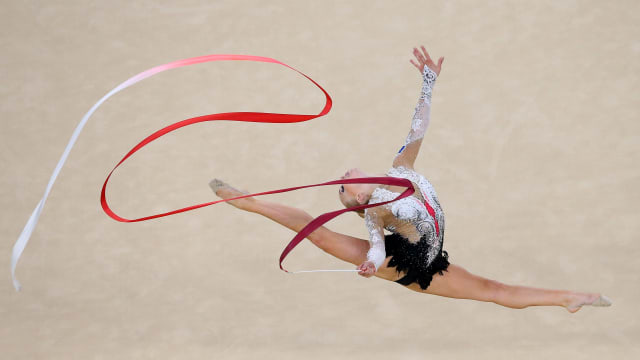
Have you ever watched ribbon dancing and wondered if it could be part of the Olympics? You’re not alone.
Many people find the graceful movements and colorful ribbons captivating and ask the same question: Is ribbon dancing an Olympic sport? If you’re curious about its status and what it takes for a sport to make it to the Olympics, this article is for you.
Keep reading, and you’ll discover surprising facts that might change how you see this beautiful art form.
Credit: www.insidethegames.biz
Ribbon Dancing Basics
Understanding the basics of ribbon dancing sets the foundation for appreciating its artistry and skill. It’s more than just waving a ribbon in the air—it’s a precise, graceful form of expression. Let’s break down the origins, the key moves, and why this dance holds cultural value.
Origins And History
Ribbon dancing traces back thousands of years, with roots in ancient China where it was part of traditional festivals and celebrations. It later spread to other cultures, adapting unique styles along the way.
Interestingly, ribbon dancing was closely tied to storytelling in many cultures, often used to express emotions or depict scenes without words. Have you ever thought about how a simple ribbon could carry such deep meaning?
Key Movements And Techniques
Ribbon dancing involves a variety of movements, including spirals, snakes, circles, and throws. Each motion requires control and timing to keep the ribbon flowing smoothly.
To perform well, you need to master wrist flexibility and arm coordination. The ribbon should never tangle or drop—practice helps you maintain that continuous, mesmerizing flow.
- Spirals:Twisting the ribbon in tight coils.
- Snakes:Moving the ribbon in a wave-like pattern.
- Circles:Creating large, sweeping loops in the air.
- Throws:Tossing the ribbon and catching it seamlessly.
Cultural Significance
Ribbon dancing is more than performance art; it reflects cultural identity and tradition. In many societies, it’s a symbol of celebration, joy, and connection to heritage.
Imagine attending a festival where the ribbon’s colors and movements tell a story of community and history. How often do you get to see dance that blends art, culture, and storytelling so elegantly?
Ribbon Dancing In Competitive Sports
Ribbon dancing holds a special place in competitive sports. It combines art, skill, and athleticism. Athletes showcase grace while handling a long ribbon. This sport demands precision and creativity. It is a visually stunning event that captivates audiences worldwide.
Presence In Rhythmic Gymnastics
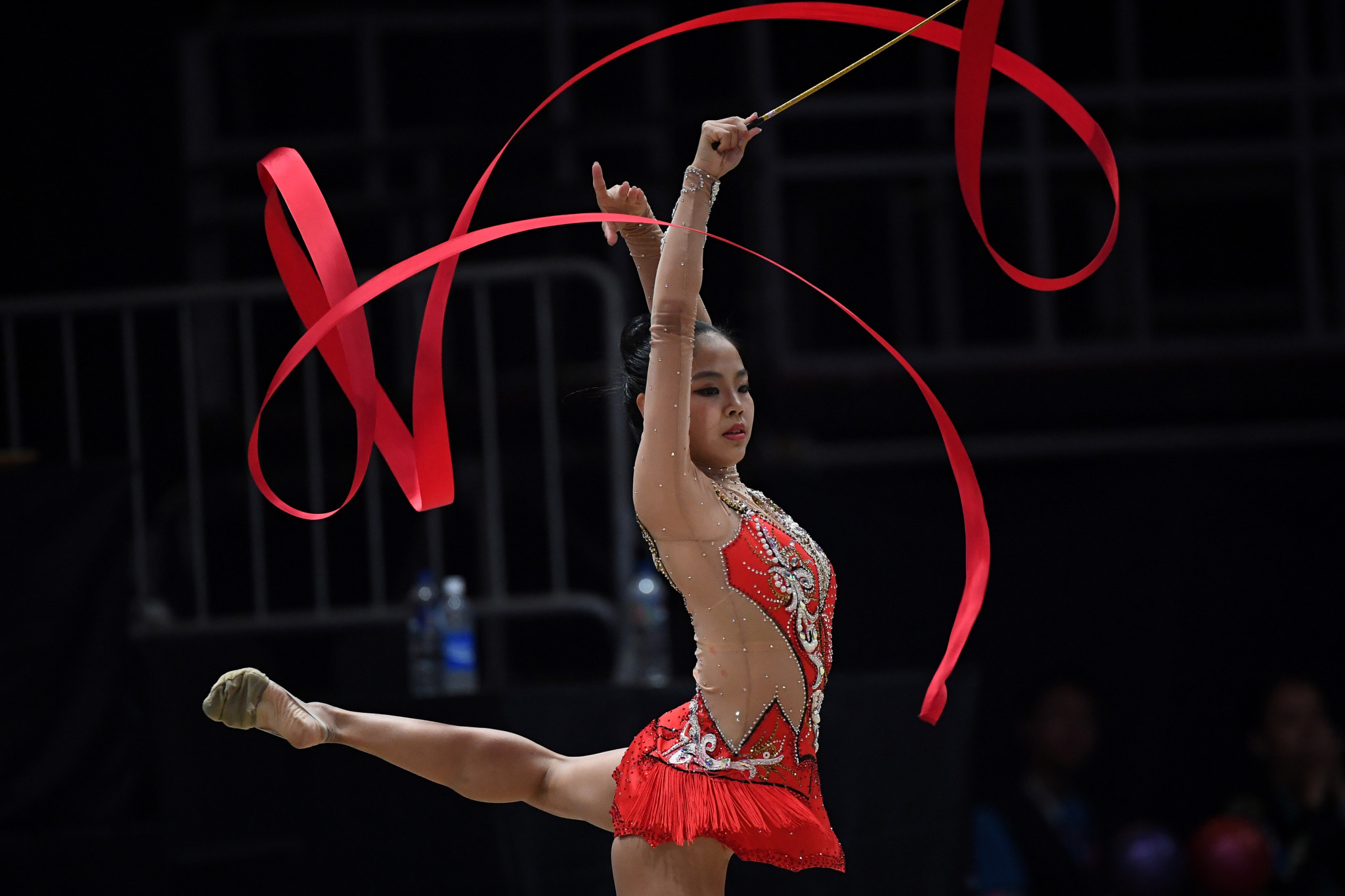
Ribbon dancing is a key part of rhythmic gymnastics. Athletes perform routines using a ribbon attached to a stick. The ribbon flows, twists, and spirals with every movement. It adds beauty and complexity to the sport. Rhythmic gymnastics features individual and group ribbon routines.
Major International Competitions
Ribbon dancing appears in many top competitions. Events like the World Championships and World Cup include ribbon routines. The Olympics also showcase rhythmic gymnastics with ribbon. Competitors from around the globe take part. These contests highlight the best ribbon dancers in the world.
Scoring And Judging Criteria
Judges score ribbon routines on several factors. They look at difficulty, execution, and artistry. The smoothness of ribbon movement is important. Avoiding knots and drops is crucial. Creativity in choreography adds to the score. Precision and control make a routine stand out.
Olympic Recognition Criteria
The Olympic Games represent the highest level of global sports competition, and gaining recognition as an Olympic sport is no simple feat. The criteria set by the International Olympic Committee (IOC) ensure that only sports meeting strict standards in popularity, governance, and global reach make it to the Games. Understanding these criteria helps clarify why some activities, like ribbon dancing, face a tough road to Olympic inclusion.
Process For Olympic Inclusion
To become an Olympic sport, a discipline must first be governed by an international federation that adheres to the Olympic Charter. This federation must demonstrate worldwide participation, with a minimum number of countries and continents actively competing.
Sports also undergo evaluation based on their popularity, audience appeal, and how they fit with the Olympic program’s values. The IOC often consults experts and member countries before making final decisions, which can take years.
Current Olympic Sports Related To Dance
While ribbon dancing itself isn’t an Olympic sport, dance elements exist in disciplines like rhythmic gymnastics and figure skating. These sports combine athleticism and artistry, showcasing routines that include ribbons, hoops, and other apparatus.
Rhythmic gymnastics, in particular, highlights ribbon dancing moves but within a structured competitive framework. This shows that dance-like performances can be Olympic, but they need to be part of a broader, recognized sport.
Challenges For New Sports
Introducing a new sport like ribbon dancing faces multiple hurdles. One major challenge is proving consistent global participation and competitive infrastructure.
Another issue is TV and spectator appeal; the IOC favors sports that attract viewers and sponsors. Additionally, fitting into the limited schedule and venue availability during the Games is a logistical concern.
Given these challenges, do you think ribbon dancing could evolve its format or partnership with existing sports to increase its Olympic chances?

Credit: www.vogue.com
Ribbon Dancing And The Olympics
Ribbon dancing, a mesmerizing blend of grace and skill, often sparks curiosity about its place in the world of competitive sports. Many wonder if this artful movement with ribbons has found its stage in the Olympics, the pinnacle of global athletic events. Let’s dive into the relationship between ribbon dancing and the Olympics, uncovering its journey and what might lie ahead.
Current Olympic Status
Ribbon dancing is not currently recognized as an Olympic sport. However, it is a key element within rhythmic gymnastics, which is an official Olympic discipline. In rhythmic gymnastics, athletes use ribbons along with hoops, balls, clubs, and ropes to perform routines that combine dance, gymnastics, and apparatus manipulation.
So, while ribbon dancing as a standalone sport hasn’t made it to the Olympics, its essence thrives through rhythmic gymnastics. This means your passion for ribbon dance can still shine on the Olympic stage, though within a broader gymnastics framework.
Past Attempts For Inclusion
There have been discussions and proposals to elevate ribbon dancing as an independent Olympic sport. Advocates highlight the artistic and athletic demands of ribbon dancing, arguing it deserves separate recognition. Despite these efforts, the International Olympic Committee (IOC) has yet to approve ribbon dancing on its own.
One challenge is the overlap with rhythmic gymnastics, which already includes ribbon routines. The IOC tends to avoid adding sports that duplicate existing events. Have you ever thought about how sports balance tradition with innovation when deciding what to include?
Future Prospects
The future of ribbon dancing in the Olympics depends on several factors, including global popularity, standardized rules, and demonstration of competitive appeal. If ribbon dancing communities worldwide grow stronger and organize more international competitions, it could boost its case for Olympic inclusion.
You might consider supporting local or international ribbon dance events or engaging with governing bodies. Your enthusiasm could help shape the future of this captivating art form. Could ribbon dancing become the next big Olympic sensation with enough passion and persistence?
Impact Of Olympic Status On Ribbon Dancing
The Olympic status of a sport greatly affects its growth and recognition. Ribbon dancing, a graceful and artistic discipline, experiences distinct changes if it becomes an Olympic sport. This status can influence many aspects of the sport, from popularity to funding and athlete chances.
Growth In Popularity
Olympic inclusion often leads to a surge in public interest. Ribbon dancing would attract new fans worldwide. Media coverage would increase, showing the sport to a larger audience. This exposure helps create local clubs and youth programs. The sport can reach places where it was unknown before.
Funding And Sponsorship
Olympic sports usually gain more funding from governments and organizations. Ribbon dancing could receive better support for training and events. Sponsors are more likely to invest in Olympic sports. This financial boost improves equipment, coaching, and competition quality. Athletes can focus more on their performance without financial stress.
Athlete Opportunities
Olympic status opens doors for many athletes. They can compete on a global stage and earn recognition. More competitions would become available, increasing experience and skill. Athletes may gain scholarships and professional contracts. The sport becomes a viable career path for many dancers.

Credit: www.divinecompany.co.uk
Frequently Asked Questions
Is Ribbon Dancing An Official Olympic Sport?
No, ribbon dancing is not an official Olympic sport. It is part of rhythmic gymnastics, which is an Olympic discipline. Ribbon routines are performed within rhythmic gymnastics competitions but not as a standalone Olympic event.
Why Is Ribbon Dancing Not In The Olympics?
Ribbon dancing lacks a separate Olympic category. It is included only within rhythmic gymnastics. The Olympics recognize rhythmic gymnastics as a whole, not individual apparatus like the ribbon.
How Is Ribbon Dancing Judged In Rhythmic Gymnastics?
Ribbon dancing is judged based on artistry, difficulty, and execution. Judges evaluate the athlete’s coordination, creativity, and control of the ribbon. Precision and fluidity in movements are key scoring factors.
Can Ribbon Dancing Become An Olympic Sport?
Ribbon dancing could gain Olympic status if separated from rhythmic gymnastics. However, currently, it remains a part of the gymnastics program. Changes depend on the International Olympic Committee’s decisions.
Conclusion
Ribbon dancing is not part of the Olympic sports yet. It remains a beautiful art in gymnastics and dance events. Many fans enjoy watching the flowing ribbons and skilled moves. The Olympic committee often reviews new sports for inclusion. Maybe one day, ribbon dancing will join the games.
Until then, it shines in performances worldwide. Keep appreciating its grace and creativity. It shows how sports and art can blend well. Enjoy the rhythm, color, and energy of ribbon dance wherever you find it.