
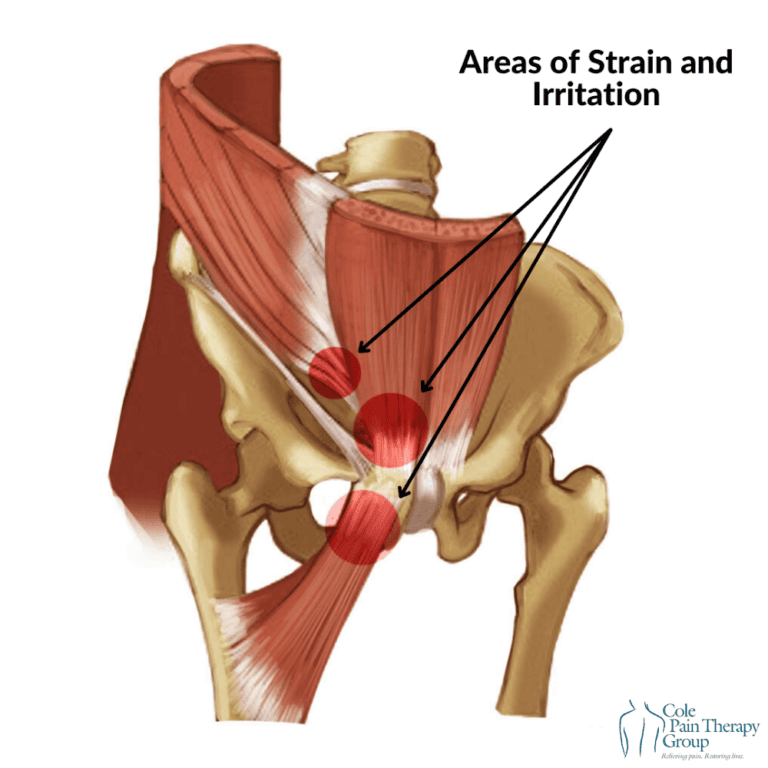
Are you struggling with persistent groin pain that just won’t go away? If you’re an athlete or someone active in sports, this discomfort might be more than just a strain—it could be a sports hernia.
Knowing how to diagnose a sports hernia early can save you from months of pain and missed games. You’ll discover clear, simple steps to identify the signs and understand what’s really happening inside your body. Keep reading to take control of your health and get back to the activities you love faster.
Symptoms Of A Sports Hernia
Recognizing the symptoms of a sports hernia is essential for timely diagnosis. This injury often causes pain in the groin area, especially for athletes. Symptoms can vary but usually point to specific pain patterns and discomfort linked to movement and physical activity.
Common Pain Patterns
- Sharp or aching pain in the lower abdomen or groin
- Pain that worsens with sudden movements
- Discomfort that may spread to the inner thigh or testicles
- Pain that persists even at rest in some cases
Movement-related Discomfort
Pain often increases with activities involving twisting or turning. Running, kicking, or sudden changes in direction may trigger discomfort. The pain can limit strength and flexibility in the affected area. Simple movements like bending forward might also cause pain.
Signs During Physical Activity
- Sharp pain during sprinting or cutting movements
- Feeling of weakness or pulling sensation in the groin
- Swelling or tenderness near the lower abdomen
- Reduced performance due to pain or discomfort
Physical Examination Techniques
Physical examination techniques are essential in diagnosing a sports hernia because they help pinpoint the exact source of pain and dysfunction. Careful assessment during a physical exam can reveal subtle signs that imaging tests might miss. This hands-on approach allows you and your healthcare provider to understand how the injury affects your movement and strength.
Palpation Methods
Palpation involves gently pressing on specific areas around your groin and lower abdomen to identify tender spots. Your doctor will feel for any swelling, muscle tightness, or irregularities that might indicate a sports hernia. You might notice sharp pain or discomfort during this process, which helps localize the injury.
Have you ever felt pain only when pressure is applied to a certain spot? That’s a key clue your practitioner looks for during palpation to narrow down the diagnosis.
Range Of Motion Tests
Testing your range of motion means moving your hips and legs in different directions to check for pain or stiffness. Your examiner will ask you to perform simple movements like lifting your leg, rotating your hip, or bending forward. Restricted or painful motion during these tests often points to muscle or tendon involvement linked to a sports hernia.
Think about how your pain changes when you try different movements—this can reveal if the injury worsens with activity or specific positions, guiding your treatment options.
Strength Assessment
Strength tests measure how well your muscles function and whether any weakness exists around the affected area. You may be asked to push against resistance or hold certain positions while your doctor evaluates muscle power. Weakness or pain during these tests can suggest muscle strain or damage common with sports hernias.
Recognizing which movements cause muscle weakness can help you focus your rehab efforts on the right exercises to regain strength.
Imaging And Diagnostic Tests
Imaging and diagnostic tests play a key role in identifying a sports hernia. These tests help doctors see the soft tissues and muscles in the groin area. They also rule out other injuries with similar symptoms. Accurate imaging guides the right treatment plan and speeds up recovery.
Mri Scans
MRI scans provide detailed images of muscles, tendons, and ligaments. They show tears or inflammation that may cause pain. MRI is painless and does not use radiation. This test helps spot subtle injuries missed by other methods. It is often the first choice for sports hernia diagnosis.
Ultrasound Imaging
Ultrasound uses sound waves to create pictures of soft tissues. It shows muscle and tendon damage in real time. Ultrasound is quick, safe, and cost-effective. It allows doctors to observe movement and pain areas directly. This test can guide injections or other treatments.
X-ray Limitations
X-rays are less useful for sports hernias. They show bones clearly but miss soft tissue injuries. X-rays help exclude fractures or bone problems. They cannot detect muscle tears or inflammation. Doctors often use X-rays alongside MRI or ultrasound for a full assessment.

Credit: www.facebook.com
Differentiating From Other Injuries
Diagnosing a sports hernia can be tricky because its symptoms often overlap with other injuries. Understanding these differences helps in finding the right treatment quickly. It is important to focus on where the pain occurs and what movements make it worse.
Groin Strain Vs Sports Hernia
Groin strains cause pain in the muscle area around the inner thigh. Sports hernia pain is deeper, near the lower abdomen and groin junction. Groin strains often hurt during sudden movements like sprinting or twisting. Sports hernia pain increases with sudden directional changes and prolonged activity.
- Groin strain: muscle pain, swelling, and bruising possible
- Sports hernia: deep, sharp pain without visible bruising
- Groin strain: pain eases with rest
- Sports hernia: pain may persist even at rest
Hip Joint Issues
Hip joint problems cause pain in the groin but also affect hip movement. Sports hernia pain is more focused on the lower abdomen and groin area. Hip joint pain worsens with hip rotation and weight-bearing activities. Sports hernia pain increases with sudden movements and coughing or sneezing.
- Hip issues: stiffness and limited range of motion
- Sports hernia: normal hip movement but pain with core activities
- Hip issues: pain can radiate to the thigh or buttocks
- Sports hernia: pain stays around the groin and lower abdomen
Lower Abdominal Problems
Lower abdominal pain can mimic sports hernia symptoms. Conditions like appendicitis or hernias in other areas cause sharp, localized pain. Sports hernia pain worsens with physical activity and improves with rest. Abdominal problems may show fever or digestive issues, which sports hernias do not cause.
- Lower abdominal issues: pain may be constant and severe
- Sports hernia: pain is activity-related and less severe at rest
- Lower abdominal problems: other symptoms like nausea or fever
- Sports hernia: no systemic symptoms
When To Seek Professional Help
Knowing when to seek professional help for a sports hernia is crucial. Ignoring symptoms or trying to push through the pain can make the injury worse. Understanding the signs that require expert attention can save you from prolonged discomfort and downtime.
Persistent Symptoms
If your groin pain lasts more than a couple of weeks despite rest, it’s a warning sign. Pain that doesn’t improve or keeps coming back means your body needs a closer look. Don’t ignore symptoms like sharp pain during movements or constant discomfort even when you’re resting.
Impact On Performance
Have you noticed your usual exercises or sports moves causing pain or weakness? When your performance drops or you can’t do what you normally do without pain, it’s time to see a professional. This isn’t just about discomfort—it’s about protecting your ability to stay active in the long run.
Early Intervention Benefits
Getting a diagnosis early can change everything. Treatment started sooner often means faster recovery and less risk of surgery. Think about how much time and frustration you could save by addressing the problem now rather than later.

Credit: www.facebook.com
Self-assessment Tips
Recognizing the signs of a sports hernia early can make a big difference in how quickly you recover. Self-assessment allows you to gauge the severity of your symptoms and decide when to seek professional help. Here are some practical tips to help you understand your condition better from the comfort of your home.
Home Movement Checks
Start by gently testing your range of motion. Try basic movements like twisting your torso, lifting your leg, or bending sideways. Notice if any of these motions cause sharp or persistent pain around your groin or lower abdomen.
Pay close attention to whether the pain worsens during sudden movements or changes in direction. This can be a strong indicator of a sports hernia rather than a simple muscle strain. If you feel discomfort, avoid pushing through the pain to prevent further injury.
Pain Tracking Methods
Keep a daily log of your pain levels and when they occur. Note the intensity, duration, and any activities that trigger or relieve the pain. This record can reveal patterns you might miss otherwise.
Consider using a simple scale from 1 to 10 to rate your pain, with 10 being the most severe. Tracking this over time helps you understand whether your symptoms are improving or worsening, guiding your next steps.
Activity Modification Strategies
Experiment with changing your workout routine to see if certain activities increase your pain. For example, reduce or avoid high-impact exercises like sprinting or heavy lifting. Instead, focus on low-impact movements such as swimming or cycling.
Notice how your body responds to these changes. If your pain decreases, it’s a sign that your hernia might be aggravated by specific motions. Adjusting your activities can help manage symptoms while you decide if professional evaluation is necessary.

Credit: mtnviewsurgical.com
Frequently Asked Questions
What Are The Common Symptoms Of A Sports Hernia?
A sports hernia typically causes sharp groin pain during physical activity. Pain worsens with sudden movements or twisting. Swelling is usually minimal. Persistent discomfort in the lower abdomen or groin is a key indicator to seek diagnosis.
How Is A Sports Hernia Diagnosed By Doctors?
Doctors diagnose sports hernias through physical exams and patient history. Imaging tests like MRI or ultrasound help confirm the injury. They rule out other causes of groin pain for accurate diagnosis and treatment planning.
Can Sports Hernias Heal Without Surgery?
Mild sports hernias may improve with rest, physical therapy, and anti-inflammatory treatments. However, severe or persistent cases often require surgery for full recovery. Early diagnosis increases chances of non-surgical healing.
What Physical Tests Identify A Sports Hernia?
Doctors use specific maneuvers like resisted sit-ups and hip adduction tests. These provoke groin pain, helping pinpoint a sports hernia. Physical exam findings guide further imaging and treatment decisions.
Conclusion
Diagnosing a sports hernia starts with knowing the symptoms well. Pain in the groin area is a common sign. Doctors often use physical exams and imaging tests. Early diagnosis helps in faster recovery. Rest and proper treatment prevent worsening. Don’t ignore persistent pain during sports.
Seek medical advice to avoid long-term issues. Understanding the process makes managing the injury easier. Stay informed and protect your body while staying active.