

Your bike helmet is more than just an accessory—it’s your best defense in a crash. But how do you know if it fits right?
A helmet that doesn’t fit properly can put you at risk, no matter how sturdy it looks. You might think any helmet will do, but the truth is, the right fit makes all the difference between safety and danger. Keep reading to discover simple, clear steps to make sure your helmet fits perfectly every time.
Your head—and your life—will thank you.
Credit: www.consumerreports.org
Choosing The Right Helmet Size
Choosing the right helmet size is essential for safety and comfort. A helmet that fits well protects your head effectively during a fall or collision. A poor fit can cause discomfort and reduce protection. Taking time to find the correct size makes every ride safer and more enjoyable.
Importance Of Proper Sizing
A helmet that fits properly stays in place during impact. It reduces the risk of head injuries by absorbing shocks correctly. An ill-fitting helmet can slip or move, increasing danger. Proper sizing also ensures comfort, encouraging you to wear the helmet consistently.
Measuring Head Circumference
Use a soft tape measure to find your head size. Wrap it around the widest part of your head, just above your eyebrows. Keep the tape snug but not tight. Note the measurement in centimeters or inches. This number helps you select the right helmet size from the brand’s chart.
Adjusting For Different Head Shapes
Heads come in many shapes: round, oval, or long. Some helmets fit better on certain head shapes. Try different models to find one that matches your shape. Look for helmets with adjustable pads or straps. These features help customize the fit for better comfort and security.
Helmet Fit Checkpoints
Getting the right fit for your bike helmet is crucial for safety and comfort. Several key checkpoints help ensure the helmet sits properly on your head. These checkpoints focus on strap positioning, helmet placement, and the coverage it provides.
Strap Positioning
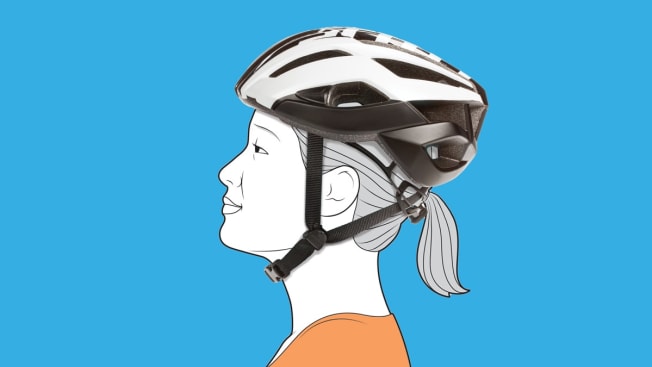
Straps should form a “V” shape under each ear. The buckle must sit snugly under your chin. Tighten the straps enough to keep the helmet steady but not too tight to cause discomfort. Check that the straps do not twist or press against your skin uncomfortably.
Level Helmet Placement
The helmet should sit level on your head. It must cover your forehead without tilting back. You should be able to fit one or two fingers between your eyebrows and the helmet’s front edge. This position protects your head and keeps your vision clear.
Side And Rear Coverage
The helmet must cover the sides of your head above the ears. It should also extend to cover the back of your head. Good coverage protects key areas during a fall. Make sure the helmet does not shift easily from side to side or front to back.
Adjusting Helmet Straps
Adjusting helmet straps is key for safety and comfort. Poorly adjusted straps can reduce protection during a fall. Proper adjustment keeps the helmet snug on your head without causing discomfort. Pay attention to three main parts of the straps: chin strap, Y-strap, and the tightening system. Each part needs to be adjusted correctly for the best fit.
Chin Strap Adjustment
The chin strap should fit firmly under your chin. It must be tight enough to hold the helmet in place. Leave enough room to insert one or two fingers between the strap and your chin. Too loose means the helmet can move around. Too tight causes discomfort and restricts breathing.
Y-strap Positioning
The Y-strap forms a “Y” shape below your ears. Adjust the sliders so the straps sit just below your earlobes. This positioning keeps the helmet stable on your head. Avoid placing the straps too high or too low around the ears. Correct positioning balances comfort and security.
Tightening Techniques
Use the helmet’s adjustment dial or straps to tighten the fit. The helmet should feel snug but not painful. Shake your head gently to check if the helmet moves. If it shifts, tighten the straps more. Regularly check the straps for wear and adjust as needed before each ride.

Credit: www.facebook.com
Comfort And Padding
Comfort and padding play a crucial role in how your bike helmet fits. A helmet that feels good on your head encourages you to wear it consistently, while uncomfortable padding can make even the safest helmet unbearable. Understanding the right padding and comfort features will help you find a helmet that fits snugly without causing pressure points or irritation.
Selecting Suitable Padding
Look for helmets with removable and adjustable padding. This allows you to customize the fit around your head shape and size. Different materials, like foam or gel, offer varying levels of softness and support—try a few to see what feels best for your skin and comfort.
Think about how often you ride and under what conditions. If you sweat a lot, padding with moisture-wicking properties can keep you dry and prevent discomfort. Have you ever stopped riding because your helmet felt too tight or itchy? Choosing the right padding can solve that problem.
Ventilation Considerations
Good padding shouldn’t block airflow. Look for designs that keep air moving over your scalp to reduce heat build-up. Ventilation channels combined with breathable padding materials make long rides more comfortable.
Ask yourself—does your helmet feel stuffy after just a few minutes? That’s a sign the padding and ventilation aren’t working together. Some helmets use perforated pads or mesh fabrics to improve breathability without sacrificing safety.
Weight And Balance
Padding adds to the overall weight of the helmet, but it should never feel heavy or unbalanced. A well-padded helmet distributes pressure evenly and keeps the helmet stable on your head. If you feel the helmet tipping forward or sideways, the padding might need adjusting or replacing.
Try wearing your helmet during different activities—does it shift when you move? Proper balance helps prevent neck strain and keeps your vision clear. Don’t overlook how padding affects the helmet’s feel; it’s not just about softness but also about maintaining a secure and steady fit.
Safety Certifications
Safety certifications are key to choosing the right bike helmet. They show that the helmet meets strict safety rules. These certifications help protect your head during crashes. Understanding these marks ensures you pick a helmet that truly safeguards you.
Understanding Certification Labels
Certification labels appear inside or outside the helmet. They show the helmet passed safety tests. Look for labels from recognized organizations. These labels prove the helmet meets impact and strap strength standards. Always check these before buying a helmet.
Comparing Different Standards
Different countries have their own helmet standards. The most common include:
- CPSC (USA) – Focuses on impact protection and retention system
- EN 1078 (Europe) – Covers shock absorption and field of vision
- AS/NZS 2063 (Australia/New Zealand) – Tests for impact and penetration resistance
Each standard tests helmets differently. Choose a helmet certified for your region. This ensures the best fit and protection.
Ensuring Compliance
Check the certification label before buying. Verify it matches your local safety rules. Avoid helmets without clear certification marks. A certified helmet means it passed quality and safety tests. This reduces injury risk during accidents.
Common Mistakes To Avoid
Wearing a bike helmet that fits well protects your head during a fall. Many riders make simple mistakes that reduce this protection. Avoiding these errors helps keep the helmet effective and comfortable.
Overtightening Straps
Straps should be snug, not too tight. Overtightening causes discomfort and skin irritation. It can also push the helmet out of place. The helmet must sit level on your head, with straps secured just below the ears.
Ignoring Head Shape
Helmets come in different shapes. Picking one without considering your head shape can cause poor fit. A helmet that is too round or too narrow will not protect well. Test different models to find one matching your head’s shape.
Neglecting Regular Checks
Helmet fit changes over time due to wear or strap stretching. Regularly check the fit and adjust straps as needed. Replace helmets after any crash or if they show cracks or damage. Staying attentive keeps your helmet reliable.

Credit: m.facebook.com
Frequently Asked Questions
How Tight Should A Bike Helmet Fit?
A bike helmet should fit snugly without causing discomfort. It should stay securely in place when you shake your head. Avoid helmets that feel loose or overly tight, ensuring proper protection and comfort during rides.
Where Should A Bike Helmet Sit On The Head?
The helmet should sit level on your head, covering the forehead. Position it about one to two finger-widths above your eyebrows. This placement protects your forehead and ensures maximum safety during impact.
How To Adjust Bike Helmet Straps Correctly?
Adjust straps so they form a “V” shape under your ears. Buckle the chin strap firmly but comfortably, allowing one or two fingers between strap and chin. Properly adjusted straps keep the helmet stable and secure.
When Should You Replace A Bike Helmet?
Replace your bike helmet after any crash or impact, even if no damage is visible. Also, replace it every 3-5 years due to material wear. Old helmets may lose effectiveness in protecting your head during accidents.
Conclusion
A properly fitting bike helmet keeps you safe and comfortable. It should sit level on your head, not tilted. Straps must be snug but not tight, securing the helmet firmly. Check that it does not move when you shake your head.
Remember, a good fit can prevent serious injuries. Take time to adjust your helmet before every ride. Safety starts with the right fit. Stay protected and enjoy cycling with confidence.


