

Have you ever thought about becoming a referee for youth sports? If you enjoy being active, love sports, and want to make a positive impact on kids, this could be a perfect fit for you.
Refereeing is more than just calling fouls—it’s about teaching fair play, building confidence, and keeping the game fun and safe. Plus, it offers great flexibility and a chance to earn some extra money. You’ll discover simple steps to get started, what skills you need, and how to succeed as a youth sports referee.
Keep reading to find out how you can make a difference on the field!
Benefits Of Being A Youth Sports Referee
Becoming a youth sports referee offers many rewards beyond the field. It helps build skills and opens doors to new experiences. Many find it a fun way to stay active and involved in their community.
Refereeing teaches responsibility and boosts confidence. It also creates chances to meet new people and make friends. This role helps develop decision-making and communication skills valuable in daily life.
Improves Leadership And Decision-making Skills
Referees learn to make quick and fair decisions. They practice leading players and coaches during games. These skills carry over to other areas like work and school.
Offers Flexible Work Opportunities
You can choose games that fit your schedule. This job allows for part-time work or extra income. It suits students, parents, and people with other jobs.
Encourages Physical Activity
Refereeing keeps you moving during games. It helps maintain fitness while having fun. It is a great way to stay healthy without going to a gym.
Builds Community Connections
Referees become part of local sports groups. They meet families and sports fans in their area. This role creates a sense of belonging and teamwork.
Teaches Conflict Resolution
Referees handle disputes calmly and fairly. They learn to manage stressful situations well. These skills help in personal and professional life.
Provides Valuable Experience For Future Careers
Experience as a referee looks good on resumes. It shows responsibility and leadership to employers. It can lead to opportunities in sports or other fields.
Essential Skills For Referees
Becoming a youth sports referee demands more than just knowing the rules. You need a set of essential skills that help you manage the game smoothly and earn respect from players, coaches, and parents. These skills ensure you stay confident and fair, even under pressure.
Communication Skills
Clear communication keeps the game flowing and prevents misunderstandings. You must explain your calls calmly and confidently to players and coaches, even when emotions run high.
Listening is just as important. Paying attention to what players and coaches say helps you make better judgments and maintain control.
Think about how you handle tough conversations. Could a calm tone and simple words help you avoid conflicts during a heated game?
Decision-making Skills
Referees make split-second decisions that affect the entire game. You need to trust your knowledge and instincts to make fair calls quickly.
Practicing game scenarios can sharpen your judgment. The more confident you are in your decisions, the smoother the game will run.
Ask yourself: How do you stay focused and avoid second-guessing when the crowd is watching and the pressure is high?
Physical Fitness Requirements
Refereeing youth sports means staying active throughout the game. Good physical fitness helps you keep up with fast-paced action and maintain clear sightlines.
Simple exercises like jogging or interval training can improve your endurance and agility. This not only boosts your performance but also reduces injury risk.
Consider your current fitness level—are you ready to move quickly and stay alert for the entire match?
Understanding Rules And Regulations
Understanding the rules and regulations is the backbone of becoming an effective youth sports referee. Your ability to enforce the game fairly depends on how well you know what’s allowed and what isn’t. This knowledge builds trust with players, coaches, and parents, and keeps the game running smoothly.
Familiarizing With Sport-specific Rules
Every sport has its unique set of rules that you must learn inside and out. For example, soccer referees need to know offside rules, while basketball officials focus on fouls and time violations. Start by reading the official rulebook carefully and highlight sections related to youth leagues, as these can differ from professional levels.
Practice by watching games and spotting rule applications in real-time. This sharpens your judgment and helps you anticipate common situations. Have you ever noticed how some calls change the entire flow of a game? Knowing the rules helps you make those calls confidently.
Staying Updated With Changes
Rules don’t stay the same forever. Sports organizations often update regulations to improve safety or fairness. Staying current requires more than just a quick glance—you need to regularly check official websites and attend referee clinics or workshops.
Set a schedule to review rule updates before each season. Joining a local referee association can alert you to changes quickly. How often do you think rules evolve in your chosen sport? Keeping up ensures you don’t miss critical updates that affect your decisions on the field.
Training And Certification Process
Becoming a youth sports referee starts with proper training and certification. This process ensures referees understand the rules and can manage games safely and fairly. Training builds confidence and prepares referees for real game situations. Certification shows that referees meet the standards required by sports organizations.
Finding Certification Programs
Certification programs are available through local and national sports bodies. Search for programs by sport and location. Many programs offer online registration and schedules. Some common places to find programs include:
- Local sports leagues and clubs
- National referee associations
- Community centers and schools
- Official websites of youth sports organizations
Choose a program recognized by your local sports authority. This ensures your certification is valid for officiating games.
Completing Required Training
Training often includes classroom sessions and practical activities. Expect to learn about:
- Rules of the sport
- Referee signals and communication
- Game management and safety
- Conflict resolution techniques
Some programs require passing a written test. Others may include on-field evaluations. Complete all parts to earn certification. Stay committed and practice regularly to improve your skills.
Building Experience As A Referee
Building experience as a referee is a crucial step in developing your skills and confidence on the field. Gaining hands-on practice helps you understand the flow of the game, manage players, and make quick, fair decisions. The more you expose yourself to different game situations, the better you become at handling the challenges that come your way.
Volunteering Opportunities
Volunteering is one of the best ways to start gaining experience without the pressure of a paid role. Many local community centers, schools, and sports clubs welcome volunteer referees, especially for youth games.
By volunteering, you get a chance to observe experienced referees and learn from their style. You might be surprised how much you pick up just by watching and asking questions. Have you considered reaching out to your neighborhood sports programs for such chances?
Volunteering also helps build your reputation. Coaches and parents notice reliable referees who show up ready to work. This can open doors to paid assignments in the future.
Working With Youth Leagues
Youth leagues offer a structured environment to sharpen your refereeing skills. These leagues often provide training sessions and workshops that can improve your knowledge of rules and positioning.
Working with youth players requires patience and clear communication. You learn to explain calls calmly and keep the game fun yet fair. How comfortable are you with managing emotions on the field?
In youth leagues, you gain experience with different age groups and skill levels. This variety challenges you to adapt your refereeing style, which is a valuable skill for advancing in your career.
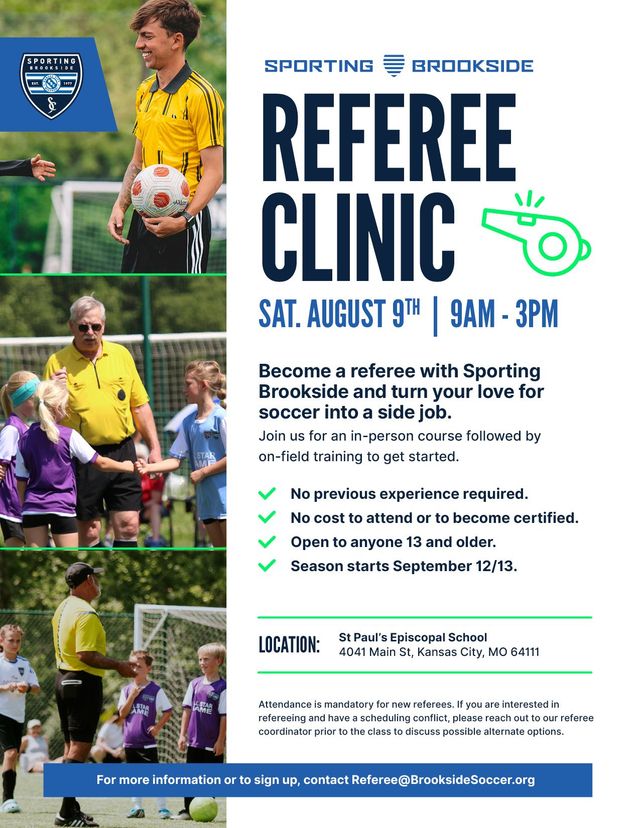
Credit: www.sportingbrookside.org
Challenges Faced By Referees
Refereeing youth sports is rewarding but comes with its own set of challenges. You will face moments that test your patience and decision-making skills. Understanding these hurdles can prepare you to handle them better and stay confident on the field.
Handling Pressure
Pressure builds quickly when you are the center of attention during a fast-paced game. You must make split-second decisions that affect the flow and fairness of the match. Staying calm under this pressure is crucial because hesitation can change the outcome.
One way to manage pressure is to focus on the rules and your training instead of the crowd’s reaction. Ask yourself: How can I keep my focus sharp despite distractions? Developing a routine before each game, like deep breathing or a quick mental checklist, can help you stay composed.
Dealing With Disputes
Disputes are inevitable when emotions run high among players, coaches, and parents. You will face disagreements over calls and sometimes even personal criticisms. Handling these disputes professionally can maintain respect and keep the game moving smoothly.
Try to listen actively to concerns without losing control of the game. Use clear, calm explanations to justify your decisions, avoiding defensive or aggressive tones. Have you prepared strategies to defuse heated moments while keeping authority?
Tips For Success
Success as a youth sports referee depends on more than just knowing the rules. It takes the right attitude and ongoing effort. Staying professional and eager to learn helps build respect and confidence on the field. Here are key tips for success.
Maintaining Professionalism
Always stay calm, even during tough moments. Treat players, coaches, and parents with respect. Dress neatly and arrive early for games. Use clear, firm signals and speak politely. Avoid arguments and keep control of the game. Your behavior sets the tone for everyone.
Continuous Learning
Rules can change, so keep your knowledge fresh. Attend training sessions and referee meetings. Watch experienced referees and ask questions. Review game footage to see where you can improve. Practice makes perfect. Learning helps you make better decisions and gain trust.

Credit: www.instagram.com
Advancing Your Career
Advancing your career as a youth sports referee takes effort and smart choices. Growth happens through building connections and seeking challenging roles. These steps help you gain experience and improve skills. Stay active in the referee community to open new doors. Your dedication will lead to higher-level opportunities and respect in the field.
Networking With Professionals
Meet other referees and sports officials at local games and events. Share experiences and advice to learn from each other. Join referee associations or online groups to connect widely. Networking helps you hear about training sessions and job openings. It also builds friendships that support your growth. Attend workshops and seminars to meet experts and improve knowledge.
Exploring Higher-level Opportunities
Apply for officiating positions in older age groups or more competitive leagues. These roles challenge your judgment and decision-making skills. Consider certification courses that qualify you for advanced games. Higher-level games often offer better pay and more recognition. Keep track of your progress and feedback to prepare for bigger roles. Volunteering for special tournaments can showcase your abilities to important organizers.

Credit: www.instagram.com
Frequently Asked Questions
How Do I Start Refereeing Youth Sports?
Begin by researching local leagues and their requirements. Complete necessary training and certification. Gain experience by volunteering at games. Consistently improve your knowledge and skills.
What Certifications Are Needed For Youth Sports Referees?
Certification varies by sport and region. Commonly, you need to complete a referee training course. Pass a written and practical exam. Maintain certification through ongoing education and renewals.
How Much Can Youth Sports Referees Earn?
Earnings depend on location, sport, and experience. Typically, referees earn between $15 and $50 per game. Some leagues pay hourly or per season. Additional income may come from advanced certifications.
What Skills Are Essential For Youth Sports Referees?
Strong communication and decision-making skills are crucial. You must stay calm under pressure and be physically fit. Knowledge of game rules and fairness is essential for success.
Conclusion
Becoming a youth sports referee takes practice and patience. Start by learning the rules and attending training sessions. Stay confident and fair during every game you officiate. This role helps kids enjoy sports safely and fairly. It also builds your skills and teamwork.
Refereeing can be a fun and rewarding experience. Give it a try and see how you grow. Every game is a new chance to improve and make a difference.


