

Have you ever wondered why football captures the hearts of millions around the world? It’s more than just a game—football offers excitement, teamwork, and a chance to challenge yourself both physically and mentally.
Whether you play or watch, football brings people together like few other sports can. Keep reading to discover why football could be the perfect sport for you and how it can add value to your life in ways you might not expect.
Physical Fitness Benefits
Football offers more than just fun and excitement; it actively boosts your physical fitness in several powerful ways. Playing regularly challenges your body, helping you build a stronger, healthier version of yourself. Let’s look at how football benefits your cardiovascular health, strength and endurance, as well as agility and flexibility.
Cardiovascular Health
Football involves constant movement—running, jogging, and sprinting—that gets your heart pumping faster. This improves blood circulation and strengthens your heart muscle. Over time, you can lower your risk of heart disease and improve your stamina.
Have you noticed how your breathing changes during a match? That’s your cardiovascular system working hard. This natural exercise helps your body become more efficient at using oxygen.
Strength And Endurance
Football demands physical strength to hold your ground and push through challenges on the field. You build muscle power in your legs, core, and upper body without even thinking about it. Endurance improves as you keep moving, often for 90 minutes or more.
Think about those moments when you had to sprint for the ball or tackle an opponent. That effort strengthens your muscles and teaches them to last longer during intense activity. Over time, you’ll notice everyday tasks feel easier because your strength and endurance have improved.
Agility And Flexibility
Quick changes in direction and sudden bursts of speed are part of football’s fast-paced action. This trains your body to be agile, helping you react faster on the field and in daily life. Flexibility also improves as you stretch and move in varied ways.
Do you remember a time when dodging an opponent felt effortless? That’s agility in action. Regular football practice keeps your joints and muscles flexible, reducing the risk of injuries and improving your overall movement quality.
Mental Health Advantages
Football is more than just a physical game; it offers powerful mental health benefits that can improve your everyday life. Engaging in football helps clear your mind, sharpens your focus, and builds confidence, all of which contribute to a healthier mental state. Have you ever noticed how a good game can leave you feeling refreshed and mentally stronger?
Stress Reduction
Playing football is a great way to lower stress levels naturally. The physical activity releases endorphins, often called “feel-good” hormones, which lift your mood instantly.
Beyond the biology, being part of a team provides social support that helps you handle pressure better. When you’re on the field, your worries fade, replaced by the excitement of the game.
Improved Concentration
Football demands constant attention to the ball, teammates, and opponents. This sharp focus trains your brain to concentrate better in other areas of life.
Many players find that their ability to stay attentive during work or study improves after regular football sessions. Can you think of moments where your focus was stronger after playing?
Boosting Self-esteem
Scoring a goal or making a good pass can give you a real confidence boost. These small victories on the pitch build your self-esteem over time.
Football also teaches you to cope with setbacks and keep trying, which strengthens your belief in yourself. How often do you feel proud of your efforts after a match?
Social Interaction
Football is more than just a game; it’s a powerful tool for social interaction. It brings people together in ways few activities can. Whether you’re on the field or cheering from the sidelines, football creates connections that matter.
Teamwork Skills
Playing football teaches you how to work closely with others toward a common goal. You learn to communicate clearly, trust your teammates, and support each other through challenges. These skills transfer beyond the pitch into your daily life, improving your ability to collaborate at work or in social settings.
Think about a moment when your team faced a tough opponent. How did you come together to overcome that pressure? That experience sharpens your ability to stay calm and focused under stress, a valuable skill in any group effort.
Community Building
Football creates a sense of belonging that extends beyond individual teams. Local clubs, schools, and neighborhoods often rally around football events, building stronger community ties. Attending matches or volunteering can help you meet new people and feel more connected to your surroundings.
Have you ever noticed how a shared love for football can bring diverse groups together? It’s a natural way to break down barriers and create friendships that might not happen otherwise.
Cultural Exchange
Football is a global sport that exposes you to different cultures and traditions. Playing or watching games with people from various backgrounds offers a chance to learn about customs, languages, and perspectives. This cultural exchange enriches your understanding of the world and promotes respect.
Imagine joining a local team with players from different countries. Each practice becomes a lesson in diversity and inclusion, expanding your social horizons far beyond the field.

Credit: www.theonlycolors.com
Discipline And Responsibility
Football teaches discipline and responsibility in ways that extend far beyond the field. The sport demands more than just physical effort—it requires mental strength, dedication, and a clear sense of purpose. These qualities help shape how you approach challenges in all areas of life.
Commitment To Practice
Showing up for practice consistently is a test of your commitment. It’s easy to feel motivated on game day, but true discipline reveals itself when you push through early mornings or after a long day at school or work.
I remember struggling to balance my own schedule, but sticking to practice improved my skills and boosted my confidence. This commitment builds a strong work ethic that stays with you forever.
Time Management
Football forces you to manage your time wisely. Between training sessions, matches, and personal life, you learn how to prioritize what truly matters.
Have you ever noticed how players plan their days down to the hour? This skill helps you handle multiple responsibilities without feeling overwhelmed, making you more efficient in everything you do.
Goal Setting
Setting clear, achievable goals is crucial in football. Whether it’s improving your passing accuracy or increasing your stamina, goals give you direction and purpose.
When you set targets, you create a roadmap for success. This habit of goal setting can transform your approach to work, studies, and personal growth, keeping you motivated and focused on progress.
Educational Opportunities
Football offers more than just physical benefits. It opens many educational doors for young players. The sport teaches discipline and teamwork. It also helps students access better learning opportunities. Many schools and colleges value football skills. This can lead to scholarships and other academic chances.
Scholarships
Football players often receive scholarships to colleges. These awards help cover tuition and living costs. Schools want athletes who show commitment and skill. Scholarships make higher education affordable. They also encourage players to keep good grades. This benefits both their sport and studies.
Career Paths
Football can lead to various careers beyond playing. Many players become coaches or trainers. Others work in sports management or media. The sport teaches skills useful in many jobs. Time management, communication, and teamwork stand out. These skills help players succeed in many fields.
Leadership Development
Football encourages players to take leadership roles. Captains learn to guide and motivate their team. Coaches trust players to make quick decisions. These experiences build confidence and responsibility. Leadership skills gained on the field help in life. They prepare players for future challenges.

Credit: www.facebook.com
Entertainment Value
Football offers incredible entertainment value that keeps fans hooked. The fast pace, unpredictable moments, and skillful play make it exciting. Every match brings new surprises and emotions, making it a thrilling experience for spectators worldwide.
Spectator Enjoyment
Watching football is fun and engaging. Fans enjoy the energy in the stadium and the tension on the field. The cheers, chants, and celebrations create a lively atmosphere. Every goal scored or save made sparks joy and excitement. Even those new to the sport find it easy to follow and enjoy.
Global Appeal
Football is loved in almost every country. This sport connects people from different cultures and backgrounds. Big tournaments bring millions of viewers together. Fans share the joy of supporting their teams, creating a sense of unity. The universal rules make it simple for everyone to understand and enjoy.
Traditions And Rivalries
Football has rich traditions that add to its charm. Historic clubs and national teams carry proud legacies. Rivalries build intense emotions and high stakes in matches. Fans look forward to these games all season. These traditions create stories and memories that last for years.
Economic Impact
Football drives significant economic growth worldwide. It creates many job opportunities and supports local businesses. The sport attracts tourists and fans, which helps cities earn money. Football also generates income through merchandising and sponsorship deals. These factors make football important beyond just entertainment.
Job Creation
Football provides jobs for millions of people globally. Players, coaches, referees, and staff all rely on the sport. Stadium workers, security, and media teams also find employment. Local businesses benefit by hiring more staff on match days. Football boosts employment in various sectors.
Tourism Boost
Football events attract visitors from different regions. Fans travel to watch matches and explore host cities. Hotels, restaurants, and transport services see increased demand. Big tournaments often lead to more tourism investment. Football helps cities grow their tourism industry.
Merchandising And Sponsorship
Football clubs sell jerseys, scarves, and other merchandise. Fans buy these items to show support for their teams. Sponsorship deals bring large sums to clubs and leagues. Brands use football to reach millions of people worldwide. Merchandising and sponsorship add strong financial support.
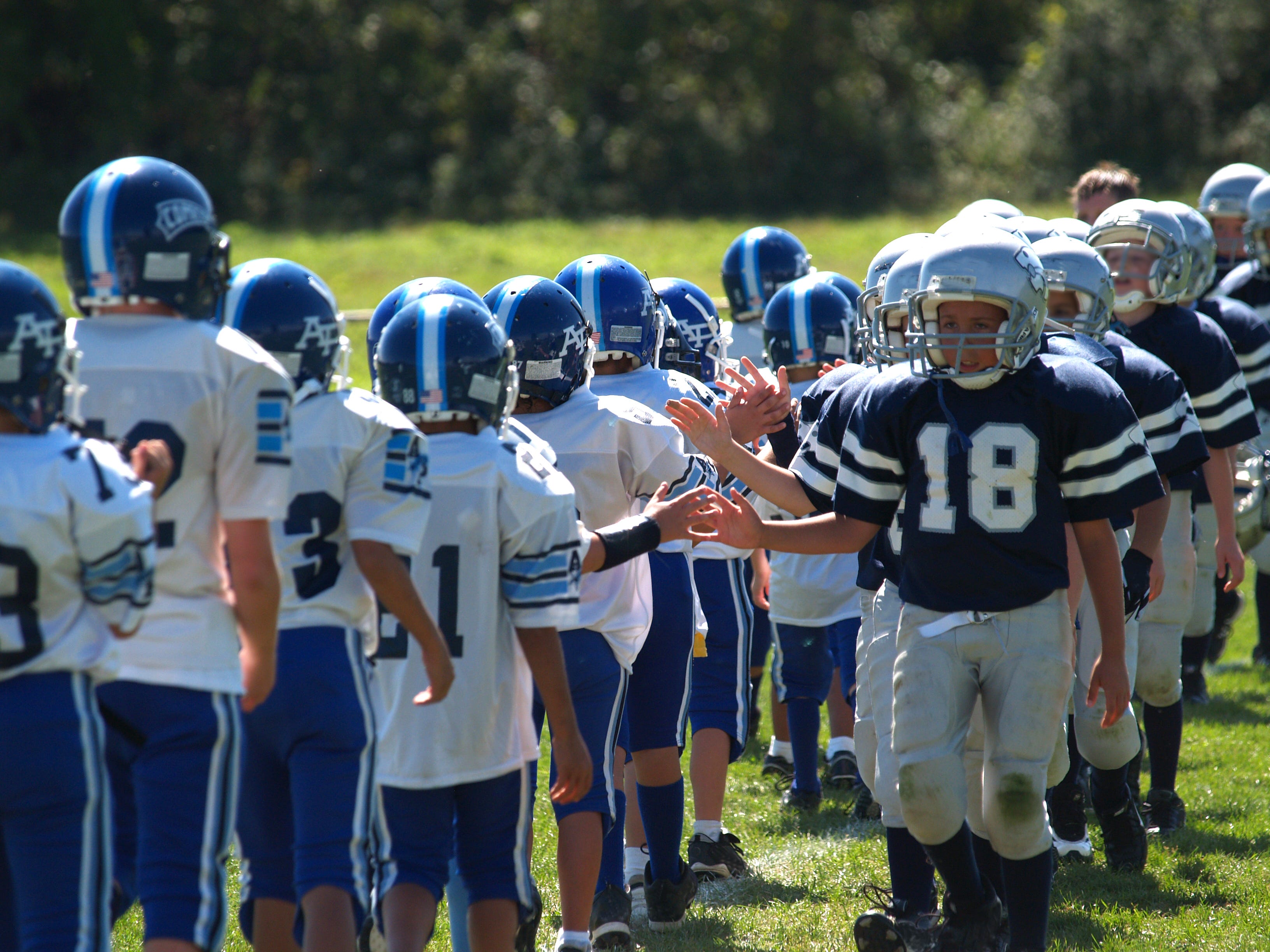
Credit: medium.com
Frequently Asked Questions
Why Is Football Good For Physical Health?
Football boosts cardiovascular fitness, strength, and coordination. It involves running, jumping, and quick movements, enhancing overall physical health. Regular play helps control weight and improves endurance, making it a great full-body workout.
How Does Football Improve Teamwork Skills?
Football requires players to communicate and collaborate closely. It teaches cooperation, strategy, and trust among teammates. These teamwork skills transfer to other areas of life, promoting better social and professional interactions.
What Mental Benefits Does Football Offer?
Playing football enhances focus, decision-making, and stress relief. It boosts confidence and mental toughness through challenges and competition. The sport encourages discipline and sharpens cognitive abilities.
Can Football Help Develop Discipline And Responsibility?
Football demands regular practice, punctuality, and commitment. Players learn to follow rules and respect authority. This fosters discipline and a sense of responsibility both on and off the field.
Conclusion
Football brings people together and builds strong friendships. It helps players stay healthy and active every day. The sport teaches teamwork, discipline, and respect for others. Players learn how to face challenges and keep trying. Football is fun and exciting for all ages.
It offers chances to improve skills and enjoy competition. Many enjoy watching and playing football worldwide. This sport creates memories that last a lifetime. Everyone can find joy in football’s simple pleasures.