
Have you ever wondered what truly makes up your fitness? It’s more than just running fast or lifting heavy weights.
Understanding the key components of fitness can help you improve your health and reach your goals faster. When you know what areas to focus on, your workouts become smarter, and your progress feels more rewarding. You’ll discover the essential parts that build a strong, balanced fitness foundation—so you can take control of your body and feel your best every day.
Keep reading to unlock the secrets to a fitter, healthier you!
Physical Fitness
Physical fitness is the foundation of a healthy lifestyle. It helps the body work well every day. Being physically fit means the body can handle different activities without getting tired quickly. It also lowers the risk of many illnesses.
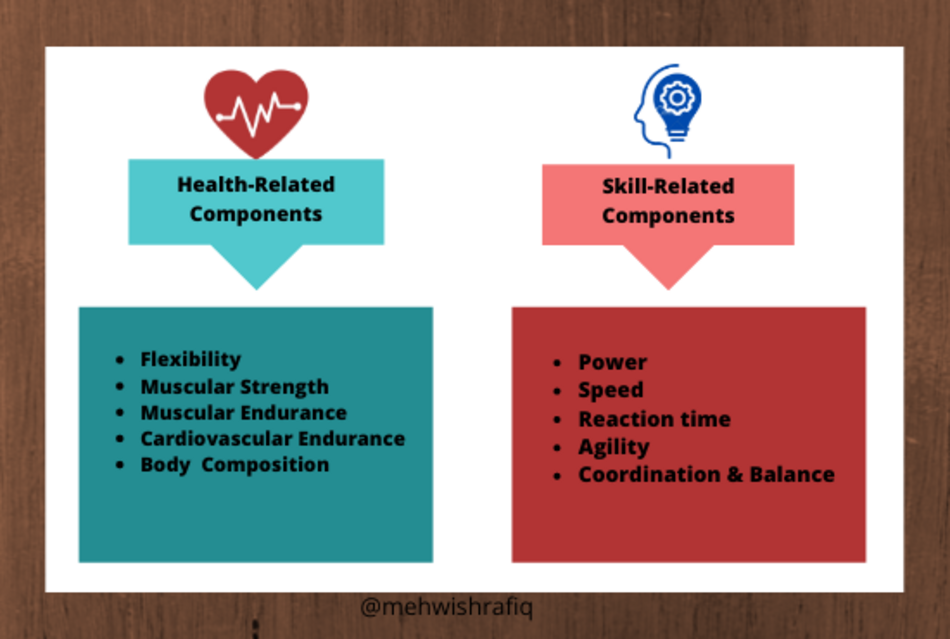
Physical fitness has several key parts. Each part plays a role in overall health and wellness. Understanding these parts helps build a balanced fitness plan.
Strength
Strength means the power of muscles to lift or push objects. It helps in doing tasks like carrying groceries or lifting heavy items. Strong muscles protect the body from injuries. Exercises like weight lifting and push-ups build strength.
Endurance
Endurance is the ability to keep moving for a long time. It helps in activities like running, cycling, or swimming. Good endurance means the heart and lungs work well to supply oxygen. Activities like jogging and brisk walking improve endurance.
Flexibility
Flexibility is how well the body can bend and move in different ways. It helps prevent muscle tightness and injuries. Stretching exercises and yoga increase flexibility. Flexible muscles make daily movements easier and less painful.

Credit: www.youtube.com
Mental Fitness
Mental fitness is as crucial as physical fitness, yet it often gets overlooked. It shapes how you think, feel, and handle daily challenges. Strengthening your mental fitness can improve your focus, mood, and resilience, making life’s ups and downs easier to navigate.
Cognitive Health
Your brain’s ability to process information, remember facts, and solve problems defines your cognitive health. Simple habits like reading regularly or learning a new skill can sharpen your mind. Have you tried puzzles or brain games to keep your thinking quick and clear?
Physical exercise also boosts blood flow to the brain, supporting memory and concentration. Even a short walk can refresh your thinking. What small mental challenge can you add to your routine today?
Emotional Well-being
How you handle your emotions impacts your overall mental fitness. Recognizing your feelings and expressing them in healthy ways helps you stay balanced. Journaling or talking to a trusted friend can bring clarity and relief.
Pay attention to what triggers negative emotions and find ways to respond differently. For example, practicing gratitude daily has helped many feel more positive and grounded. What emotional habits could you change to feel better?
Stress Management
Stress is part of life, but managing it well protects your mental health. Techniques like deep breathing, meditation, or even taking breaks during work can lower stress levels. Have you noticed how a few minutes of calm can reset your mindset?
Building a support system and setting realistic goals also reduce stress. Don’t wait until you feel overwhelmed—try small stress-reducing actions regularly. What will you do today to keep stress from taking control?
Nutritional Fitness
Nutritional fitness plays a vital role in overall health and physical performance. It fuels the body, supports recovery, and maintains energy levels. Good nutrition helps the body build strength, stay active, and prevent illness. Understanding the key parts of nutritional fitness can improve your fitness journey and everyday well-being.
Balanced Diet
A balanced diet includes all essential nutrients in the right amounts. It combines carbohydrates, proteins, fats, vitamins, and minerals. Carbohydrates provide energy for workouts and daily tasks. Proteins help repair muscles and build tissue. Healthy fats support brain function and hormone production. Eating a variety of colorful fruits and vegetables ensures enough vitamins and minerals. Avoid processed foods and excess sugar for better health.
Hydration
Water is crucial for every body function. It regulates temperature, aids digestion, and transports nutrients. Staying hydrated improves focus and physical performance. Drink water before, during, and after exercise to replace lost fluids. Signs of dehydration include tiredness, headaches, and dry skin. Limit sugary drinks and caffeine, as they can cause dehydration.
Supplementation
Supplements can fill gaps in your diet but should not replace real food. Common supplements include vitamins, minerals, and protein powders. They support specific needs like muscle growth or immune health. Consult a healthcare professional before starting supplements. Quality and dosage matter to avoid side effects. Use supplements wisely to enhance nutritional fitness safely.

Credit: www.teacherspayteachers.com
Social Fitness
Social fitness plays a crucial role in your overall well-being. It’s about how well you connect and interact with others. Strong social skills help you handle stress better and improve your mental health.
Relationship Building
Building meaningful relationships takes effort and honesty. Start by listening more than you speak—people appreciate genuine attention. Ask open-ended questions to learn about others’ experiences and feelings.
Think about your closest relationships. Are you investing enough time and energy into nurturing them? Small actions like sending a quick message or sharing a laugh can strengthen your bonds daily.
Community Engagement
Getting involved in your community expands your social circle and gives you a sense of purpose. Volunteer for local events or join clubs that interest you. This creates opportunities to meet people with shared values.
Have you ever noticed how working on a group project or community event lifts your mood? It’s not just about helping others—it’s about feeling connected and valued. Even simple participation can boost your confidence and social skills.
Support Networks
Support networks are your safety net during tough times. Surround yourself with people who listen without judgment and offer practical help. This can include friends, family, or support groups.
Consider who you turn to when facing challenges. Are those relationships strong and reliable? If not, make a plan to build or strengthen your support system, because having trusted people around changes how you cope with stress.
Lifestyle Fitness
Lifestyle fitness is about more than just hitting the gym. It involves the daily choices you make that influence your overall health and well-being. These habits shape how your body feels, how energized you are, and how well you perform in everyday tasks.
Sleep Patterns
Quality sleep is a cornerstone of lifestyle fitness. Without enough rest, your body can’t recover properly from physical activity, and your mental focus suffers. Try to stick to a consistent sleep schedule, even on weekends, to help regulate your internal clock.
Think about how you feel after a poor night’s sleep. Is your motivation lower? Are your workouts less effective? Improving your sleep can boost your energy and make exercise feel easier.
Work-life Balance
Balancing work and personal life plays a huge role in staying fit. Stress from work can drain your energy and lead to unhealthy habits like skipping exercise or eating poorly. Setting boundaries and carving out time for yourself can improve both your mental and physical health.
Ask yourself: Are you prioritizing your well-being alongside your job? Small changes, like taking short breaks to stretch or walking during lunch, can make a big difference.
Active Living
Being active doesn’t always mean intense workouts. Incorporating movement into your daily routine keeps your body strong and flexible. Simple actions like walking instead of driving short distances or taking the stairs can add up over time.
How often do you find yourself sitting for long periods? Try breaking up sedentary time with brief activity. These habits help maintain your fitness without needing extra hours at the gym.

Credit: www.teacherspayteachers.com
Frequently Asked Questions
What Are The Main Components Of Fitness?
The main components of fitness include cardiovascular endurance, muscular strength, muscular endurance, flexibility, and body composition. These elements work together to improve overall health and physical performance.
How Does Cardiovascular Endurance Impact Fitness?
Cardiovascular endurance improves heart and lung efficiency. It enhances stamina, allowing longer and more intense physical activities, reducing fatigue.
Why Is Muscular Strength Important In Fitness?
Muscular strength helps in lifting, pushing, and carrying heavy objects. It supports joint stability and prevents injuries during daily tasks.
What Role Does Flexibility Play In Fitness?
Flexibility increases the range of motion in joints. It reduces muscle stiffness and lowers the risk of strains and sprains.
Conclusion
Fitness has many important parts. Strength, flexibility, and endurance all matter. Each part helps your body work well every day. Focus on all components to stay healthy. Small steps can lead to big changes. Consistency is key to improving your fitness.
Enjoy moving your body and feeling strong. Remember, fitness is a journey, not a race. Keep learning and stay active for life.