
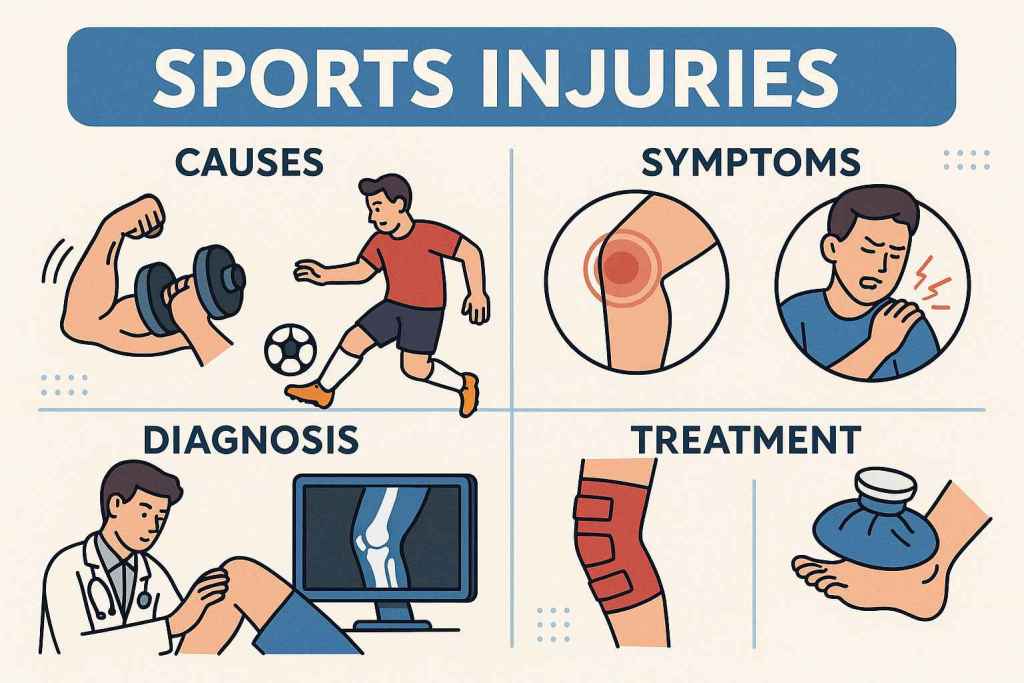
Have you ever wondered what the most common sports injury is and how it could affect you? Whether you’re a weekend warrior or a serious athlete, knowing which injury happens most often can help you stay safe and play longer.
You’ll discover the top sports injury that catches many off guard—and learn simple ways to prevent it from slowing you down. Keep reading to protect your body and keep your game strong!
Common Sports Injuries
Common sports injuries can disrupt your routine and set back your progress. Understanding what these injuries are and how often they occur can help you stay vigilant and take steps to avoid them. Knowing the types and their frequency in different sports gives you a clearer picture of the risks involved.
Types Of Injuries
Sports injuries vary widely, but some are more common than others. Here are a few you’re likely to encounter:
- Sprains and strains:These happen when ligaments or muscles are stretched or torn. They often result from sudden twists or overuse.
- Fractures:Broken bones can occur from falls or direct impacts. They require immediate medical attention and rest.
- Dislocations:Joints can be forced out of their normal position, causing intense pain and immobility.
- Tendonitis:Overuse injuries affecting tendons, causing inflammation and discomfort.
- Concussions:Head injuries that affect brain function, common in contact sports.
Knowing these types helps you recognize symptoms early. Have you ever ignored a minor strain, only for it to worsen later?
Frequency In Different Sports
Different sports carry different injury risks. High-impact sports like football and rugby often have more fractures and concussions.
On the other hand, sports like running or cycling tend to cause overuse injuries such as tendonitis and stress fractures. Here’s a quick overview:
| Sport | Most Common Injury | Why |
|---|---|---|
| Football | Sprains, Concussions | High contact and sudden movements |
| Basketball | Ankle Sprains, Knee Injuries | Jumping, quick direction changes |
| Running | Stress Fractures, Tendonitis | Repetitive impact on joints |
| Swimming | Shoulder Tendonitis | Repetitive overhead motion |
How might you adjust your training to reduce these risks? Paying attention to the demands of your sport can guide your injury prevention tactics.

Credit: www.teacherspayteachers.com
Causes Of Sports Injuries
Sports injuries happen for many reasons. Understanding these causes helps prevent pain and long breaks from sports. Causes of sports injuries fall into three main groups. These groups explain how injuries start and why they happen often.
Physical Factors
Physical factors are the most common causes of sports injuries. Muscles, bones, and joints can get hurt during hard training or sudden moves. Poor warm-up or weak muscles increase injury risk. Overuse, like running too much, can cause strains and stress fractures. Lack of rest stops the body from healing. Bad technique or using wrong equipment also leads to injuries.
Environmental Factors
Environmental factors play a big role in sports injuries. Wet or slippery surfaces cause falls. Uneven ground or poor lighting makes accidents more likely. Extreme weather, such as heat or cold, affects muscle performance. Crowded places increase collisions and accidents. Using damaged or unsafe sports gear also raises injury chances.
Psychological Factors
Psychological factors affect how athletes perform and stay safe. Stress and anxiety reduce focus, causing mistakes. Overconfidence can lead to risky moves. Fear of failure might make players tense and less coordinated. Poor communication with teammates creates confusion and accidents. Mental fatigue lowers reaction time, increasing injury risk.
Risk Factors
Understanding the risk factors behind common sports injuries can help you avoid setbacks and keep playing stronger. These factors influence how likely you are to get hurt during physical activity. Knowing what affects your injury risk can guide smarter choices about training and recovery.
Age And Gender
Your age plays a big role in injury risk. Younger athletes often bounce back quickly, but their growing bodies can be vulnerable to overuse injuries. Older adults may face slower healing and increased chances of strains or joint issues.
Gender also matters. Women tend to experience more knee injuries like ACL tears, partly due to differences in anatomy and muscle strength. Men, on the other hand, may have higher rates of muscle strains. Are you tailoring your training to your body’s unique needs?
Level Of Activity
The intensity and frequency of your sports activity directly impact injury chances. Sudden increases in training load can overwhelm your muscles and joints, leading to strains or sprains. Balancing rest and exercise is crucial.
Even casual players can get injured if they push too hard without proper preparation. Do you listen to your body’s signals to prevent overtraining?
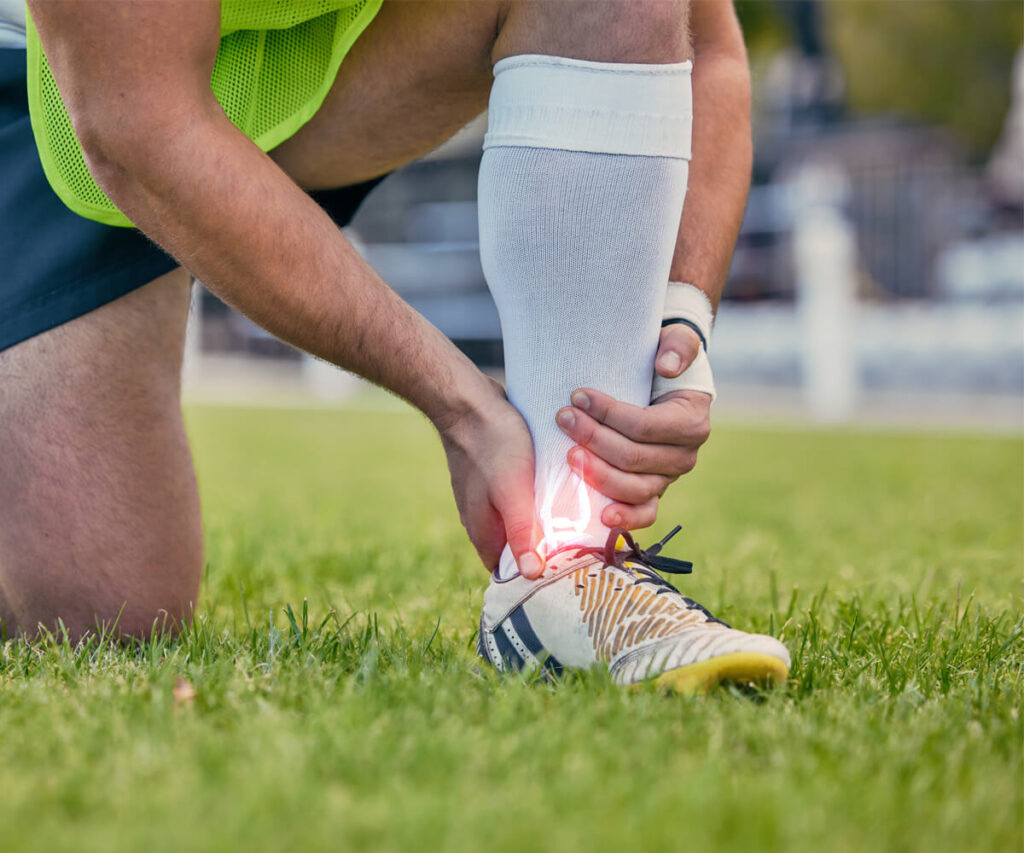
Previous Injuries
Once you’ve had an injury, your risk of another goes up. Scar tissue, weakened muscles, or joint instability can make the same area vulnerable. Ignoring rehab or rushing back too soon often causes repeat problems.
Pay close attention to recovering fully before jumping back in. Have you ever returned to play too quickly and regretted it?
Credit: sbisiali.com
Prevention Tips
Preventing common sports injuries requires attention to simple but effective habits. Following proper steps can reduce the risk of harm during physical activity. These prevention tips help keep athletes safe and performing well.
Proper Warm-up Techniques
Warming up prepares the body for exercise. It increases blood flow to muscles and improves flexibility. Start with light cardio like jogging or jumping jacks for 5 to 10 minutes. Follow with dynamic stretches targeting the muscles you will use. Avoid static stretching before intense activity because it can reduce muscle strength temporarily.
Using Correct Equipment
Wearing the right gear protects your body. Use shoes designed for your sport to support your feet and ankles. Helmets, pads, and guards reduce injury risk in contact sports. Check that equipment fits well and is in good condition. Replace worn-out items to maintain safety. Never share protective gear to avoid hygiene issues.
Strength And Conditioning Exercises
Strong muscles support joints and bones. Include exercises that build strength and improve balance. Focus on core muscles for better stability. Conditioning improves endurance and reduces fatigue. Tired muscles increase injury risk. Incorporate weight training, resistance bands, and bodyweight exercises into your routine. Always follow proper form to avoid strain.
Role Of Professional Guidance
The role of professional guidance in preventing and managing the most common sports injuries cannot be overstated. Whether you’re a beginner or an experienced athlete, expert advice shapes how you train, recover, and protect your body. Ignoring professional input often leads to mistakes that could have been easily avoided.
Importance Of Coaching
Coaches do more than just teach techniques—they spot errors in your form that might cause injuries later. A slight misalignment during a jump or a wrong posture while running can stress muscles and joints in harmful ways.
Imagine trying to fix your swing in tennis without any feedback. You might think you’re improving, but in reality, you could be increasing the risk of elbow or shoulder injuries. A knowledgeable coach provides real-time corrections and personalized advice tailored to your body and sport.
Coaching also helps you understand the limits of your body. You learn when to push harder and when to rest, which is key to avoiding overuse injuries like stress fractures or tendonitis.
Regular Health Check-ups
Regular health check-ups are crucial in catching potential issues before they turn into serious injuries. Doctors and physiotherapists can identify subtle signs of strain or imbalance that you might not notice yourself.
For example, a slight difference in leg length or weakness in certain muscle groups can predispose you to common injuries such as ankle sprains or knee problems. Early detection allows for targeted exercises or treatments that reduce risk.
Check-ups also keep you aware of your overall fitness and recovery status. They provide a reality check—are you fully healed from your last injury, or is it safer to ease back into training? This insight helps you avoid setbacks and keeps your performance on track.

Credit: www.newhopephysio.com
Recovery And Rehabilitation
Recovery and rehabilitation are key after the most common sports injuries. They help the body heal properly and avoid further damage. A good plan supports faster return to sports and daily activities. Understanding the steps in recovery aids in managing pain and regaining strength.
Immediate Treatment Options
Act quickly to reduce pain and swelling. Follow the R.I.C.E. method:
- Rest:Stop the activity causing pain.
- Ice:Apply cold packs for 15-20 minutes every hour.
- Compression:Use a bandage to limit swelling.
- Elevation:Raise the injured part above heart level.
Over-the-counter painkillers can ease discomfort. Avoid putting weight on the injured area. Seek professional care if pain or swelling worsens.
Long-term Recovery Strategies
Healing takes time and patience. Follow a gradual plan to regain movement and strength. Physical therapy often plays a major role. Exercises should focus on:
- Improving flexibility
- Strengthening muscles
- Restoring balance and coordination
Listen to your body and avoid pushing too hard. Use supportive gear like braces if recommended. Keep regular check-ups with your healthcare provider to track progress. Proper nutrition and hydration also support healing.
Frequently Asked Questions
What Is The Most Common Sports Injury Overall?
The most common sports injury is a sprain, especially ankle sprains. They occur due to overstretched or torn ligaments during sudden twists or falls. Sprains often happen in sports involving running, jumping, or quick direction changes.
Which Sports Cause The Most Injuries?
High-contact sports like football, basketball, and soccer cause the most injuries. These sports involve frequent collisions, sudden stops, and rapid movements, increasing injury risk. Overuse injuries are common in repetitive sports like running and swimming.
How Can Common Sports Injuries Be Prevented?
Warm-up exercises and proper stretching reduce injury risk. Wearing appropriate gear and using correct techniques also help. Additionally, gradual training increases strength and flexibility, minimizing sudden strain on muscles and joints.
What Are Symptoms Of A Sports Injury?
Common symptoms include pain, swelling, bruising, and limited movement. Injuries may cause stiffness or instability in the affected area. Early detection and treatment are crucial to prevent worsening conditions.
Conclusion
Sports injuries happen often, especially strains and sprains. These injuries can stop players from enjoying their sport. Knowing the common types helps with quick care and prevention. Rest, ice, and proper treatment speed up healing. Staying active and stretching can lower injury risks.
Always listen to your body during exercise or games. Play smart, stay safe, and enjoy sports for a long time.