

Have you ever wondered which sports carry the highest risk of concussions? Whether you play, coach, or watch, understanding where concussions happen most can protect you and those you care about.
Concussions are more than just bumps on the head—they can affect your brain health in the long run. You’ll discover which sports are the most dangerous for concussions and why. By knowing the facts, you can make smarter choices and stay safer on the field, court, or rink.
Keep reading to learn the surprising truth about concussions in sports.
Concussion Basics
Understanding the basics of concussions is essential, especially if you or someone you care about plays sports. Concussions can happen suddenly and affect your brain’s normal function. Knowing what they are and what causes them can help you recognize symptoms early and take action to protect your health.
What Is A Concussion?
A concussion is a type of brain injury caused by a blow or jolt to the head. It can also occur if the body hits something hard, causing the brain to move rapidly inside the skull. This movement can lead to chemical changes and damage to brain cells, even if there is no obvious external injury.
You might feel dizzy, confused, or experience headaches after a concussion. Sometimes, symptoms show up immediately; other times, they develop hours or days later. Have you ever shaken your head quickly and felt a brief headache? That’s a mild reminder of how delicate your brain can be.
Causes Of Concussions
Concussions happen most often during physical activities where your head can hit another object. In sports, this can be from collisions with other players, falls, or hitting the ground hard. Even a seemingly small hit can cause a concussion if the force is enough.
Common causes include:
- Head-to-head contact in football or hockey
- Falling off a bike or skateboard
- Being hit by a ball in sports like soccer or baseball
- Sudden stops or twists that shake the brain inside the skull
Think about the last time you or someone you know took a hard hit during a game. Did you notice any signs that might have indicated a concussion? Recognizing these causes can make a big difference in preventing more serious injuries.

Credit: medium.com
High-risk Sports
Some sports have a higher risk of concussions due to the nature of physical contact and the speed at which players move. Understanding which sports pose the greatest risk can help you make smarter choices about safety gear and playing techniques. It also raises awareness about the importance of proper training and concussion protocols to protect athletes.
Football
Football leads in concussion rates because of frequent high-impact collisions. Players often face helmet-to-helmet hits and sudden tackles that cause the brain to jolt inside the skull. If you’ve ever watched a game, you know how fast the action moves—this speed combined with force increases the chance of injury.
Wearing the right helmet and learning safe tackling techniques can reduce risks but not eliminate them. Coaches and players must prioritize concussion education to recognize symptoms early and avoid long-term damage.
Ice Hockey
Ice hockey is a fast-paced sport where players skate at high speeds and hit each other hard. Slamming into the boards or falling on the ice can cause serious head injuries. You might not expect it, but even a seemingly minor collision can lead to a concussion.
Players should always wear full protective gear and follow rules designed to minimize dangerous hits. Training on balance and fall techniques helps players protect themselves during unexpected crashes.
Rugby
Rugby features intense physical contact without helmets or much padding, increasing concussion risks. Tackles and scrums expose players to strong impacts that shake the brain. Have you noticed how quick the play restarts? That quick pace means little recovery time between hits.
Proper tackling form and strict enforcement of safety rules are crucial. Teams that invest in concussion awareness and recovery protocols help players avoid repeated injuries.
Soccer
Soccer might surprise you as a concussion risk, especially from heading the ball and accidental collisions. Though less violent than other sports, concussions happen when players clash heads or fall hard on the field. If you play soccer, paying attention to safe heading techniques is essential.
Encouraging players to report symptoms and taking breaks after head impacts can prevent further harm. Coaches should emphasize awareness to keep the game safer for everyone.
Youth Sports Concerns
You might think youth sports are all about fun and learning teamwork. Yet, the risk of concussions shadows many popular games. Understanding these risks helps you protect young athletes and keep their passion alive without compromising safety.
Children And Concussion Risks
Children’s brains are still developing, making them more vulnerable to concussions than adults. Even a mild hit can cause lasting effects on memory, concentration, and mood. Did you know that youth football and soccer top the list for concussion cases? This is often due to frequent head impacts and aggressive play styles.
Young players may not recognize concussion symptoms or may hide them to stay in the game. This makes it harder for coaches and parents to respond quickly. Have you ever seen a child ignore dizziness or headaches after a fall? That’s a red flag you shouldn’t overlook.
Protective Measures
Protecting children starts with education. Teaching kids, coaches, and parents about concussion signs can save a lot of trouble. Wearing properly fitted helmets and mouthguards can reduce impact forces, but no gear can eliminate risks completely.
- Enforce rules that limit dangerous tackles and hits.
- Encourage safe playing techniques, like heading the ball properly in soccer.
- Implement baseline concussion testing before the season starts.
Have you considered how a culture of safety can change the game? Making sure your child feels comfortable reporting symptoms can prevent long-term damage. It’s not just about gear—it’s about mindset and vigilance.
Concussion Statistics
Concussion statistics reveal important insights into which sports pose higher risks and how these injuries impact athletes differently. Understanding these numbers can help you make safer choices or advocate for better protective measures in your favorite sport. Let’s look closely at where concussions happen most and how gender plays a role.
Frequency In Sports
Contact sports dominate the list when it comes to concussion frequency. Football, hockey, and soccer report the highest rates of concussion among athletes of all ages. Youth football alone accounts for a significant share of reported concussions each year.
Sports like basketball and rugby also show notable concussion cases, often due to accidental collisions or falls. Surprisingly, even sports perceived as less dangerous, such as cheerleading, have concussion rates that are worth noting.
| Sport | Concussion Rate (per 10,000 athlete exposures) |
|---|---|
| Football | 6.4 |
| Ice Hockey | 5.0 |
| Soccer | 4.1 |
| Rugby | 3.8 |
| Basketball | 2.7 |
Gender Differences
Women’s sports show different concussion patterns compared to men’s. Studies indicate female athletes often report higher concussion rates in comparable sports like soccer and basketball. This could be due to differences in neck strength, hormonal factors, or reporting tendencies.
Take soccer as an example: female players experience concussions at nearly twice the rate of male players. This raises questions about whether current training and protective gear adequately address these differences.
Have you noticed how concussion symptoms might vary between male and female athletes? Recognizing these differences can help you spot signs earlier and seek proper care sooner, potentially preventing long-term issues.
Long-term Effects
Concussions in sports can lead to serious health problems over time. These injuries do not just heal quickly. They often cause lasting damage that affects players’ lives long after the game ends.
Understanding the long-term effects helps players and coaches take safety seriously. It also guides better care and treatment for athletes who suffer concussions.
Physical Impacts
Repeated concussions can cause ongoing headaches and dizziness. Some athletes experience trouble with balance and coordination. These symptoms may last months or even years.
Long-term brain damage is possible. This damage can affect movement and physical function. It may lead to conditions like chronic traumatic encephalopathy (CTE), a serious brain disease.
Other physical issues include:
- Persistent fatigue
- Sleep disturbances
- Increased risk of Parkinson’s disease
Mental Health Consequences
Concussions can affect mood and behavior. Many athletes suffer from depression and anxiety after multiple head injuries.
Memory loss and difficulty concentrating are common. These problems impact daily life and work performance.
Some players develop irritability or aggression. Emotional instability can strain personal relationships.
Long-term mental health effects may include:
- Post-traumatic stress disorder (PTSD)
- Increased risk of dementia
- Changes in personality

Credit: storelli.com
Prevention Strategies
Preventing concussions in sports requires a strong focus on safety and smart rules. Taking steps to reduce head injuries helps players stay healthy and enjoy the game longer. Strategies include using the right gear and updating how sports are played. Both protect athletes and lower concussion risks.
Safety Equipment
Wearing proper safety gear is vital to prevent concussions. Helmets designed for specific sports absorb impact and protect the head. Mouthguards reduce jaw injuries that can cause brain movement. Padded clothing cushions hits and lowers injury severity.
- Choose helmets that fit well and meet safety standards.
- Replace old or damaged equipment regularly.
- Use sport-specific protective gear for best results.
Education about correct equipment use helps players stay protected. Coaches and trainers should check gear before every game.
Rule Changes
Changing rules can reduce dangerous plays causing concussions. Many sports limit head-to-head contact and hits to the head area. Strict penalties discourage risky behavior and protect players.
- Banning helmet-to-helmet hits in football lowers concussion risks.
- In hockey, rules prevent checking from behind to protect players.
- Youth leagues often modify contact rules to keep kids safer.
Officials enforcing these rules help maintain fair and safe play. Clear guidelines reduce confusion and improve player safety.
Recent Research
Recent research sheds light on the sports with the highest concussion rates. Scientists study patterns and causes to improve player safety. The focus is on understanding impacts and developing better care. New findings help coaches, players, and medical staff act faster. This research drives changes in rules and protective gear.
Innovative Treatments
Scientists test new ways to treat concussions quickly and safely. Treatments include therapy to reduce brain swelling and improve recovery. Some focus on physical exercises that help the brain heal. Others use technology to track brain activity during treatment. These methods aim to lower long-term damage and speed healing.
Ongoing Studies
Research continues to explore how concussions affect athletes over time. Studies track players from youth leagues to professional sports. Researchers collect data on symptoms, recovery, and repeated injuries. They look for patterns to predict risks and prevent concussions. This ongoing work supports safer sports environments worldwide.
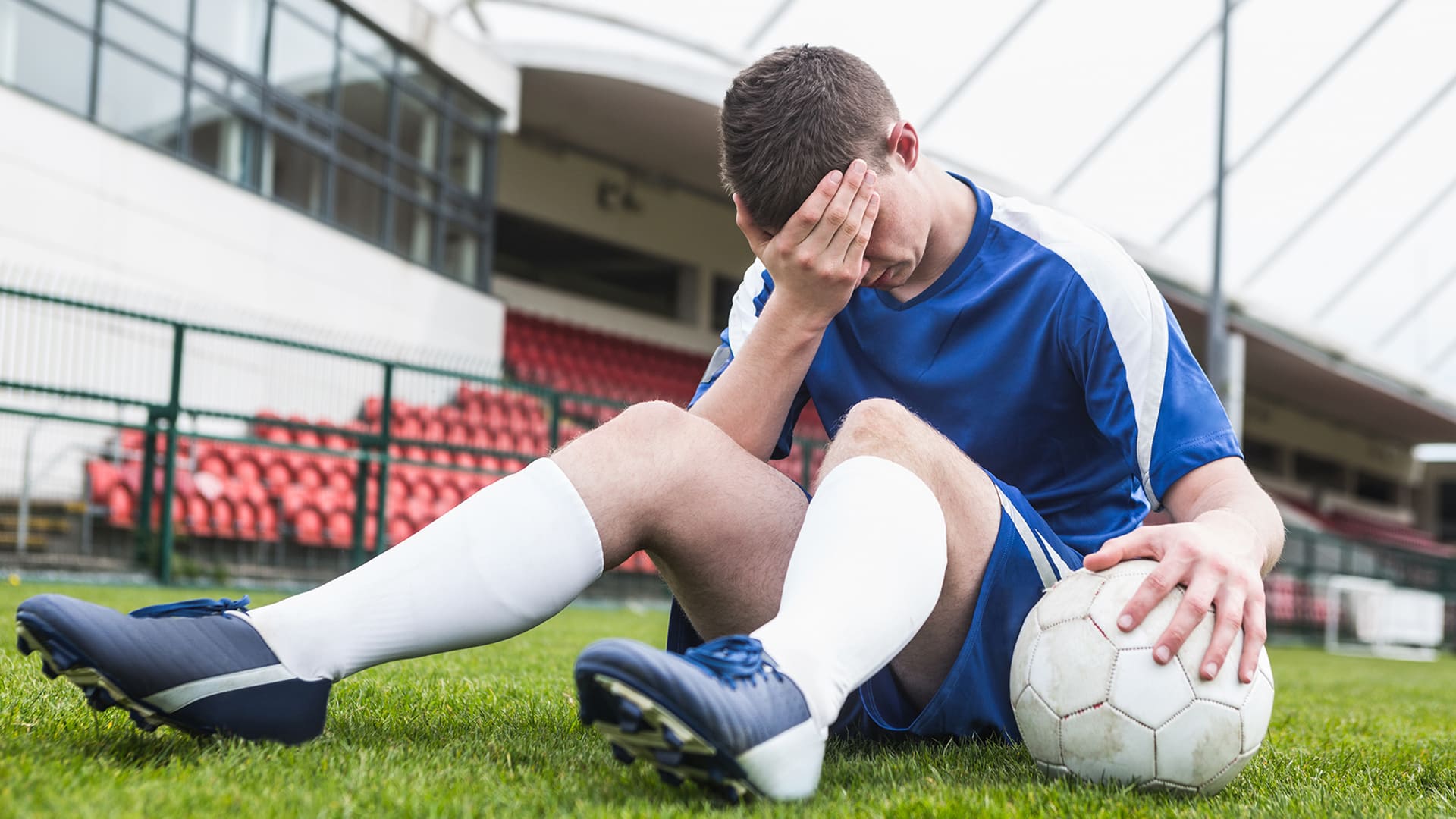
Credit: storelli.com
Frequently Asked Questions
Which Sports Have The Highest Concussion Rates?
Contact sports like football, hockey, and rugby have the highest concussion rates. These sports involve frequent collisions and physical impacts, increasing concussion risks. Soccer and basketball also report notable concussion cases due to player contact and accidental hits.
Why Are Concussions Common In Football?
Football involves high-speed impacts and tackles, causing frequent head injuries. Players often collide forcefully, making concussions common. Protective gear helps but doesn’t eliminate risk, so football remains a leading sport for concussions worldwide.
How Can Concussions Be Prevented In Sports?
Proper training, wearing protective gear, and following safety rules reduce concussion risk. Coaches should emphasize technique and awareness. Early concussion detection and appropriate rest also help prevent severe injuries and long-term damage.
What Are Common Concussion Symptoms In Athletes?
Symptoms include headaches, dizziness, confusion, nausea, and blurred vision. Athletes may also experience memory loss or sensitivity to light. Recognizing these signs early ensures timely treatment and reduces the risk of further injury.
Conclusion
Sports with high concussion risks need careful attention and safety rules. Players, coaches, and fans must know which sports cause more head injuries. Awareness helps reduce risks and protect athletes’ health. Using helmets and following rules makes a big difference.
Watching for concussion signs is important for quick action. Everyone can help make sports safer and more fun. Taking care now means fewer injuries later. Safety in sports is a shared job for all. Stay informed. Stay safe. Play smart.