What Do They Do in a Sports Physical: Essential Steps Explained
Are you getting ready for a sports physical but wondering what actually happens during the check-up? You might feel a bit nervous or unsure about what to expect.
Knowing exactly what they do in a sports physical can help you feel confident and prepared. You’ll discover each step of the process, why it matters for your health and safety, and how it helps keep you at your best on the field.
Keep reading, and you’ll never face a sports physical with uncertainty again.

Credit: www.instagram.com
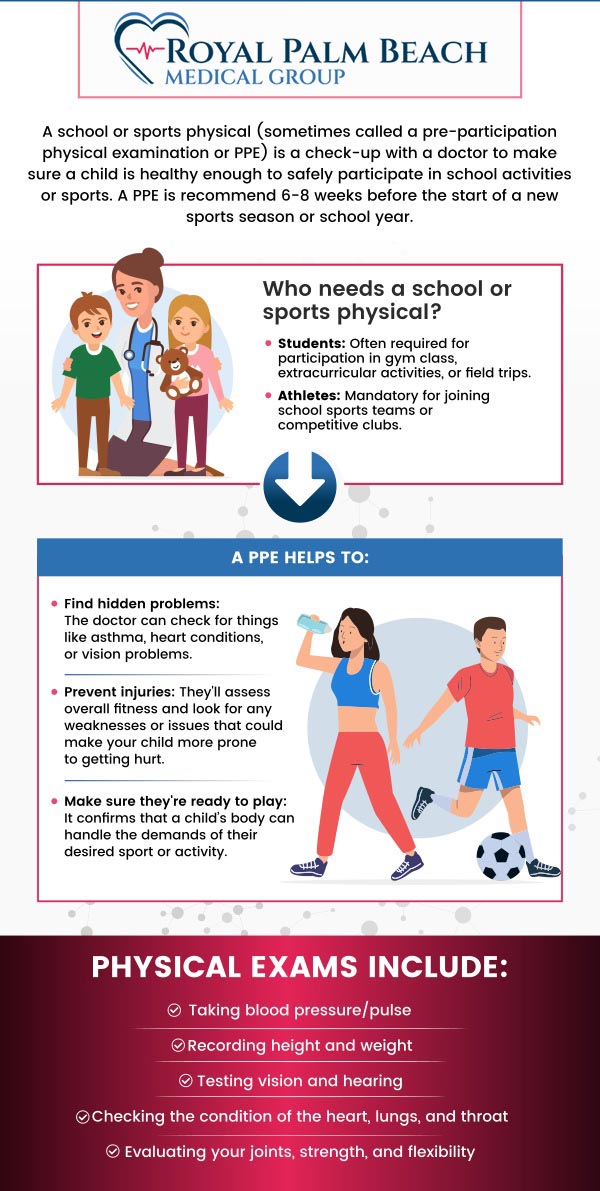
Purpose Of A Sports Physical
Understanding the purpose of a sports physical helps you appreciate why it’s more than just a routine check-up. This exam plays a vital role in keeping you safe and ready to compete. It identifies any hidden health issues that could affect your performance or put you at risk during sports.
Ensuring Safety Before Sports Participation
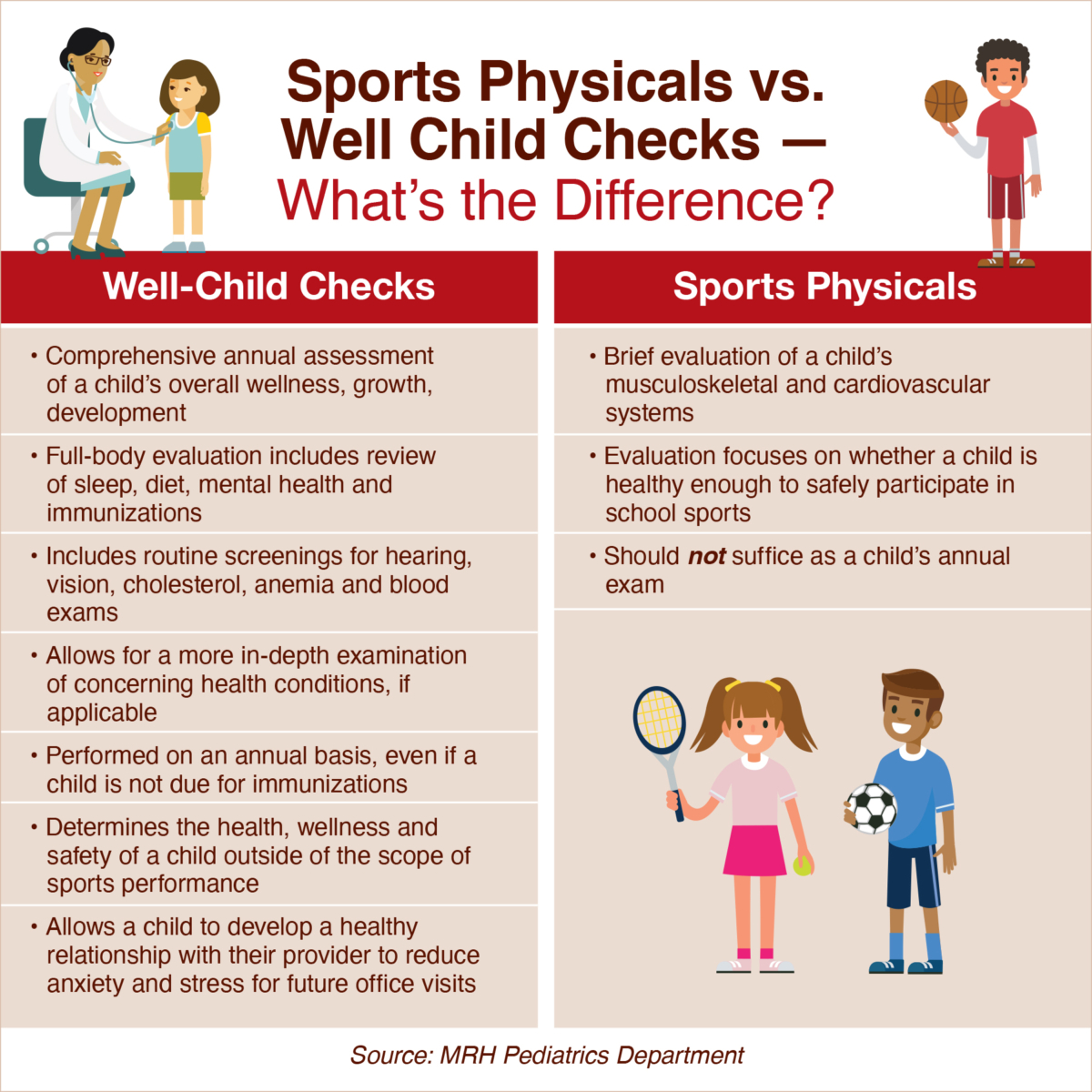
A sports physical checks your overall health to make sure you’re fit for physical activity. It looks for conditions that could cause injury or sudden health problems while playing. For example, doctors often screen for heart issues that might not show symptoms but can be dangerous during intense exercise.
Identifying Risk Factors Early
During the exam, the doctor asks about your medical history and family health background. This helps spot any risk factors like asthma, allergies, or previous injuries. Catching these early means you can manage them better and avoid complications during sports.
Creating A Baseline For Your Health
The physical exam gives your doctor a snapshot of your current health status. This baseline is useful to compare against future check-ups if you get injured or feel unwell. It also helps track your growth and development, which is especially important for younger athletes.
Providing Clearance And Confidence
After the exam, you receive a clearance to participate in sports, which reassures coaches and parents. This official approval means you’ve met the health standards needed to play safely. It also gives you peace of mind, so you can focus on performing your best.
Offering Personalized Health Advice
Sports physicals are a chance to get tailored tips on nutrition, hydration, and injury prevention. Your doctor might suggest exercises to strengthen weak areas or advice on managing stress. This personalized care can improve your performance and enjoyment in sports.
Medical History Assessment
The medical history assessment is a crucial part of a sports physical. It helps healthcare providers understand your overall health before you hit the field. This section focuses on uncovering past medical events and conditions that might affect your ability to play safely.
Previous Injuries
Your past injuries tell a story about your body’s vulnerabilities. Healthcare providers ask about any fractures, sprains, or surgeries you’ve had. Knowing this helps prevent re-injury and guides recommendations on protective gear or exercises.
Have you ever sidelined yourself because of an old injury? Sharing those details can be the difference between staying safe and risking harm during play.
Family Health Background
Health issues can run in families, and this part digs into your relatives’ medical history. Conditions like heart disease, asthma, or diabetes in your family might influence your risk factors.
Are you aware of any serious health concerns in your family? Revealing this information helps your doctor tailor advice specific to your needs.
Medication And Allergies
It’s essential to list any medications you take regularly, including over-the-counter drugs and supplements. Allergies, especially to medications or materials like latex, must be shared as well.
Imagine playing a game and suddenly experiencing an allergic reaction—knowing your allergies upfront can prevent this scenario. Always be honest about what you’re taking or allergic to for your safety.
Physical Examination Components
During a sports physical, the physical examination components play a crucial role in ensuring your body is ready for athletic activity. These checks help identify any health concerns that could affect your performance or safety. Let’s break down what you can expect during this part of the exam.
Height And Weight Measurement
Your height and weight are measured to assess your overall growth and fitness level. This simple step helps the doctor calculate your Body Mass Index (BMI), which can reveal if you’re underweight, overweight, or within a healthy range.
Knowing your BMI can guide advice on nutrition and exercise. Have you ever wondered if your current weight supports your sports goals? This measurement gives you a clear starting point.
Blood Pressure And Pulse Check
Checking your blood pressure and pulse is essential to evaluate your heart health. A normal blood pressure reading means your heart is pumping efficiently, while your pulse reveals your heart rate and rhythm.
These numbers can indicate if your heart is handling physical stress well. Think about your last workout—did you notice any unusual heartbeats or dizziness? This check can uncover underlying issues before they become serious.
Vision Screening
Good vision is critical for most sports. During the exam, you’ll undergo a vision screening to ensure your eyesight is sharp enough for quick movements and coordination.
Sometimes, subtle vision problems go unnoticed but can impact your performance and safety. Have you ever missed a ball because of blurry vision? This screening helps catch such issues early so you can get the right support, like glasses or contacts.
Credit: www.facebook.com
Musculoskeletal Evaluation
The musculoskeletal evaluation is a key part of a sports physical. It checks the health of bones, muscles, and joints. Doctors ensure athletes can move safely and perform well. This exam helps spot any risks for injury before sports begin.
Joint Flexibility
Joint flexibility shows how well the joints move. The doctor gently moves each joint in different directions. They check for pain, stiffness, and the range of motion. Good flexibility helps prevent injuries during sports activities. Limited movement may need further care or exercises.
Strength And Stability Assessment
The doctor tests muscle strength by asking the athlete to push or pull. They look for balance and control in movements. Strong muscles protect joints and improve performance. Stability tests check if joints stay steady during activity. Weakness or instability can increase injury risk and need attention.
Cardiovascular Examination
The cardiovascular examination is a key part of a sports physical. It helps ensure your heart and lungs can keep up with the demands of athletic activity. Checking these systems can reveal hidden issues that might affect your performance or safety during sports.
Heart Rhythm Check
During the heart rhythm check, the doctor listens to your heartbeat with a stethoscope. They check for irregular beats, known as arrhythmias, which can sometimes cause dizziness or fainting during exercise. If something unusual is detected, further tests like an EKG might be recommended.
Have you ever felt your heart race unexpectedly during exercise? This part of the exam helps catch those warning signs early, so you can avoid serious problems on the field or court.
Breathing And Lung Function
Next, your breathing and lung function are assessed. The doctor will listen to your lungs to ensure you’re breathing clearly without wheezing or crackling sounds. This is especially important if you have asthma or allergies that could affect your breathing during sports.
Sometimes, you may be asked to take deep breaths or blow into a device called a spirometer. This measures how well air moves in and out of your lungs. Understanding your lung health helps you and your doctor plan how to keep your breathing strong while you play.
Neurological Screening
Neurological screening is a vital part of a sports physical. It checks how well your brain and nerves communicate with your muscles and senses. This helps catch any hidden issues that might affect your safety while playing sports.
Reflex And Coordination Tests
During these tests, the doctor taps specific spots on your body to see how quickly your muscles react. This simple action can reveal a lot about your nervous system’s health.
They may ask you to perform tasks like touching your nose with your finger or walking in a straight line. These exercises check your balance and coordination. If you’ve ever tried to walk on a narrow beam, you know how tricky coordination can be—your doctor is looking for any signs of difficulty here.
Have you noticed how a slight delay in your reflexes can throw off your game? These tests can uncover that delay before it becomes a problem on the field. Catching issues early means you can address them and stay safe during your favorite sports.
Discussing Health Concerns
Discussing health concerns is a key part of a sports physical. The doctor asks about your medical history. This helps spot any problems that might affect sports activities. Talking openly ensures safety and proper care.
Addressing Existing Conditions
The doctor checks for any current health issues. This includes asthma, allergies, or heart problems. They ask about symptoms like chest pain or shortness of breath. Knowing these helps the doctor decide if you need extra tests or treatment before playing sports.
They also review past injuries like broken bones or sprains. This helps prevent further harm during physical activities. Sharing all health details is important for your safety.
Potential Risks And Precautions
The doctor explains risks linked to your sport and health status. Some sports put more strain on the heart or joints. They give advice to avoid injuries or health emergencies.
Precautions might include:
- Using protective gear
- Following specific training limits
- Taking medication properly
- Avoiding certain activities if needed
This discussion helps you play safely and enjoy sports with confidence.
Fitness And Conditioning Advice
Fitness and conditioning advice during a sports physical is more than a quick chat. It’s a chance to get tailored tips that match your sport, body, and goals. This guidance helps you build strength, avoid injuries, and boost your performance in ways that matter most to you.
Training Recommendations
Your healthcare provider will likely suggest training plans that fit your current fitness level and sport demands. They might highlight the importance of balancing cardio, strength, and flexibility exercises to keep your body well-rounded.
Have you ever thought about how skipping warm-ups or cool-downs affects your game? Your doctor might stress these to prevent injuries and improve recovery.
They could also recommend cross-training activities to avoid overuse injuries. For example, if you run a lot, adding swimming or cycling can give your joints a break while maintaining fitness.
Nutritional Guidance
Eating right fuels your workouts and speeds up recovery. During the physical, you may get specific advice on what to eat before and after training sessions to maximize energy and muscle repair.
Hydration often comes up in these talks. You might learn how much water you need daily and how to spot early signs of dehydration, which can sneak up during intense practice.
Ever wondered if supplements are necessary? Your provider can help you decide if you need vitamins or minerals based on your diet and activity level, steering you away from unnecessary or harmful products.
Approval For Sports Participation
Approval for sports participation is the final goal of a sports physical. Doctors carefully review the athlete’s health to decide if they can safely join the sport. This step protects the athlete from injury or health issues during activity. The process ensures readiness and safety before any games or practices begin.
Final Assessment
The doctor checks all test results and exam findings. They focus on heart health, joint function, and overall fitness. Any warning signs or risks are considered seriously. The doctor may ask questions about past injuries or symptoms. This helps to identify hidden problems that could affect performance or safety.
Issuing Clearance
Once the doctor is sure the athlete is healthy, they give clearance. This approval allows the athlete to join practices and competitions. If any concerns exist, the doctor may recommend further tests or treatments. Sometimes, clearance comes with specific instructions, like avoiding certain activities or using protective gear.

Credit: www.tiktok.com
Frequently Asked Questions
What Is Included In A Sports Physical Exam?
A sports physical checks overall health, heart, lungs, muscles, and joints. It screens for injuries and medical conditions that affect sports participation.
Why Are Sports Physicals Important For Athletes?
Sports physicals ensure athletes are fit to play safely. They help prevent injuries and identify health risks before starting sports activities.
How Long Does A Sports Physical Usually Take?
A sports physical typically takes 20 to 30 minutes. The doctor reviews medical history, performs tests, and answers questions.
When Should I Get A Sports Physical?
Get a sports physical before starting a new sports season or program. It’s best done annually for ongoing sports participation.
Conclusion
A sports physical helps keep athletes safe and healthy. Doctors check your heart, lungs, and muscles carefully. They ask questions about your health history too. This exam finds problems before they get worse. It also gives advice on how to stay fit.
Regular sports physicals help prevent injuries during play. They make sure you are ready to compete. Stay active, but always listen to your body. A sports physical is a smart step for every athlete.