What is Water Polo Sport: Ultimate Guide to Rules & Excitement
Have you ever wondered what makes water polo such an exciting and challenging sport? Imagine a fast-paced game where strength, skill, and teamwork come together—all while you’re swimming in a pool.
Water polo might seem tough to understand at first, but once you get the basics, you’ll see why it’s thrilling to watch and even more thrilling to play. You’ll discover what water polo is all about, how it’s played, and why it could be the perfect sport for you to dive into.
Keep reading, and get ready to see water polo from a whole new angle!
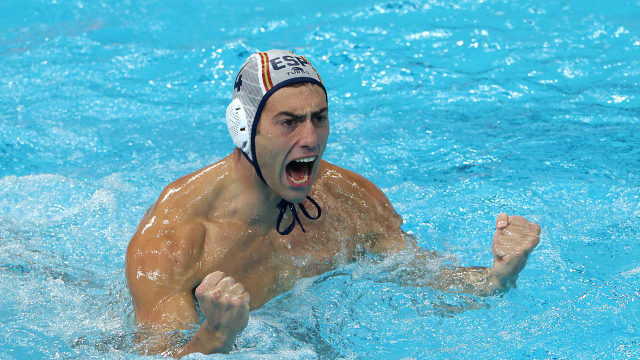
Credit: www.olympics.com
Origins Of Water Polo
Water polo is a thrilling sport played in water. It combines swimming, ball skills, and teamwork. The game has a rich history rooted in the 19th century. Understanding its origins helps appreciate its unique nature and rules.
Early Beginnings In The United Kingdom
Water polo started as a form of rugby played in rivers and lakes. It was first popular in England and Scotland. Players used a ball similar to a football. The game involved swimming and passing the ball to score goals.
Development Of Rules And Structure
The sport evolved with clear rules in the late 1800s. William Wilson, a Scottish swimmer, created the first formal rulebook. These rules shaped the game into a competitive team sport. The focus was on fair play and safety in the water.
Spread To Other Countries
Water polo quickly spread across Europe and the United States. The sport gained popularity in swimming clubs and schools. International competitions began, boosting its global reach. Today, water polo is played worldwide with official organizations.
Basic Gameplay
Water polo is a fast-paced, physically demanding sport played in a swimming pool. Understanding its basic gameplay helps you appreciate the skill and strategy involved. Let’s break down how the game works and what makes it unique.
Objective Of The Game
The main goal in water polo is simple: score more goals than the opposing team. Players pass and swim with the ball, trying to throw it into the opponent’s net. But it’s not just about scoring; defending your goal is equally important.
Each goal counts as one point, and the game is divided into four quarters. The team with the most points at the end wins. Ever wondered how players manage to stay so active and coordinated while treading water constantly? That’s part of the challenge and excitement.
Team Composition
Each team fields seven players at a time: six field players and one goalkeeper. Teams also have substitutes ready to jump in, keeping the energy high. This setup ensures players can rest and maintain peak performance throughout the game.
Field players take on specific roles, like attackers and defenders, each with unique tasks. The goalkeeper’s job is to block shots and organize the defense. This dynamic teamwork keeps the game thrilling and unpredictable.
Equipment Essentials
Water polo is a fast-paced, demanding sport that requires specific equipment to ensure safety, fairness, and optimal performance. Understanding the essential gear can help you appreciate the game more and get ready if you decide to jump in yourself. Let’s take a closer look at the two key pieces of equipment that define the player’s identity and interaction with the game.
Caps And Swimsuits
The water polo cap is more than just a head covering—it protects your ears from injury and helps referees and teammates identify players quickly. These caps are made with strong materials and feature ear guards designed to absorb impact.
Swimsuits for water polo are built tough. They need to withstand constant tugging and pulling from opponents, so they are made with durable, chlorine-resistant fabric. Unlike regular swimwear, water polo suits fit snugly to reduce drag and prevent opponents from grabbing loose fabric during play.
- Caps:Usually numbered and color-coded to distinguish teams and positions.
- Swimsuits:Designed for durability, comfort, and minimal water resistance.
Ball Specifications
The water polo ball is specially designed for excellent grip and control, even when wet. Its surface is rougher than a regular volleyball, allowing players to pass and shoot accurately under slippery conditions.
Size and weight vary by age and gender. For men, the ball is slightly larger and heavier compared to the women’s version. This helps maintain the right balance between speed and control during the fast exchanges in the pool.
| Category | Diameter (cm) | Weight (grams) |
|---|---|---|
| Men’s Ball | 68-71 | 400-450 |
| Women’s Ball | 65-67 | 400-450 |
| Youth Ball | 63-65 | 300-330 |
Have you ever tried throwing a wet ball that doesn’t slip out of your hand? That grip makes all the difference in water polo and can change the outcome of a game. What equipment would you pick first if you were gearing up for your first water polo match?
Rules And Regulations
Water polo is a fast and physical sport played in the water. It has clear rules to keep the match fair and safe. Understanding these rules helps players and fans enjoy the game better. The rules cover how long the game lasts and what happens when players break them.
Game Duration
A standard water polo match has four periods. Each period lasts eight minutes of actual playtime. The clock stops when the ball is out of play. Between periods, players get a short break to rest. If the game is tied, overtime periods may be added. Each overtime lasts three minutes. This keeps the game exciting and competitive.
Fouls And Penalties
Water polo has two main types of fouls: ordinary and major. Ordinary fouls are minor and happen often. The player who fouls must leave the ball for the other team. Major fouls are more serious and can lead to exclusion. A player who commits a major foul must leave the pool for 20 seconds. If a player gets three major fouls, they are removed from the game. Penalties happen when a foul stops a clear scoring chance. The fouled team gets a free throw from five meters away. These rules keep the sport fair and protect players.
Positions And Roles
Understanding the positions and roles in water polo is key to appreciating how the game flows and how teams work together. Each player has a specific job that contributes to both defense and attack. Knowing these roles can also help you spot the strategies teams use during a match.
Goalkeeper Duties
The goalkeeper is the last line of defense, responsible for blocking shots and protecting the goal. They need quick reflexes and the ability to read the game well. Unlike field players, goalkeepers can touch the ball with both hands, which gives them a crucial advantage in stopping goals.
Aside from saving shots, goalkeepers also direct their teammates by calling out defensive positions. Their communication helps the team stay organized and react to the opposing team’s moves. Have you noticed how some goalkeepers seem to anticipate the ball’s direction before it’s even thrown? That’s a skill developed through experience and sharp focus.
Field Players
Field players are the core of the team’s offense and defense, constantly swimming and passing to create scoring opportunities. They are divided into attackers and defenders, but everyone needs to be ready to switch roles quickly during the game.
- Drivers:These players swim fast and make quick moves to break away from defenders and take shots on goal.
- Centers:Positioned near the opponent’s goal, centers use strength to hold their spot and receive passes for close-range shots.
- Wings:Positioned on the sides, wings help spread the offense and create space by pulling defenders out wide.
- Point:Usually at the top of the offensive setup, the point player often sets up plays and takes long-range shots.
Each role demands specific skills. For example, drivers need endurance and speed, while centers rely on power and positioning. As you watch a game, try to identify which player is fulfilling which role and how they contribute to the team’s overall strategy. Can you see how their movements affect the pace and style of play?
Scoring Techniques
Scoring in water polo is a skill that needs practice and smart techniques. Players use different shots and strategies to score goals. Understanding these techniques helps players improve and enjoy the sport more. Success in water polo depends on precise shooting and good teamwork.
Types Of Shots
Water polo players use several types of shots to score goals. Each shot has a unique style and purpose. Knowing these shots helps players choose the best option during a match.
- Power Shot:A strong, fast throw aimed directly at the goal. It surprises the goalkeeper.
- Lob Shot:A high, arcing shot over the goalkeeper’s reach. It works well when the goalie is close to the net.
- Skip Shot:The ball bounces on the water before reaching the goal. It can confuse the goalkeeper and defenders.
- Backhand Shot:A quick shot made with the back of the hand. It is useful for close-range goals.
Effective Strategies
Good scoring needs more than just strong shots. Players use smart plans to score more often. Teamwork and timing play a big role in these strategies.
- Positioning:Players move quickly to open spots near the goal. This creates better chances to shoot.
- Faking:Pretending to shoot or pass tricks defenders and the goalkeeper.
- Passing:Quick, accurate passes help find the best shooter. This confuses the defense.
- Screening:Teammates block defenders to give shooters a clear path to goal.
Training And Fitness
Training and fitness are the backbone of excelling in water polo. This sport demands a unique blend of strength, endurance, and precise swimming skills. Without focused training, your performance in the pool will struggle to keep up with the fast pace and physical intensity of the game.
Strength And Conditioning
Water polo players need strong muscles to battle opponents and maintain control of the ball. Building upper body strength helps you throw the ball with power and accuracy. Leg strength is just as important because you spend most of the game treading water using the eggbeater kick.
Effective strength training should include:
- Weight lifting focusing on shoulders, chest, and core
- Explosive movements like medicine ball throws
- Leg workouts such as squats and lunges to boost endurance in the water
Think about your last workout—did it challenge your muscles in a way that mimics the demands of a water polo match? Targeting the right muscle groups will give you an edge every time you enter the pool.
Swimming Skills
Swimming speed and technique are crucial for outpacing opponents and positioning yourself effectively. You need to master different strokes and turns to maximize your efficiency in the water. Practicing sprints helps improve your burst speed for quick breaks and counterattacks.
Try adding drills like:
- Interval swimming to build cardiovascular fitness
- Underwater dolphin kicks to increase propulsion
- Side breathing exercises to maintain control while handling the ball
Have you noticed how your stamina changes during a game? Improving your swimming skills directly influences how long you can stay active and alert in the pool.
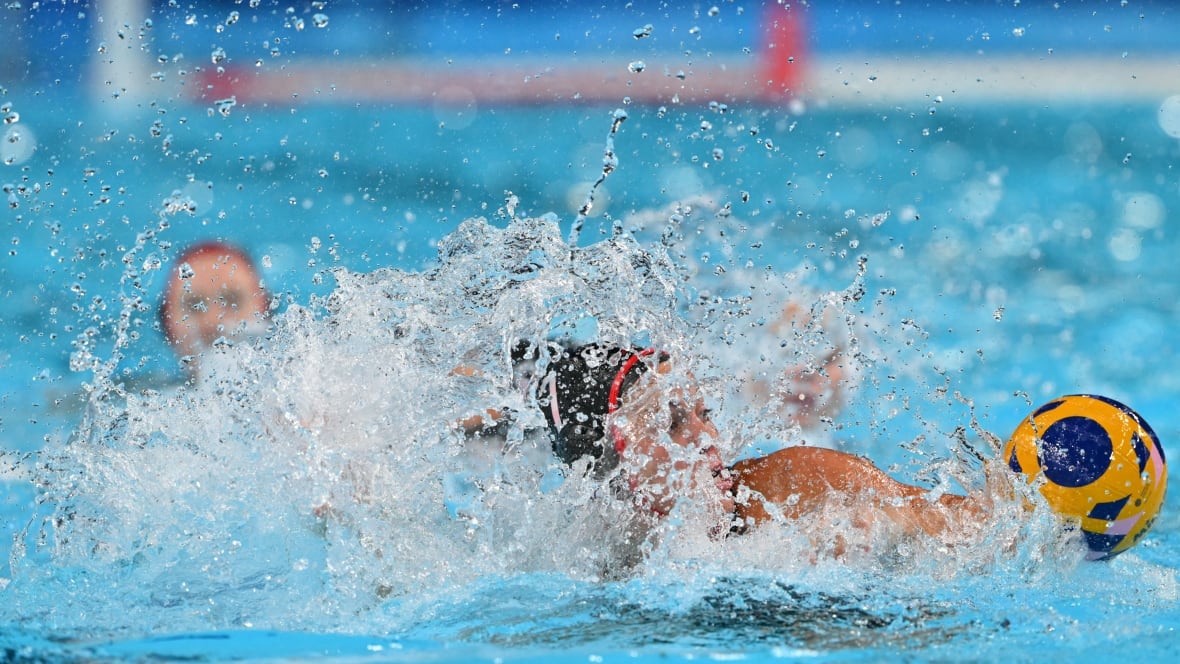
Credit: www.cbc.ca
Popular Competitions
Water polo isn’t just a thrilling game played in local pools; it boasts a calendar filled with prestigious competitions that showcase the sport’s best talents. These events attract global audiences and offer players a chance to prove their skills on the biggest stages. Understanding these competitions can deepen your appreciation of the sport and inspire you if you’re thinking about playing or following water polo seriously.
Olympic Games
The Olympic Games represent the pinnacle of water polo competition. Held every four years, this event brings together the top national teams from around the world. The intensity and skill level here are unmatched, as athletes compete not just for medals but for their country’s pride.
Watching the Olympic water polo matches can be eye-opening. The combination of speed, strategy, and stamina is incredible. You might wonder how players maintain such high energy throughout the game. The answer lies in rigorous training and teamwork, something you can notice even as a casual viewer.
World Championships
The World Championships, organized by FINA, occur every two years and feature a broader field than the Olympics. This tournament allows more countries to participate, making it a true test of global water polo prowess. It’s a great place to see emerging talents and new strategies that can influence the sport worldwide.
If you follow water polo, tuning into the World Championships can reveal how different playing styles clash and evolve. It’s where you can spot future Olympic stars and understand the game’s tactical depth. Have you ever considered how international competition shapes the way you play or watch the sport?
The Excitement Factor
Water polo offers nonstop excitement in and out of the pool. The sport mixes speed, skill, and teamwork in a thrilling way. Fans stay on the edge of their seats as the action unfolds quickly. Every moment counts, making it hard to look away.
Fast-paced Action
The game moves very fast. Players swim quickly from one end of the pool to the other. They pass and shoot the ball in seconds. Defenders block shots and steal the ball in a flash. The clock keeps ticking, pushing players to act fast. This speed keeps the energy high throughout the match.
Team Dynamics
Water polo is a true team sport. Players must work closely to score and defend. They communicate constantly to plan their moves. Each player has a role, whether attacker, defender, or goalkeeper. Success depends on trust and timing. The bond between teammates adds depth to the game’s excitement.

Credit: www.theherald.co.za
Frequently Asked Questions
What Is Water Polo Sport And How Is It Played?
Water polo is a competitive team sport played in a swimming pool. Players aim to score goals by throwing a ball into the opponent’s net. It combines swimming, ball handling, and teamwork, requiring endurance, strategy, and skill.
How Many Players Are In A Water Polo Team?
A water polo team consists of seven players in the pool: six field players and one goalkeeper. Teams also have substitutes on the bench for rotation during the game to maintain stamina and strategy.
What Are The Basic Rules Of Water Polo Sport?
Players cannot touch the pool bottom and must tread water continuously. The ball is advanced by passing or swimming with it. Physical contact is limited, and fouls lead to free throws or exclusion penalties.
Is Water Polo An Olympic Sport?
Yes, water polo has been part of the Olympics since 1900 for men and 2000 for women. It is recognized for its high intensity, teamwork, and skill, attracting global athletes and fans.
Conclusion
Water polo is a fun and fast water sport. It needs skill, strength, and teamwork. Players swim, pass, and shoot to score goals. The sport builds fitness and helps make new friends. Playing water polo keeps you active and healthy.
Many enjoy the challenge and excitement it brings. Give water polo a try and see how you like it!