What is the National Sport of Japan: Discover Its Fascinating Legacy
Have you ever wondered what the national sport of Japan is? If you think you know the answer, you might be surprised.
This sport is not just a game; it’s a deep part of Japan’s culture and history. Understanding it can give you a new perspective on Japanese traditions and values. Keep reading, and you’ll discover fascinating facts that will change how you see this unique sport and its role in Japan’s identity.
Your curiosity is about to be rewarded.
Historical Origins
The national sport of Japan is sumo wrestling, a tradition rich in history and culture. Its origins trace back over a thousand years. Sumo began as a form of ritual and entertainment for the Shinto gods. Early sumo matches were part of religious ceremonies to pray for a good harvest and peace.
Sumo evolved from simple contests of strength into a highly structured sport. It gained popularity among the samurai and nobility during the Edo period (1603-1868). Many customs seen today started during this time and have been preserved for centuries.
Ancient Rituals And Religious Roots
Sumo originated as a Shinto ritual. Matches were performed at shrines to honor the gods. The wrestlers’ movements mimic sacred dances. These rituals aimed to bring blessings and protection.
Sumo In The Heian Period
During the Heian period (794-1185), sumo was popular at the imperial court. It was both a sport and entertainment for nobles. Records from this time show sumo matches as formal events with strict rules.
Development During The Edo Period
The Edo period saw sumo become a professional sport. Wrestlers formed stables and trained intensively. The government regulated tournaments to maintain order. Many traditions, like the ring entrance ceremony, began here.
Sumo’s Role In Japanese Culture
Sumo reflects core Japanese values like respect and discipline. It connects the present with Japan’s ancient past. Its historical origins make sumo more than just a sport—it’s a cultural treasure.
Credit: www.alamy.com
Sumo Wrestling
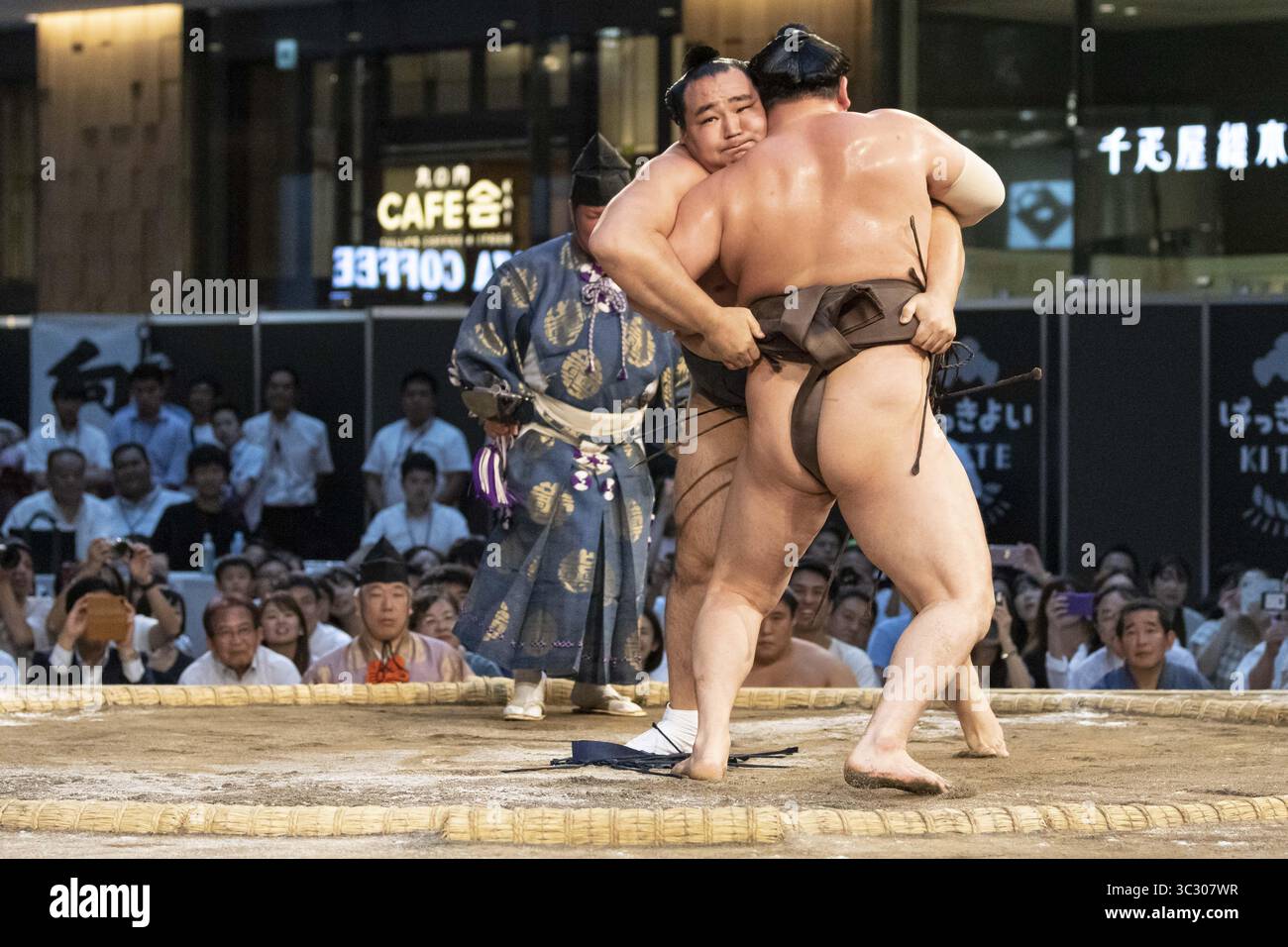
Sumo wrestling stands as Japan’s iconic national sport, deeply rooted in history and tradition. It’s more than just a physical contest; it’s a ritual that showcases strength, discipline, and cultural pride. Watching a sumo match, you’ll quickly realize it’s a unique blend of sport and ceremony that captures the spirit of Japan.
Rules And Rituals
Sumo matches are straightforward but strict. Two wrestlers face off in a circular ring called the dohyō. The goal is simple: force your opponent out of the ring or make any part of their body, other than the soles of their feet, touch the ground.
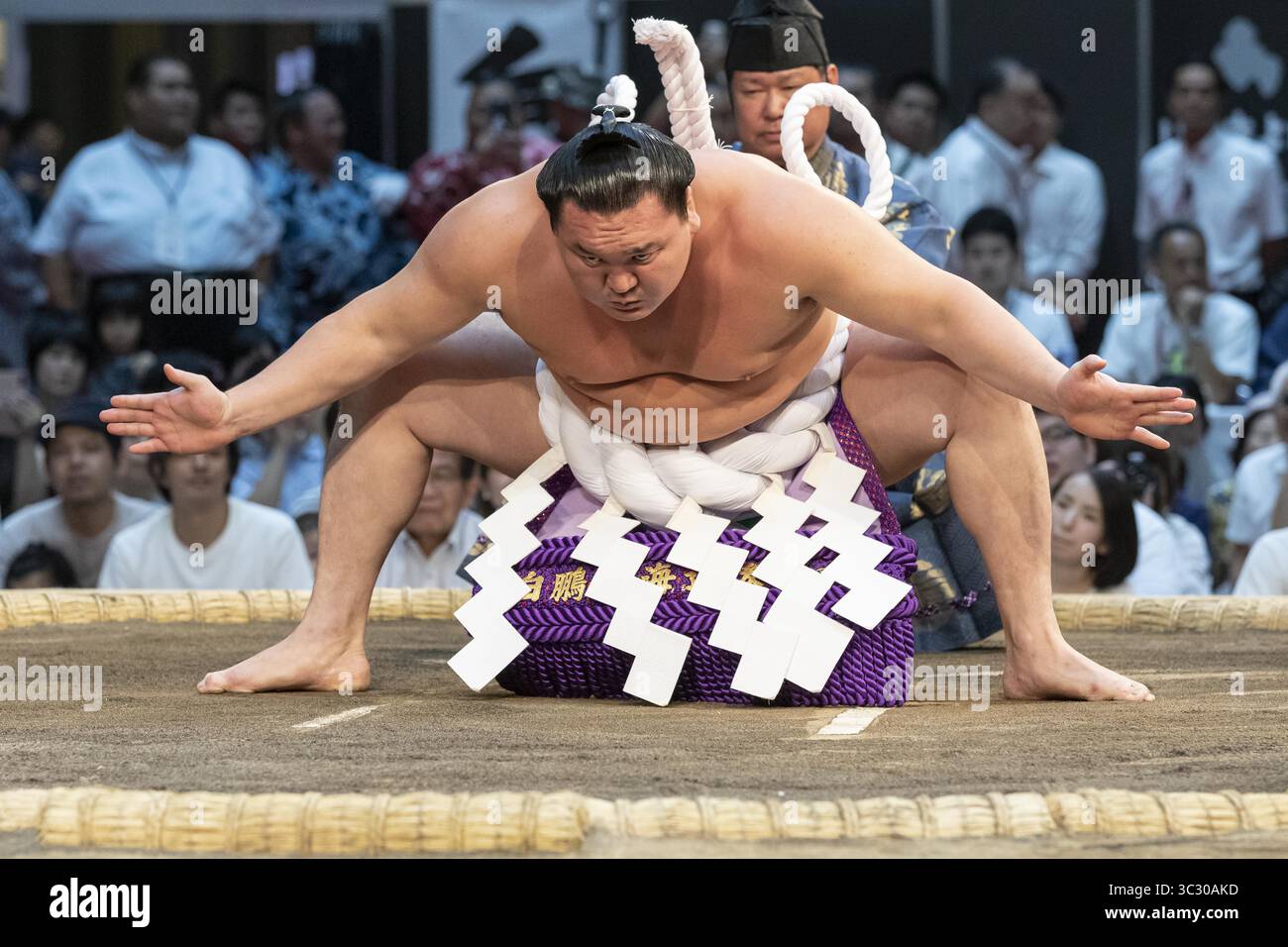
Before each match, wrestlers perform rituals that might seem unusual if you’re new to sumo. They stomp their feet to scare away evil spirits and throw salt to purify the ring. These acts aren’t just tradition; they set the tone and focus for the wrestlers.
Matches are usually quick, often lasting only a few seconds, but every movement counts. The wrestlers use skill, technique, and sometimes surprising agility despite their large size. Ever wondered how such big athletes move so fast?
Cultural Significance
Sumo is more than a sport; it’s a living symbol of Japanese culture and religion. Rooted in Shinto beliefs, many rituals in sumo come from ancient purification practices. This connection gives sumo a spiritual depth that you rarely find in other sports.
Attending a sumo tournament in Japan isn’t just about watching matches; it’s about experiencing a cultural event that dates back centuries. The wrestlers are revered like national heroes, and their discipline reflects values like respect and honor. How often do you see sports that blend physical prowess with deep cultural meaning?
Whether you’re a sports fan or a culture enthusiast, sumo invites you to witness a tradition where every throw and gesture tells a story. Next time you watch a sumo bout, try to spot the rituals and think about what they represent beyond the competition.
Evolution Over Time
The national sport of Japan has changed a lot through the years. It started with strong traditions and rituals. These shaped the sport into what it is now. The evolution shows how Japan keeps its culture alive while adapting to new times.
Changes in rules, training, and events helped the sport grow. It became more accessible to people of all ages. This has kept the sport popular across generations. The mix of old and new keeps fans interested and proud.
Modern Adaptations
Today’s version includes safety rules to protect players. Training uses new tools and techniques for better performance. Matches are organized in bigger arenas with more spectators. Technology helps with judging and scorekeeping. These changes make the sport fair and exciting.
Women and children now join more often than before. The sport’s schedule fits modern life and work hours. These updates attract new players and fans. Tradition blends well with these new ways.
International Influence
The sport spread beyond Japan’s borders over time. Many countries now practice and enjoy it. International competitions bring players from around the world. This boosts the sport’s fame and respect globally.
Foreign players learn Japanese culture through the sport. Japan also adopts ideas from other countries. This exchange helps the sport develop in fresh ways. It shows how global connections improve tradition.
Credit: www.alamy.com
Famous Tournaments
Sumo wrestling is more than just Japan’s national sport; it is a vibrant tradition that thrives through its famous tournaments. These events capture the attention of millions, showcasing raw power, skill, and centuries-old rituals. Understanding these tournaments gives you a deeper appreciation of sumo’s place in Japanese culture and how it still excites fans worldwide.
Annual Competitions
Japan hosts six major sumo tournaments each year, known as honbasho. These competitions occur every two months, rotating between Tokyo, Osaka, Nagoya, and Fukuoka. Each tournament lasts 15 days, where wrestlers compete daily to climb the ranks.
The Tokyo tournaments at Ryogoku Kokugikan are especially famous, often filled with the largest crowds and intense media coverage. Have you ever wondered what it feels like to witness a match live, surrounded by the roar of passionate fans? Attending one can transform your view of the sport entirely.
Notable Champions
Sumo’s history is marked by legendary champions whose names echo through time. Wrestlers like Taiho, Chiyonofuji, and Hakuho have set records with their incredible strength and consistency. Hakuho, for instance, holds the most top-division championships ever won, making him a true icon.
These champions don’t just win matches; they inspire millions. Their dedication and resilience show what it takes to reach the top in this demanding sport. If you follow sumo, tracking these athletes’ careers can give you insight into the sport’s evolving challenges and triumphs.
Impact On Japanese Society
The national sport of Japan deeply influences its society in many ways. It brings people together and teaches important values. The sport creates a strong sense of belonging and pride among the Japanese. It also helps preserve cultural traditions and promotes healthy living. Schools and communities actively support the sport, making it part of daily life.
Community Engagement
The sport encourages people to join clubs and local events. Many neighborhoods hold competitions and festivals. These gatherings foster friendships and teamwork. Older generations share skills with younger ones. This connection keeps the culture alive and strong. People feel united through shared experiences and goals.
Educational Programs
Schools include the sport in their curriculum. Students learn discipline, respect, and focus through practice. Teachers use the sport to teach life skills and cooperation. Special programs help children develop confidence and fitness. These lessons prepare students for challenges beyond school. The sport acts as a tool for personal growth and education.
Preservation Efforts
Preserving the national sport of Japan is a priority for many groups. These efforts keep the tradition alive for future generations. Various organizations work hard to protect and promote this cultural treasure.
Government Initiatives
The Japanese government plays a key role in preserving the national sport. It provides funding for training and events. Schools include the sport in their physical education programs. Special laws help protect historic venues and artifacts. Public campaigns raise awareness about its cultural value.
Cultural Organizations
Cultural groups actively support the sport’s traditions. They organize tournaments and workshops for all ages. Experts teach the history and rules to newcomers. Museums display important items and documents. These organizations connect local communities with the sport’s heritage.
Future Of Sumo Wrestling
The future of sumo wrestling holds many questions and hopes. This ancient sport faces changes in culture and society. Sumo must adapt to stay alive and popular. The next generations will shape sumo’s path forward.
Challenges And Opportunities
Sumo wrestling faces challenges from health concerns and modern lifestyles. Wrestlers must maintain strict diets and training. This can be hard for younger people. The sport also competes with global entertainment for attention.
Opportunities appear in promoting sumo worldwide. New media and technology help reach more fans. International tournaments and cultural events can boost sumo’s profile. There is a chance to blend tradition with modern appeal.
Youth Participation
Youth involvement is key to sumo’s survival. Schools and clubs offer sumo programs for children. These programs teach discipline and respect. They also make sumo fun and accessible.
Encouraging young people to join is vital. Role models and positive stories attract youth. Support from communities and families helps too. Without youth participation, sumo’s future looks dim.

Credit: cooljapan-videos.com
Frequently Asked Questions
What Is The National Sport Of Japan?
Sumo wrestling is the national sport of Japan. It has deep cultural roots and is recognized officially.
Why Is Sumo Considered Japan’s National Sport?
Sumo reflects Japanese traditions, Shinto rituals, and history, making it a cultural symbol.
How Popular Is Sumo In Modern Japan?
Sumo remains highly popular, with professional tournaments held six times annually nationwide.
Are There Other Traditional Sports In Japan?
Yes, judo and kendo are also traditional Japanese sports with global recognition.
Conclusion
Sumo wrestling stands as Japan’s national sport, rich in history and culture. It reflects deep traditions and values that many respect. People worldwide watch sumo with great interest and admiration. The sport connects past and present in a unique way.
Understanding sumo helps you appreciate Japan’s heritage better. It is more than just a sport—it is a symbol of Japan itself. Exploring sumo gives insight into Japanese society and customs. This ancient sport remains alive and important today.