Is Cheer a Sport? Debunking the Myth and Setting the Record Straight
Have you ever wondered if cheer is truly a sport? Maybe you’ve seen cheerleaders performing incredible flips and stunts and asked yourself, “Does this count as athletic competition?” You’re not alone.
The answer might surprise you and change the way you see cheerleading forever. Stick with me, and by the end of this article, you’ll understand exactly why cheer deserves a spot in the world of sports—and how it challenges what you thought you knew.
Ready to find out? Let’s dive in.

Credit: cheertheory.com
Historical Evolution Of Cheerleading
Cheerleading has come a long way from its early days. It began as a simple way to boost team spirit. Over time, it grew into a complex activity with athletic moves and routines. The evolution of cheerleading shows its journey from a sideline activity to a competitive sport.
The Origins Of Cheerleading
Cheerleading started in the late 1800s. It began with men leading cheers at college sports events. The first organized cheer was at a college football game in 1898. These early cheers were simple chants and claps to encourage teams.
Growth And Inclusion Of Women
Women joined cheerleading in the 1920s. Their involvement increased during World War II. With many men at war, women took a bigger role in schools and sports. This shift helped cheerleading become more popular and diverse.
Introduction Of Stunts And Tumbling
In the 1940s and 1950s, cheerleading added new moves. Stunts, pyramids, and tumbling became part of routines. These changes made cheerleading more exciting and athletic. Teams began training hard to perform these skills safely.
By the 1970s, cheerleading started to be seen as a sport. Competitions with judged routines became common. Teams showed skills in jumps, stunts, and dance. Cheerleading gained recognition for its athletic demands and teamwork.
Modern Cheerleading Today
Today, cheerleading combines athleticism, artistry, and teamwork. It includes both sideline support and competitive events. Athletes train year-round to improve strength and skills. The sport continues to evolve with new techniques and rules.
Credit: www.facebook.com
Cheerleading As A Competitive Sport
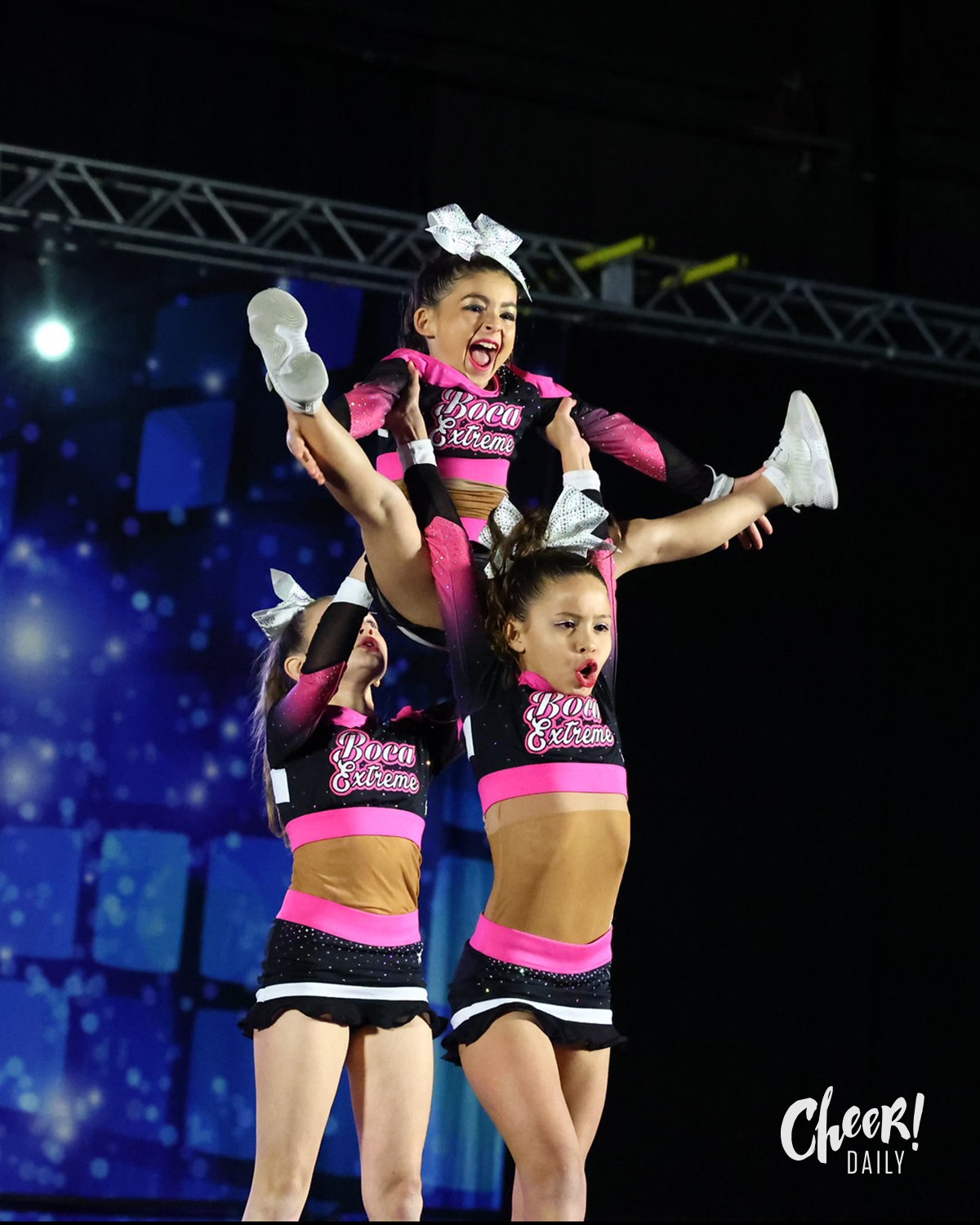
Cheerleading has transformed far beyond the sideline performances you might have seen at sports games. Today, it demands a high level of dedication, precision, and athletic skill, especially in its competitive form. Understanding cheerleading as a competitive sport helps you appreciate the hard work and passion behind those dynamic routines.
Competitions And Championships
Competitive cheerleading features numerous events where teams face off to showcase their best routines. These competitions often include regional, national, and even international championships. Each event challenges teams to push their limits and deliver flawless performances under pressure.
Have you ever wondered what it takes to win at these high-stakes events? Teams are judged on various criteria like synchronization, difficulty of stunts, and overall presentation. This structure ensures that every aspect of the routine matters, making it a true test of skill and teamwork.
Skill And Athleticism Required
The athleticism needed in cheerleading rivals that of many traditional sports. You need strength for lifts and stunts, agility for tumbling, and endurance to keep energy levels high throughout the routine. The precision required to perform complex moves safely is immense.
Think about the timing and trust involved when a flyer is tossed into the air—one small mistake could lead to injury. This shows how important practice, physical conditioning, and mental focus are. If you want to see real athleticism, watching a competitive cheer routine can change your perspective on the sport entirely.
Physical Demands Of Cheerleading
Cheerleading demands strength, stamina, and skill. Athletes push their bodies hard to perform jumps, lifts, and tumbling. Every routine requires careful preparation to build the necessary physical power. Understanding these demands shows why cheerleading qualifies as a sport.
Training And Conditioning
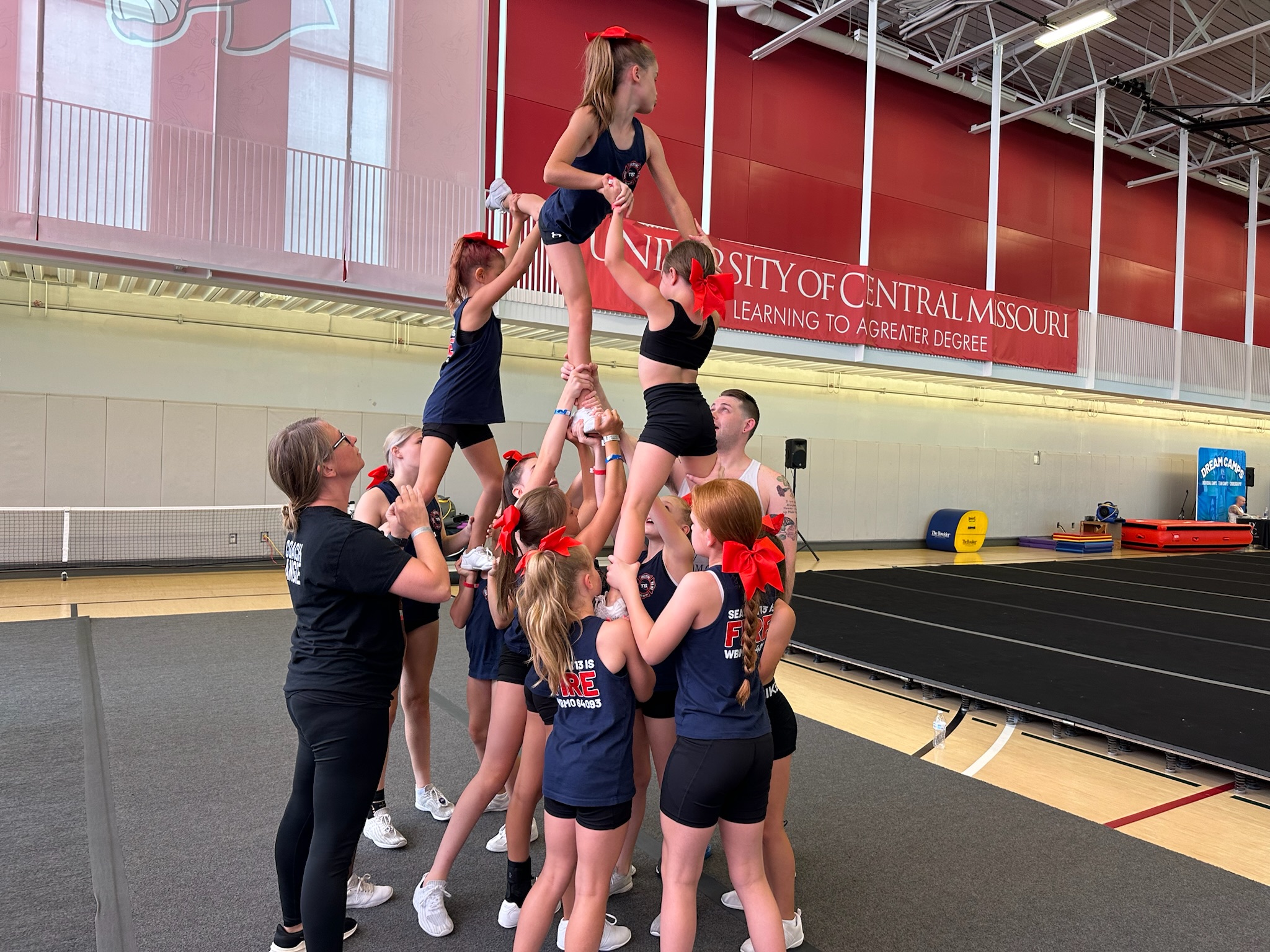
Cheerleaders train regularly to improve strength and flexibility. Workouts include cardio exercises to boost endurance. They practice tumbling to build coordination and balance. Conditioning focuses on core muscles to support lifts and stunts. Stretching reduces muscle tightness and risk of injury. Consistent training helps cheerleaders perform difficult moves safely.
Injury Risks And Safety Measures
Cheerleading involves high-impact jumps and stunts. This raises the risk of sprains, fractures, and strains. Proper technique is vital to avoid injuries. Teams use mats and safety gear during practice. Spotters assist during complex lifts and throws. Coaches emphasize warm-ups and cool-downs to protect muscles. Awareness and care reduce injury chances significantly.
Credit: twistersports.com
Cheerleading’s Recognition As A Sport
Cheerleading’s status as a sport has grown over the years. It combines physical strength, skill, and teamwork. This evolution has pushed organizations and legal systems to recognize cheerleading officially. The journey highlights its athleticism and complexity beyond just supporting other sports.
Official Organizations And Regulations
Several organizations govern cheerleading at different levels. They set rules for safety, competition, and training. The International Cheer Union (ICU) acts as the world body for cheerleading. It promotes global standards and organizes championships. In the United States, USA Cheer serves as the national governing body. These groups ensure cheerleading meets sport criteria through structured regulations.
Legal Status And Advocacy
Legal recognition varies across states and countries. Some classify cheerleading as a sport in schools and colleges. Others still see it as an activity or club. Advocacy groups push for uniform recognition due to cheerleading’s risks and athletic demands. Court cases and petitions highlight the need for equal funding and safety rules. This ongoing effort helps cheerleading gain respect as a true sport.
Comparisons With Other Sports
Cheerleading shares many traits with other sports, yet it often faces unique challenges in acceptance. Comparing cheer to traditional sports reveals both common ground and differences. These insights help clarify whether cheer fits the definition of a sport.
Similarities In Structure And Goals
Cheerleading has clear rules and organized competitions. Teams practice regularly and train hard. Like other sports, cheerleaders aim to perform precise routines. Strength, agility, and coordination are vital skills. Scoring systems judge performance based on difficulty and execution. Success depends on teamwork and individual effort. Injuries are common due to the physical demands. Coaches guide athletes to improve skills and strategy. These elements mirror sports such as gymnastics and dance.
Public Perception And Misconceptions
Many people see cheer as just a sideline activity. This view overlooks its physical rigor and competitive nature. Some think cheerleaders only support other sports. Others assume cheer lacks athleticism or complexity. Media often portrays cheer as fun but not serious. These perceptions cause cheer to be undervalued. Education about cheer’s demands can shift opinions. Awareness grows as cheer gains recognition in official sport events. Changing minds takes time and clear examples.
Impact Of Cheerleading Beyond Sports
Cheerleading impacts more than just sports competitions. It creates strong social bonds and shapes cultural views. The influence of cheerleading reaches far beyond the gym or field. It helps build communities and changes how people see athletes and performers.
Community And Team Building
Cheerleading fosters a sense of belonging among participants. Teams work together closely to achieve common goals. Trust and cooperation are key parts of every routine. This teamwork teaches valuable life skills like communication and support.
Cheerleaders often become part of a tight-knit community. They share experiences that build friendships and confidence. This connection helps members feel valued and motivated. Cheerleading also encourages respect for others and discipline.
Cultural Influence And Media Representation
Cheerleading shapes how society views female athletes and performers. It challenges old stereotypes about strength and femininity. Media shows cheerleaders as skilled, dedicated, and powerful. This helps change public opinion and promote diversity in sports.
TV shows and movies bring cheerleading into popular culture. They highlight the hard work behind the performances. This exposure inspires young people to pursue cheerleading seriously. It also raises awareness about the sport’s complexity and athleticism.
Frequently Asked Questions
Is Cheerleading Considered A Competitive Sport?
Yes, cheerleading is considered a competitive sport. It involves athletic skills, teamwork, and judged routines. Many organizations recognize it as a sport.
What Skills Make Cheerleading A Sport?
Cheerleading requires strength, agility, coordination, and teamwork. Athletes perform stunts, tumbling, and dance, showcasing athleticism and discipline.
How Is Cheerleading Judged In Competitions?
Judges score cheerleading based on difficulty, execution, creativity, and synchronization. Safety and technique are also key factors during evaluation.
Does Cheerleading Require Physical Fitness?
Absolutely, cheerleading demands high physical fitness. Participants need endurance, flexibility, strength, and balance to perform routines safely and effectively.
Conclusion
Cheer requires strength, skill, and teamwork like many sports. Athletes train hard and compete with passion. It combines dance, gymnastics, and stunts into one event. Judges score routines based on difficulty and execution. People debate its status, but cheer shares many sport qualities.
It builds discipline, fitness, and confidence in participants. So, cheer deserves respect as a true athletic activity. What do you think about cheer as a sport?