What is the Sport Handball: Ultimate Guide to Rules & Tips
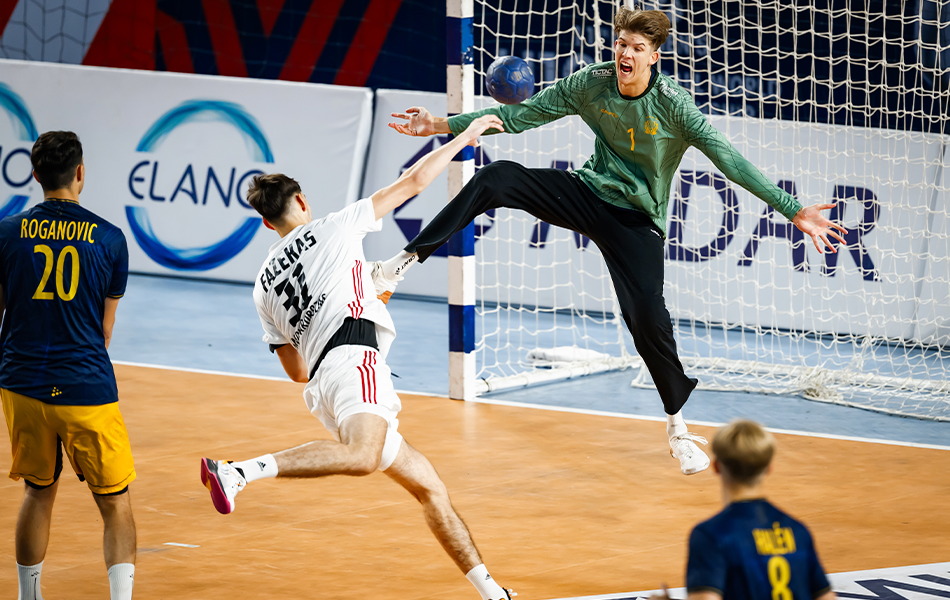
Have you ever wondered what makes sport handball so exciting and fast-paced? If you’re looking for a game that combines speed, skill, and teamwork, handball might just be the perfect sport for you to explore.
Whether you’re a sports fan or someone curious about trying something new, understanding what handball is and how it works can open up a whole new world of energy and competition. Keep reading, and you’ll discover why handball is capturing the attention of players and fans around the globe—and how it could be your next favorite sport.
Credit: www.facebook.com
Origins Of Handball
Handball has a rich history that dates back centuries. Its origins reveal how the sport evolved through different cultures and regions. Understanding where handball began helps appreciate its global appeal today.
Early Forms Of Handball In Ancient Civilizations
Handball-like games were played in ancient times. Egyptians, Greeks, and Romans enjoyed ball games using their hands. These early versions involved hitting or throwing a ball toward a target.
Though rules varied, the core idea was similar: using hands to control the ball. These games often took place outdoors and were part of festivals or military training.
The Development Of Modern Handball In Europe
Modern handball began to take shape in Europe during the 19th century. Various countries created their own versions, combining elements of football, basketball, and rugby.
Germany, Denmark, and Sweden were key players in formalizing the sport. Schools and sports clubs started promoting handball as a team game with clear rules.
Official Rules And International Recognition
The first official handball rules appeared in the early 20th century. The sport gained popularity in Europe and spread worldwide over time.
International bodies established standard rules to unify the game. Handball became part of the Olympic Games in 1936 for men and 1976 for women.

Credit: english.ahram.org.eg
Basic Rules
Sport handball is a fast and exciting team sport. It combines skills from basketball and soccer. The basic rules help keep the game fair and fun. Understanding these rules makes watching or playing more enjoyable.
Court Layout
The court is a rectangular shape, 40 meters long and 20 meters wide. It has two goals, one at each end. The goal area is a 6-meter zone in front of each goal. Only the goalkeeper can stay inside this area. Players move around the court to pass and shoot the ball.
Game Duration
A standard handball game lasts 60 minutes. It is divided into two halves of 30 minutes each. There is a 10 to 15-minute break between halves. If the game is tied and a winner is needed, extra time can be played.
Scoring System
Players score by throwing the ball into the opponent’s goal. Each goal is worth one point. The team with the most points at the end wins. Players must shoot from outside the goal area to score.
Player Positions
In sport handball, each player has a clear role on the court. Understanding player positions helps you follow the action better. Every position has unique tasks that contribute to the team’s success.
Goalkeeper
The goalkeeper guards the goal and stops shots from the opponents. This player needs quick reflexes and strong focus. They also start attacks by passing the ball after a save.
Field Players
Field players handle the ball and try to score goals. They move fast, pass, and shoot with skill. These players include wings, backs, and pivots. Wings play near the sides, backs shoot from distance, and pivots work close to the goal.
Specialist Roles
Some players have special roles based on their skills. For example, a defensive specialist focuses on stopping attacks. Others may be experts in fast breaks or organizing the offense. These roles help balance the team’s strengths and weaknesses.
Essential Skills
Sport handball demands a mix of physical and mental skills. Players must develop key abilities to perform well. These essential skills include passing, shooting, and defense. Each skill plays a crucial role during the fast-paced game.
Passing Techniques
Accurate passing moves the ball quickly between teammates. Players use different passes depending on the situation:
- Chest pass: A strong, direct throw from chest height.
- Bounce pass: The ball bounces on the floor before reaching a teammate.
- Overhead pass: Thrown from above the head for longer distance.
- Sidearm pass: A quick, low throw to avoid defenders.
Good passing keeps the ball moving and creates scoring chances.
Shooting Styles
Shooting requires precision and power to score goals. Players use various shooting methods:
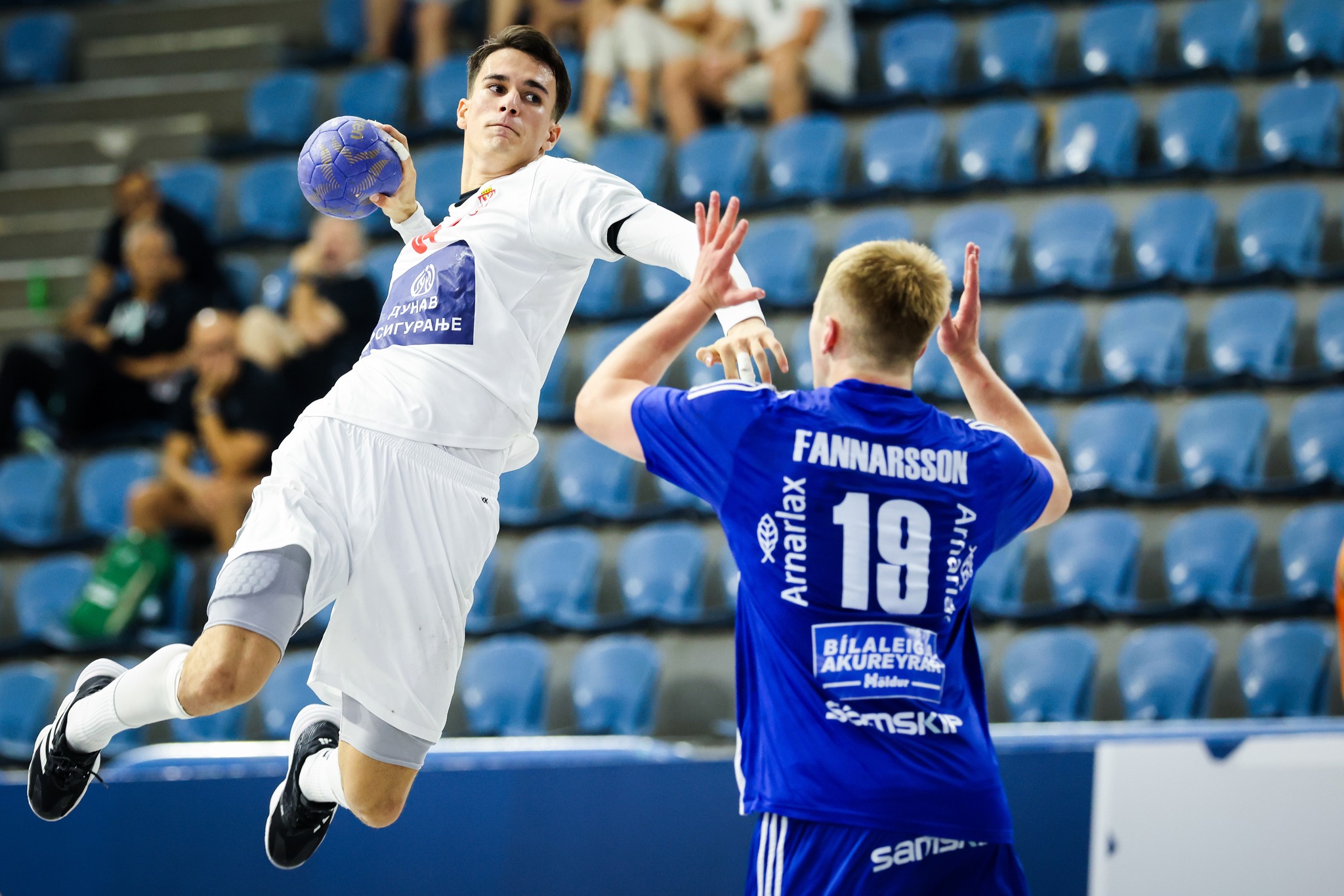
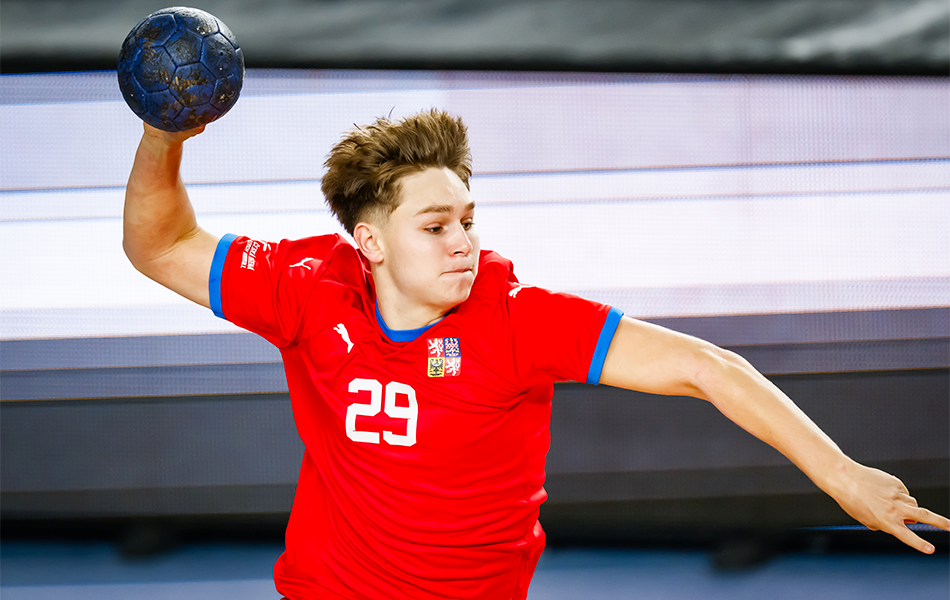
- Jump shot: Shooting while jumping to avoid blockers.
- Standing shot: A quick shot without jumping, for accuracy.
- Spin shot: The ball spins to confuse the goalkeeper.
- Lob shot: A high, arcing shot over the goalie.
Choosing the right shot depends on the player’s position and defense.
Defensive Strategies
Defense stops opponents from scoring. It needs teamwork and smart moves. Common defensive techniques include:
- Man-to-man: Each defender marks a specific opponent closely.
- Zone defense: Players cover assigned areas on the court.
- Blocking: Using arms and body to block shots and passes.
- Interceptions: Anticipating passes to take the ball away.
Strong defense forces mistakes and creates chances to attack.
Equipment Needed
Getting the right equipment is key to enjoying sport handball fully. The gear you choose affects your comfort, safety, and performance on the court. Let’s look closely at what you need to play like a pro.
Ball Specifications
The handball itself is smaller than a soccer ball but bigger than a tennis ball. It typically measures between 58 and 60 cm in circumference for men and slightly smaller for women and youth players.
The ball must be easy to grip and control, which is why many come with a slightly sticky surface. If you’ve ever tried handling a slippery ball, you know how important this is for quick passes and shots.
Protective Gear
Handball is a fast-paced game with lots of physical contact, so protection matters. Most players wear knee pads to cushion falls and elbow pads to prevent bruises.
Goalkeepers often add extra padding and sometimes headgear because they face high-speed shots. Do you consider protection only after an injury? Try adding it early to stay in the game longer.
Footwear
Your shoes can make or break your handball experience. Handball shoes have non-marking soles designed for indoor courts, offering grip and quick turns without slipping.
Unlike running shoes, these have enhanced ankle support to prevent injuries during sudden jumps or stops. Have you noticed how much better you move when your shoes fit the sport perfectly?
Training Tips
Training for handball is about more than just playing the game. It requires a focused approach to build your fitness, sharpen your skills, and understand your role within the team. Getting these right can make a noticeable difference in your performance on the court.
Fitness Regimen
Your body is your most important tool in handball. To stay competitive, focus on exercises that improve your endurance, strength, and agility. Sprint intervals, jumping drills, and core workouts are essential because handball demands quick bursts of speed and explosive power.
Don’t ignore recovery days. Overtraining can lead to injuries that keep you off the court. I once pushed too hard without rest and ended up sidelined for weeks—something you want to avoid.
Skill Drills
Practicing ball control and passing under pressure can set you apart. Try drills like wall passes, dribbling through cones, and quick catch-and-throw exercises. They build your coordination and reaction time.
Challenge yourself by adding a time limit or competing with a teammate. This simulates game intensity and helps you adjust to real match conditions. What specific skill do you find most challenging? Focus your drills there.
Team Dynamics
Handball is a team sport, so understanding your teammates’ strengths and playing styles is crucial. Spend time communicating and practicing set plays together. This builds trust and improves your collective strategy.
During games, pay attention to how your team moves and adapts. Can you anticipate their next move? Developing this awareness can give you the edge in tight situations.
Popular Handball Tournaments
Handball isn’t just a thrilling sport to watch or play; it features some of the most exciting tournaments worldwide. These events bring together top teams, showcasing skill, speed, and strategy. Understanding where these competitions happen can deepen your appreciation for handball and maybe even inspire your next game or trip.
World Championships
The World Championships are the pinnacle for national handball teams. Held every two years, they attract fierce competition from all over the globe. Watching these matches, you see the highest level of talent and tactics, where every goal matters.
Did you know that the International Handball Federation (IHF) organizes these championships? This ensures consistency and global reach, making the event a true test of skill and endurance. Imagine the intensity players feel stepping onto that court, knowing they represent their entire country.
Olympic Games
Handball has been an Olympic sport since 1972 for men and 1976 for women. The Olympics offer a unique stage because they combine global attention with national pride. The pressure and excitement here often push athletes to outperform their limits.
Watching handball at the Olympics is different from other tournaments; the atmosphere is electric, and every match can change the medal outcome. Have you ever considered how competing under such pressure might affect a player’s performance?
Regional Competitions
Regional tournaments like the European Handball Championship or the Pan American Games provide critical platforms for teams to qualify for global events. These competitions are often where new talents emerge and veterans prove their consistency.
They also offer you a chance to catch thrilling matches closer to home or within familiar cultural contexts. If you’re looking to follow handball more closely, regional games can be a perfect way to start—offering high stakes and passionate crowds without the overwhelming scale of world tournaments.
Handball In Different Cultures
Handball is more than just a fast-paced sport; it reflects the cultural spirit of the places where it thrives. Understanding how handball fits into different cultures helps you appreciate its global appeal and unique local flavors. Have you noticed how a sport can carry the identity of a region? Handball does exactly that, adapting and evolving as it crosses borders.
European Influence
Europe is the heartbeat of handball. Countries like Germany, France, and Denmark have made handball a part of everyday life, with professional leagues and passionate fans filling arenas. The sport often feels like a communal event, where families gather to cheer and celebrate skill and teamwork.
In these nations, handball isn’t just a game; it’s a tradition. Schools prioritize it alongside football and basketball, creating a pipeline of talent from a young age. If you’ve ever watched a European handball match, you’d notice how tactical and fast the game moves—showing a blend of discipline and creativity unique to the region.
Growing Popularity In Other Regions
Outside Europe, handball is carving out its own space. In places like Asia, Africa, and the Americas, the sport is gaining momentum through grassroots programs and international competitions. Local communities are eager to embrace handball as it offers a dynamic alternative to more established sports.
Countries such as Egypt and Brazil have emerged as strong contenders on the world stage, showing that handball’s appeal is truly global. What’s exciting is how local styles influence the game’s development, mixing traditional techniques with handball’s fast pace. If you’re in a region where handball is still new, consider joining a local club—you might be part of the next big wave.
Benefits Of Playing Handball
Playing handball offers more than just fun and competition. It delivers multiple benefits that impact your body, mind, and social life. Whether you’re looking to boost your health or meet new people, handball can be a great choice.
Physical Fitness
Handball is a fast-paced sport that keeps you moving constantly. It helps improve your cardiovascular health, strength, and agility. You’ll notice your endurance and coordination getting better as you play regularly.
Have you ever felt the rush of sprinting across the court, dodging opponents? That’s handball training your muscles and reflexes without it feeling like a workout.
Mental Health
Handball requires quick thinking and strategy, which sharpens your focus and decision-making skills. Playing helps reduce stress and anxiety by keeping your mind engaged in the game.
Think about how a good match can lift your mood after a tough day. The mental challenge combined with physical activity creates a powerful boost for your overall well-being.
Social Interaction
Handball brings people together, making it easy to build friendships and teamwork skills. You learn to communicate and trust your teammates to reach common goals.
Joining a handball team can expand your social circle and provide a sense of belonging. Have you experienced the energy of a team celebrating a well-played game? That connection often lasts beyond the court.
Credit: www.ihf.info
Frequently Asked Questions
What Is The Sport Handball?
Handball is a fast-paced team sport where players pass and throw a ball to score goals. It combines elements of basketball and soccer and is played indoors on a court.
How Many Players Are On A Handball Team?
A handball team has seven players on the court, including one goalkeeper. Teams also have substitutes for tactical changes during the game.
What Are The Basic Rules Of Handball?
Players pass the ball using their hands and aim to score in the opponent’s goal. Physical contact is limited, and games are divided into two 30-minute halves.
Where Did Handball Originate?
Handball originated in Europe in the late 19th century. It became popular in countries like Germany, Denmark, and Sweden before spreading worldwide.
Conclusion
Sport handball is a fast and exciting team sport. It combines running, jumping, and throwing skills. Players work together to score goals and defend their side. This sport builds fitness, coordination, and teamwork. Many people enjoy handball for its energy and fun.
Whether you play or watch, handball offers great action. Give it a try and see how thrilling it can be. The sport welcomes everyone, from beginners to experts. Handball truly brings people together through friendly competition and exercise.