Is Skeet Shooting an Olympic Sport: Discover the Facts
Have you ever wondered if skeet shooting is part of the Olympic Games? If you’re curious about whether this fast-paced, skillful sport earns its place on the world’s biggest stage, you’re in the right place.
Understanding the connection between skeet shooting and the Olympics can change the way you see the sport—and maybe even inspire you to try it yourself. Keep reading to discover the truth behind skeet shooting’s Olympic status and what makes it so special.
Skeet Shooting Basics
Skeet shooting is a popular sport that tests accuracy and speed. It involves shooting clay targets that fly through the air at high speeds. The sport requires focus, quick reflexes, and steady hands. Understanding the basics of skeet shooting helps appreciate its challenge and skill.
How Skeet Shooting Works
Skeet shooting uses two machines called “traps” to launch clay targets. These targets fly from opposite sides in a crossing path. Shooters stand at eight different stations arranged in a half circle. Each station offers different angles and speeds of the targets. Shooters aim to hit the clay before it falls to the ground.
Equipment Used
- Shotgun:A lightweight, smoothbore shotgun is most common.
- Clay Targets:Discs made from biodegradable material.
- Protective Gear:Eye and ear protection are essential.
- Ammunition:Shotshells loaded with small pellets.
- Trap Machines:Devices that launch the clay targets.
Rules And Scoring
Shooters take turns shooting at targets from each station. Each round has a set number of targets. A hit counts as one point, a miss scores zero. The goal is to hit as many targets as possible. Scores are added up to determine the winner. The player with the highest score wins the match.
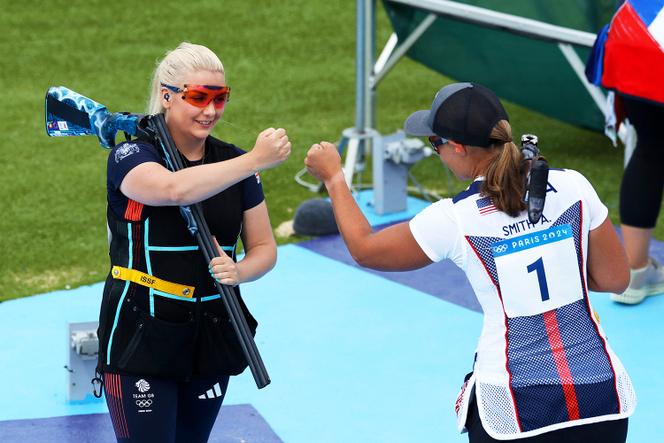
Credit: www.lemonde.fr
Skeet Shooting In The Olympics
Skeet shooting has captured the attention of sports enthusiasts worldwide, but how well do you know its place in the Olympics? This precision sport tests a shooter’s accuracy and timing as clay targets whiz through the air. Understanding its Olympic journey reveals not only the sport’s evolution but also highlights the skills and dedication required to compete at the highest level.
When It Became An Olympic Event
Skeet shooting officially became part of the Olympic program in 1968 at the Mexico City Games. Before that, shooting sports were present but skeet was not included. Since its introduction, it has remained a consistent feature, reflecting growing global interest.
It’s interesting to note that skeet was initially a male-only event. Women competed alongside men until 1992, after which separate women’s skeet events were introduced. This change boosted participation and visibility for female shooters worldwide.
Olympic Skeet Shooting Format
The Olympic skeet shooting format is designed to test consistency and composure under pressure. Competitors shoot at clay targets launched from two houses—high and low—across eight stations arranged in a semicircle.
The event includes a qualification round followed by a final. You’ll see shooters aiming at 125 targets during qualification, with the top six advancing to the final round. The final then determines the medalists with a series of elimination stages.
Precision is key. Each missed target can mean the difference between a medal and an early exit. Have you ever wondered what it feels like to maintain such focus amid roaring crowds and high stakes?
Notable Olympic Champions
Some Olympic champions have become legends in skeet shooting. For example, Kim Rhode from the USA has won multiple Olympic medals across six consecutive Games, showcasing remarkable longevity and skill.
Another standout is Vincent Hancock, also from the USA, who clinched gold medals in 2008, 2012, and 2016. Their achievements highlight the dedication and mental toughness required in this sport.
These champions inspire countless athletes. If you’re considering skeet shooting, their stories show that with practice and focus, reaching Olympic heights is possible.
Differences Between Olympic And Recreational Skeet
Skeet shooting exists in both Olympic and recreational forms. Both involve shooting clay targets, but the rules and challenges differ. These differences affect the experience and skills required. Understanding these helps appreciate the sport better.
Target Speeds And Angles
Olympic skeet targets fly faster than recreational ones. The angles in Olympic skeet change more quickly. Shooters must react faster and adjust their aim precisely. Recreational skeet offers slower targets and simpler angles. This makes it easier for beginners to enjoy the sport.
Competition Levels
Olympic skeet is highly competitive with strict rules. Competitors shoot in rounds with set numbers of targets. Scores determine who advances and wins medals. Recreational skeet is more casual. Players can choose their pace and number of targets. It focuses on fun and skill-building.
Equipment Variations
Olympic shooters use specially designed shotguns. These guns are lighter and more balanced for quick shooting. Ammunition in Olympic skeet is also regulated for consistency. Recreational shooters have more freedom in gun choice. This allows for personal preference and budget considerations.

Credit: www.defense.gov
Qualifying For Olympic Skeet Shooting
Qualifying for Olympic skeet shooting demands skill, focus, and dedication. Athletes undergo a strict process to earn their spot on the Olympic team. This process tests their ability to perform under pressure and maintain consistency in their shooting.
Understanding the qualifying journey helps appreciate the effort behind every Olympic skeet shooter. It involves meeting selection standards, following rigorous training, and competing internationally to prove one’s readiness.
Selection Criteria
National shooting federations set clear rules for Olympic selection. Athletes must achieve high scores in national trials. Consistency and past performance in major events also matter. Age and physical fitness are considered. Only top shooters receive invitations to represent their country.
Training Regimens
Training focuses on improving accuracy and reaction time. Shooters practice daily with live targets. Mental preparation includes concentration exercises and stress control techniques. Physical fitness programs enhance stamina and stability. Coaches track progress and adjust routines regularly.
International Competitions
Competing abroad exposes shooters to global talent and pressure. Major events include World Cups and World Championships. Performance in these contests affects world rankings and Olympic qualification. Athletes gain experience in different environments and weather conditions. Success here boosts confidence and reputation.
Future Of Skeet Shooting In The Olympics
The future of skeet shooting in the Olympics holds promise and some challenges. The sport has a rich history and remains a test of skill and precision. Changes in rules, trends in popularity, and new event formats will shape its path forward. These factors influence how skeet shooting will fit into the Olympic program.
Recent Changes In Rules
Olympic skeet shooting rules have evolved to improve fairness and excitement. The target release speed has been adjusted to challenge shooters more. Scoring systems have become clearer, helping audiences follow the competition easily. Gender equality has increased with more mixed team events introduced. These changes aim to keep the sport fresh and engaging for athletes and fans.
Popularity And Viewership Trends
Skeet shooting attracts dedicated fans worldwide. Broadcasts show a steady viewership, especially during the Olympic Games. The sport appeals to those who enjoy precision and calm under pressure. Online platforms have helped reach younger audiences through highlights and tutorials. Maintaining and growing this interest is vital for its Olympic future.
Potential For New Formats
New formats could make skeet shooting more exciting and accessible. Faster-paced rounds or team relays might draw larger crowds. Mixed-gender events promote inclusivity and teamwork. Shorter events could fit better into tight Olympic schedules. These innovations help keep the sport relevant and appealing to a broad audience.

Credit: claytargetinstruction.com
Frequently Asked Questions
Is Skeet Shooting Included In The Olympics?
Yes, skeet shooting is an Olympic sport. It tests shooters’ accuracy in hitting clay targets launched from two fixed stations.
What Are The Olympic Skeet Shooting Rules?
Shooters aim at 25 targets per round, shot from high and low houses. Scoring depends on the number of targets hit.
How Is Olympic Skeet Shooting Scored?
Each hit target scores one point. The highest total in qualification rounds advances shooters to finals for medals.
When Was Skeet Shooting Introduced To Olympics?
Skeet shooting became an Olympic event in 1968. It has been a consistent part of the Summer Games since then.
Conclusion
Skeet shooting tests skill and focus under pressure. It holds a respected place in Olympic shooting sports. Athletes train hard to compete on this global stage. The sport challenges both speed and accuracy. Many enjoy watching the quick pace and precision.
Skeet shooting’s Olympic presence shows its worldwide appeal. Fans appreciate the mix of tradition and excitement. It remains a thrilling sport for shooters and viewers alike.