Is Rowing an Olympic Sport: Discover Its Thrilling Legacy
Have you ever wondered if rowing is part of the Olympic Games? If you’re curious about this sport and its place on the world’s biggest athletic stage, you’re in the right place.
Understanding whether rowing is an Olympic sport can open your eyes to its history, the skills it demands, and why it captures the attention of athletes and fans alike. Keep reading, and you’ll discover surprising facts that might just change how you see this powerful and graceful sport.
Credit: www.olympics.com
Rowing In The Olympic Games
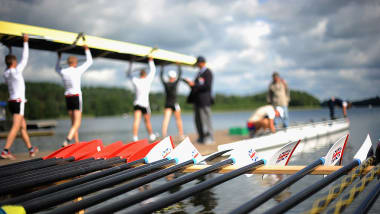
Rowing has a rich history in the Olympic Games, captivating audiences with its combination of strength, teamwork, and endurance. If you’ve ever watched the Olympics, you might wonder how rowing became such a prominent sport on this global stage. Understanding its journey through the Games reveals how the sport has grown and adapted over time.
Early Olympic Appearances
Rowing first appeared in the Olympic program at the 1900 Paris Games. The 1896 Athens Olympics planned to include rowing, but bad weather forced the events to be canceled. The 1900 debut marked the beginning of rowing’s steady presence in the Olympics.
Back then, the races were quite different from today, with fewer events and less standardized distances. It’s interesting to think about how early athletes tackled the sport without modern training or equipment.
Evolution Of Events
Over the years, the Olympic rowing events have expanded and changed to reflect advancements in the sport. Initially, the focus was mainly on men’s single and team boats, but today, women compete in many events as well.
New boat classes like lightweight rowing were added in 1996 to make the sport more inclusive. Have you noticed how this evolution mirrors wider social changes in sports and society?
Current Olympic Rowing Format
Today, the Olympic rowing competition features 14 events, split between men and women. The races cover a standard distance of 2,000 meters, testing speed, endurance, and strategy.
Events range from single sculls to eights, with varying numbers of rowers and styles. If you’re considering trying rowing, the variety of formats means there’s likely a style that suits your skills and interests.
Historic Milestones In Olympic Rowing
Rowing holds a special place in Olympic history. It has been part of the Games since the early 1900s. Over time, the sport has seen many memorable moments and milestones. These events shaped rowing into the exciting competition it is today.
Notable Olympic Champions
Many athletes have left their mark on Olympic rowing. Names like Steve Redgrave and Ekaterina Karsten stand out. Redgrave won five gold medals across five Olympics. Karsten earned two gold medals and several silver and bronze medals. Their dedication and skill inspired many around the world.
Record-breaking Performances
Rowers have broken records and pushed limits at the Olympics. The fastest men’s eight team finished the course in under 5 minutes 20 seconds. Women’s single sculls records also improved steadily. Each new record showed the sport’s growing competitiveness and athleticism.
Impact On Rowing Popularity
The Olympics boosted rowing’s popularity worldwide. TV coverage brought the sport to new audiences. Rowing clubs saw more members after the Games. Schools and universities started rowing programs to train young athletes. The Olympic spotlight helped rowing grow as both a sport and a community.
The Thrill Of Olympic Rowing
Olympic rowing is more than just a race; it’s a test of endurance, precision, and intense focus. The thrill comes not only from the physical effort but also from the mental sharpness and the teamwork that drives each stroke forward. Watching or participating in this sport can change how you view athletic dedication and cooperation.
Physical And Mental Demands
Rowing pushes your body to its limits. Every muscle works in unison, requiring strength, stamina, and perfect timing. It’s not just about power; your mind must stay clear and focused to maintain rhythm and respond to sudden changes.
Imagine holding your breath and pushing through pain while your heart races — that’s the reality for Olympic rowers. The mental challenge is just as tough as the physical, demanding discipline and resilience every second of the race.
Teamwork And Strategy
Rowing in the Olympics is rarely a solo effort. Teams must synchronize perfectly to maximize speed and efficiency. One missed stroke or lack of coordination can cost precious seconds, shifting the entire race outcome.
Strategy plays a crucial role too. Teams decide when to conserve energy and when to sprint, reading their opponents and water conditions. Are you ready to appreciate how much planning goes into every race?
Spectator Experience
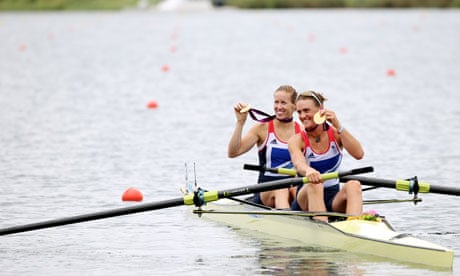
Watching Olympic rowing live or on screen offers a unique thrill. The water’s calm surface hides the intense battle beneath, making every stroke suspenseful. You can almost feel the effort and hear the coordinated breathing and oar splashes.
Cheering for your favorite team becomes a shared experience of excitement and tension. Have you noticed how the crowd’s energy shifts with every lead change? That’s the true magic of Olympic rowing.
Credit: www.theguardian.com
Rowing’s Global Reach
Rowing has a wide global reach, touching many countries and cultures. The sport is loved for its teamwork, strength, and rhythm. Rowing connects people from different parts of the world and brings them together in competition and friendship.
Top Competing Nations
Several countries lead the world in rowing. They train hard and have strong rowing traditions. Some top nations include:
- United States
- Great Britain
- Germany
- Australia
- Netherlands
- New Zealand
These countries often win medals in the Olympics and world championships.
Growth In Participation
Rowing has grown in popularity worldwide. More schools and clubs offer rowing programs. This growth helps young people learn the sport. Women’s rowing, in particular, has seen big increases in athletes. Many countries now include rowing in their sports plans.
Diversity In Rowing Events
Rowing offers many types of races. Athletes can compete in different boat sizes and styles. Events include single sculls, doubles, fours, and eights. There are also lightweight and open weight classes. This variety allows many athletes to find their fit and compete at many levels.
Future Of Rowing In The Olympics
The future of rowing in the Olympics holds exciting possibilities as the sport evolves with new technology and changing athlete needs. It remains a core Olympic event, but how it adapts will shape its relevance and appeal to new audiences. Are you ready to see how rowing might transform in the coming years?
Innovations In Equipment And Training
Rowing equipment is becoming lighter and more durable, improving speed and control on the water. Athletes now use advanced biomechanics and data analytics to fine-tune their strokes and optimize performance.
Imagine tracking every movement and adjusting your technique in real-time. This level of precision training makes races more competitive and exciting to watch.
Potential New Events
The Olympic committee is exploring ways to add fresh events that could attract younger audiences and boost global participation. Mixed-gender relays and shorter sprint races are among the ideas gaining traction.
Could these new formats make rowing more accessible and dynamic? Adding variety might change how you view this traditional sport.
Challenges And Opportunities
Rowing faces challenges like maintaining global interest and securing funding for less popular countries. However, these hurdles also push organizers to innovate and expand the sport’s reach.
Will rowing maintain its Olympic status by adapting to modern demands? Your support and enthusiasm can influence how this sport grows on the world stage.

Credit: www.kreedon.com
Frequently Asked Questions
When Did Rowing Become An Olympic Sport?
Rowing became an Olympic sport in 1900 at the Paris Games. Originally scheduled for 1896, it was canceled due to bad weather. Since then, rowing has been a staple event in the Summer Olympics, showcasing various categories and attracting competitors worldwide.
How Many Rowing Events Are In The Olympics?
The Olympics feature 14 rowing events divided between men and women. These events include single sculls, double sculls, and eights. Each category tests athletes’ endurance, strength, and teamwork, making rowing a thrilling Olympic discipline.
Are There Different Types Of Olympic Rowing?
Yes, there are different types of Olympic rowing. These include sweep rowing and sculling. Sweep rowing involves each rower using one oar, while sculling involves using two oars. Both types are part of the Olympic competition.
How Is Olympic Rowing Scored?
Olympic rowing is scored based on the race finish time. The team or individual crossing the finish line first wins. Races are usually held over a 2000-meter course, testing speed and endurance.
Conclusion
Rowing holds a proud place in the Olympic Games. It tests strength, skill, and teamwork. Athletes train hard to compete on water. The sport has a long history in the Olympics. Fans enjoy watching races full of speed and power.
Rowing inspires people to stay active and healthy. It brings countries together in friendly competition. Anyone curious about Olympic sports should know rowing’s role. Simple, exciting, and demanding — rowing truly shines at the Olympics.