How to Know If a Shoe Fits: Ultimate Guide to Perfect Comfort
Finding the perfect shoe isn’t just about style—it’s about comfort and health. Have you ever bought a pair that looked great but left your feet sore or cramped?
Knowing if a shoe fits right can save you from pain, blisters, and long-term foot problems. You’ll discover simple, effective ways to check if your shoes truly fit your feet. Keep reading to make every step feel just right.

Credit: www.instagram.com
Importance Of Shoe Fit
Understanding the importance of shoe fit is key to keeping your feet healthy and comfortable. Wearing the right size and shape can make a huge difference in how you move and feel throughout the day. Have you ever wondered why some shoes feel great at first but end up causing pain later?
Impact On Foot Health
Shoes that don’t fit properly can cause serious foot problems over time. Tight shoes might lead to blisters, bunions, or even nerve damage. On the other hand, loose shoes can cause your feet to slide, increasing the risk of sprains or calluses.
I once ignored the fit of my running shoes and ended up with painful plantar fasciitis. That experience taught me how crucial it is to check the fit before buying. Your feet support your whole body—shouldn’t you give them the best care?
Influence On Comfort And Performance
Comfort isn’t just about feeling good; it directly affects how well you perform daily activities or sports. Shoes that fit well reduce fatigue and improve stability. You’ll notice better balance and less slipping, which can boost your confidence and endurance.
Think about the last time you wore shoes that pinched or rubbed. Did you perform at your best? Proper fit lets you focus on what you’re doing, not on discomfort. It’s a simple step that can change how you move every day.

Credit: www.instagram.com
Signs Of A Good Fit
Knowing the signs of a good shoe fit helps avoid discomfort and foot problems. Shoes that fit well support your feet throughout the day. They feel comfortable right from the start without needing a break-in period.
Proper fit also improves your walking and standing posture. It prevents blisters, calluses, and pain. Here are key signs to check for a good shoe fit.
Proper Toe Space
There should be enough room for your toes to move freely. A good rule is to have about a half-inch space between your longest toe and the shoe tip. This space prevents your toes from rubbing or getting squished. Avoid shoes that feel tight or press on your toes.
Heel And Arch Support
Your heel should fit snugly without slipping out while walking. Good shoes hold your heel firmly in place. Proper arch support is important to keep your foot stable and reduce fatigue. Shoes with the right arch shape match your foot’s natural curve for comfort.
Secure Lacing And Closure
Laces, straps, or other closures should keep the shoe secure but not too tight. They help the shoe fit your foot shape closely and prevent unwanted movement inside. Make sure you can easily adjust closures for a perfect fit each time you wear the shoes.
Measuring Your Feet
Knowing your exact foot size is key to finding shoes that fit comfortably. Measuring your feet helps you avoid the common mistake of buying shoes that are too tight or too loose. This simple step can save you from blisters, discomfort, and wasted money.
Tools For Measurement
You don’t need fancy gadgets to measure your feet accurately. Here are the basic tools that make the process easy and reliable:
- Measuring tape or ruler:A rigid ruler or soft measuring tape works well to measure length and width.
- Piece of paper:Large enough to place your whole foot on.
- Pencil or pen:To trace your foot outline.
- Flat surface:A hard floor where you can stand firmly.
Using these everyday items ensures you can measure your feet anytime, even at home. Have you ever tried measuring your foot on a carpet? It’s tricky and can give inaccurate results.
Steps To Measure Feet
Start by placing your paper on a flat surface. Stand on the paper with your full weight to get the true size of your foot.
Trace the outline of your foot with the pencil, keeping it straight up and close to your foot. Avoid angling the pen inward or outward as that changes the shape.
Use the ruler or measuring tape to measure from the tip of your longest toe to the back of your heel. This gives you the foot length.
Next, measure the widest part of your foot (usually the ball area). This width measurement is just as important for a proper fit.
Repeat the process for your other foot, because feet often differ in size. Which foot do you think is bigger? You might be surprised.
Trying Shoes On
Trying shoes on is more than slipping your foot inside and hoping for the best. It’s about paying attention to how the shoe interacts with your foot in real conditions. You want to feel confident that your new shoes will support you all day without causing discomfort or pain.
Best Time For Shoe Shopping
Your feet change throughout the day, usually swelling a bit after hours of standing or walking. That’s why shopping in the morning might lead to shoes that feel tight by the afternoon. Aim to try shoes on later in the day when your feet are at their largest size.
Also, wear the same type of socks you plan to use with the shoes. If you usually wear thick socks for hiking boots, don’t try them on with thin dress socks. This simple step can save you from buying shoes that feel right in the store but too tight at home.
Testing For Comfort
Comfort is not just about how a shoe feels when you stand still. Walk around the store or your home to see if the shoe supports your foot naturally. Listen to your body: any pinching, rubbing, or slipping is a red flag.
- Check the toe box: Can you wiggle your toes freely without feeling squeezed?
- Heel fit: Does your heel stay in place without slipping out as you walk?
- Arch support: Does the shoe follow the curve of your foot comfortably?
Try walking on different surfaces if possible—carpet, tile, or pavement—to see how the shoe holds up. If you feel any discomfort, ask yourself if it’s something you can tolerate for hours on end. Remember, a shoe that fits well should feel almost like an extension of your foot.
Common Shoe Fit Issues
Shoe fit issues can cause discomfort and even foot problems. Recognizing common problems helps choose the right pair. Understanding these issues makes shoe shopping easier and more effective.
Blisters And Pinching
Blisters form when shoes rub against your skin repeatedly. Tight shoes pinch your feet, causing pain and redness. Shoes that are too narrow cause pressure on toes and sides. Watch for hot spots and soreness during wear. Blisters and pinching signal the shoe does not fit well.
Slipping And Tightness
Shoes that slip at the heel cause instability and discomfort. Loose shoes make walking difficult and unsafe. Tight shoes restrict movement and reduce blood flow. Both slipping and tightness lead to foot fatigue. Proper fit should feel secure but not tight or loose.
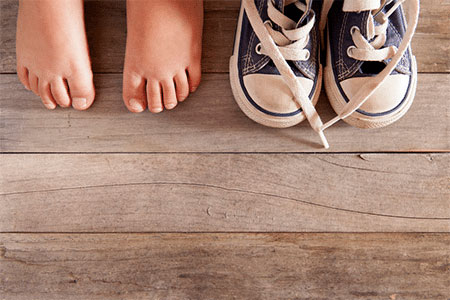
Credit: fittingchildrenshoes.com
Tips For Online Shoe Shopping
Shopping for shoes online can be tricky. Without trying them on, it’s hard to know if the fit will be right. Follow these tips to shop smarter and avoid disappointment.
Reading Size Charts
Size charts show the measurements for each shoe size. Use a ruler or measuring tape to find your foot length in centimeters or inches.
Compare your foot length with the size chart from the shoe brand. Different brands may have different sizing, so always check each chart carefully.
Look for width options too. Some shoes come in narrow, regular, or wide fits. Choose the one that matches your foot shape for better comfort.
Customer Reviews And Return Policies
Customer reviews offer real feedback about shoe fit and comfort. Pay attention to comments about size accuracy and how the shoes feel after wearing.
Check if the reviews mention if the shoes run large, small, narrow, or wide. This helps you pick the right size before buying.
Review the store’s return policy. A good return policy lets you exchange or return shoes that don’t fit well.
Note any time limits or conditions for returns. Knowing this saves trouble if the shoes don’t match your expectations.
Custom And Specialized Shoes
Custom and specialized shoes offer more than just style—they provide solutions tailored specifically to your feet’s unique shape and needs. These shoes are designed to enhance comfort, improve foot health, and address specific issues like pain or deformities. Understanding how these options fit can transform your experience and keep your feet happy throughout the day.
Orthopedic Options
Orthopedic shoes are crafted to support your feet in ways regular shoes can’t. They often include extra cushioning, arch support, and roomier toe boxes to reduce pressure points. If you have conditions like plantar fasciitis, bunions, or flat feet, these shoes can make a noticeable difference.
When trying orthopedic shoes, check if your foot feels stable and well-supported without any pinching. Walk around to see if they reduce discomfort or prevent your foot from sliding inside. Are your heels secure? This is vital to avoid blisters and maintain proper alignment.
Tailored Fit Solutions
Tailored fit shoes go beyond standard sizing by adjusting to your foot’s exact measurements. This can include custom insoles, adjustable straps, or shoes made from stretchable materials. They accommodate variations in foot width, height, and arch shape, giving you a personalized feel.
Look for shoes that allow easy modifications and feel snug but not tight. A good test is whether you can wiggle your toes freely while the shoe holds your foot firmly in place. Have you noticed how small changes in fit can reduce fatigue during long wear? Tailored solutions often provide that subtle yet impactful difference.
Maintaining Shoe Comfort
Maintaining shoe comfort is essential for happy feet and long-lasting wear. Shoes that fit well at first can become uncomfortable over time. Regular checks and proper care keep shoes feeling good and protect your investment.
Regular Fit Checks
Feet can change size and shape over time. Check your shoe fit often to avoid discomfort. Try shoes on at the end of the day when feet are largest. Walk around to test comfort and fit. Pay attention to tight spots or slipping heels. Replace shoes that cause pain or blisters. A well-fitting shoe supports your feet and prevents injury.
Shoe Care And Maintenance
Clean shoes regularly to keep them soft and flexible. Use a brush or cloth to remove dirt and dust. Condition leather shoes to prevent cracking and dryness. Store shoes in a cool, dry place to avoid damage. Rotate your shoes to give them time to air out. Replace insoles for added comfort and support. Proper care extends shoe life and maintains comfort.
Frequently Asked Questions
How Can I Tell If My Shoe Fits Properly?
A proper fit means no tightness or pinching. Your heel should stay in place, and toes should have wiggle room. Walk to check comfort and avoid slipping. Shoes that fit well support your feet and prevent pain.
What Are Signs Of An Ill-fitting Shoe?
Common signs include blisters, numbness, or pressure points. Tight shoes cause discomfort, while loose shoes lead to instability. Uneven wear on soles also indicates poor fit. Properly fitting shoes should feel snug but not restrictive.
When Is The Best Time To Try On Shoes?
Try shoes in the afternoon or evening when feet are swollen. Feet expand during the day, so this ensures a comfortable fit. Also, wear the socks you plan to use with the shoes for accuracy.
How Much Space Should Be At The Shoe’s Toe Box?
Leave about a half-inch (thumb’s width) between your longest toe and the shoe’s end. This space allows natural toe movement and prevents discomfort. Too little room causes pressure, while too much may cause slipping.
Conclusion
Finding the right shoe size matters for comfort and health. Shoes that fit well protect your feet and improve your walking. Always check the length, width, and heel fit before buying. Walk around to feel any tight spots or slipping.
Remember, feet can change size over time. Choose shoes that support your daily activities. Taking time to try on shoes helps avoid pain later. Your feet deserve the best fit every day.