What Battery Fits My Car: Ultimate Guide to Perfect Match
Are you wondering, “What battery fits my car?” Choosing the right battery can be confusing and frustrating.
Using the wrong one might leave you stranded or damage your vehicle. But don’t worry—this guide will help you find the perfect match quickly and easily. By the end, you’ll know exactly what to look for to keep your car running smoothly.
Keep reading to discover the simple steps that save you time, money, and stress.
Choosing The Right Car Battery
Choosing the right car battery is key to keeping your vehicle running smoothly. A good battery provides reliable starts and powers all electrical systems. Picking the wrong one can cause poor performance or even damage your car. Understanding the options helps you find the best fit.
Factors To Consider
- Size and fit: The battery must fit securely in your car’s battery tray.
- Cold Cranking Amps (CCA): Higher CCA means better starting power in cold weather.
- Reserve Capacity (RC): Shows how long the battery can run without the engine.
- Battery type: Different types offer various benefits and lifespans.
- Brand and warranty: Trusted brands and good warranties provide peace of mind.
- Price: Balance cost with features and reliability.
Common Types Of Car Batteries
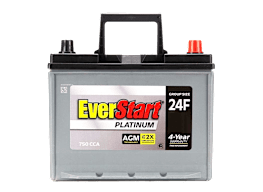
- Lead-Acid Batteries: The most common and affordable type.
- Absorbent Glass Mat (AGM) Batteries: More durable and better for modern cars.
- Gel Batteries: Use gel electrolyte, good for deep cycling and heat resistance.
- Lithium-Ion Batteries: Lightweight and long-lasting but expensive.
Credit: www.consumerreports.org
Understanding Battery Specifications
Understanding battery specifications is essential before choosing the right battery for your car. Knowing what terms like voltage, amperage, and cold cranking amps mean can help you pick a battery that fits perfectly and performs reliably. Let’s break down these key specs so you feel confident in your next battery purchase.
Voltage And Amperage
Your car’s battery voltage is usually 12 volts, which is standard for most vehicles. However, amperage, or the amount of current the battery can provide, varies and affects how well your car starts and powers electrical components.
Think about the accessories you use daily—heated seats, GPS, or powerful sound systems. These need more amperage to run smoothly, so choosing a battery with the right amperage rating is crucial to avoid power issues.
Cold Cranking Amps
Cold Cranking Amps (CCA) measure the battery’s ability to start your engine in cold temperatures. If you live in a chilly area, a battery with higher CCA will give you peace of mind on frosty mornings.
Imagine trying to start your car on a freezing day with a low CCA battery—it might struggle or fail. Selecting a battery with adequate CCA ensures your car starts reliably no matter the weather.
Reserve Capacity
Reserve Capacity (RC) tells you how long your battery can run your car if the alternator fails. It’s expressed in minutes, showing how long the battery will power essential systems without recharging.
This spec is vital during emergencies or breakdowns when your car’s engine isn’t running. A higher reserve capacity means your battery can keep things like lights and radio on longer, giving you extra time to get help.
Assessing Your Vehicle’s Needs
Choosing the right battery means understanding your vehicle’s specific needs. Different cars require different types of batteries. Knowing these needs helps avoid issues like poor performance or early battery failure.
Consider several factors before picking a battery. These include your car’s make and model, the conditions you drive in, and the climate where you live. Each factor affects the battery’s performance and lifespan.
Vehicle Make And Model
Each car brand and model has unique battery requirements. Check your owner’s manual for recommended battery size and type. Using the wrong battery can cause fit or power problems. Some vehicles need batteries with higher cold-cranking amps (CCA). Others require specific terminal placements or battery technology.
Driving Conditions
Driving habits influence battery life. Frequent short trips may not recharge the battery fully. Stop-and-go traffic can strain the battery more than highway driving. Long trips help keep the battery charged. Heavy use of electrical devices also demands a stronger battery.
Climate Impact
Extreme temperatures affect battery performance. Cold weather reduces battery power and increases starting difficulty. Hot climates can shorten battery life by causing fluid loss. Batteries with higher CCA suit colder areas better. In hot regions, look for batteries with good heat resistance.
Exploring Battery Brands And Models
Choosing the right battery for your car means looking closely at the brands and models available. Each brand offers different features, warranties, and price points. Knowing what sets them apart can help you pick a battery that fits both your vehicle and budget.
Popular Brands
Some brands have built strong reputations for quality and reliability. Brands like Optima, Bosch, and Exide are common choices among drivers. They often come with good warranties and customer support, which can save you headaches later.
Have you ever noticed how some batteries last much longer in harsh weather? That’s often tied to the brand’s technology and build quality. Choosing a trusted brand means you’re less likely to deal with unexpected failures.
Comparing Models
Within each brand, there are different models designed for various needs. Some focus on providing high cold-cranking amps (CCA) for tough winter starts, while others emphasize long service life or faster recharge times.
| Model | Key Feature | Best For | Average Price |
|---|---|---|---|
| Optima RedTop | High CCA, Durable | Trucks, SUVs | $200 – $250 |
| Bosch S5 | Long life, Strong start | Passenger cars | $150 – $200 |
| Exide Edge | Maintenance-free, Good warranty | Everyday use | $120 – $180 |
Think about your driving habits and climate. Do you need a battery that handles cold mornings or one that lasts longer on short trips? Matching the model to your needs ensures you get the best value and reliability.
Installation And Maintenance Tips
Choosing the right battery for your car is just the beginning. Proper installation and regular maintenance play a huge role in ensuring your battery performs well and lasts longer. Understanding the pros and cons of professional versus DIY installation, along with routine maintenance tips, can save you time, money, and frustration.
Professional Vs Diy Installation
Deciding whether to install your car battery yourself or hire a professional depends on your comfort level and tools available. Professionals have the experience to handle tricky installations and can spot potential issues quickly. They also safely dispose of your old battery, which is crucial for the environment.
On the other hand, installing a battery yourself can be rewarding and cost-effective if you follow the right steps. Always wear protective gloves and glasses to avoid acid burns. Disconnect the negative terminal first to prevent electrical shorts, then remove the old battery carefully.
Ask yourself: do you have the right tools and a safe workspace? If not, professional installation might be the better choice to avoid damage to your vehicle’s electrical system.
Routine Maintenance Practices
Keeping your battery in good shape requires simple, regular checks. Look for corrosion on terminals and clean it with a mixture of baking soda and water. Corrosion can block the flow of electricity and reduce battery efficiency.
Check the battery’s charge level monthly using a multimeter. A fully charged battery should read around 12.6 volts or higher. If the voltage drops consistently, it might be time to replace the battery before it leaves you stranded.
Also, ensure the battery is securely fastened in its tray. Vibration can cause internal damage and shorten its life. Would you rather spend a few minutes tightening the hold or face an unexpected breakdown?

Credit: www.reddit.com
Signs Of A Failing Battery
Recognizing the signs of a failing battery can save you from being stranded unexpectedly. Your car’s battery doesn’t always die without warning. Paying attention to subtle changes can help you act before it leaves you stuck.
Common Symptoms
One of the first signs is a slow engine crank. You might notice the car hesitates or takes longer to start than usual.
Dim headlights or electrical accessories that don’t work properly also point to battery issues. When you turn on the radio or interior lights, they may flicker or seem weaker.
Sometimes, a warning light shaped like a battery appears on your dashboard. Ignoring this symbol can lead to bigger problems.
Have you ever smelled a rotten egg odor under the hood? This can be a sign of a leaking battery, which is dangerous and needs immediate attention.
Testing Your Battery
You don’t have to guess if your battery is failing. Testing it regularly helps you know exactly where it stands.
Use a multimeter to check the voltage. A fully charged battery should read around 12.6 volts or more when the car is off. If it’s below 12.4 volts, your battery might be weak.
Many auto parts stores offer free battery testing. They can perform a load test to see how well your battery holds up under pressure.
Remember, cold weather can reduce battery performance. Testing your battery before winter hits is a smart move to avoid surprises.
Environmentally Friendly Options
Choosing the right battery for your car isn’t just about performance and price. Your decision can also impact the environment. There are options that help reduce waste and pollution while still powering your vehicle efficiently.
Choosing Eco-friendly Batteries
Look for batteries made with recycled materials or those designed to be recyclable. Brands offering sealed lead-acid batteries often have a lower environmental footprint. You might also consider lithium-ion batteries, which tend to last longer and reduce the need for frequent replacements.
Think about how often you replace your battery. A longer-lasting battery means fewer old batteries ending up in landfills. Some manufacturers even provide take-back programs that encourage recycling.
Proper Disposal Methods
Throwing away your old car battery in regular trash harms the environment due to toxic chemicals leaking into the soil and water. Instead, take your used battery to designated recycling centers or automotive stores that accept battery returns.
Many local governments have special collection events for hazardous waste, including car batteries. You can also ask your mechanic or battery seller about proper disposal options to ensure your battery is handled responsibly.
Have you checked where your nearest battery recycling point is? Taking a few extra minutes to dispose of your battery correctly can make a big difference for the planet.
Credit: www.consumerreports.org
Frequently Asked Questions
How Do I Find The Right Battery For My Car?
Check your car’s owner manual or look for a label under the hood. These sources list the exact battery size and specifications you need.
Can I Use A Different Battery Size For My Car?
Using a different size can cause fitting and performance issues. Always choose the size recommended by your car manufacturer for safety and efficiency.
What Do Cold Cranking Amps (cca) Mean For My Car Battery?
CCA measures a battery’s ability to start your car in cold weather. Choose a battery with sufficient CCA for your climate to ensure reliable starts.
How Often Should I Replace My Car Battery?
Typically, replace your car battery every 3 to 5 years. Regularly test it to avoid unexpected failures and maintain optimal performance.
Conclusion
Choosing the right battery keeps your car running smoothly. Check your car’s manual for the correct size and type. Consider battery life, brand, and warranty before buying. A good battery saves time and money in the long run. Replace old batteries promptly to avoid unexpected breakdowns.
Simple steps lead to better car performance every day. Stay safe and enjoy a reliable drive with the right battery.