How to Inflate Fitness Ball: Quick & Easy Step-by-Step Guide
Are you ready to get the most out of your fitness ball? Knowing how to properly inflate your fitness ball can make all the difference in your workout comfort and effectiveness.
If it’s too soft, you won’t get the support you need; too firm, and it might feel uncomfortable or even unsafe. In this guide, you’ll learn simple, step-by-step tips to inflate your fitness ball just right. By the end, you’ll feel confident using your ball to boost your strength, balance, and flexibility.
Keep reading to discover how easy it is to set up your fitness ball for success!

Credit: www.ebay.com
Choosing The Right Pump
Choosing the right pump for inflating your fitness ball can make a huge difference in how quickly and easily you get it ready. A pump that doesn’t fit well or lacks power can leave you frustrated and with a half-inflated ball. Let’s look at what to consider so you pick a pump that works perfectly for your fitness ball.
Types Of Pumps Suitable For Fitness Balls
Not all pumps are created equal. You’ll find:
- Hand Pumps:Portable and affordable, but can be tiring if you have a large ball.
- Electric Pumps:Fast and effortless but require a power source.
- Foot Pumps:Good balance between manual effort and speed.
Think about how often you’ll inflate balls and your physical comfort during pumping.
Checking The Pump’s Nozzle Compatibility
Your pump’s nozzle must fit the ball’s valve snugly. A loose nozzle wastes time and air. Some fitness balls come with a special valve that needs a specific nozzle size. If the pump’s nozzle doesn’t fit, you might need an adapter. Have you ever struggled with a pump that just wouldn’t seal? That’s a sign you need to double-check nozzle compatibility.
Considering Pump Pressure And Speed
Some pumps deliver air faster but with less pressure, which can be inefficient for fitness balls. Others generate higher pressure but inflate slower. Aim for a pump that balances speed and pressure to avoid damaging the ball or wasting time. If you’re inflating a thicker ball, a pump with higher pressure is a smarter choice.
Portability And Storage
Do you plan to take your fitness ball to the gym or use it at home only? If you’re on the move, a compact hand pump or a small electric pump with rechargeable batteries might be best. Bulky pumps can be inconvenient and get in the way. Think about where you’ll store the pump as well—does it fit easily in your workout bag?
Preparing The Fitness Ball
Getting your fitness ball ready is a crucial first step before you start inflating it. Proper preparation ensures safety and the best workout experience. Taking a moment to carefully check your ball and locate its air valve can save you time and frustration later.
Inspecting For Damage
Before inflating, closely examine the ball for any signs of damage. Look for small holes, tears, or weak spots on the surface. Even a tiny puncture can cause the ball to lose air quickly or burst during use.
If you spot any damage, avoid inflating the ball. Instead, consider repairing it with a patch kit or replacing it altogether. Remember, your safety depends on the ball’s integrity.
Finding The Air Valve
Next, locate the air valve where you will pump the air in. This is usually a small round opening sealed with a plug or cap. Sometimes it’s hidden in a seam or covered by a sticker, so take your time to find it.
Knowing the exact location of the valve will make inflating easier and prevent air from escaping. Have you ever tried pumping a ball only to realize you were blowing air into the wrong spot? Finding the valve first saves you that hassle.
Inflating The Fitness Ball
Inflating a fitness ball correctly ensures safety and better performance during workouts. It is important to add the right amount of air. Overinflating can cause damage, while underinflating reduces support. The process is simple but needs careful attention. Follow these steps to inflate your fitness ball easily and correctly.
Attaching The Pump
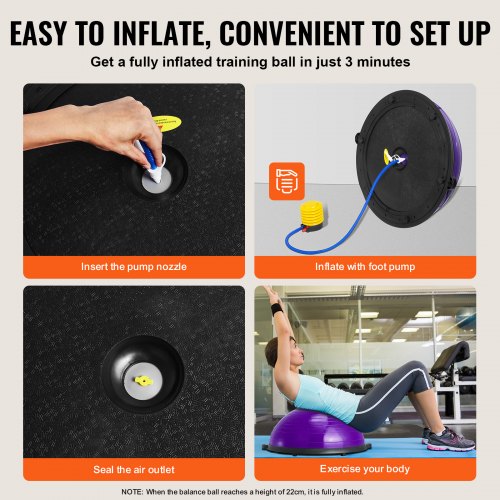
Start by selecting the right pump nozzle for your fitness ball. Most balls come with a small hole or valve designed for inflation. Insert the pump nozzle firmly into the valve. Make sure it fits tightly to avoid air leaks. A hand pump or electric pump works well. Keep the ball steady while attaching the pump to prevent slipping.
Monitoring Air Pressure
Keep an eye on the air pressure as you pump. Many fitness balls come with a recommended pressure level or size guide. Stop inflating if the ball feels too hard or begins to bulge. Press the ball with your hand to check firmness regularly. A properly inflated ball has a slight give when pressed. Avoid filling the ball too quickly to monitor pressure better.
Achieving Optimal Firmness
The ideal firmness lets the ball hold shape and support your weight. Sit or press on the ball to test its firmness. It should be firm but still have some bounce. If it feels too soft, add more air in small amounts. If too hard, release a little air using the valve. Keep adjusting until the ball feels stable and comfortable for exercises.

Credit: www.tiktok.com
Testing The Ball For Use
Testing the fitness ball before use ensures safety and comfort during exercise. A properly inflated ball performs better and reduces injury risk. This step confirms the ball is ready for your workout.
Checking Stability
Place the ball on a flat surface. Sit gently on it to test balance. The ball should not wobble or roll away easily. Stability means the ball is firm and safe to use.
If the ball feels too soft, add more air. If it is too hard, release some air. A stable ball supports your body without excessive bouncing.
Ensuring Proper Size
Choose a ball size that fits your height. When sitting on the ball, your knees should be at a 90-degree angle. Feet must rest flat on the floor.
A correct size helps maintain good posture and improves exercise effectiveness. Using the wrong size can cause discomfort or strain.
Maintaining Your Fitness Ball
Maintaining your fitness ball is key to its long life and safe use. Proper care keeps the ball firm and ready for workouts. Regular checks and smart storage protect it from damage and wear. These simple habits help you enjoy your fitness ball every day.
Regular Pressure Checks
Check the ball’s pressure before each use. A soft ball can cause poor balance and reduce exercise benefits. A firm ball supports your body correctly. Use a pressure gauge or simply press the ball with your hand. If it feels too soft, add air slowly until firm.
Keep the ball inflated to the recommended size. Most balls have a mark showing the right diameter. Avoid overinflating as this can cause the ball to burst. Underinflation can make exercises harder and less effective.
Proper Storage Tips
Store your fitness ball in a cool, dry place. Avoid direct sunlight, which can weaken the material. Keep it away from sharp objects and rough surfaces. These can cause punctures or scratches.
Deflate the ball slightly if you won’t use it for a long time. This reduces stress on the material. Use a clean cloth to wipe the ball after each use. Dirt and sweat can damage the surface over time.
- Keep away from heat sources like radiators
- Store on a soft surface to prevent dents
- Check for damage regularly and repair small holes quickly

Credit: www.youtube.com
Frequently Asked Questions
How Do I Properly Inflate A Fitness Ball?
To inflate a fitness ball, use a hand pump or electric pump. Insert the nozzle securely, then inflate slowly. Stop when the ball feels firm but slightly soft. Avoid overinflating to prevent damage.
What Size Fitness Ball Should I Choose?
Choose a ball size based on your height. Typically, 55 cm for under 5’4″, 65 cm for 5’4″-5’10”, and 75 cm for over 5’10”. Proper sizing ensures comfort and correct posture during exercises.
How Long Does It Take To Inflate A Fitness Ball?
Inflating a fitness ball usually takes 3 to 5 minutes. Time varies depending on the pump type and ball size. Use a reliable pump for faster and easier inflation.
Can I Use An Electric Pump For Inflation?
Yes, an electric pump works well for fitness balls. It speeds up inflation and requires less effort. Just ensure the nozzle fits the ball valve to avoid air leaks.
Conclusion
Inflating a fitness ball is easy and quick with the right steps. Use a good pump and check the ball’s size as you inflate. Avoid overfilling to keep the ball safe and comfortable. Regularly check the ball’s firmness before use.
This helps you stay balanced and improves your workouts. Practice often to feel more confident using the ball. Enjoy your exercises with a properly inflated fitness ball every time. Simple steps make your fitness routine smoother and more fun.