What Does It Take to Be a Fitness Trainer: Essential Skills Revealed
Have you ever wondered what it really takes to be a fitness trainer? It’s more than just lifting weights or knowing exercises.
If you want to help others transform their bodies and lives, you need the right skills, mindset, and dedication. You’ll discover the key qualities and steps to become a successful fitness trainer. Keep reading to find out if you have what it takes and how you can start your journey today.
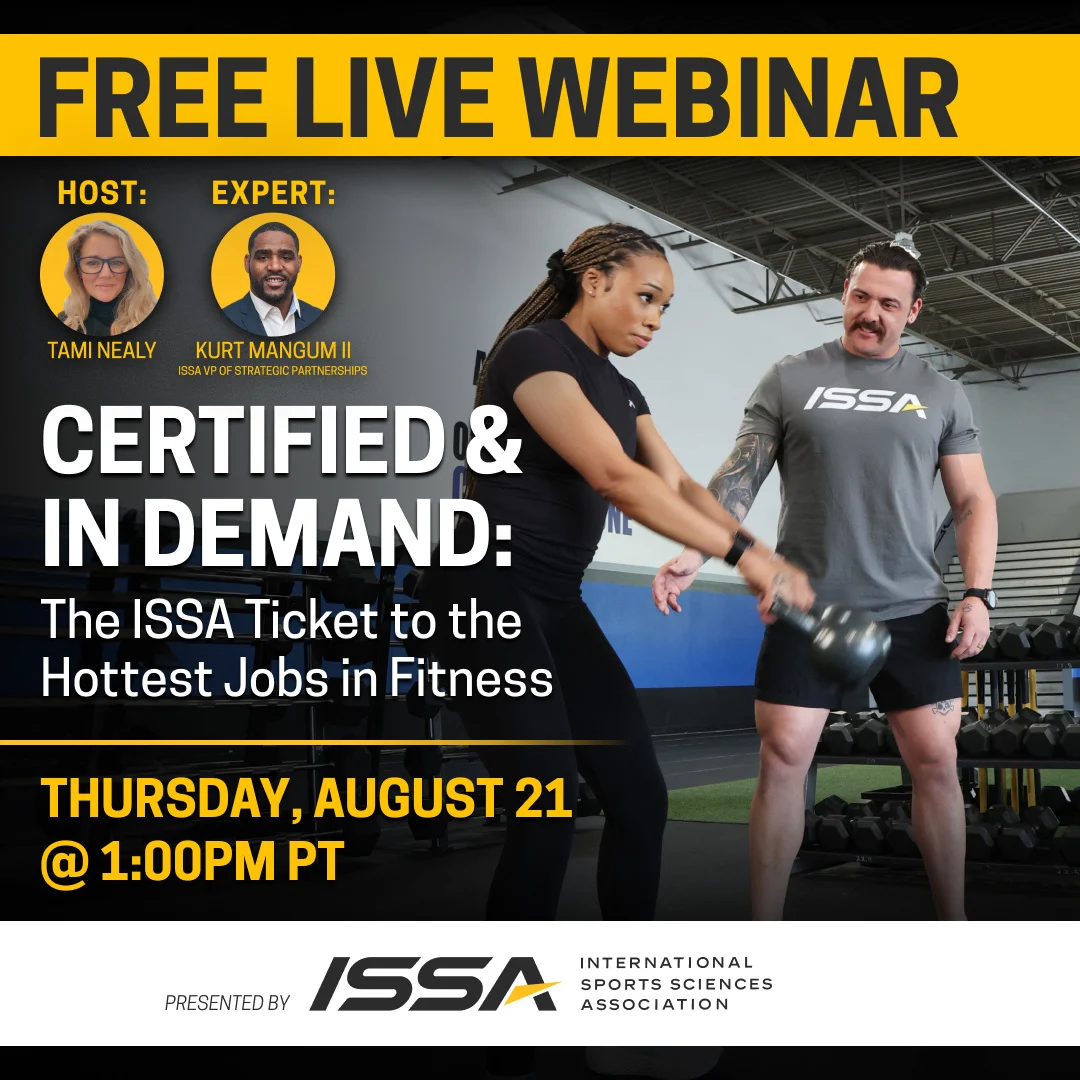
Credit: www.issaonline.com
Role Of A Fitness Trainer
Being a fitness trainer is more than just showing exercises or counting reps. Your role centers around guiding individuals toward their health goals with care and expertise. You become a mentor, strategist, and motivator all at once, shaping not only bodies but also mindsets.
Personalized Fitness Plans
Every person’s body and fitness goals are unique, so your workout plans must be too. You need to assess your client’s current fitness level, lifestyle, and preferences before crafting a plan that fits them perfectly.
Imagine a client who wants to build strength but has a knee injury. You’ll design exercises that build muscles without stressing the knee, showing your knowledge and creativity. This tailored approach keeps clients safe and motivated, making your guidance invaluable.
Monitoring Progress
Tracking progress isn’t just about measuring weight or reps lifted. You watch for improvements in endurance, flexibility, and even mental resilience.
Regular check-ins help you tweak workouts as needed. When you spot plateaus or setbacks, you adjust the plan to keep your client moving forward. Your ongoing feedback helps clients see their growth, which fuels their commitment.
Motivational Support
Fitness journeys can be tough, filled with ups and downs. Your encouragement makes a huge difference when clients feel discouraged or overwhelmed.
You’re not just a trainer; you become a source of positive energy. Reminding clients of their progress and potential can spark renewed determination. Have you ever noticed how a simple “You’ve got this!” can turn a tough workout into a breakthrough moment?

Credit: www.fitnessmentors.com
Educational Requirements
Becoming a fitness trainer requires more than just a passion for exercise. The educational requirements ensure you have the right knowledge to guide others safely and effectively. Understanding what certifications and courses you need can set you apart in this competitive field.
Certification Programs
Certification programs are the backbone of your fitness training career. They prove you have the skills and knowledge to design safe workout plans and handle different client needs.
Popular certifications include:
- Certified Personal Trainer (CPT) from organizations like NASM or ACE
- Group Fitness Instructor certifications
- Specialty certifications such as strength training or yoga instruction
Each program typically involves studying anatomy, exercise science, and client communication. You’ll need to pass a rigorous exam to earn your certificate.
Have you considered which certification aligns best with your career goals? Choosing the right one early can save time and focus your efforts.
Specialized Courses
Beyond general certification, specialized courses add depth to your expertise. They allow you to work with specific populations or focus on unique fitness areas.
Examples include courses in:
- Nutrition coaching
- Pre- and postnatal fitness
- Rehabilitation and injury prevention
- Sports performance training
These courses often require a few weeks of study and sometimes practical experience. They can make you a more attractive trainer to niche markets.
Think about your interests and client base. Would specializing help you connect better and offer more value?
Key Skills For Success
Being a successful fitness trainer requires more than just passion for exercise. It demands a unique set of skills that help motivate clients and guide them safely. These key skills create a strong foundation for a rewarding career in fitness training.
Communication Skills
Clear communication is vital for a fitness trainer. Trainers must explain exercises in simple words. They listen carefully to clients’ needs and concerns. Good communication builds trust and encourages clients to stay motivated. Trainers also use positive feedback to boost confidence.
Technical Knowledge
A solid understanding of anatomy, physiology, and exercise techniques is essential. Trainers must know how the body works and reacts to different workouts. This knowledge helps prevent injuries and ensures effective training plans. Staying updated on new fitness trends keeps trainers relevant and informed.
Adaptability
Every client has unique goals and abilities. Trainers adjust workouts to fit each person’s needs. They handle unexpected challenges like injuries or schedule changes with ease. Being flexible helps trainers provide the best support and keeps clients engaged.

Credit: insurefitness.com
Physical Fitness
Physical fitness is more than just a requirement for fitness trainers; it’s the foundation of their credibility and effectiveness. Your body serves as a live example of your expertise, showing clients what they can achieve with dedication and proper training. Staying physically fit means you can demonstrate exercises with precision and energy, making your guidance clear and inspiring.
Demonstrating Exercises
Clients learn best when they see the correct form in action. Showing exercises clearly helps avoid injuries and boosts confidence in your coaching. When you demonstrate moves yourself, you communicate subtle details that words alone can’t capture.
Think about how your posture, balance, and technique influence a client’s understanding. Are you able to hold a plank or perform a squat with ease? If not, it’s hard to expect your clients to follow your instructions effectively.
- Practice all exercises you teach regularly to maintain flawless execution.
- Record yourself to spot mistakes and improve your form.
- Use your body language to motivate and engage clients during demonstrations.
Maintaining Own Fitness
Your fitness journey is ongoing, not a one-time achievement. Keeping your strength, endurance, and flexibility at high levels shows clients that you walk the talk. It also keeps your energy up during long training sessions and helps you manage the physical demands of the job.
Consider this: how often do you update your workout routine? Sticking to the same exercises can lead to plateaus and decreased motivation. Regularly changing your workouts not only improves your fitness but also gives you fresh ideas to share with clients.
- Schedule your workouts like appointments—non-negotiable and consistent.
- Incorporate variety: mix cardio, strength, and mobility exercises.
- Monitor your progress to stay motivated and adjust your goals.
What message does your fitness level send to your clients? Your commitment to maintaining your own physical fitness can inspire them to push harder and stay on track with their goals.
Building Client Relationships
Building strong client relationships is a key part of being a fitness trainer. It helps clients feel valued and motivated. Good relationships lead to better results and long-term success. Trainers must connect beyond workouts. They need to understand clients deeply and create a safe space.
Understanding Client Needs
Every client has unique goals and challenges. Trainers listen carefully to learn these needs. Questions about lifestyle, health, and preferences guide the plan. Trainers watch body language and reactions during sessions. This helps adjust exercises and support. Understanding needs keeps clients engaged and motivated.
Creating A Trusting Environment
Trust is the foundation of any trainer-client relationship. Trainers show respect and patience at all times. They keep client information private and safe. Encouragement and positive feedback build confidence. Trainers admit mistakes and stay honest. A trusting environment makes clients comfortable and open.
Business Acumen
Being a fitness trainer goes beyond knowing exercises and nutrition. You must also master business skills to grow your career and keep clients happy. Understanding business acumen means you handle marketing, client relationships, and finances smartly, making your services stand out.
Marketing Strategies
Marketing is how you let people know about your skills. Use social media to share success stories and workout tips. Posting short videos or client testimonials can build trust fast.
Think about your target audience. Are they beginners, athletes, or seniors? Tailor your message to speak directly to their needs.
- Create a clear brand—what makes you unique?
- Offer free workshops or online classes to attract new clients.
- Use local partnerships, like gyms or health stores, for referrals.
Have you tried asking clients how they found you? Their answers can help sharpen your marketing focus.
Client Management
Keeping clients satisfied is key to your success. Good client management means listening, setting goals, and tracking progress regularly. It shows clients you care about their journey.
Use simple tools like spreadsheets or apps to schedule sessions and follow up. Clear communication prevents missed appointments and confusion.
- Personalize programs to fit each client’s lifestyle and preferences.
- Celebrate small wins to keep motivation high.
- Ask for feedback often to improve your service.
Have you ever lost a client because of poor communication? Fixing this can dramatically boost your retention rate.
Continuous Learning
Continuous learning is essential for any fitness trainer. The fitness field changes fast. New exercises, diets, and science appear regularly. Trainers must keep up to offer the best guidance. Learning never stops in this career. It builds skills and improves client results.
Staying Updated On Trends
Fitness trends affect workout styles and client preferences. Trainers follow trusted sources like fitness journals and websites. They watch for new exercises, equipment, and nutrition advice. Social media and fitness apps also provide fresh ideas. Staying current helps trainers stay relevant and effective.
Attending Workshops And Seminars
Workshops and seminars offer hands-on learning. Trainers meet experts and ask questions directly. These events cover new techniques and research findings. They also provide networking chances with other trainers. Attending regularly sharpens skills and expands knowledge.
Frequently Asked Questions
What Qualifications Are Required To Become A Fitness Trainer?
To become a fitness trainer, you need a certification from a recognized organization. Knowledge of anatomy and exercise science is essential. A high school diploma is often required. Additional certifications in CPR and first aid improve job prospects and credibility.
How Much Experience Is Needed To Start As A Fitness Trainer?
Entry-level fitness trainers can start with minimal experience if certified. Practical experience through internships or personal training helps. Building client trust and skills develops over time. Many trainers gain experience by working under experienced professionals initially.
What Skills Are Essential For A Successful Fitness Trainer?
A successful fitness trainer needs strong communication and motivational skills. Knowledge of exercise techniques and nutrition is crucial. Patience, adaptability, and professionalism help build client relationships. Organizational skills aid in planning effective workout programs.
How Long Does It Take To Become A Certified Fitness Trainer?
Certification programs typically take 3 to 6 months to complete. Study time varies depending on course intensity and individual pace. Practical exams test knowledge and skills. Continuous education is important for staying updated in the field.
Conclusion
Becoming a fitness trainer takes passion and hard work. You need good knowledge of exercise and the human body. Communication skills help you guide and motivate others. Staying fit yourself sets a strong example. Constant learning keeps you updated with new trends.
Patience and dedication make a big difference every day. Helping others reach their goals brings real satisfaction. This career suits those who love health and fitness. It is both challenging and rewarding. Are you ready to start your journey?