How to Improve Cardio Fitness Quickly: Proven Tips That Work
Are you ready to boost your energy and feel stronger fast? Improving your cardio fitness doesn’t have to be complicated or time-consuming.
With the right approach, you can see real results quickly. Imagine breathing easier, having more stamina, and powering through your day without feeling tired. This guide will show you simple, effective ways to upgrade your heart health and endurance. Keep reading, and discover how small changes can make a big difference in your fitness journey—starting now.
Credit: www.hollandandbarrett.com
High-intensity Interval Training
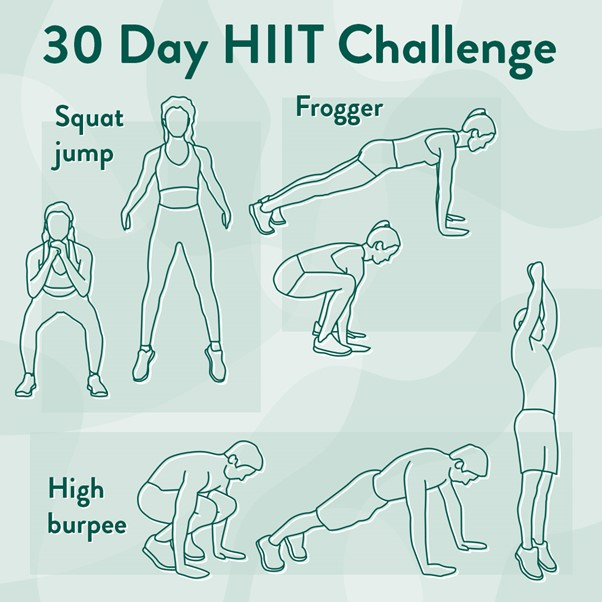
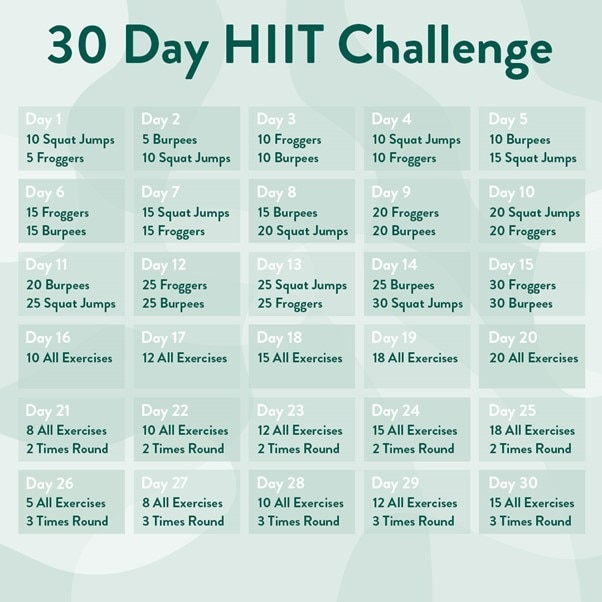
High-Intensity Interval Training (HIIT) is a powerful way to boost cardio fitness fast. It mixes short bursts of intense exercise with brief recovery periods. This style of training pushes your heart rate up quickly, then lets it recover, which improves endurance and heart health. HIIT workouts are short but very effective, making them perfect for busy schedules.
Benefits Of Hiit
- Increases cardiovascular endurance quickly
- Burns more calories in less time
- Improves metabolism for hours after exercise
- Builds muscle and burns fat simultaneously
- Requires no special equipment
- Can be done anywhere, indoors or outdoors
- Boosts energy levels and stamina
Sample Hiit Workouts
| Workout | Description | Duration |
|---|---|---|
| Sprint Intervals | Run at full speed for 30 seconds, walk for 1 minute | Repeat 8 times |
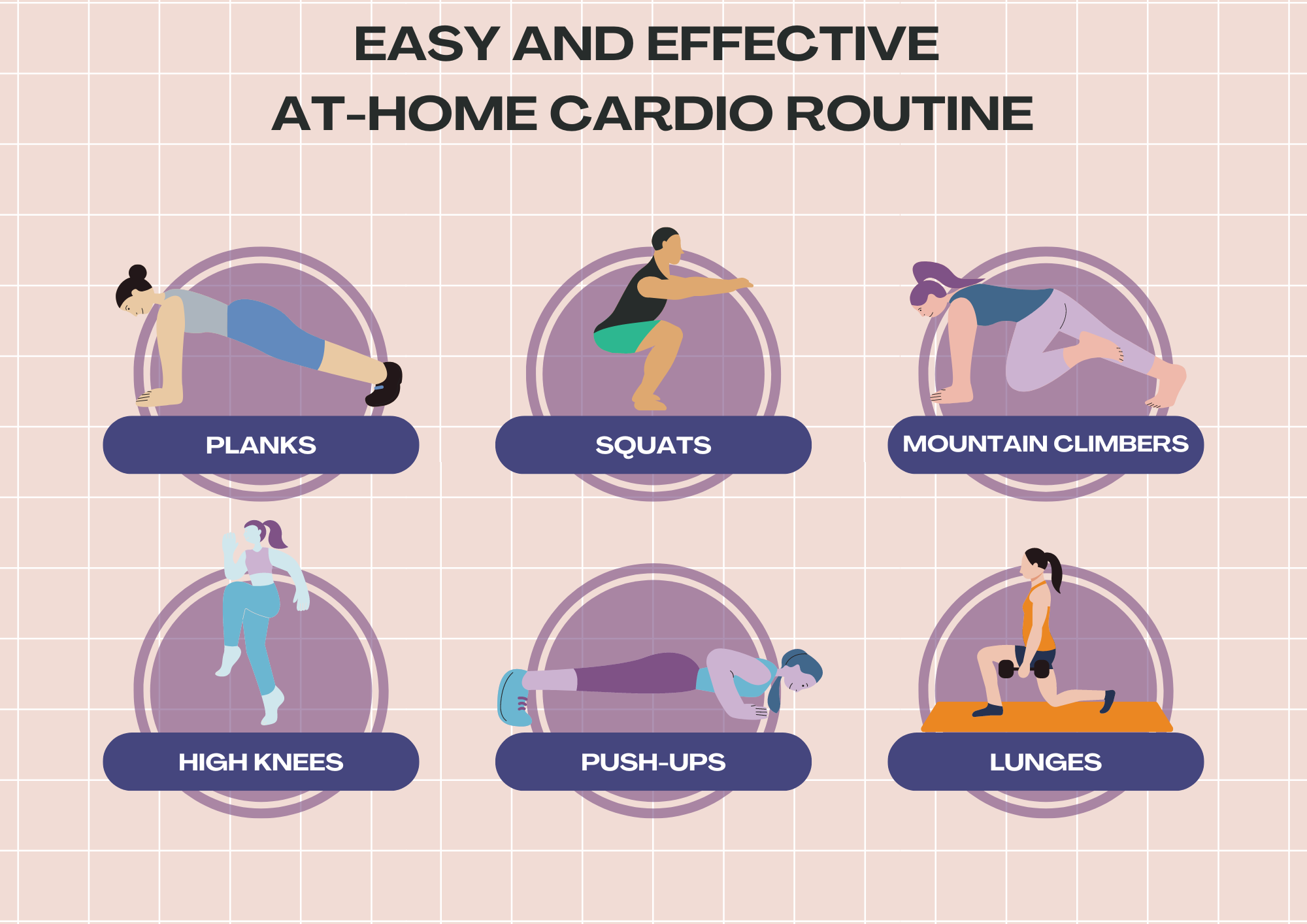
| Bodyweight Circuit | Jump squats, push-ups, burpees for 40 seconds, rest 20 seconds | Repeat 4 rounds |
| Cycling Sprints | Pedal fast for 20 seconds, slow for 40 seconds | Repeat 10 times |
| Jump Rope | Fast jumping for 30 seconds, slow jumping for 30 seconds | Repeat 5 rounds |
Credit: www.hollandandbarrett.com
Incorporating Cardio Into Daily Routine
Finding time for cardio can feel tough, especially with a busy schedule. Yet, adding short bursts of cardio to your daily routine can boost your fitness faster than long gym sessions. The key is to make cardio a natural part of your day without needing extra hours.
Active Commutes
Think about how you get to work or run errands. Could you walk or bike part of the way? Even parking farther from the entrance or getting off public transit one stop early adds up.
Try swapping a car ride for a brisk 10-minute walk. You’ll raise your heart rate without setting aside special exercise time. This small change helped me feel more energized during workdays, proving that cardio can fit into everyday tasks.
- Walk or bike to work if possible
- Park farther from your destination
- Get off public transit early and walk the rest
- Use stairs instead of elevators
Desk Exercises
Long hours at a desk don’t have to mean sitting still. You can sneak in cardio moves right at your workspace. Simple exercises raise your heart rate and break the cycle of sitting.
Try seated leg lifts, desk push-ups, or marching in place during phone calls. These moves keep your blood flowing and can improve focus. Could a few minutes of desk cardio become your new work break habit?
- Seated leg lifts – lift one leg at a time, hold, and lower
- Desk push-ups – use your desk to push up and down
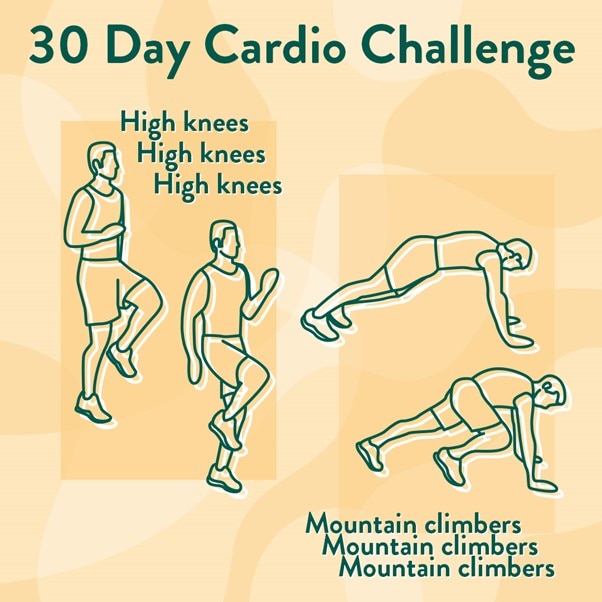
- Marching in place – lift knees high while seated or standing
- Arm circles – extend arms and make small circles
Nutrition For Cardio Fitness
Nutrition plays a key role in improving cardio fitness quickly. The right foods fuel your body and help your heart work better. Proper nutrition supports endurance and speeds up recovery. Eating well gives you the energy to push harder and last longer during workouts.
Choosing what to eat before and after exercise affects your performance. Balanced meals with the right nutrients keep your energy steady. Hydration and energy-boosting foods are essential to keep your cardio sessions effective and enjoyable.
Hydration Importance
Water is vital for cardio fitness. It helps regulate body temperature and keeps muscles working well. Dehydration reduces endurance and makes your heart work harder. Drink water before, during, and after exercise to stay hydrated.
Sports drinks with electrolytes can help during long workouts. Avoid sugary drinks that cause energy crashes. Small, frequent sips maintain hydration better than large amounts at once.
Foods To Boost Energy
Carbohydrates are the main fuel for cardio workouts. Choose whole grains, fruits, and vegetables for lasting energy. Protein helps repair muscles and supports recovery. Include lean meats, beans, and dairy in your diet.
Healthy fats provide steady energy and support heart health. Nuts, seeds, and olive oil are good options. Avoid heavy, fatty meals before exercise to prevent discomfort.
- Eat a banana or apple before cardio sessions.
- Try oatmeal or whole-grain toast with peanut butter.
- Snack on yogurt or a handful of nuts after workouts.
Tracking Progress
Tracking your cardio fitness progress is essential to stay motivated and see real improvements. Without a clear way to measure your efforts, it’s easy to lose focus or feel like you’re not advancing. Regularly monitoring your workouts helps you adjust your routine and push yourself just the right amount.
Using Fitness Apps
Fitness apps offer a simple and effective way to track your cardio workouts. They can log your distance, time, pace, and calories burned with just a few taps. Many apps also let you set goals and remind you to stay active throughout the week.
When I started using a fitness app, I noticed how small improvements added up over time. Seeing your stats improve daily can boost your confidence and keep you on track. Have you tried tracking your runs or bike rides with an app yet?
- Choose apps that sync with your devices for easier tracking.
- Look for features like workout history and progress graphs.
- Share your achievements with friends to stay accountable.
Heart Rate Monitoring
Monitoring your heart rate during exercise provides clear feedback on your effort level. It helps you stay in the ideal cardio zone to maximize fitness gains without overexerting yourself. Many wearable devices and smartwatches offer real-time heart rate tracking to guide your workout intensity.
When I started paying attention to my heart rate, I realized I was often working too hard or not enough. Adjusting my pace to stay within target zones made my workouts more effective and less exhausting. What if you could tailor every workout to your body’s needs by watching your heart rate?
- Identify your target heart rate zone based on age and fitness level.
- Use heart rate data to increase or decrease workout intensity.
- Track resting heart rate trends to gauge overall fitness improvements.
Rest And Recovery
Rest and recovery are often overlooked in the quest to boost cardio fitness quickly. Yet, they play a crucial role in helping your body repair, adapt, and come back stronger. Skipping proper rest can stall your progress and increase the risk of injury.
Role Of Sleep
Sleep is your body’s natural reset button. During deep sleep, muscles repair and energy stores replenish, which directly impacts how well you perform in your next cardio session.
If you’re not getting enough sleep, your endurance and reaction times suffer. Think about the last time you felt tired before a workout—did you push as hard or perform at your best? Probably not.
Aim for 7-9 hours of quality sleep nightly. Try to keep a consistent sleep schedule, even on weekends. This consistency helps regulate hormones that control appetite and energy, giving you the stamina to improve cardio fitness faster.
Stretching Techniques
Stretching after cardio isn’t just about flexibility; it speeds up recovery by increasing blood flow to tired muscles. This means less soreness and quicker readiness for your next workout.
Focus on dynamic stretches before exercise to warm up your muscles and static stretches afterward to relax them. For example, leg swings and arm circles prepare your body, while hamstring and calf stretches help you cool down.
Integrate foam rolling or gentle yoga poses to release muscle tension. These techniques can reduce stiffness, making your cardio sessions feel smoother and more efficient.
Mindset And Motivation
Improving cardio fitness fast isn’t just about the physical effort—it starts with your mindset and motivation. How you think about your workouts and what drives you can make a big difference in how quickly you see progress. Without the right mental approach, even the best exercise plans can fall flat.
Setting Realistic Goals
Setting goals that are too high can lead to frustration and burnout. Instead, break your ultimate cardio target into smaller, achievable steps. For example, aim to increase your jogging time by just two minutes each week.
Realistic goals keep you focused and encourage steady progress. They also help you celebrate small wins, which fuels your motivation. Have you ever felt proud after finishing a workout that seemed impossible a week before? That feeling is the power of realistic goal-setting.
Finding A Workout Buddy
Exercising with someone else adds accountability and makes workouts more enjoyable. A friend can push you when your energy dips and celebrate your improvements alongside you. This shared effort often leads to better consistency.
Think about how much easier it is to skip a workout when you’re alone versus when someone is waiting for you. A workout buddy creates a commitment you don’t want to break. Who in your life could be your cardio partner?
Credit: myyogateacher.com
Frequently Asked Questions
How Fast Can Cardio Fitness Improve?
Cardio fitness can improve noticeably within 2 to 4 weeks of consistent training. Regular aerobic exercises boost heart and lung efficiency quickly. Progress depends on workout intensity, frequency, and individual health. Gradual increases in activity help avoid injury and maximize gains.
What Exercises Boost Cardio Fitness Fastest?
High-intensity interval training (HIIT), running, cycling, and swimming effectively boost cardio fitness. These exercises increase heart rate and oxygen use efficiently. Mixing different cardio workouts prevents plateaus and improves overall endurance. Consistency and progressive challenge are key for fast improvement.
How Often Should I Train Cardio Weekly?
Aim for at least 3 to 5 cardio sessions per week. Each session should last 20 to 60 minutes depending on intensity. Regular frequency ensures steady improvements in heart and lung capacity. Rest days allow recovery and prevent burnout or injuries.
Can Diet Impact Cardio Fitness Improvement?
Yes, a balanced diet rich in nutrients supports cardio fitness gains. Proper hydration and adequate protein aid muscle recovery and energy levels. Avoiding excess sugars and processed foods helps maintain healthy weight and improves endurance. Nutrition complements consistent training efforts.
Conclusion
Improving cardio fitness takes time and steady effort. Small steps add up to big changes. Keep your workouts regular and challenge yourself a little more each time. Rest and good food help your body recover and get stronger. Track your progress to stay motivated and see results.
Remember, consistency is the key to better heart health and endurance. Stay patient and enjoy the process of becoming fitter and healthier.