How Should Shoes Fit: Ultimate Guide for Perfect Comfort
Have you ever bought shoes that looked great but felt uncomfortable the moment you wore them? How your shoes fit can make all the difference in your comfort, style, and even your health.
If your shoes are too tight, too loose, or just not right, you might be damaging your feet without realizing it. But don’t worry—understanding how shoes should fit is easier than you think. Keep reading to discover simple tips that will help you find the perfect fit every time, so your feet stay happy and pain-free all day long.
Importance Of Proper Shoe Fit
Proper shoe fit is essential for foot health and comfort. Shoes that fit well protect your feet and improve your daily activities. Ill-fitting shoes can cause pain, blisters, and long-term damage.
Choosing the right size and shape helps avoid foot problems. It supports natural movement and balance. Good fit reduces stress on joints and muscles.
Prevents Foot Pain And Injuries
Shoes that fit properly reduce pressure points. They help prevent blisters, calluses, and corns. Proper fit lowers the risk of sprains and fractures.
Enhances Comfort And Support
Well-fitted shoes provide better cushioning. They support arches and heels properly. This support improves walking and standing comfort.
Improves Posture And Balance
Correct shoe fit helps align your body. It improves posture by supporting your feet. Balanced footing reduces the chance of falls.
Extends Shoe Life
Shoes that fit well wear evenly. They keep their shape longer. Proper fit prevents stretching and damage.
Boosts Confidence And Performance
Comfortable shoes let you move with ease. They help you stay active and confident. Good fit improves performance in sports and daily tasks.
Credit: www.facebook.com
Measuring Your Feet
Getting the right shoe fit starts with knowing your exact foot size. Measuring your feet helps you avoid discomfort and potential foot problems. It’s not just about length; width and shape matter too.
Tools For Accurate Measurement
Using the right tools makes a big difference. A simple ruler or tape measure can work, but a Brannock device offers the most precise measurement.
- Brannock Device:Measures length, width, and arch length all at once.
- Measuring Tape:Flexible and useful for checking foot circumference.
- Printable Foot Measuring Chart:Convenient for quick checks, but less accurate.
Don’t rely solely on guessing your size from old shoes. Your feet can change over time, so measuring regularly is key.
Understanding Foot Dimensions
Length is only one part of the story. Width varies greatly between people, and ignoring it can make shoes feel tight or loose.
Consider these key dimensions:
| Dimension | What It Measures | Why It Matters |
|---|---|---|
| Length | From heel to the tip of your longest toe | Ensures shoes aren’t too short or too long |
| Width | Across the widest part of your foot | Prevents pinching or extra room causing blisters |
| Arch Length | From heel to the ball of your foot | Helps match shoe support to your foot shape |
Have you ever tried on shoes that felt great lengthwise but squeezed your foot? That’s usually a width issue. Knowing your foot dimensions lets you pick shoes that support your unique shape.
Common Fit Problems
Finding shoes that fit well can be trickier than it seems. Many people wear shoes that cause discomfort without even realizing the fit is the issue. Recognizing common fit problems early can save you from pain and long-term foot issues.
Signs Of Poor Fit
How do you know if your shoes don’t fit right? Here are some clear signals to watch for:
- Pinching or tightnessaround the toes or sides of your feet, especially after a short time wearing them.
- Heel slippingwhen you walk, which means the shoe is too big or the shape doesn’t match your foot.
- Blisters or hot spotsforming after a few hours of wear.
- Numbness or tinglingthat can indicate pressure on nerves.
- Excess spaceinside the shoe causing your foot to slide forward or sideways.
Have you ever bought shoes that felt fine in the store but caused discomfort later? This often happens because feet swell throughout the day, and the fit changes.
Health Implications
Ignoring poor shoe fit can lead to more than just temporary discomfort. It can affect your overall foot health and even your posture.
- Bunions and hammertoes:Tight shoes force your toes into unnatural positions, causing painful deformities over time.
- Calluses and corns:Constant friction from ill-fitting shoes leads to thickened skin and soreness.
- Plantar fasciitis:Lack of proper support stresses the foot’s arch, causing heel pain.
- Joint pain:Your ankles, knees, and hips can suffer as your body compensates for poor foot alignment.
- Reduced circulation:Tight shoes can limit blood flow, leading to cold or swollen feet.
Think about the last time your shoes caused pain. Did you consider that the problem might be the fit rather than the shoe style? Taking time to assess fit could prevent these health issues from developing.
Choosing The Right Shoe Size
Choosing the right shoe size is key to comfort and foot health. Shoes that fit well prevent blisters, pain, and long-term issues. It is important to consider length, width, and the shoe’s shape. Feet can change size over time. Checking the fit regularly helps avoid discomfort.
Differences Between Brands
Shoe sizes vary across brands. A size 9 in one brand might feel like size 8.5 in another. Each brand uses different lasts and sizing charts. Trying shoes on before buying helps find the best fit. Reading brand reviews can guide size choices. Measuring feet at the end of the day gives the most accurate size.
Adjusting For Width And Arch
Shoe width affects fit as much as length. Narrow or wide feet need different shoe widths. Many brands offer options like narrow, medium, and wide. Arch support also matters for comfort. People with high or low arches should choose shoes with proper support. Insoles or inserts can improve fit and comfort. Testing shoes by walking helps check arch support and width fit.
Trying Shoes On
Trying shoes on is an important step in finding the right fit. Shoes that fit well feel comfortable and support your feet. It’s best to spend time in the store testing shoes before buying. This helps avoid pain and problems later. Knowing how to try shoes on properly saves money and time.
Best Time For Shoe Shopping
Feet swell during the day. Shopping for shoes late afternoon or evening ensures a better fit. Feet are usually smallest in the morning. Trying shoes on at the end of the day prevents buying shoes that feel tight later. Also, wear the socks or insoles you plan to use with the shoes.
Tips For Testing Fit
- Stand up and walk around the store to check comfort.
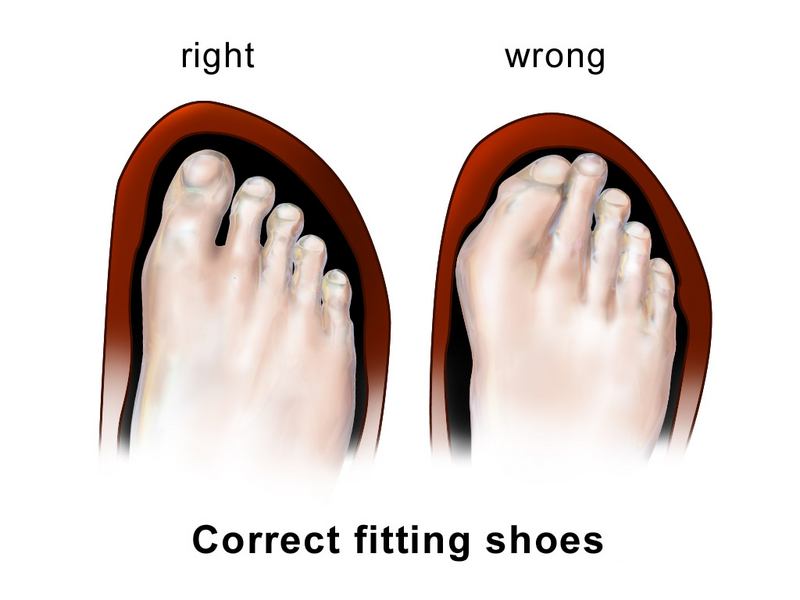
- Make sure there is about a half-inch space between your longest toe and the shoe tip.
- The shoe should fit snugly around the heel without slipping.
- Check that the shoe width feels comfortable and doesn’t pinch.
- Bend the shoe to ensure it flexes where your foot bends.
- Wear both shoes and compare the fit on each foot.

Credit: www.instagram.com
Materials And Design
The materials and design of your shoes play a huge role in how well they fit and feel throughout the day. Choosing the right combination affects not only comfort but also how your feet react to different activities and environments. Understanding these factors helps you pick shoes that support your feet properly, instead of causing pain or discomfort.
Impact On Comfort
Materials like soft leather or mesh can mold to your feet, reducing pressure points and blisters. Shoes made with stiff or cheap materials often cause discomfort quickly, no matter the style. Think about how your favorite pair feels after hours of wear — chances are, the materials and design are working in your favor.
Design elements such as padding around the heel and cushioned insoles also make a big difference. If you’ve ever felt your heel slipping or rubbing, it’s usually a sign the shoe’s design isn’t supporting your foot properly. Don’t ignore these signs; they directly impact how comfortable your shoes will be over time.
Breathability And Flexibility
Breathable materials like mesh or perforated leather keep your feet cool and dry by allowing air to circulate. This prevents sweat buildup, which can cause discomfort and even odors. Have you noticed how some shoes feel stuffy after a short walk? That’s a clear sign breathability is lacking.
Flexibility in the shoe’s design lets your foot move naturally with every step. Rigid soles or uppers can restrict movement and lead to soreness. Try bending a shoe before buying; if it resists, your feet might suffer later. Your shoes should feel like an extension of your body, not a cage.
Footwear For Specific Activities
Choosing the right footwear based on your activity can make a huge difference in comfort and performance. Shoes designed for specific purposes support your feet in unique ways. This helps prevent pain and injuries that often come from wearing the wrong type of shoe for your activity.
Running And Walking Shoes
Running and walking shoes need to fit snugly but not tightly. Your toes should have enough room to wiggle, yet your heel should stay firmly in place to avoid slipping.
Look for shoes with good cushioning to absorb shock and support arches properly. If you run, you might prefer a lighter shoe that offers flexibility and breathability.
Have you noticed your feet feeling tired or sore after a walk or run? That’s often a sign your shoes aren’t fitting correctly for the activity.
Dress And Casual Shoes
Dress shoes usually have less cushioning, so a perfect fit is even more important to avoid discomfort. They should feel comfortable right out of the box without needing a break-in period.
Casual shoes, like loafers or sneakers, offer more flexibility in fit but still need to support your foot shape. Avoid shoes that pinch or cause pressure points, as these can lead to blisters or long-term issues.
Think about how many hours you spend wearing dress or casual shoes daily. Would a slightly better fit improve your comfort and posture?

Credit: www.instagram.com
Adjusting Fit With Insoles And Inserts
Shoes often need a little help to fit just right. Insoles and inserts adjust the shoe’s shape and support. They improve comfort and solve fit issues. These small additions can make a big difference in how shoes feel. Using the right insole helps prevent foot pain and fatigue. They work by filling gaps, adding cushion, or correcting foot position. Understanding types and customization helps pick the best option.
Types Of Insoles
- Gel Insoles:Soft and cushy. Absorb shock well.
- Foam Insoles:Lightweight and flexible. Provide basic comfort.
- Orthotic Insoles:Designed for foot support. Correct foot alignment.
- Leather Insoles:Durable and breathable. Good for dress shoes.
- Heated Insoles:Keep feet warm in cold weather.
Customization Options
Custom insoles fit your feet perfectly. They are made after foot analysis.
Options include:
- Arch support tailored to your foot shape
- Heel cups for extra cushioning
- Pressure relief zones for sore spots
- Material choices for softness or firmness
Many stores offer custom fitting services. A podiatrist can also help design insoles. Customized inserts improve comfort and prevent injuries. They ensure your shoes fit better than before.
Caring For Your Shoes
Caring for your shoes helps keep them comfortable and looking good. Proper care prevents damage and keeps the fit just right. Taking time to care for shoes saves money and avoids discomfort. A few simple habits can extend the life of your favorite pairs.
Maintenance Tips
- Clean shoes regularly with a soft brush or cloth.
- Use shoe polish or conditioner for leather to keep it soft.
- Let shoes dry naturally; avoid direct heat sources.
- Store shoes in a cool, dry place to prevent mold and odors.
- Use shoe trees to keep shape and prevent creases.
- Replace insoles if they become worn or smelly.
- Rotate shoes to allow them to air out between wears.
Extending Shoe Lifespan
Protect shoes with waterproof sprays to avoid water damage. Fix small problems early, like loose stitching or worn soles. Use heel protectors to reduce wear on the back of shoes. Avoid wearing the same shoes every day. This gives materials time to recover. Choose the right size and style to reduce stress on shoes. Good fit means less stretching and damage over time.
Frequently Asked Questions
How Tight Should Shoes Fit Your Feet?
Shoes should fit snugly without squeezing your feet. There must be enough room to wiggle your toes comfortably. Tight shoes can cause blisters and pain.
How Much Toe Room Is Ideal In Shoes?
Ideal toe room is about a half-inch from longest toe to shoe tip. This space prevents pressure and allows natural toe movement.
Should Shoes Feel Comfortable Immediately Or Break In?
Shoes should feel comfortable immediately. A slight break-in period is normal, but they must not cause pain or discomfort from the start.
How Do I Check Shoe Width For Proper Fit?
Proper shoe width means the sides hug your feet without pinching. Your foot should not bulge or feel squeezed when standing.
Conclusion
Choosing shoes that fit well helps keep your feet healthy and comfortable. Shoes should feel snug but not tight, with enough room to wiggle your toes. Always check the fit by walking around before buying. Remember, good shoes support your feet and prevent pain.
Taking time to find the right fit makes a big difference every day. Your feet will thank you with each step you take. Happy walking!