Will This Tire Fit My Car? Your Essential Guide
Are you wondering, “Will this tire fit my car?” It’s a question that can save you time, money, and a lot of frustration. Choosing the wrong tire can affect your car’s safety, performance, and comfort.
But don’t worry—you’re in the right place to get clear, simple answers. Keep reading, and you’ll learn exactly how to find the perfect tire that fits your car perfectly every time. Your next smooth ride starts here.
Tire Size Basics
Choosing the right tire size for your car isn’t just about matching numbers. It affects your vehicle’s performance, safety, and comfort. Understanding the basics of tire sizes helps you make smarter decisions and avoid costly mistakes.
Decoding Tire Numbers
Tire sizes look like a code printed on the sidewall, such as 205/55R16. Each part tells you something important.
- 205– This is the tire’s width in millimeters from sidewall to sidewall.
- 55– The aspect ratio, showing the tire’s height as a percentage of its width.
- R– Indicates radial construction, which is the standard for most tires.
- 16– The rim diameter in inches that the tire fits on.
Knowing these numbers helps you check if a tire fits your car’s wheel and body space.
Importance Of Aspect Ratio
The aspect ratio affects how tall the tire’s sidewall is. A lower number means a shorter sidewall, which can improve handling but might reduce ride comfort.
On the other hand, a higher aspect ratio often provides a smoother ride but can impact steering response. Have you noticed how some tires make your car feel sportier or softer on the road? That’s the aspect ratio at work.
Understanding Rim Diameter
The rim diameter is the size of your wheel where the tire mounts. It must match perfectly for the tire to fit securely.
For example, a 16-inch tire won’t fit on a 17-inch rim. Changing rim size affects speedometer accuracy and vehicle stability, so it’s not something to adjust lightly.
Before buying new tires, check your car’s manual or the sidewall of your current tires to confirm the right rim diameter.
Checking Compatibility
Checking tire compatibility is a key step before buying new tires. It ensures safety, performance, and proper fit. Using the right tools and resources helps avoid costly mistakes. This section covers simple ways to verify if a tire fits your car perfectly.
Consulting The Owner’s Manual
The owner’s manual is the most reliable source for tire size and type. It lists recommended tire dimensions for your car model. Find the section on tires or specifications. Follow the exact size and load rating mentioned. Using the manual avoids incorrect tire choices that affect handling and safety.
Using Tire Size Charts
Tire size charts compare tire dimensions across different models. They show width, aspect ratio, and diameter clearly. Match your car’s current tire size with chart data. Check for compatible sizes that maintain speedometer accuracy and clearance. Charts also explain the meaning of tire codes for better understanding.
Online Fitment Tools
Online fitment tools offer quick tire compatibility checks. Enter your car’s make, model, and year to get suitable tire options. These tools consider factory settings and aftermarket variations. They highlight tire sizes that fit without modifications. Many sites also provide user reviews and expert advice.
Impact Of Tire Width
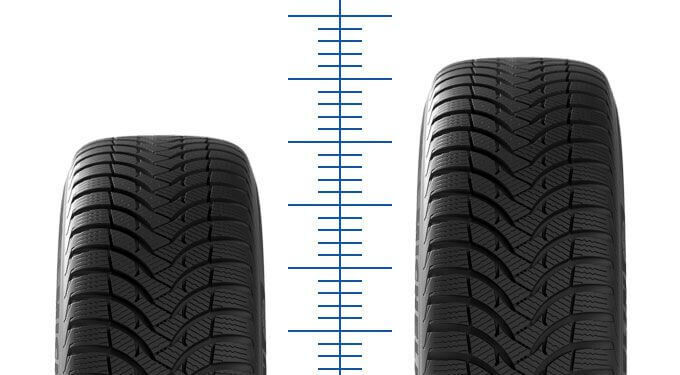
Tire width affects many parts of your car’s performance and fit. It changes how your car handles, how it fits inside the wheel well, and even the ride comfort. Choosing the right width is important for safety and driving feel.
Effects On Handling
Wider tires usually provide better grip on dry roads. They increase the contact area with the road surface. This can help in sharp turns and quick stops. Narrow tires may perform better in snow or rain because they cut through water more easily.
Changing tire width affects steering response. Wider tires can make steering feel heavier. Narrow tires often make the car easier to turn but might reduce stability at high speeds.
Clearance And Fender Issues
Tires that are too wide may rub against the car’s fenders or suspension parts. This causes noise, damage, and unsafe conditions. Cars with limited wheel well space need careful tire width choices.
Clearance issues can also affect suspension travel and alignment. This may lead to uneven tire wear or poor handling. Always measure the space inside the wheel well before choosing wider tires.

Credit: carfromjapan.com
Load And Speed Ratings
The load and speed ratings on a tire are vital details that ensure safety and performance. These ratings show the maximum weight a tire can carry and the highest speed it can safely handle. Choosing tires with the correct load and speed ratings keeps your vehicle balanced and stable on the road.
Matching Load Capacity
Load capacity tells how much weight each tire can support. Check your car’s manual or the tire placard on the door frame for the recommended load index. Using tires with lower load capacity can lead to tire failure or unsafe driving.
Always select tires that meet or exceed your vehicle’s load requirements. If you carry extra weight often, consider tires with a higher load rating for added safety and durability.
Speed Rating Considerations
Speed rating indicates the maximum speed a tire can handle safely. This rating is a letter found on the tire sidewall, such as H, V, or W. It matches your car’s top speed and driving style.
Choosing tires with a lower speed rating than your car requires can reduce performance and increase risk. Tires with a higher speed rating than necessary are acceptable but may cost more.
Seasonal Tire Choices
Choosing the right tires for each season is key to safe driving and vehicle performance. Tires designed for specific weather conditions help your car grip the road better. Understanding seasonal tire options ensures you pick the best fit for your car and environment.
All-season Vs. Summer Tires
All-season tires work well in many weather types. They handle dry, wet, and light snow conditions. These tires offer a balance of comfort, traction, and tread life.
Summer tires excel in warm weather. They provide better grip on hot roads and in rain. Their tread patterns help prevent hydroplaning and improve cornering. Summer tires are not suitable for cold or snowy conditions.
Choosing between these depends on your local climate and driving needs. Ensure the tire size matches your car’s specifications for safety and performance.
Winter Tire Fitment Tips
Winter tires have special rubber compounds that stay soft in cold weather. They improve traction on snow and ice. Using correct size and type is crucial for winter tires.
- Check your car manual for recommended tire sizes.
- Use tires marked with the mountain snowflake symbol.
- Avoid fitting winter tires that are too wide for your wheels.
- Maintain proper tire pressure as cold weather lowers it.
Proper fitment ensures better control and reduces wear. Always confirm tire dimensions and load ratings before buying winter tires.

Credit: www.instagram.com
When To Upgrade Wheels
Deciding when to upgrade your wheels can change how your car looks and drives. It’s not just about style; performance and safety matter too. Knowing the right time to make the switch helps you avoid costly mistakes and enjoy the full benefits of new wheels.
Benefits Of Larger Rims
Larger rims can improve your car’s appearance instantly. They give your vehicle a more aggressive and modern look that stands out on the road.
Performance-wise, bigger rims allow for wider tires, which can enhance grip and handling. You might notice better cornering and stability, especially on dry roads.
However, larger rims often mean lower-profile tires. This can lead to a firmer ride, but many drivers appreciate the sharper feedback from the road.
Potential Fitment Challenges
Not every larger rim fits your car perfectly. You must check the bolt pattern, offset, and wheel diameter carefully. Ignoring these can cause rubbing against suspension parts or brake components.
Sometimes, upgrading to larger wheels requires additional changes like adjusting tire size or upgrading suspension. These tweaks prevent speedometer errors and maintain proper handling.
Before buying, ask yourself: Will the new wheels clear my brakes? Will they affect my car’s fuel efficiency? These details impact your daily driving experience more than you might think.
Professional Help And Tools
Choosing the right tire for your car can be tricky, especially if you’re unsure about compatibility. Professional help and specialized tools can save you from costly mistakes and ensure your vehicle performs safely and efficiently. Experts at tire shops use precise measurements and equipment that most people don’t have at home.
Visiting Tire Shops
Going to a tire shop gives you access to trained professionals who understand your car’s specific needs. They can quickly check your current tire size and recommend the best options based on your driving habits and vehicle model.
Many shops have databases with manufacturer specifications, so they won’t just guess—they’ll give you accurate information. Plus, they often have the latest tires in stock, so you can leave with the right fit without waiting.
Have you ever been sold tires that didn’t feel quite right? A quick visit to a trusted tire shop can prevent that. You get personalized advice, and you can ask questions about tread life, performance, and warranty directly.
Using Alignment Services
Fitting new tires is just part of the job. Proper wheel alignment ensures your tires wear evenly and your car handles well. Professional alignment services use advanced machines that measure the angles of your wheels with high precision.
After installing new tires, an alignment check can spot issues that affect safety and fuel efficiency. Without it, even the right tire size might not perform as expected.
Think about how your car pulls to one side or the steering wheel isn’t centered—these are signs you need alignment. Professionals can fix these problems, helping your new tires last longer and improving your driving experience.

Credit: www.bfgoodrichtires.com
Frequently Asked Questions
How Do I Check If A Tire Fits My Car?
Check your car’s manual or tire placard for size info. Match tire width, aspect ratio, and diameter precisely for a proper fit.
Can I Use A Different Tire Size Than Recommended?
Using a different size can affect safety and performance. Always consult a tire expert before changing sizes for your vehicle.
What Does Tire Size Code Mean For Fitment?
The tire size code includes width, aspect ratio, and diameter. Understanding it ensures you select tires compatible with your car.
Will Wider Tires Affect My Car’s Handling?
Wider tires can improve grip but may reduce fuel efficiency. Ensure they fit within wheel wells to avoid rubbing or damage.
Conclusion
Choosing the right tire is key for your car’s safety and performance. Check your car’s manual or tire sidewall for size details. Match the tire size, load capacity, and speed rating carefully. Remember, the wrong tire can cause poor handling or damage.
Take time to compare options and ask experts if unsure. A good fit keeps your ride smooth and secure. Don’t rush this decision. Your car deserves the best match.