Who Invented Badminton Sport: Unveiling the Surprising Origins
Have you ever wondered who invented badminton? You might think it’s a modern sport, but its story goes way back.
Knowing who created badminton can change how you see the game every time you play or watch it. You’ll discover surprising facts about badminton’s origins that will make you appreciate the sport even more. Get ready to uncover the fascinating history behind the game you love.
Keep reading—you won’t want to miss this!

Credit: www.olympics.com
Origins Of Badminton
Badminton has a rich history that traces back several centuries. Its origins are linked to ancient games played in different parts of the world. Over time, these early games evolved into the sport known today as badminton.
The sport combines elements of skill, agility, and strategy. Understanding its beginnings helps appreciate how badminton became popular worldwide.
Early Games In Ancient Civilizations
Games similar to badminton existed in ancient civilizations. In Greece, a game called “Tossing the Shuttlecock” was popular. Players used their hands to hit a feathered object back and forth.
In China, a game named “Ti Jian Zi” involved kicking a shuttlecock to keep it in the air. This game focused more on footwork but shared the shuttlecock concept.
Development In British India
The modern form of badminton developed in British India during the 19th century. British officers stationed there played a game called “Poona,” named after the city Pune.
Poona involved a net and rackets, resembling today’s badminton. It quickly gained popularity among British soldiers and locals.
The Role Of Badminton House
The name “badminton” comes from Badminton House in England. The Duke of Beaufort hosted a party in 1873 where the game was introduced to British high society.
The sport spread rapidly across England after that event. Formal rules were written, and badminton clubs were established.
Standardization And Growth
The Bath Badminton Club formed in 1877 to create official rules. They helped standardize court size, scoring, and equipment.
Badminton soon became an organized sport. It grew internationally, reaching Asia, Europe, and beyond.
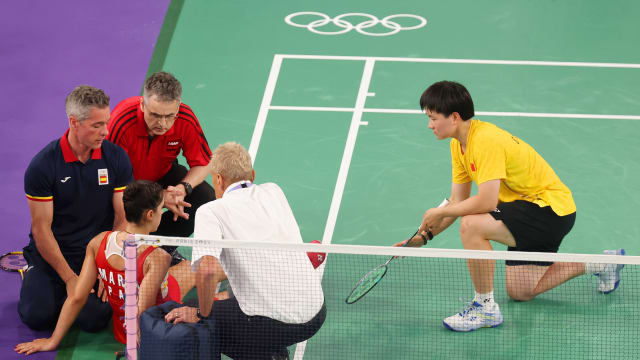
Credit: www.olympics.com
Ancient Games Influencing Badminton
Badminton’s roots trace back through history to various ancient games. These early games shaped how badminton developed into the sport known today. Understanding these influences reveals badminton’s rich heritage and evolution over time.
Battledore And Shuttlecock
One of the oldest games linked to badminton is battledore and shuttlecock. Players used a small paddle called a battledore to hit a shuttlecock. The goal was to keep the shuttlecock in the air as long as possible. This game dates back over 2,000 years in Asia and Europe. It helped develop hand-eye coordination and quick reflexes. Battledore and shuttlecock laid the groundwork for the racket and shuttlecock play in badminton.
Poona And Its Impact
Poona was a popular sport in 19th-century India. British officers stationed there adopted it and brought it to England. The game involved hitting a shuttlecock over a net using rackets. Poona introduced the idea of a net and formal court boundaries. It shaped the modern rules and structure of badminton. The name “badminton” comes from Badminton House in England, where the sport grew in popularity.
The Duke Of Beaufort’s Contribution
The Duke of Beaufort’s role in shaping badminton cannot be overlooked. His estate, Badminton House, became the birthplace of the sport as we know it today. Through his influence, the game gained structure and popularity, especially among England’s upper class.
The Badminton House Event
In the mid-19th century, the Duke of Beaufort hosted a gathering at his Gloucestershire estate, Badminton House. During this event, guests played a game involving a shuttlecock and rackets, which was a blend of older games like battledore and shuttlecock.
This occasion is often credited as the moment when the game was named “badminton.” The Duke’s estate provided the perfect setting for refining the rules and encouraging competitive play.
Popularization In England
After the event at Badminton House, the sport quickly caught on in England. Clubs began forming, and local tournaments increased interest and skill levels.
By the 1870s, official rules were established, largely influenced by the gatherings and matches held at the Duke’s estate. If you want to see how a sport gains momentum, look at how badminton spread from a noble’s home to public courts across England.
Evolution Of Rules
The rules of badminton have changed significantly since the sport began. These changes helped shape badminton into the fast and fun game it is today. The rules evolved through many stages. Each stage made the game clearer and fairer.
At first, players used simple rules. Over time, a group took charge and set official rules. This made it easier for players worldwide to compete and enjoy badminton.
Early Game Rules
In the early days, badminton was played with loose rules. The court size and net height varied. Players often decided the score system themselves. Some matches had no time limits. The shuttlecock was made from different materials. This caused differences in speed and flight.
Players served underhand, hitting the shuttlecock over the net. Points were scored only by the serving side. Games often ended when a player reached 15 points. Sometimes, the rules differed by country or club. This made it hard to hold official tournaments.
Standardization By The Badminton Association
The Badminton Association was formed in 1893 in England. They created the first official rulebook. These rules fixed the court size at 44 feet by 20 feet. The net height was set at 5 feet in the center. The serving rules were clarified to keep games fair.
Points could now be won by either player or team. Matches were played best of three games. Each game was played to 15 points for men and 11 for women. These standards helped the sport grow globally. Players learned the same rules and played fairly.
Later, the International Badminton Federation refined the rules further. They introduced rally point scoring and other changes. These updates made the game faster and more exciting. The clear rules now help players focus on skill and strategy.
Spread Across Continents
The journey of badminton from a simple pastime to a globally recognized sport is fascinating. Its spread across continents shows how a game can cross borders and cultures, adapting to new environments while maintaining its core excitement. Understanding this spread gives you a clearer picture of how badminton became the sport you enjoy today.
Introduction To Asia
Asia played a crucial role in badminton’s rise to international fame. Countries like India and China embraced the game early on, turning it into a competitive sport rather than just a casual activity. The sport’s fast pace and skillful play resonated well with Asian players and fans.
Think about how badminton is almost a national obsession in countries like Indonesia and Malaysia today. These nations have produced world-class players who have dominated international tournaments. Have you ever wondered why badminton courts are a common sight in so many Asian communities?
Growing Popularity In Europe
Europe saw badminton evolve from a Victorian parlor game into a structured sport with official rules. The British played a key role in organizing and promoting badminton clubs, especially in England and Denmark. This helped badminton gain a foothold and attract a diverse group of players.
European countries also contributed to badminton’s competitive scene through international championships and leagues. This created opportunities for players to challenge themselves at higher levels. Could your local sports club be the next stepping stone for a future badminton champion?
Modern Badminton
Modern badminton has evolved into a fast-paced, thrilling sport that attracts players and fans worldwide. Its rules and equipment have been refined over time to enhance gameplay and competitiveness. Understanding how the sport has developed helps you appreciate its current global status and what makes it so exciting to watch and play.
Olympic Inclusion
Badminton became an official Olympic sport in 1992 during the Barcelona Games. This inclusion gave the sport a huge boost in popularity and recognition. You might find it interesting that only a few sports achieve this status, highlighting badminton’s growing global appeal.
Since then, badminton has featured in every Summer Olympics, showcasing intense matches between top players. The Olympic stage puts immense pressure on athletes, pushing them to display their best skills. Watching these games can inspire you to improve your own technique and strategy.
Professional Tournaments
Professional badminton tournaments are held worldwide, attracting elite players and large audiences. Events like the All England Open and the BWF World Championships highlight the sport’s competitive spirit. These tournaments offer thrilling matches filled with speed, agility, and precision.
If you follow these events, you’ll notice how players adapt their styles against different opponents. This adaptability is key to success and something you can practice in your games. Attending or watching these tournaments can deepen your understanding of badminton’s tactical depth.

Credit: www.instagram.com
Frequently Asked Questions
Who Invented The Sport Of Badminton?
Badminton was invented in the mid-19th century by British army officers stationed in India. They adapted a traditional game called “battledore and shuttlecock” into modern badminton.
When Was Badminton Officially Recognized As A Sport?
Badminton was officially recognized in 1877 with the formation of the Bath Badminton Club in England, setting standardized rules for the sport.
How Did Badminton Get Its Name?
The sport is named after Badminton House, the Duke of Beaufort’s estate in Gloucestershire, England, where the game was first played indoors.
Who Created The First Badminton Rules?
The Bath Badminton Club members created the first official rules in 1877 to standardize gameplay and promote competitive matches.
Conclusion
Badminton started long ago with simple origins. It grew from an old game called battledore and shuttlecock. The British made it into the sport we play today. Many people helped shape the rules and style. Now, badminton is popular worldwide and loved by many.
Knowing its history helps us appreciate the sport more. It shows how games can change over time. Badminton continues to bring fun and health benefits to players everywhere. A simple game turned into a global sport. That’s the story behind badminton’s invention.