What Sport Has More Concussions: A Shocking Comparison of Head Injury Rates
Have you ever wondered which sport puts your brain at the greatest risk? Understanding which sport has more concussions can help you make smarter choices about your safety and health.
Whether you play, coach, or simply watch, knowing the facts about concussion risks can protect you and those you care about. Keep reading to discover surprising truths that could change how you think about your favorite game—and how to stay safe while enjoying it.
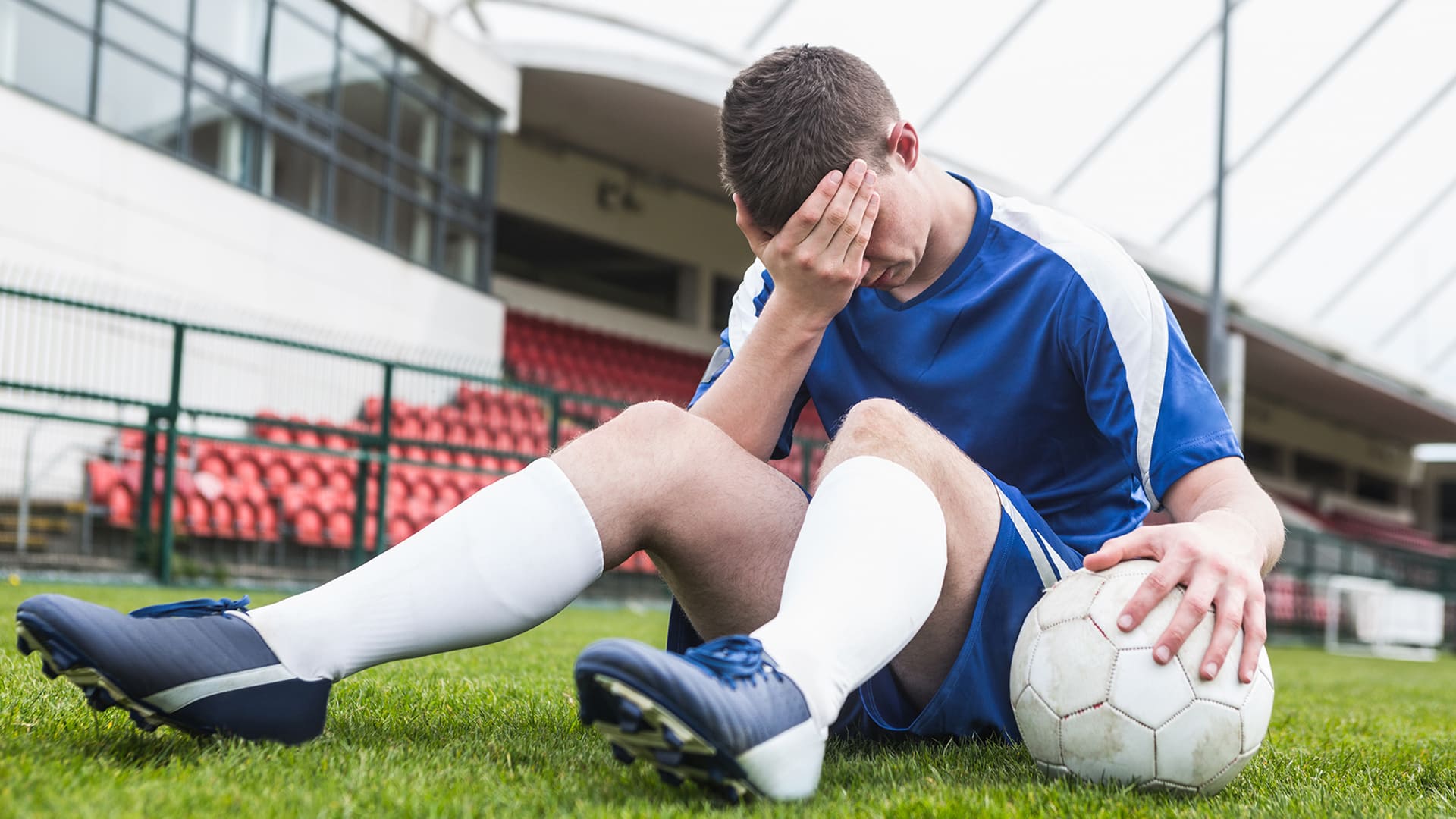
Credit: storelli.com
Concussion Statistics In Sports
Concussions in sports are a serious concern that affect athletes at all levels. Understanding the statistics behind these injuries helps you see which sports carry more risk. This knowledge can guide you in making safer choices for yourself or your loved ones involved in sports.
Sports With The Highest Number Of Concussions
Football leads the pack with the highest number of reported concussions annually. The combination of high-speed collisions and frequent tackles makes it a hotspot for head injuries.
Hockey and soccer follow closely, with many concussions resulting from player contact and accidental hits to the head. Even sports that seem less aggressive, like basketball, have notable concussion rates due to falls and collisions.
Concussion Rates Compared By Participation
| Sport | Concussions per 1,000 Athlete Exposures | Common Cause of Concussion |
|---|---|---|
| Football | 0.6 | Player-to-player contact |
| Hockey | 0.5 | Body checks and falls |
| Soccer | 0.3 | Heading the ball and collisions |
| Basketball | 0.2 | Falls and collisions |
Why Do Some Sports Have More Concussions?
Contact level plays a huge role. Sports like football and hockey involve aggressive physical contact almost every play.
Speed also increases risk. The faster players move, the harder impacts become, making concussions more likely.
Have you noticed how protective gear differs between sports? Some equipment may reduce severity but cannot eliminate concussion risk entirely.

Credit: activesafe.ca
Football: High Impact Risks
Football stands out as one of the sports with the highest risk of concussions. The game’s nature involves frequent, high-impact collisions that put players’ heads in danger. Understanding these risks can help you make safer choices whether you’re playing, coaching, or watching.
Physical Nature Of Football
The sport demands aggressive contact, from tackles to blocks. Each hit can deliver force strong enough to shake the brain inside the skull. This repetitive trauma increases the chance of concussions over time.
Common Situations Leading To Concussions
- Helmet-to-helmet collisions during tackles.
- Sudden, unexpected hits when players are not braced.
- Falls that cause the head to hit the ground hard.
Have you ever noticed how some injuries happen more when players are caught off guard? Awareness on the field can sometimes reduce these risks.
Impact Of Position And Play Style
Positions like linebacker and running back often face more high-speed impacts. Their role requires them to initiate or absorb heavy hits regularly. If you play these positions, extra caution and proper technique are crucial.
Protective Gear And Its Limits
Helmets are designed to reduce injury but don’t eliminate concussion risk. They absorb some shock but can’t fully prevent the brain from moving inside the skull. Knowing this helps you appreciate why technique and rules are just as important as equipment.
Soccer: Hidden Dangers
Soccer is often seen as a safe sport compared to high-impact games like football or hockey. Yet, it carries its own risks, especially related to concussions. Many players and fans underestimate how common and serious head injuries can be on the soccer field.
Heading The Ball: A Risky Move
Players frequently use their heads to control the ball, but this action can lead to repeated minor head impacts. Over time, these impacts add up and increase the chance of a concussion.
Imagine a player heading the ball dozens of times during a game and practice. That repeated contact may cause subtle brain injuries that are often overlooked.
Collisions And Accidental Hits
Soccer involves fast movements and close contact, which sometimes results in accidental clashes between players. Elbows, knees, and even the ball hitting the head at high speed can cause concussions.
You might not expect a concussion without a dramatic fall, but many happen during routine plays. This makes awareness and quick response vital.
Signs Of A Concussion In Soccer Players
- Headache or pressure in the head
- Dizziness or balance problems
- Confusion or feeling “foggy”
- Nausea or vomiting
- Blurred vision or sensitivity to light
If you notice any of these signs in yourself or a teammate after a hit, don’t ignore them. Early recognition can prevent further damage.
Protective Measures To Reduce Risk
- Learning proper heading techniques
- Using protective headgear when recommended
- Enforcing fair play to avoid aggressive contact
- Encouraging players to report symptoms immediately
Have you ever thought about how training and rules can change the safety of the game? Small changes in how you play can make a big difference.
Rugby: Tough Tackles And Head Injuries
Rugby is known for its intense physicality and fast-paced action. The sport’s tough tackles are thrilling to watch but come with a serious risk: head injuries. Many players, even at amateur levels, face concussions that can have lasting effects on their health and performance.
How Rugby Tackles Contribute To Concussions
In rugby, tackling involves full-body contact without the protective gear seen in other sports. Players often collide at high speeds, aiming to bring opponents down quickly. This creates a high chance of head impacts, especially when tackles are mistimed or involve the upper body.
Your head can hit the ground, another player’s shoulder, or helmet, causing the brain to jolt inside the skull. These impacts can lead to concussions, even if the hit seems minor. Have you ever wondered how many tackles in a game actually lead to a concussion?
Signs Of Concussion In Rugby Players
Recognizing concussion symptoms early can prevent further damage. Common signs include dizziness, headaches, confusion, and nausea. Some players might feel fine but still have a brain injury that needs attention.
If you or someone you know plays rugby, watch for these symptoms after a heavy tackle. Prompt action can mean the difference between a quick recovery and long-term issues.
Preventing Head Injuries In Rugby
- Proper Technique:Learning safe tackling techniques reduces the risk of head impacts.
- Rule Changes:Many leagues now enforce stricter penalties for high tackles.
- Protective Gear:Though limited, scrum caps can offer some protection.
- Education:Players and coaches must understand concussion risks and management.
Could improving these areas make rugby safer without taking away its excitement? Your thoughts could help shape the future of the sport.
Ice Hockey: Speed And Collisions
Ice hockey is a fast sport with intense physical contact. Players skate quickly while controlling the puck. This speed creates many chances for collisions. The game demands quick reactions and sharp skills.
Collisions in ice hockey happen often during checks and fights for the puck. These impacts can cause players to hit the boards or ice hard. The force of these hits increases the risk of concussions. Understanding how speed and collisions affect players helps explain concussion rates in ice hockey.
High-speed Impacts On The Ice
Players reach speeds over 20 miles per hour during a game. At this speed, body checks become more dangerous. A hit at high speed can cause sudden head movements. This rapid motion can lead to brain injuries like concussions.
Physical Contact And Body Checking
Body checking is legal and common in ice hockey. Players use their bodies to block or knock opponents down. These hits often cause direct or indirect hits to the head. The frequent contact raises the chance of concussion.
Boarding And Its Risks
Boarding happens when a player is pushed into the boards hard. This can cause the player’s head to strike the boards or ice. Such impacts are a major cause of concussions in hockey. Officials watch closely to penalize dangerous boarding.
Protective Gear And Limitations
- Helmets reduce but do not stop concussion risks
- Face shields protect against cuts, not brain injuries
- Proper fit and condition of gear matter a lot
Gear helps but cannot prevent all head injuries. Players must stay alert and avoid dangerous plays.
Basketball: Unexpected Head Impacts
Basketball may not seem like a high-risk sport for head injuries. Yet, players often face unexpected impacts to the head. These impacts can lead to concussions that many might overlook. The fast pace and close contact increase the risk.
Players jump, run, and collide frequently. These actions can cause sudden hits to the head. Even without helmets, the risks remain high. Understanding these impacts helps in recognizing the dangers.
Common Causes Of Head Impacts In Basketball
- Elbows during rebounding or shooting
- Accidental collisions between players
- Falls after contact or losing balance
- Ball hitting the face or head unexpectedly
- Head hitting the floor during dives or falls
Why Concussions Often Go Unnoticed
- Symptoms may be mild or delayed
- Players want to continue playing
- Lack of immediate medical checks
- Confusion with fatigue or minor injuries
Preventing Head Injuries In Basketball
- Wearing protective headgear in practice
- Teaching safe playing techniques
- Strict rules against dangerous contact
- Prompt medical evaluation after any head impact
Comparative Analysis Of Head Injury Rates
Comparing head injury rates across different sports can reveal surprising patterns that challenge common assumptions. Understanding which sports have higher concussion rates helps you make informed decisions about safety and prevention. Let’s break down the data to see where the risks are greatest and what that means for athletes, coaches, and parents.
Concussion Rates In Contact Sports
Sports like football, hockey, and rugby often top the list for concussion occurrences due to their physical nature. Football, for example, has a high frequency of helmet-to-helmet collisions, increasing the chance of head injuries. Yet, hockey players also face risks from both high-speed impacts and falls on hard ice surfaces.
Interestingly, rugby players do not wear helmets, which changes how injuries occur but doesn’t necessarily reduce the concussion rate. The absence of protective gear leads to different injury patterns, making awareness and technique crucial for safety.
Head Injuries In Non-contact Sports
It might surprise you to learn that sports considered non-contact, like soccer and basketball, also report significant concussion rates. In soccer, head injuries often result from heading the ball or player collisions during aerial challenges.
Basketball players face risks from accidental elbow strikes or falls, which can cause concussions despite the sport’s non-contact classification. These examples show that concussion risk isn’t limited to traditionally aggressive sports.
Statistical Comparison Of Concussion Incidences
| Sport | Concussions per 1,000 Athlete Exposures | Primary Cause |
|---|---|---|
| Football | 6.3 | Helmet-to-helmet collisions |
| Rugby | 4.0 | Tackling without helmets |
| Hockey | 5.0 | Player contact and falls |
| Soccer | 2.5 | Heading and collisions |
| Basketball | 1.3 | Falls and accidental strikes |
Factors Influencing Head Injury Rates
Rules, protective gear, and playing style all affect concussion rates in sports. Some sports have adapted with better helmet technology and stricter penalties for dangerous plays.
But even with improvements, your behavior and technique on the field can make a huge difference. Are you aware of how your movements and awareness can reduce your own risk?
What You Can Do To Stay Safe
- Learn and follow proper techniques to avoid risky impacts.
- Use recommended protective equipment correctly every time.
- Communicate openly about symptoms and never ignore a possible concussion.
- Support rule changes that promote safer play environments.
Knowing which sports have higher concussion rates helps you stay alert. It also encourages taking active steps to protect yourself and others. Have you thought about how you can apply these insights to your own sport or your child’s activities?
Preventative Measures In Sports
Preventative measures in sports are crucial to reducing the risk of concussions, especially in high-impact activities. Taking proactive steps can protect you and your teammates while keeping the game enjoyable. Let’s look at some practical ways you can stay safer on the field.
Proper Use Of Protective Gear
Wearing the right equipment correctly makes a big difference. Helmets designed for your specific sport can absorb impact and reduce head injuries. Make sure your gear fits well—an ill-fitting helmet can cause more harm than good.
Have you checked your equipment lately? Regular maintenance and replacement of worn-out gear is essential to keep it effective.
Training Techniques To Minimize Head Impact
Learning how to fall and tackle safely can prevent many concussions. Coaches should emphasize proper body positioning and controlled movements during practice. Teaching athletes to avoid dangerous hits can change how the game is played.
Think about how often you practice safe techniques—could improving this reduce your injury risk?
Rule Changes And Enforcement
Sports leagues often update rules to protect players better. Penalties for dangerous plays discourage risky behavior and keep players accountable. You have a role in following these rules and encouraging others to do the same.
Does your sport have clear rules against head-first contact? If not, pushing for change might protect you and future players.
Education And Awareness Programs
Understanding concussion symptoms helps you recognize when to seek help. Many teams now offer training on recognizing and reporting head injuries early. The sooner a concussion is treated, the better the recovery.
Are you and your teammates aware of concussion signs? Having open conversations about safety can save careers—and lives.
Advancements In Safety Equipment
Advancements in safety equipment have changed how sports handle concussions. New gear reduces the risk of head injuries and protects athletes better. These improvements come from research and technology working together. Sports with high concussion rates have seen big changes in their protective gear.
Better helmets and padding now absorb impacts more effectively. Designs focus on reducing the force that reaches the brain. This means fewer concussions and safer play for athletes at all levels. Safety equipment evolves to meet the demands of each sport.
Helmet Technology Improvements
Modern helmets use advanced materials that absorb shock well. Layers of foam inside helmets reduce impact forces. Some helmets include sensors to detect hits and assess risk. Designs fit better, staying secure during fast movements and collisions. These helmets lower the chance of serious head injuries.
Impact-detecting Sensors
Sensors track impacts in real time during games and practices. They send alerts when a player experiences a strong hit. Coaches and medical staff use this data to check injured players quickly. This technology helps catch concussions earlier, preventing further harm. It also collects data to improve safety gear over time.
Improved Mouthguards
Mouthguards now offer more than dental protection. Some designs include sensors to measure impact force. These devices help identify concussions that might go unnoticed. Mouthguards also help reduce the force transmitted to the brain. Athletes benefit from better protection and injury monitoring.
Padding And Protective Gear
New padding materials absorb shocks better than old foam. Shoulder pads, chest protectors, and neck guards reduce injury risk. Gear designs focus on comfort and mobility to encourage use. Protective equipment adapts to the specific risks of each sport. This reduces the number and severity of concussions.

Credit: www.researchgate.net
Future Trends In Concussion Research
The future of concussion research holds exciting possibilities that could change how sports-related head injuries are understood and managed. New technologies and deeper studies aim to improve safety for athletes in all sports, especially those with high concussion rates. How these innovations will affect your game or your child’s sports experience is worth considering.
Advances In Diagnostic Technology
Improved tools for diagnosing concussions are making a big difference. Portable devices that measure brain activity on the sidelines help doctors quickly spot injuries. Imagine having an instant check-up right after a hit, reducing guesswork and speeding up treatment.
Personalized Treatment Plans
Research is moving toward tailored treatments based on individual differences. Not every concussion is the same, so knowing your specific risks and recovery patterns can guide better care. This approach helps avoid generic advice and focuses on what truly helps your brain heal.
Long-term Impact Studies
Scientists are tracking athletes over years to understand how repeated concussions affect the brain. These studies reveal patterns that can guide safer sports practices and policies. Are you aware of the long-term risks when you or your loved ones step onto the field?
Preventive Equipment Innovations
New materials and designs aim to reduce concussion risks before injuries happen. Helmets and mouthguards are becoming smarter and more effective. This means you might soon wear gear that actively protects your brain rather than just reducing impact.
Education And Awareness Campaigns
Better education for players, coaches, and parents is a key focus. Understanding concussion signs and the importance of proper care can prevent serious complications. How confident are you in recognizing a concussion when it happens?
Frequently Asked Questions
What Sport Has The Highest Concussion Rates?
Football has the highest concussion rates due to frequent collisions. Its intense physical contact leads to more head injuries than other sports.
Why Are Concussions Common In Contact Sports?
Contact sports involve frequent impacts and collisions. These impacts increase the risk of brain injuries, making concussions common in sports like football and hockey.
How Do Concussion Rates Compare In Football And Soccer?
Football has higher concussion rates than soccer. The aggressive tackles and helmet-to-helmet hits in football cause more concussions than soccer’s less frequent head impacts.
Can Concussions Occur In Non-contact Sports?
Yes, concussions can happen in non-contact sports. Falls, collisions, or accidents in sports like cycling or gymnastics can cause concussions despite less physical contact.
Conclusion
Sports like football and hockey show high concussion risks. These injuries need serious attention and care. Players, coaches, and fans must know the dangers. Using safety gear and following rules helps protect athletes. Being aware can reduce concussion cases in sports.
Choosing safer play styles also lowers risks. Protecting the brain should always come first. Stay informed, stay safe, and enjoy sports wisely.