What Size Rims Fit My Car: Ultimate Guide to Perfect Fitment
Choosing the right rim size for your car might seem simple, but it can actually make a big difference in how your vehicle looks and drives. You want rims that fit perfectly—not too big, not too small—to keep your ride safe, smooth, and stylish.
But how do you know what size rims fit your car? This guide will clear up the confusion and help you make the best choice. Keep reading, and you’ll soon have the confidence to pick rims that match your car’s needs and your personal style.

Credit: www.carsales.com.au
Rim Sizing Basics
Choosing the right rim size is key to your car’s performance and look. Rims come in various sizes, and each size affects how your car drives. Understanding basic rim sizing helps make the best choice for your vehicle.
Rim size includes diameter, width, and bolt pattern. These parts must fit your car perfectly. Incorrect sizes can cause poor handling, tire wear, or damage.
Rim Diameter
Rim diameter is the distance across the center of the rim. It is measured in inches. Common sizes range from 14 inches to 22 inches. The diameter must match your tire size for safety and performance.
Rim Width
Rim width is the distance from one edge to the other. It affects the tire’s shape and grip. Width is also measured in inches. Choosing the right width ensures the tire fits well and drives smoothly.
Bolt Pattern
The bolt pattern shows how many bolts hold the rim to the car. It also shows the distance between bolts. Matching the bolt pattern is necessary for the rim to fit securely. Each car model has a specific bolt pattern.
Offset And Backspacing
Offset is the distance between the rim’s mounting surface and its centerline. It can be positive, negative, or zero. Correct offset keeps wheels inside the car’s body. Backspacing is the distance from the mounting surface to the back edge of the rim. Both affect the car’s handling and clearance.
Reading Rim Size Labels
Rim sizes are written like this: 17×7.5. The first number is diameter, the second is width. Other specs may include bolt pattern and offset. Always check these numbers before buying rims.
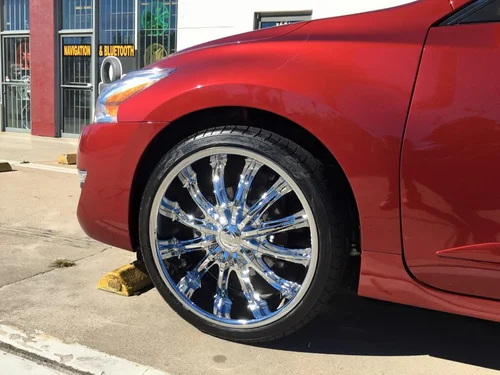
Credit: audiosport1.com
Understanding Wheel Diameter
Understanding wheel diameter is crucial when figuring out what size rims fit your car. The wheel diameter refers to the distance across the wheel, measured from one edge to the other through the center. It directly affects your car’s performance, handling, and appearance.
I once swapped rims on my own car without checking the wheel diameter first. The new rims looked great but caused rubbing against the brake calipers, making me realize how important it is to know this measurement accurately. Have you ever experienced issues after changing your wheels?
What Does Wheel Diameter Mean?
Wheel diameter is the size of the wheel measured in inches, from one side to the other through its center. This size is usually stamped on the wheel or listed in your car’s manual. For example, a 17-inch wheel has a diameter of 17 inches.
Knowing this size helps you pick rims that fit properly without causing mechanical problems or safety risks.
How Wheel Diameter Affects Your Car
- Handling:Larger wheels can improve handling by offering more tire contact with the road.
- Ride Comfort:Bigger rims often mean thinner tires, which can make your ride bumpier.
- Speedometer Accuracy:Changing wheel diameter can affect your speedometer readings, sometimes making them inaccurate.
Have you noticed changes in your car’s feel after swapping wheels? It could be linked to diameter changes.
Finding The Right Wheel Diameter For Your Car
Check your vehicle’s manual or the sticker inside the driver’s door; it usually lists the recommended wheel sizes. Another quick way is to look at the current wheels—you’ll see numbers like “P215/55R17,” where “17” is the wheel diameter in inches.
Matching this diameter ensures your car maintains optimal performance and safety.
Width And Offset Considerations
Choosing the right rim size for your car goes beyond diameter. Width and offset play a crucial role in how the rim fits and performs. Ignoring these factors can lead to poor handling, rubbing issues, or even damage to your vehicle.
Understanding Rim Width
Rim width is the distance between the inside edges of the rim where the tire beads sit. It affects tire fitment and how the tire sits on the rim.
If the rim is too narrow for the tire, the tire sidewalls may bulge out, compromising stability. Too wide, and the tire may stretch, reducing grip and increasing wear.
For example, a 225/45R17 tire fits best on rims between 7 and 8 inches wide. Matching width within this range ensures the tire maintains its intended shape and performance.
What Does Offset Mean For Your Car?
Offset is the distance from the wheel’s mounting surface to its centerline. It determines how far the wheel sits inside or outside the wheel well.
A positive offset pushes the wheel inward, closer to the suspension, while a negative offset pushes it outward. Incorrect offset can cause rubbing against brakes, suspension parts, or fenders.
Imagine installing wheels with a much lower offset than stock; they might stick out past the fender edge, leading to legal and safety concerns. Conversely, too high an offset can cause clearance issues inside the wheel well.
Balancing Width And Offset For Perfect Fitment
Both rim width and offset must work together for proper fitment. Wider rims often require an offset adjustment to keep the tire centered in the wheel well.
When I swapped to wider rims, I had to carefully select an offset that avoided rubbing on the inner suspension components. Checking manufacturer specifications and consulting fitment guides saved me from costly mistakes.
Ask yourself: Does your chosen rim width and offset keep the tire aligned without scraping or pushing the wheels too far out? Balancing these specs ensures safe handling and a clean look.
Importance Of Bolt Pattern
The bolt pattern plays a key role in selecting the right rim size for your car. It refers to the arrangement of the holes where the wheel bolts attach the rim to the hub. A correct bolt pattern ensures the rim fits securely and safely on the vehicle.
Choosing rims without matching the bolt pattern can cause poor wheel alignment or even damage. This leads to unsafe driving conditions and costly repairs. Understanding bolt patterns helps avoid these issues and ensures smooth installation.
What Is A Bolt Pattern?
The bolt pattern shows how many bolts your wheel uses and their spacing. It is written as two numbers, like 5×114.3. The first number is the count of bolts, and the second is the distance between them in millimeters.
Why Does Bolt Pattern Matter?
The bolt pattern must match exactly for the wheel to fit. Even a small difference can stop the rim from mounting properly. A proper fit keeps the wheel stable and prevents wobbling or vibrations.
How To Measure Bolt Pattern
- Count the number of bolt holes on the rim.
- Measure the distance between the center of one bolt hole to the center of the opposite hole.
- For odd numbers of bolts, measure from the center of one bolt to the farthest bolt hole.
Common Bolt Patterns For Cars
| Bolt Pattern | Number of Bolts | Typical Vehicles |
|---|---|---|
| 4×100 | 4 | Compact cars, small sedans |
| 5×114.3 | 5 | Mid-size cars, SUVs |
| 6×139.7 | 6 | Trucks, larger SUVs |
Impact On Vehicle Performance
Choosing the right rim size affects how your car drives and handles. The size impacts acceleration, braking, and even fuel efficiency. Small changes in rim size can lead to noticeable differences in performance. Understanding these effects helps you pick rims that fit your needs and keep your vehicle safe.
Acceleration And Rim Size
Smaller rims usually weigh less, helping your car accelerate faster. Larger rims add weight, which can slow down acceleration. The size also changes the tire’s rolling diameter, affecting the speedometer reading and engine effort.
Handling And Ride Comfort
Rims with bigger diameter often use low-profile tires. These tires improve cornering and steering response. Smaller rims with taller tires offer a softer ride and absorb road bumps better. The right balance depends on your driving style and road conditions.
Braking Performance
Heavier rims increase the car’s unsprung weight, making brakes work harder. Large rims can fit bigger brake components, which may improve stopping power. However, too large rims may cause brake wear and reduce efficiency.
Fuel Efficiency
Heavier and larger rims require more energy to move. This extra effort lowers fuel economy. Choosing rims that match your car’s design can help maintain better gas mileage. Light and properly sized rims keep fuel use in check.
How To Measure Rim Size
Measuring rim size is essential for choosing the right wheels for your car. Correct rim size ensures safety, good performance, and a perfect fit. Understanding how to measure rim size helps avoid costly mistakes.
Measure The Rim Diameter
Rim diameter is the distance across the rim from one edge to the other. Use a tape measure or ruler. Measure from inside edge to inside edge, not the outer lip. The diameter is usually shown in inches.
Check The Rim Width
Rim width is the distance between the inner edges of the rim flanges. Measure across the rim’s interior, not the outer edge. Rim width affects tire fit and car handling.
Identify The Bolt Pattern
The bolt pattern shows how many bolts secure the rim to the hub. It also includes the distance between these bolts. Count the bolt holes, then measure the distance between opposite holes.
Measure The Offset
Offset is the distance from the rim’s mounting surface to its centerline. Positive offset means the mounting surface is closer to the outside edge. Negative offset means it is closer to the inside edge. Use a ruler or caliper for accuracy.
Use The Tire Sidewall As A Reference
The tire sidewall has numbers that show rim size. Look for a number like “R15” or “R17”. The number after “R” is the rim diameter in inches. This helps verify your manual measurements.
Common Rim Sizes For Popular Cars
Choosing the right rim size is key for your car’s performance and look. Different cars use different rim sizes. Some sizes are common among popular models. Knowing these sizes helps you pick the best rims. This guide covers common rim sizes for popular cars.
Toyota Corolla Rim Sizes
The Toyota Corolla usually fits rims between 15 and 17 inches. Most models come with 16-inch rims as standard. Upgrading to 17 inches can improve style but may affect ride comfort. The bolt pattern for the Corolla is often 5×100.
Honda Civic Rim Sizes
Honda Civics often use 16 to 18-inch rims. The base models have 16-inch rims. Sportier trims may have 17 or 18 inches. The common bolt pattern is 5×114.3. These sizes balance performance and appearance well.
Ford F-150 Rim Sizes
Ford F-150 trucks usually have larger rims. Sizes range from 17 to 20 inches. Many models use 18-inch rims as stock. The bolt pattern is commonly 6×135 or 6×139.7. Larger rims help with off-road and heavy-duty use.
Chevrolet Silverado Rim Sizes
Chevy Silverados typically come with 17 to 20-inch rims. Many trucks use 18-inch rims standard. The bolt pattern is often 6×139.7. Bigger rims suit the Silverado’s rugged style and strength. They also improve handling.
Volkswagen Golf Rim Sizes
Volkswagen Golf models usually have 15 to 18-inch rims. Standard trims use 15 or 16 inches. Higher trims come with 17 or 18 inches. The bolt pattern is often 5×112. These sizes offer a good mix of comfort and sportiness.
Custom Vs. Stock Rims
Choosing between custom and stock rims affects your car’s look and performance. Stock rims come with your vehicle from the factory. Custom rims are aftermarket wheels tailored to your style or needs.
Each option has benefits and limits. Understanding these helps you pick the right fit for your car and driving habits.
Advantages Of Stock Rims
- Designed to fit your car perfectly
- Tested for safety and durability
- Usually cheaper than custom rims
- Easy to replace with exact matches
- Maintains original ride quality
Benefits Of Custom Rims
- Wide variety of sizes and styles
- Enhances your car’s appearance
- Can improve handling with lighter materials
- Allows personalization to match taste
- Can increase vehicle value if well chosen
Considerations Before Choosing
- Custom rims may affect fuel efficiency
- Improper fit can cause handling problems
- Stock rims keep warranty intact
- Custom rims may need extra maintenance
- Check size compatibility with your car model
Tire Compatibility
Understanding tire compatibility is essential when selecting the right rim size for your car. Tires and rims must work together perfectly to ensure safety, performance, and comfort. If the sizes don’t match, you risk poor handling, uneven wear, or even damage to your vehicle.
Tire Width And Rim Width Matching
The width of your tire should align closely with the width of your rim. Tires too narrow for the rim can lead to poor stability, while tires too wide may not seat properly, causing air leaks or unsafe driving conditions. Typically, rim width is about 70-90% of the tire width.
For example, a 225mm wide tire fits well on a 7 to 8-inch wide rim. Checking the manufacturer’s recommended ranges can save you trouble down the road.
Tire Diameter And Rim Diameter Compatibility
Your tire’s diameter must match the rim’s diameter exactly. A tire labeled 17 inches will only fit a 17-inch rim. Even a small mismatch, like pairing a 16-inch tire with a 17-inch rim, can cause dangerous driving conditions and damage your tire or rim.
Have you ever tried fitting a tire only to find it doesn’t sit right? That mismatch is usually due to diameter differences.
Aspect Ratio And Its Effect On Compatibility
The aspect ratio is the height of the tire sidewall as a percentage of the tire width. This ratio affects the overall tire diameter and how it fits on the rim. Lower aspect ratios mean shorter sidewalls, which can change how the tire performs on a specific rim width.
Think about sports cars with low-profile tires—they need rims designed to handle that specific tire height to maintain proper grip and comfort.
Load Rating And Speed Rating Considerations
Besides size, tires have load and speed ratings that must align with your vehicle’s requirements. Using a tire with insufficient load capacity or speed rating can compromise safety. Always check your car’s manual or tire placard to find the minimum ratings you need.
Ignoring these ratings might seem harmless, but it can lead to tire failures under stress or high speeds.
How To Check Your Current Tire And Rim Compatibility
Look at the sidewall of your current tires—there you’ll find numbers like 205/55R16. These numbers tell you tire width, aspect ratio, and rim diameter. Match these numbers to your new rims to ensure compatibility.
If you’re unsure, many online calculators and local tire shops can help you verify the perfect rim and tire combo for your car.
Safety And Legal Aspects
Choosing the right rim size for your car affects safety and legal compliance. Incorrect rims can cause handling problems and increase accident risks. Legal rules control rim sizes to keep roads safe for everyone.
Understanding these safety and legal aspects helps you make smart decisions. Your car’s performance and your safety depend on proper rim fitment. Laws ensure vehicles meet safety standards on the road.
Safety Risks Of Incorrect Rim Size
Wrong rim size can cause tire wear and poor handling. It may affect braking and steering control. This raises the chance of accidents, especially in bad weather. Suspension and alignment may also suffer damage.
Legal Limits On Rim Sizes
Many regions have laws about rim dimensions. These rules protect vehicle stability and road safety. Using rims outside legal limits can lead to fines. Insurance may refuse claims after accidents if rims violate laws.
How To Check Rim Size Compliance
Consult your vehicle’s manual for recommended rim sizes. Check local traffic or transport authority rules. Use a professional service to measure and fit rims correctly. Keep documentation of approved rim specifications.
Tips For Safe And Legal Rim Selection
- Match rim size to manufacturer specifications.
- Avoid extreme size changes that affect vehicle balance.
- Choose rims certified by recognized safety standards.
- Seek advice from certified tire and rim experts.
Tips For Choosing The Right Rims
Choosing the right rims for your car affects its look and performance. The correct size ensures safety and smooth driving. Consider several factors before making a decision. Here are key tips to help you find the perfect rims.
Understand Your Car’s Specifications
Check the owner’s manual for recommended rim sizes. This includes diameter, width, and bolt pattern. Using the right specs prevents damage and maintains handling. Avoid rims that are too large or too small.
Match Rim Size With Tire Size
Rims and tires must fit together perfectly. A mismatch causes poor grip and uneven wear. Use a tire size calculator to find compatible options. Choose tires that balance comfort and performance.
Consider Rim Material And Weight
Rims come in steel, alloy, or aluminum. Alloy rims are lighter and improve fuel efficiency. Steel rims are durable but heavier. Lighter rims enhance acceleration and braking.
Evaluate Your Driving Style
Daily city driving needs different rims than off-road or racing. Larger rims look stylish but may reduce ride comfort. Smaller rims can absorb road shocks better. Pick rims that fit your driving needs.
Check Bolt Pattern And Offset
The bolt pattern must match your car’s hub. Incorrect patterns cause unsafe fitting. Offset affects how far the rims stick out. Proper offset keeps tires from rubbing the body or suspension.
Set A Budget
Rim prices vary widely. Decide how much to spend before shopping. Quality rims last longer and perform better. Balance cost with durability and appearance.

Credit: golfcartstuff.com
Frequently Asked Questions
What Factors Determine The Right Rim Size For My Car?
Rim size depends on your car’s make, model, and year. It affects handling, ride comfort, and aesthetics. Always check your vehicle manual or consult a professional before purchasing rims.
Can I Fit Larger Rims On My Car Safely?
Yes, but only within manufacturer-recommended limits. Larger rims may affect speedometer accuracy and ride quality. Ensure tire size matches to maintain proper performance and safety.
How Do Rim Width And Diameter Affect Car Performance?
Rim width influences tire grip and handling, while diameter impacts ride comfort and speedometer readings. Choosing the correct size balances performance, safety, and appearance.
Why Is Bolt Pattern Important For Rim Fitment?
Bolt pattern ensures the rim fits securely onto your car’s hub. Using the wrong pattern can cause vibrations or unsafe driving conditions. Always match the bolt pattern to your vehicle.
Conclusion
Choosing the right rim size matters for your car’s safety and look. Check your car’s manual for recommended sizes. Too big or too small rims can cause problems. Good rims help your car drive smoothly and look great. Always consider tire size and clearance space.
Take time to measure and compare before buying. The right rims improve performance and keep your car safe. Simple steps save you money and trouble later. Your car deserves the best fit for rims.