What Size Do Newborn Clothes Fit: A Parent’s Guide
Buying clothes for your newborn can feel confusing. You might wonder, “What size will actually fit my baby?”
Choosing the right size is important—not just for comfort, but to make sure your little one looks and feels great. If you pick clothes that are too big or too small, it can cause frustration for both you and your baby.
You’ll discover exactly what size newborn clothes fit, how to measure your baby, and tips to avoid common mistakes. Keep reading to find out how to make dressing your newborn simple and stress-free.

Credit: glowing.com
Newborn Clothing Sizes
Newborn clothing sizes help parents find the right fit for their babies. These sizes focus on comfort and ease of movement. Babies grow fast, so choosing clothes that fit well is important. Understanding the size system makes shopping easier and avoids returns.
Standard Size Ranges
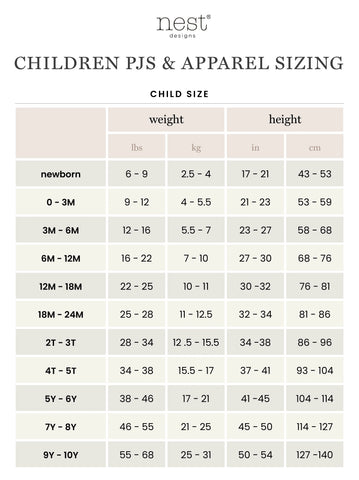
Newborn clothes usually come in a few size categories. The most common is labeled “Newborn” or “NB.” This size fits babies up to about 7-8 pounds. The next size is often called “0-3 months,” designed for babies weighing 8-12 pounds. These ranges cover typical newborn sizes but can differ slightly depending on the brand.
Weight And Length Guidelines
Clothing sizes often include weight and length suggestions. For example:
- Newborn (NB):Fits babies 5-8 pounds and 17-21 inches long.
- 0-3 Months:Fits babies 8-12 pounds and 21-24 inches long.
These guidelines help parents pick clothes that allow room for growth without being too big or tight. Babies grow quickly, so clothes with some stretch or snap closures work best.
Variations Among Brands
Each brand may have its own sizing standards. Some brands run smaller, while others are larger or roomier. Checking size charts on brand websites is useful. Reading customer reviews can also reveal how true to size the clothes are. Trying different brands helps find the perfect fit for your baby.
Choosing The Right Size
Choosing the right size for newborn clothes can feel tricky. Babies grow fast, and each one is unique in size and shape. Picking clothes that fit well ensures your baby stays comfortable and you avoid constant wardrobe changes.
Measuring Your Baby
Start by measuring your baby’s length from head to heel and their chest circumference. Use a soft measuring tape for accuracy.
Keep a small notebook handy to track these numbers regularly. This helps you know when to move up a size without guessing.
Remember, weight alone doesn’t tell the full story. Two babies of the same weight can have different lengths and body shapes.
Considering Growth Spurts
Babies often have sudden growth spurts, sometimes overnight. It’s wise to buy clothes that have a little extra room to accommodate these quick changes.
Look for adjustable features like stretchy fabrics, snaps, or elastic waistbands. These details make clothes last longer through growth phases.
Have you noticed your baby outgrowing outfits faster than expected? Keeping a few larger sizes ready can save last-minute shopping stress.
Seasonal Clothing Tips
Think about the season when choosing newborn clothes. Lightweight cotton is perfect for summer, while soft layers work well for colder months.
Consider buying clothes one size bigger for winter, so your baby has room for warm layers underneath.
Don’t forget to check the fabric’s breathability and ease of washing. Babies can be messy, and easy-care clothes make life simpler for you.
Types Of Newborn Clothes
Choosing the right types of newborn clothes can feel overwhelming at first. Each piece serves a specific purpose, ensuring your baby stays comfortable and safe. Knowing what to focus on helps you avoid buying items that might not get used much.
Onesies And Bodysuits
Onesies and bodysuits are the foundation of any newborn wardrobe. They offer easy diaper changes with snap closures and keep your baby cozy without extra bulk. Many parents find that having plenty of these on hand makes dressing and undressing simpler during those frequent diaper changes.
Look for soft, breathable fabrics like cotton. Some bodysuits come with fold-over cuffs to protect against scratches—something you might not think about until you see those tiny baby nails in action!
Sleepwear Options
Newborns sleep a lot, so comfortable sleepwear is essential. Sleepers and footed pajamas keep your baby warm without the need for loose blankets, which can be a safety hazard. You’ll want options with zippers or snaps that open from the front or side to make nighttime changes quick and stress-free.
Consider the room temperature and season when picking sleepwear. Thinner layers work well for warmer months, while fleece or thermal pajamas suit colder nights.
Outerwear Essentials
Even if you don’t plan to go outside often, having a few outerwear pieces is important. A soft jacket or a wearable blanket can protect your newborn from chilly drafts during quick trips outdoors. Make sure the outerwear is easy to put on and take off—bulky layers can frustrate both you and your baby.
Think about versatility: a hooded sweater or a swaddle wrap can serve multiple purposes, from car rides to stroller walks. Do you have a favorite go-to outerwear piece that made outings easier? It’s worth adding that to your must-have list.

Credit: www.amazon.com
Common Fit Issues
Newborn clothes often come with tricky fit issues. These problems can make dressing your baby harder than expected. Clothes might feel tight in some spots but loose in others. Understanding common fit issues helps keep your baby comfy and happy.
Too Tight Or Too Loose
Clothes that are too tight can irritate your baby’s skin. They may leave red marks or restrict movement. On the other hand, loose clothes can catch on things or cause discomfort. Loose outfits might also make diaper changes harder. Choosing the right size means finding a balance between snug and roomy.
Sleeve And Leg Length Problems
Sleeves and legs that are too long can cover tiny hands and feet. This may make your baby feel restricted or cold. Short sleeves and legs can expose skin and cause chafing. Pay attention to the length to ensure full coverage without excess fabric. Proper sleeve and leg length also help your baby move freely.
Adjusting For Comfort
Look for clothes with adjustable features like snaps, elastic bands, or stretchy fabrics. These allow easy changes as your baby grows fast. Soft materials reduce skin irritation and improve comfort. Always check for tight seams or tags that might bother your baby. Adjusting clothes properly helps your newborn stay cozy all day.
Shopping Tips For Parents
Shopping for newborn clothes can feel overwhelming, especially with so many sizes and styles available. The key is to focus on what truly matters: comfort, fit, and practicality. Knowing the right tips can save you time, money, and stress, making the process much more enjoyable.
Buying For Premature Babies
Premature babies need clothes that fit their smaller, more delicate bodies. Look for sizes labeled “preemie” or “newborn preemie” as these are designed specifically for their tiny frames. Soft fabrics and adjustable fasteners, like snaps or stretchy necklines, make dressing easier and gentler on sensitive skin.
If your baby arrives early, you might find it helpful to buy clothes in bulk from specialty stores or online shops focused on preemie sizes. Have you checked if your hospital offers clothing donations? Many do, and it’s a great way to find items that fit perfectly without spending extra.
Choosing Fabric And Material
Choose natural fabrics like cotton or bamboo that allow the skin to breathe and reduce irritation. Avoid synthetic materials that might cause sweating or rashes. Softness is key—your baby’s skin is delicate, so the fabric should feel gentle to the touch.
Wash all clothes before the first wear using a baby-friendly detergent. This helps remove any chemicals or residues that could irritate your baby’s skin. Have you considered organic cotton options? They often offer extra softness and fewer chemicals.
Budget-friendly Options
Newborns grow quickly, so it’s wise not to overspend on clothes they will outgrow fast. Look for sales, clearance racks, or secondhand stores where you can find quality pieces at lower prices. Buying multi-packs of basic items like onesies or sleepers can also stretch your budget.
Consider swapping clothes with other parents or joining local parenting groups online. You’d be surprised how many gently used clothes are available that still look brand new. Have you thought about focusing on essentials rather than trendy outfits? This keeps your baby’s wardrobe practical and your wallet happy.

Credit: www.amazon.com
Frequently Asked Questions
What Size Fits Most Newborn Babies?
Newborn clothes labeled “newborn” or “0-3 months” fit most babies. These sizes suit infants weighing 5-8 pounds. Growth rates vary, so some babies may need larger sizes sooner. Always check size charts for accurate fitting.
How Long Do Newborn Clothes Typically Fit?
Newborn clothes usually fit for 2 to 3 months. Babies grow quickly, so clothes may become tight by then. Growth depends on weight and length at birth. Opt for sizes with some room to extend wear time.
Should I Buy Preemie Or Newborn Clothes?
Buy preemie clothes if your baby weighs under 5 pounds. Newborn sizes fit babies 5-8 pounds. Preemie clothes are smaller and designed for early births. Check your baby’s birth size before purchasing.
Are Newborn Clothes Unisex Or Gender-specific?
Most newborn clothes are unisex with neutral colors and designs. Gender-specific options are available but not necessary. Choose styles based on comfort and ease of use rather than gender. Soft fabrics are best for sensitive skin.
Conclusion
Newborn clothes usually fit babies up to 7-8 pounds. Sizes vary by brand, so check labels carefully. Choosing soft, stretchy fabrics helps keep babies comfortable. Remember, babies grow fast and need bigger clothes quickly. Keep a few larger sizes ready for easy changes.
Knowing proper sizes saves time and stress for parents. Dress your baby in clothes that fit well and feel gentle. Simple steps make dressing your newborn easier every day.