What is Title Ix in Sports: Key Facts Every Athlete Must Know
Have you ever wondered why girls and women have more opportunities in sports today? Or how schools make sure that everyone gets a fair chance to play and compete?
The answer often comes down to something called Title IX. Understanding Title IX in sports is important for you—whether you’re an athlete, a parent, or just someone curious about fairness in athletics. This law has changed the game in ways you might not even realize.
Keep reading to discover what Title IX really means and how it impacts your world in sports.

Credit: www.newsobserver.com
Title Ix Fundamentals
Understanding the fundamentals of Title IX is crucial if you want to grasp its impact on sports and education. This federal law changed the playing field by ensuring gender equality, especially in schools and colleges. Let’s break down the basics so you can see why it matters to you and your community.
Origin And Purpose
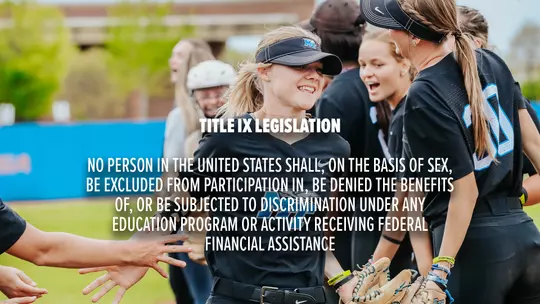
Title IX was passed in 1972 as part of the Education Amendments. Its main goal is clear: no one should face discrimination based on sex in any educational program receiving federal funding.
Before Title IX, many female athletes had far fewer opportunities than their male counterparts. The law aimed to fix that by guaranteeing equal access to sports, scholarships, and facilities.
Think about your own school experience. Have you noticed differences in support or resources between boys’ and girls’ sports teams? Title IX was designed to close those gaps.
Scope In Education
Title IX covers all educational activities, not just sports. This includes admissions, recruitment, financial aid, and even classroom treatment.
In sports, the law requires schools to provide equal opportunities and funding for both male and female athletes. This includes equipment, coaching, and travel expenses.
If you’re a student or parent, knowing this can help you advocate for fair treatment. Are your school’s athletic programs truly balanced, or is there room for improvement?
Impact On Sports
Title IX has reshaped sports across schools and colleges in the United States. It ensures fair treatment and access for everyone. The law impacts how sports programs operate, who gets to play, and how resources are shared.
Many athletes benefit from increased chances to participate. Schools work harder to balance teams and funding. Title IX promotes fairness and respect in sports environments.
Equal Opportunities
Title IX requires schools to offer equal sports chances for all genders. Schools must provide similar numbers of teams and practice times. Scholarships and equipment also need to be fairly distributed. This rule helps girls and women join sports more often. Boys and men keep their chances but must not have more.
Gender Equity
Gender equity means treating everyone fairly in sports settings. Title IX guides schools to fix past inequalities. It pushes for equal budgets and coaching quality. Safe and supportive environments for female athletes are a priority. This leads to more respect and better experiences for all players.
Compliance Requirements
Understanding the compliance requirements of Title IX in sports is crucial for any educational institution. These rules ensure fair treatment and equal opportunities for all student-athletes, regardless of gender. Meeting these obligations not only prevents legal trouble but also creates a healthier and more inclusive environment for sports programs.
Institutional Obligations
Every school or college receiving federal funds must follow Title IX rules strictly. This means they must actively prevent discrimination based on gender in all sports activities. You might wonder how this looks in practice—schools must have clear policies, provide training for staff, and maintain transparent complaint procedures.
Institutions are also required to appoint a Title IX coordinator. This person handles complaints and ensures the school stays on track with the law. Without this role, it’s easy for problems to go unnoticed or ignored.
Athletic Program Standards
Title IX demands equal opportunities in athletic programs. This includes offering comparable sports teams, scholarships, and facilities for both male and female athletes. Schools must regularly review participation numbers and funding to spot and fix any imbalances.
- Equal access to quality coaching and training resources.
- Fair scheduling of games and practice times.
- Equitable distribution of equipment and uniforms.
Have you ever considered how much impact these standards have on an athlete’s experience? When you see an institution genuinely committed to these rules, the difference in morale and performance is clear.
Benefits For Athletes
Title IX has brought significant benefits to athletes, especially in leveling the playing field for women in sports. It’s more than just a law; it’s a gateway to new opportunities that many athletes never had before. These benefits touch on various aspects of sports participation and support, shaping how athletes grow and succeed.
Increased Participation
Title IX has dramatically increased the number of female athletes in schools and colleges. More girls and women are now able to join sports teams, compete, and develop their skills. This rise in participation creates a richer, more diverse sports environment where everyone has a chance to shine.
Think about how many more girls you see playing sports today compared to a decade ago. That growth didn’t happen by chance—it happened because Title IX opened doors that were once closed. Increased participation also means more role models for younger athletes, inspiring them to pursue their passion.
Access To Resources
Title IX ensures that female athletes receive fair access to equipment, coaching, facilities, and funding. Before this law, many female teams had to make do with outdated gear or limited practice times. Now, athletes benefit from better training environments and professional support.
Imagine training with the right equipment and expert coaches; it changes your entire experience and performance. Title IX pushes schools to provide equal resources, which directly impacts how athletes improve and compete. Could your performance improve with better resources? Title IX makes that a real possibility for many.
Challenges And Criticisms
Title IX has brought major changes to sports by promoting gender equality. Still, it faces several challenges and criticisms. These issues affect how well the law works in schools and sports programs. Understanding these problems helps explain the ongoing debates about Title IX.
Funding Disparities
Many schools struggle to provide equal funding for men’s and women’s sports. Budgets often favor men’s programs, leaving women’s teams with less money. This gap affects equipment quality, coaching, and travel opportunities. Some argue Title IX unintentionally causes funding cuts to men’s sports instead of increasing support for women’s teams.
Funding problems also limit access to scholarships for female athletes. This creates unfair competition and fewer chances for women to advance in sports. Equal money does not always mean equal experience for all athletes.
Implementation Issues
Schools face challenges applying Title IX rules fairly and clearly. Some institutions focus on meeting numbers rather than true equality. This leads to token compliance instead of real change.
Enforcement varies by region and school size. Smaller schools may lack resources to follow all Title IX guidelines. Some programs cut men’s sports teams entirely to balance participation numbers. This can create resentment and legal battles.
Confusion about what counts as equal treatment causes ongoing disputes. Many argue for clearer policies and stronger oversight to improve fairness in sports.

Credit: medium.com
Future Of Title Ix In Sports
The future of Title IX in sports holds significant promise and challenges. As society changes, so do the expectations and interpretations of this landmark law. Understanding how Title IX adapts will help you see its ongoing role in creating fairness and opportunity in sports.
Evolving Regulations
Title IX regulations continue to evolve to address new issues in sports equality. Recent updates aim to clarify protections for transgender athletes and improve enforcement mechanisms. These changes show a commitment to making sports inclusive for everyone.
You might wonder how these evolving rules affect your local school or team. Staying informed allows you to advocate for fair treatment and ensure that policies reflect current values of equity.
Impact Of Social Movements
Social movements have pushed Title IX to expand beyond just gender equality to broader inclusion. Movements advocating for LGBTQ+ rights and racial justice influence how Title IX is applied in sports settings. This shift encourages institutions to rethink how they support all athletes.
Think about the last time you saw a change in your sports community inspired by activism. These moments highlight the power of voices demanding fairness and respect under Title IX.
Credit: goblueraiders.com
Frequently Asked Questions
What Is Title Ix In Sports?
Title IX is a federal law that prohibits sex discrimination in education programs. It ensures equal opportunities for women and men in school sports.
How Does Title Ix Impact Female Athletes?
Title IX requires schools to provide equal sports opportunities, scholarships, and resources to female athletes, promoting gender equality in athletics.
Who Enforces Title Ix In Sports Programs?
The U. S. Department of Education’s Office for Civil Rights enforces Title IX compliance in educational sports programs.
What Sports Programs Must Comply With Title Ix?
All federally funded schools and colleges must comply with Title IX in their athletics programs, including high school and college sports.
Conclusion
Title IX protects equal sports opportunities for all students. It helps schools provide fair chances for girls and boys. This law encourages more participation in sports. Schools must follow Title IX rules to avoid discrimination. Understanding Title IX shows how sports can be fair and equal.
Everyone benefits when chances in sports are balanced. Sports teach teamwork, confidence, and health to all. Remember, Title IX supports fairness, not just rules. It shapes a better future in school athletics.