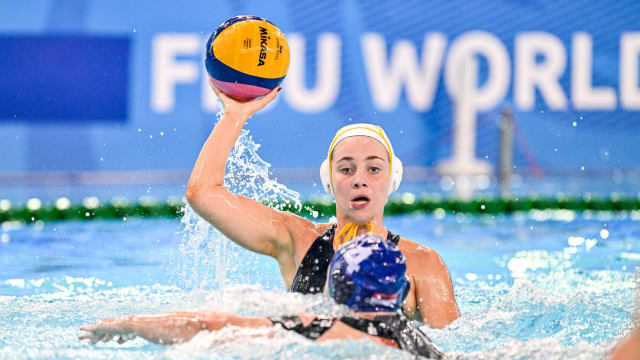
What is the Sport Water Polo: Ultimate Guide to Rules & Benefits
Have you ever wondered what makes water polo such an exciting and challenging sport? If you’re curious about a game that combines swimming, teamwork, and strategy all in one fast-paced action, you’re in the right place.
Water polo might look simple at first, but once you dive deeper, you’ll discover a thrilling sport that tests your endurance, skill, and quick thinking. Keep reading to uncover everything you need to know about water polo and why it could be the perfect sport for you to watch or even try yourself!
History Of Water Polo
The history of water polo is rich and fascinating. It started as a simple aquatic contest and grew into a structured sport played worldwide. Understanding its past helps appreciate its present form and global popularity.
Origins Of The Sport
Water polo began in the late 19th century in Great Britain. It started as a form of rugby played in rivers and lakes. Early matches were rough, with players wrestling in water to gain control of the ball. The sport was called “water rugby” before adopting the name water polo.
Evolution Through The Years
The rules changed over time to create a safer and more skill-based game. The ball used became smaller and easier to handle. Swimming techniques improved, making the game faster. Teams began to form, and official competitions were organized. Water polo spread across Europe and later to other continents.
Key Milestones
- 1900: Water polo became an Olympic sport at the Paris Games.
- 1920s: Introduction of standardized rules and referees.
- 1950s: Development of specialized training and tactics.
- 1976: Women’s water polo started gaining international recognition.
- 2000: Women’s water polo included in the Olympic program.
Fundamentals Of Water Polo
Understanding the fundamentals of water polo is key to appreciating this fast-paced and physically demanding sport. It combines swimming, strategy, and teamwork in a dynamic water environment. If you’ve ever wondered what it takes to play or watch water polo with insight, knowing the basics will give you a clear edge.
Basic Gameplay
Water polo is played between two teams, each aiming to score goals by throwing the ball into the opponent’s net. The game consists of four quarters, and players swim continuously, passing the ball while defending against opponents. Unlike many sports, players can only touch the ball with one hand, except the goalkeeper who uses both.
Matches require constant movement and endurance, as players tread water using a technique called the eggbeater kick. Have you ever tried moving quickly in water without touching the bottom? This skill is crucial to maintain balance and speed during play.
Essential Equipment
Water polo requires minimal but specific equipment to ensure safety and fairness. Each player wears a cap with ear protectors, usually numbered for identification. The caps also help distinguish teams, with one team wearing dark and the other light-colored caps.
The ball is slightly smaller than a soccer ball and designed to float, making it easier to handle on water. Pools used for water polo have clearly marked boundaries, goalposts, and a designated penalty area, all tailored for the sport’s unique demands.
Player Positions
Water polo teams have seven players in the water at a time: six field players and one goalkeeper. Each player has a specific role, such as the center forward who tries to score close to the opponent’s goal, or defenders who guard key attacking players.
- Goalkeeper:Protects the goal and directs the defense.
- Center Forward:Positioned near the opponent’s goal, often battling defenders.
- Drivers:Agile players who create scoring chances through quick movements.
- Point:Often the playmaker, positioned at the top of the offensive setup.
Knowing these positions helps you understand the flow of the game and the tactics teams use. Which role do you think requires the most stamina and why?
Rules Of Water Polo
The rules of water polo guide how the game is played and judged. They keep the match fair and fun for all players. Understanding these rules helps fans and players enjoy the sport better. The game has clear limits on time, scoring, and fouls. Each rule ensures the game flows smoothly and safely.
Game Duration
A standard water polo match has four quarters. Each quarter lasts eight minutes of active play. The clock stops for fouls, goals, and timeouts. Teams switch sides after each quarter. There is a short break between quarters. The total playtime is about 32 minutes, not counting pauses.
Scoring System
Players score by throwing the ball into the opponent’s goal. Each goal counts as one point. The team with the most points wins the game. Goals can be scored from any position in the pool. Players must shoot within the shot clock time. The shot clock usually lasts 30 seconds per possession.
Fouls And Penalties
Water polo has two main types of fouls: ordinary and major. Ordinary fouls include minor rule breaks like holding the ball too long. Major fouls include aggressive actions like pushing or holding an opponent. Major fouls result in a player being excluded for 20 seconds. Serious fouls can lead to penalty shots. Referees watch closely to keep the game safe.

Credit: mg.co.za
Strategies In Water Polo
Strategies in water polo are the backbone of every successful team. They shape how players move, defend, and score. Understanding these strategies will help you see the game with fresh eyes and improve your own play.
Offensive Tactics
Scoring in water polo isn’t just about power; it’s about precision and timing. Teams often use quick passes to confuse defenders and create open shots. One effective tactic is the “drive,” where a player suddenly swims toward the goal to receive a pass in a scoring position.
Think about how you can use space to your advantage. Moving without the ball can open up passing lanes and force defenders to react. Have you noticed how some players seem to anticipate these moves? That’s practice turning into instinct.
Defensive Techniques
Defense in water polo demands sharp focus and physical endurance. A common technique is “press defense,” where defenders stay close to their opponents, limiting their movement and options. Another is the “zone defense,” where players guard specific areas instead of individuals.
Good defenders read the offense like a book. They watch the ball and the players’ body language to predict passes. Ask yourself: how can you improve your reaction time and positioning in the water?
Team Coordination
Water polo is a team sport where coordination can make or break a match. Players must communicate constantly, signaling each other about threats and opportunities. Timing is crucial—passes, shots, and defenses all rely on players moving as one unit.
From my experience playing water polo, the teams that succeed have a rhythm. They practice set plays but adapt on the fly. How well do you listen to your teammates and adjust your play accordingly?
Health Benefits
Playing water polo offers more than just fun in the pool; it delivers a range of health benefits that can improve your life. This sport challenges your body and mind while encouraging teamwork and social connections. Let’s look closer at how water polo can boost your physical fitness, mental well-being, and social interaction.
Physical Fitness
Water polo works your entire body. Swimming back and forth builds cardiovascular endurance and strengthens muscles in your arms, legs, and core. The constant treading and quick movements enhance your balance and coordination.
If you want to improve your stamina and muscle tone without putting stress on your joints, water polo is a great choice. It’s a full-body workout that feels more like a game than exercise.
Mental Well-being
Water polo demands focus and quick thinking. You need to plan your moves while reacting to opponents and teammates. This mental challenge sharpens your concentration and decision-making skills.
Have you noticed how physical activity can lift your mood? The mix of exercise and social play in water polo releases endorphins that help reduce stress and anxiety. It’s a natural way to feel happier and more relaxed.
Social Interaction
Playing water polo connects you with others who share your passion. The team environment builds trust and communication skills as you work together to score goals and defend.
Have you ever experienced how being part of a team creates a sense of belonging? Water polo encourages friendships and support networks that extend beyond the pool. It’s not just a sport; it’s a community.

Credit: www.telegraph.co.uk
Water Polo For Beginners
Water polo is an exciting water sport that combines swimming, teamwork, and strategy. Beginners find it a great way to improve fitness and have fun in the pool. The sport requires players to swim quickly, pass the ball, and score goals against the opposing team. Understanding the basics helps new players enjoy the game and develop their skills step by step.
Getting Started
Start by learning basic swimming skills. Strong swimming is essential for moving fast in the water. Practice treading water to stay afloat without touching the pool floor. Familiarize yourself with the ball by passing and catching it in the pool. Joining a local water polo club or class helps you learn rules and team play. Wear a water polo cap to protect your ears during matches.
Training Tips
- Build endurance with regular swimming practice.
- Work on your ball-handling skills every session.
- Practice quick passes and accurate shots at the goal.
- Learn to tread water using the eggbeater kick for stability.
- Train with teammates to improve communication and teamwork.
Common Challenges
Staying afloat while handling the ball can feel hard at first. It takes time to build the right strength and balance. Breathing control is also a challenge during fast swimming and intense play. Coordination between swimming and ball skills needs practice. Expect some muscle soreness after training, especially in arms and legs. Patience and regular practice help overcome these challenges.
Competitive Water Polo
Competitive water polo is a fast-paced and intense sport played worldwide. Teams battle in the pool using strategy, speed, and strength. Matches require sharp skills and excellent teamwork. Players must be strong swimmers and good at passing and shooting the ball. Water polo tests endurance and mental toughness.
Major Competitions
Water polo features many important competitions. The Olympic Games is the highest stage for this sport. The FINA World Championships also attract top teams globally. Continental tournaments like the European Water Polo Championship highlight strong regional rivals. These events showcase elite athletes and thrilling matches.
Professional Leagues
Several countries host professional water polo leagues. These leagues offer regular competition for top players. Italy’s Serie A1 and Hungary’s Országos Bajnokság I are among the best. Leagues help players improve by facing skilled opponents often. Fans enjoy watching skilled athletes compete weekly.
Career Opportunities
Water polo opens many career paths. Players can join clubs, national teams, or become coaches. Some athletes become referees or sports officials. Others work in sports management or training. The sport teaches discipline and teamwork, valuable in many jobs.
Water Polo Community
The water polo community is a vibrant and supportive network. It connects players, coaches, and fans worldwide. This community helps the sport grow at all levels. From beginners to professionals, everyone finds a place here. The passion for water polo unites people across countries and cultures.
Local Clubs
Local clubs are the heart of the water polo community. They offer training and competition for all ages. Clubs create a friendly space to learn the sport. Many clubs organize local tournaments and events. They help players improve skills and make new friends.
Global Organizations
Global organizations guide water polo’s rules and growth. They host international competitions like the Olympics and World Championships. These groups promote fair play and safety. They also support development programs in different countries. Their work connects water polo players worldwide.
Role Of Coaches
Coaches shape players’ skills and love for water polo. They teach techniques, teamwork, and strategy. Good coaches motivate athletes to reach their best. They create a positive and safe training environment. Coaches also help players build confidence and discipline.

Credit: www.decimas.com
Frequently Asked Questions
What Is Water Polo And How Is It Played?
Water polo is a team water sport combining swimming, ball skills, and strategy. Two teams try to score goals by throwing a ball into the opponent’s net. Players swim continuously and use passing and shooting techniques to outscore the other team.
How Many Players Are In A Water Polo Team?
A water polo team has seven players in the water at once. This includes six field players and one goalkeeper. Teams also have substitutes to rotate in during the game to maintain energy and performance.
What Are The Basic Rules Of Water Polo?
Water polo rules include no touching the bottom, no holding opponents, and ball handling only with one hand. Each game has four periods, and teams score by throwing the ball into the goal. Fouls result in free throws or player exclusions.
What Skills Are Essential For Water Polo Players?
Essential water polo skills include swimming speed, ball control, shooting accuracy, and strong teamwork. Players must also have stamina and the ability to tread water effectively, using techniques like the eggbeater kick to stay afloat.
Conclusion
Water polo is a fast and exciting sport played in water. It requires strength, skill, and teamwork. Players swim, pass, and shoot to score goals. The game is fun to watch and play. Anyone can enjoy learning its basic rules.
Try watching a match to see the action live. Water polo offers great exercise and team spirit. It is a unique sport that challenges both body and mind. Give it a chance and see how thrilling it can be.