What is the Air Force Physical Fitness Test: Ultimate Guide to Success
Are you ready to take on the Air Force Physical Fitness Test but unsure what it really involves? Understanding this test is key to preparing yourself and reaching your best performance.
Your fitness level plays a huge role in your success, and knowing what to expect can give you the confidence to push through. You’ll discover exactly what the Air Force Physical Fitness Test is, how it’s scored, and simple tips to help you pass with flying colors.
Keep reading to unlock the secrets that will get you one step closer to your Air Force goals.
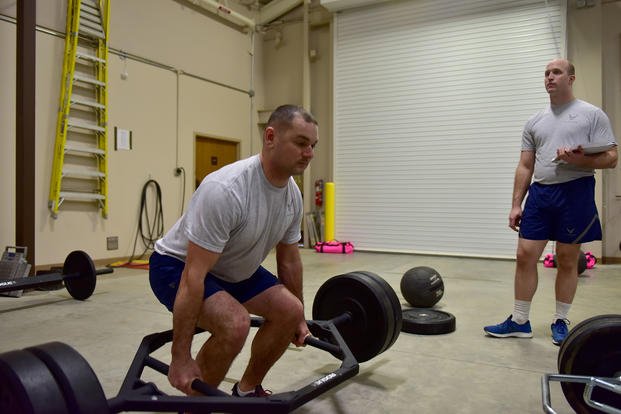
Credit: www.military.com
Overview Of The Air Force Physical Fitness Test
The Air Force Physical Fitness Test (PFT) is a key measure of your physical readiness and overall health as a service member. It’s designed to assess your strength, endurance, and cardiovascular fitness through specific exercises. Understanding what the test involves can help you prepare effectively and meet the standards required to serve at your best.
What The Air Force Physical Fitness Test Measures
The PFT evaluates three main areas: aerobic capacity, muscular strength, and body composition. You will be tested on your ability to run, perform push-ups, and complete sit-ups within a set time. These exercises give a clear picture of your physical condition and help identify areas for improvement.
Components Of The Test
- 1. 1.5-Mile Run:This measures your cardiovascular endurance and stamina.
- 2. Push-Ups:These test your upper body strength and endurance.
- 3. Sit-Ups:This exercise evaluates your core strength and endurance.
Each component has minimum standards based on your age and gender. Meeting these standards is crucial, but pushing beyond them can boost your fitness and confidence.
How The Test Affects Your Career
Your PFT results impact your eligibility for promotions and special assignments. Failing the test can delay your career progress, while strong scores open more opportunities. How you perform on the PFT reflects your dedication to your duties and your physical readiness for challenges ahead.
Consistency is key. Regular training focused on running, strength exercises, and core workouts will improve your performance. Tracking your progress helps you adjust your routine and avoid last-minute stress.
Components Of The Fitness Test
The Air Force Physical Fitness Test measures your overall fitness through three main components. Each part targets a different aspect of physical health to ensure you’re ready for the demands of service. Understanding these elements helps you prepare effectively and track your progress.
Aerobic Assessment
The aerobic assessment gauges your cardiovascular endurance. This is often tested through a timed run, such as a 1.5-mile run, where your goal is to complete it as quickly as possible. Improving your time here means better heart and lung efficiency, which is crucial for sustained physical activity.
Think about how you feel after a brisk run or a long hike—your breathing and stamina play a big role. How could better endurance impact your daily performance or stress levels?
Muscular Strength Evaluation
This part tests your muscle power and endurance, usually through exercises like push-ups and sit-ups. The test counts how many repetitions you can do in a set time, pushing your muscles to perform continuously. Building strength here not only boosts your test scores but also supports injury prevention and overall body function.
Have you noticed how stronger muscles make everyday tasks easier? Consistent training for this test can improve your posture, balance, and even confidence.
Body Composition Measurement
Body composition focuses on the ratio of fat to lean mass in your body. The Air Force uses measurements like waist circumference and height-to-weight ratios to assess this component. Maintaining a healthy composition affects your agility, endurance, and how your body handles physical stress.
Instead of just looking at the scale, consider how your clothes fit or how you feel physically. Are there small changes you can make today to improve your body’s composition?
Preparing For The Test
Preparing for the Air Force Physical Fitness Test requires focus and a clear plan. Training the body and mind boosts confidence and performance. This preparation helps reduce stress on test day.
Training Plans And Strategies
Create a balanced routine that targets all test components. Include running, push-ups, and sit-ups in your schedule. Gradually increase intensity to build strength and endurance. Rest days are important for muscle recovery. Track progress to stay motivated and adjust your plan.
Nutrition And Hydration Tips
Eat balanced meals with protein, carbs, and healthy fats. Avoid heavy or greasy foods before training and the test. Drink plenty of water throughout the day to stay hydrated. Limit caffeine and sugary drinks as they can cause dehydration. Eating small, frequent meals helps maintain energy levels.
Mental Preparation Techniques
Practice deep breathing exercises to reduce anxiety. Visualize completing the test successfully to build confidence. Set small, achievable goals during training sessions. Stay positive and remind yourself of your progress. Sleep well before the test to improve focus and energy.

Credit: www.instagram.com
Common Challenges And Solutions
Preparing for the Air Force Physical Fitness Test can be tough. Many people face similar challenges during training and on test day. Understanding these common issues helps you find real solutions. This section covers key challenges and ways to handle them. The goal is to help you stay focused, confident, and ready to pass.
Overcoming Physical Barriers
Physical limits often slow progress. Muscle weakness, low endurance, and past injuries create hurdles. The best way to beat these barriers is consistent practice. Start with light exercises and increase intensity slowly. Balance workouts to build strength and stamina evenly.
- Follow a steady workout schedule.
- Include stretching to improve flexibility.
- Rest enough to let muscles recover.
- Use proper form to avoid injury.
Patience is key. Progress may seem slow but keeps moving forward.
Managing Test Anxiety
Nerves before the test can affect your performance. Anxiety causes shaky hands, fast heartbeat, and loss of focus. Simple techniques calm the mind and body. Practice deep breathing to relax muscles. Visualize success by imagining finishing the test strong.
- Arrive early to get comfortable with the test area.
- Use positive self-talk to boost confidence.
- Break tasks into small steps to reduce overwhelm.
- Practice mock tests to build familiarity.
Relaxing your mind helps your body perform better.
Improving Weak Areas
Everyone has parts that need work. Some struggle with running, others with push-ups or sit-ups. Identify your weak spots first. Focus training on those areas without neglecting overall fitness. Use targeted exercises to build strength and endurance.
- Track your progress weekly.
- Set small, clear goals for each workout.
- Mix cardio and strength training for balance.
- Ask for feedback from trainers or peers.
Consistent focus on weak points leads to steady improvement.
Tips For Test Day
Test day for the Air Force Physical Fitness Test can be stressful. Proper preparation helps reduce anxiety and boosts confidence. Small actions make a big difference in your performance. Focus on what you need to bring, how to warm up, and how to recover after the test.
What To Bring
- Valid military ID or test authorization
- Comfortable workout clothes and running shoes
- Water bottle to stay hydrated
- Towel or sweatband to keep dry
- Stopwatch or timer for pacing
- Healthy snacks for after the test
Warm-up Routines
Start with light jogging for 5 to 10 minutes. This increases blood flow and warms muscles. Follow with dynamic stretches like leg swings, arm circles, and lunges. Avoid static stretches before the test. They can reduce muscle strength. Keep your movements smooth and controlled. This prepares your body for the physical demands ahead.
Recovery Methods
After the test, cool down by walking slowly for 5 minutes. Drink water to replace lost fluids. Use gentle stretching to ease muscle tension. Focus on major muscle groups like legs, arms, and back. Applying ice packs can reduce soreness. Rest is important for muscle repair. Give your body time to recover fully before heavy exercise again.

Credit: www.instagram.com
Post-test Evaluation
The Post-Test Evaluation is a key part of the Air Force Physical Fitness Test process. It helps airmen understand their performance and plan for improvement. After completing the test, reviewing results carefully is essential. This review guides future training and fitness goals.
Understanding Your Scores
Scores show how well you met each fitness area. These include push-ups, sit-ups, and a run. Each part has a minimum standard to pass. Your score reflects strength, endurance, and overall fitness. Knowing your exact scores helps identify strengths and weaknesses.
Setting Future Goals
Use your scores to set clear fitness goals. Focus on areas that need improvement first. Set small, achievable targets to stay motivated. Track progress regularly to see changes over time. Setting goals helps maintain discipline and focus in training.
Continuous Improvement
Fitness is a lifelong journey, not a one-time test. Keep challenging yourself with new workouts and routines. Learn from each test to improve your next score. Consistency and effort lead to better health and readiness. Stay committed to growing stronger every day.
Frequently Asked Questions
What Is The Air Force Physical Fitness Test?
The Air Force Physical Fitness Test measures a member’s physical readiness. It includes exercises like push-ups, sit-ups, and a 1. 5-mile run to assess strength and endurance.
How Often Is The Air Force Fitness Test Required?
Air Force members must take the fitness test twice a year. This ensures they maintain physical readiness throughout their service period.
What Exercises Are Included In The Air Force Fitness Test?
The test includes push-ups, sit-ups, and a 1. 5-mile run. These exercises evaluate muscular strength, endurance, and cardiovascular fitness.
How Is The Air Force Physical Fitness Test Scored?
Scores are based on age and gender standards. Points are awarded for each event, with a minimum score required to pass.
Conclusion
The Air Force Physical Fitness Test checks strength and endurance. It includes running, push-ups, and sit-ups. Scoring well shows good health and readiness. Regular practice helps improve your results. Staying fit supports your Air Force duties. Remember, the test measures your physical ability.
Prepare well and stay consistent. Fitness is key to success in the Air Force. Keep working hard and stay motivated. The test is a step toward a strong career.